Yanbian
Yanbian is a Korean autonomous prefecture in northeastern China where the Joseonjok language, cuisine, and traditions have flourished since the 19th century, just steps from Mount Changbai.
Yanbian is a Korean autonomous prefecture nestled in northeastern China, bordering North Korea and Russia. Home to a significant Korean community (Joseonjok), it forms a unique cultural enclave within China: Korean language, cuisine, architecture, and traditions coexist alongside Han and Manchu heritage. Yanji, its capital, serves as the gateway to Mount Changbai and its volcanic landscapes.
Quick Facts
- Access: Yanji International Airport (YNJ), flights from Beijing, Shanghai, and Seoul. Yanji railway station connects to major cities in northeastern China.
- Language: Both Korean and Mandarin are widely spoken; signage is often bilingual.
- Currency: Chinese yuan (CNY).
- Best time to visit: June through September for hiking; winters are severe (temperatures can drop to −20 °C).
- Recommended duration: 2 to 4 days for Yanji and immediate surroundings; longer if including Mount Changbai.
What to See
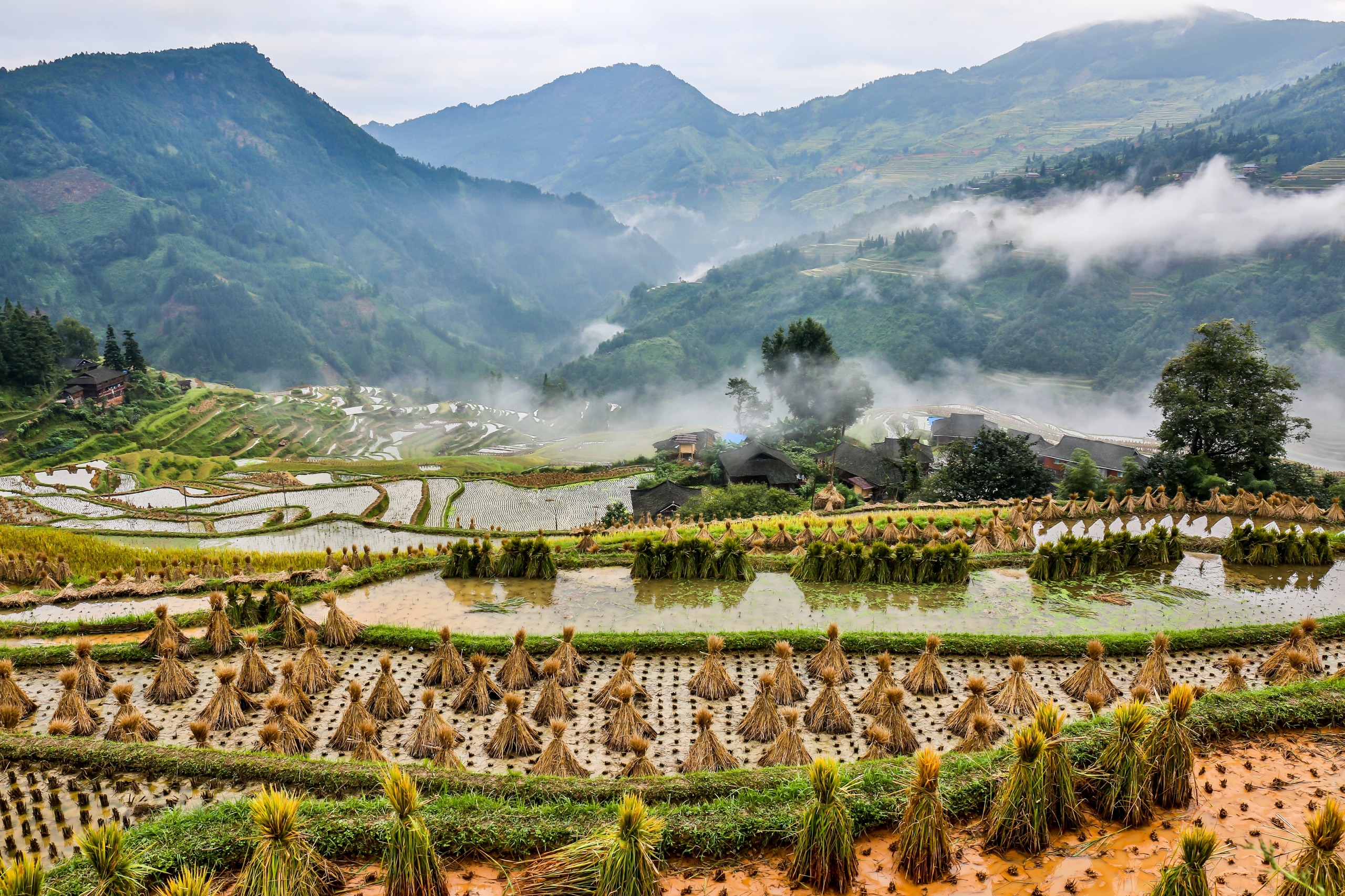
Yanji displays a dual identity throughout its streets: storefronts in Korean and Mandarin, markets brimming with kimchi, tteok, and soju alongside Dongbei specialties. Renmin Park and the banks of the Buerhatong River offer lively walks. Beyond the city, the terraced rice paddies of Helong Valley and traditional Korean villages are well worth exploring.
History and Context
Koreans settled massively in this region beginning in the 19th century, fleeing famine and Japanese occupation. In 1952, the People's Republic of China established the Yanbian Korean Autonomous Prefecture, officially recognizing the Joseonjok minority. This community, now numbering approximately 800,000 people, has preserved a distinct culture while integrating into the Chinese state.
Highlights of a Visit
Yanji Markets
Covered and street markets in Yanji are the best places to observe daily Joseonjok life. Homemade kimchi, rice cakes, Korean barbecue (gogi-gui): gastronomy here is a powerful identity marker.
Traditional Korean Villages
Several villages around Yanji preserve thatched-roof houses and courtyards typical of rural Korean architecture. Longjing (Longquan) is among the most accessible and best-preserved.
Longjing and the Heritage of Resistance
Longjing was a center of Korean resistance to Japanese occupation. The city houses commemorative sites and palpable historical atmosphere, with a predominantly Korean population.
Photography Tips
Early morning markets in Yanji offer soft light and intense activity from dawn. Traditional villages are most photogenic in autumn, when rice paddies turn golden. Always ask residents for permission before photographing them.
Location and Access
Yanbian is located in southeastern Jilin Province, at the Sino-Korean border. Yanji is the main city and logistics hub. Mount Changbai (Paektu) is accessible from Yanji within a few hours by road. The city of Longjing lies about thirty kilometers south of Yanji.
Nearby Attractions
- Mount Changbai — Sacred volcano to both Koreans and Chinese; its crater lake Tianchi is among the world's highest.
- Longjing — Historic Joseonjok city, former capital of Korean resistance under Japanese occupation.
- Tumen — Border city on the Tumen River, facing North Korea, with an observation bridge.
Frequently asked questions
Summer (June–August) is ideal for hiking and visiting Mount Changbai. Autumn (September–October) offers beautiful rice paddy landscapes. Winter is very cold and some mountain access closes.
Mandarin is sufficient in most situations. Korean is an asset in villages and Joseonjok markets. Signage is often bilingual in Korean and Mandarin.
Yes, this is the classic itinerary. Yanji serves as a logistics base for reaching Mount Changbai, accessible by bus or rental car. Plan at least one additional night for the volcano.
It carries distinctive Joseonjok diaspora influences, with dishes preserved since the 19th century and local adaptations. Some traditional dishes here are closer to historic Korean cuisine than contemporary South Korean fare.
Yanbian is open to foreign tourists with a valid Chinese visa. The border zone with North Korea requires special permits to approach; inquire with local authorities before any travel near the frontier.
Interested in this visit?
We can include it in your personalised itinerary.