Jiangsu
Name: Jiangsu
Capital: Nanjing
Chinese name: 江苏
Status: province
Population: 79,394,900 inhabitants (2013)
Area: 102,600 km²
Blessed with the most fertile lands in Chine and a lush landscape, Jiangsu, a symbol of agricultural abundance, was long called the "land of fish and rice". This province, situated on the eastern coast of the China Sea, is also one of the most densely populated and prosperous regions.
Its proximity to Shanghai makes this province an outstanding destination for a weekend escape away from the frenzy of major cities.
History
Jiangsu remained a relatively minor province until the Song dynasty (960-1279), when it experienced commercial growth thanks to the opening of the Grand Canal. The south flourished thanks to silk production in Suzhou and Yangzhou.
The economic golden age continued under the Ming and Qing dynasties, and southern Jiangsu opened to foreign influence with the arrival of Westerners in Chine in the 1840s. During the Taiping rebellion (1851-1864), they established their capital in Nanjing, which they renamed Tianjing, "the Heavenly Capital".
Jiangsu played a significant political role in the twentieth century. As the capital of the nationalists, Nanjing was taken in 1949 by the communists, who preferred to govern the country from Beijing.
Due to its proximity to Shanghai, the southern part of Jiangsu today benefits from a booming economy, while the north still lags in development.
Today
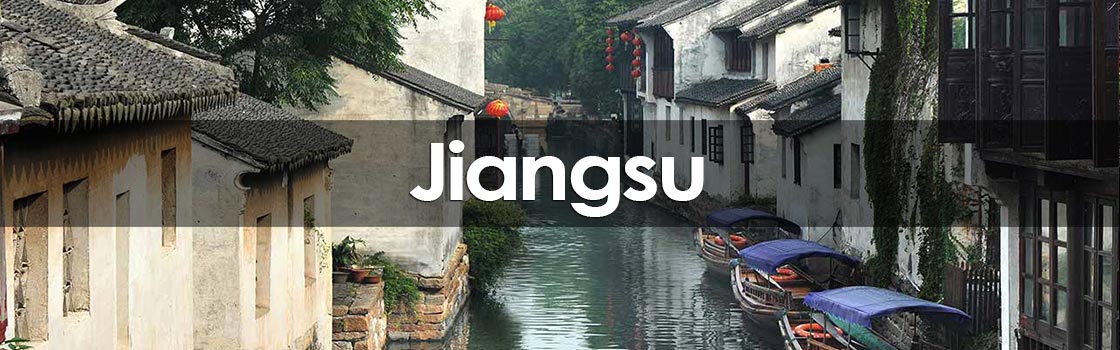
Jiangsu, also known as the "land of fish and rice", is one of Chine's richest provinces. The province is renowned for its numerous water towns and villages offering pleasant boat trips.
The waterways of the Yangtze (Blue River) and the Grand Canal played a major commercial role that contributed to Jiangsu's prosperity. The Grand Canal runs through the region from north to south to reach the Yangtze delta. Once navigable from Hangzhou to Beijing, much of it is now silted, making it only practicable in the south of the province. Its course passes through several historic cities, notably the vibrant economic hubs of Suzhou and Yangzhou. A major commercial artery, the Yangtze runs through southern Jiangsu and connects Nanjing to Shanghai.
For history enthusiasts, the province has much to offer. The cosmopolitan city of Nanjing, once the nation's capital, is particularly rich in museums and prestigious sites. Suzhou and Yangzhou are renowned for their magnificent gardens, equally celebrated for the beauty of their silk. Another water-surrounded city, Wuxi lies close to the picturesque Lake Taihu. Finally, Tongli and Mudu, set along canals, allow visitors to admire, before they vanish forever, all the charms of ancient Chine.
Jiangsu is a province rich in tourist attractions, both historical and natural, making it a prime destination for travelers.
Climate
While Jiangsu experiences hot, humid summers (May to August), its winter temperatures are pleasant (December to February). Fog can sometimes reduce visibility dramatically, and soft rain drapes the landscape in a beautiful veil of mist. Spring (March and April) bursts with vibrant natural colors, though heavy rains also fall during this season.
The monsoon is quite long in this region (May to September), and late summer sometimes brings typhoons.
Autumn (September to November) is the driest period and the best time to visit the region.
How to get to Jiangsu?
Jiangsu is well connected to all major Chinese cities, both by air from Nanjing and by frequent road and rail links. Ferries connect Suzhou to Hangzhou, Nanjing to Chongqing and Wuhan.
How to get around Jiangsu?
The bus network is highly efficient in the province and connects most major cities.
Train is also a good option, as ticket reservations are now very easily made through hotels or travel agencies.
Languages
The main language spoken in Jiangsu is the Wu dialect, with many variations heard throughout the region.
In areas near Shandong, you will generally find Mandarin.
What to do in Jiangsu?
- Climb the 392 steps to the Sun Yat-Sen Mausoleum in Nanjing.
- Cross the fabulous Lake Taihu by boat and discover the beauty of the place.
- Stroll through the traditional gardens of Suzhou where rocks, water, and ancient pavilions combine.
- Sail through charming water villages such as Tongli and Zhouzhuang.
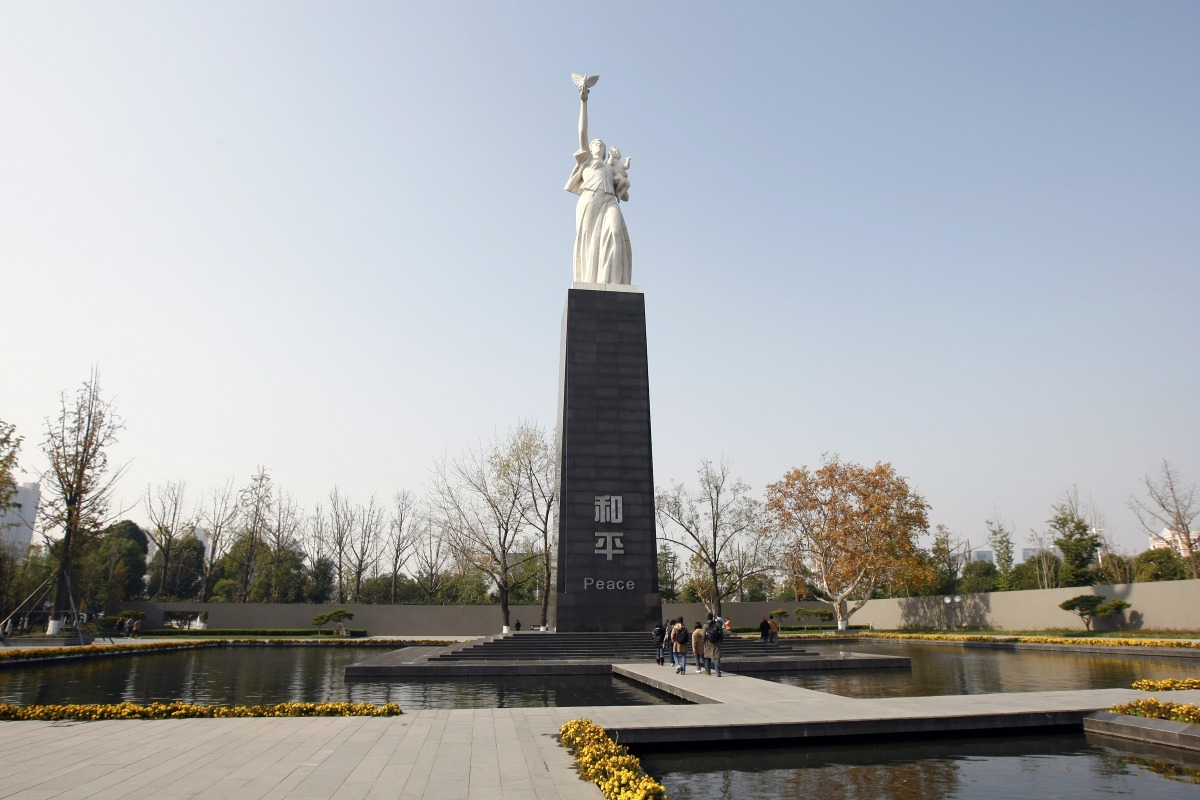
- Learn about the history of Chine and Jiangsu through the countless cultural and historical sites of the capital, such as the Nanjing Massacre Memorial.