Hong Kong
Hong Kong
Between iconic skyline, Cantonese markets and verdant hills, Hong Kong condenses urban Asia. Here's everything you need to plan your stopover.
Name: Hong Kong
Chinese name: 香港特別行政區
Status: Special Administrative Region
Population: 7,071,576 inhabitants (2011)
Area: 1,104 km²
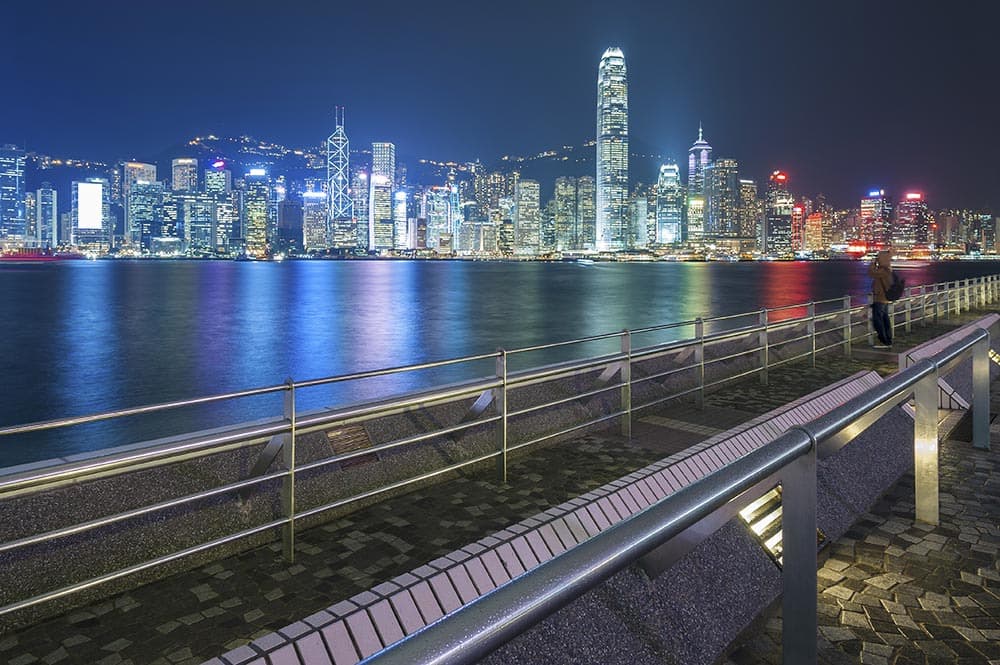
Hong Kong is a fascinating place where a profusion of skyscrapers seem to spring magically from the earth among the mountains and vegetation surrounding them. Behind its airs of a small New York of Asia, Hong Kong has created its own identity with an independent character. Its skyscrapers today testify to its grandeur and power despite the ever-present anxiety about the future. Hong Kong is a wonderful stopover for a surprising and varied journey through Chine.
History
Hong Kong was essentially an outpost of the Chinese Empire before European merchants began importing opium into the country. With seemingly endless resources thanks to the poppy fields of Bengal where they were established, the British imposed this ruthless trade and, in the early nineteenth century, the "foreign mud" represented the majority of their transactions with Chine.
Chinese attempts to eradicate the opium trade, including the seizure and destruction of a major shipment, provided the British with the perfect pretext for military action. They sent two gunboats that quickly destroyed a fleet of 29 Chinese vessels. In 1841, a detachment of the British Navy raised the Union Jack (the British flag) over Hong Kong Island. That same year, the Treaty of Nanking ended the first Opium War, ceding the island to the British Crown "in perpetuity".
The British seized the Kowloon Peninsula in 1860, at the end of the Second Opium War. In July 1898, they obtained a 99-year lease on the New Territories.
Throughout the twentieth century, Hong Kong developed in fits and starts. Successive waves of refugees arrived with each political crisis in Chine. Transportation and commerce infrastructure improved regularly and expatriates came and went, fascinated as today by the dynamism of the colony.
The Japanese Army brutally ended this expansion in 1941. By the end of the war, Hong Kong's population had plummeted from 1.6 million to 610,000 inhabitants. Once again, instability in Chine would benefit Hong Kong's growth. First, refugees fleeing the Communist victory in 1949 raised the population to over 2 million. Then the embargo imposed on Chine by the United Nations during the Korean War prompted Hong Kong to transform itself into one of the world's most dynamic industrial and financial centers.
Particularly skilled at making profits, Hong Kong residents had the wisdom to invest part of their gains in improving their city. Housing progressed with the construction of New Towns skyscrapers, while the extremely efficient Mass Transit Railway was built to facilitate transportation.
However, the prospect of handover in 1997 worried Hong Kong residents. An agreement concluded in late 1984 stipulated that Chine would recover the entire territory, which would become the Hong Kong Special Administrative Region and retain its market economy and legal and social systems for 50 years. Chine called this arrangement "one country, two systems".
On July 1, 1997, amid pouring rain, the British era ended in front of the Hong Kong Convention & Exhibition Centre.
In the years that followed, Hong Kong faced several storms, from the 1997 Asian economic crisis to the SARS epidemic. Added to this was a seven-year recession caused by the sudden collapse of the property bubble and general mistrust of the government. By 2003, Hong Kong was at its lowest.
While it had opposed the Hong Kong government's attempt to challenge anti-subversion legislation pushed by Beijing, Chine rescued Hong Kong's faltering economy by significantly increasing the quota of mainland tourists allowed to visit the city. This boost coincided with the first signs of recovery and Chinese tourists arrived, ready to spend generously.
In early 2006, the Hong Kong Stock Exchange was booming, unemployment was under control and Sir Donald Tsang was performing much better at the head of government than his often-criticized predecessor, Tung Chee Hwa.
Today
Hong Kong owes much of its complex personality to its Sino-British past, but in the decade following the handover, it has perfectly asserted its own independent character. After overcoming a partial reunification with Chine, a seven-year economic recession, avian flu and Severe Acute Respiratory Syndrome (SARS), the city has regained confidence in itself. Booming once again, its dynamism is felt by all travelers passing through the peninsula.
Although the standard of living is particularly high, the city has something to offer everyone: its shopping malls with innumerable bargain goods, crossing Victoria Harbour with views of one of the world's most spectacular urban landscapes, more than 10,000 restaurants representing virtually every cuisine in the world, and a nightlife among Asia's most vibrant.
The city also holds some surprises for nature lovers. Hong Kong is composed largely of mountains and verdant hills, perfect for hiking. Magnificent beaches stand to the south of the island and will also delight tourists seeking relaxation.
Hong Kong has much to offer travelers through its cultural diversity between the West and Chine.
Climate
It's rarely cold in Hong Kong, but you'll need warm clothing between November and March. From May to mid-September, temperatures near 35°C and high humidity cause perspiration with minimal effort. This is also the wettest period, with 80% of annual precipitation, partly due to typhoons.
Air
More than 60 airlines connect Hong Kong International Airport to nearly 140 destinations worldwide. Competition keeps prices relatively low, making it easy to find discounted tickets.
With the government setting prices between Hong Kong and Chine, promotions are rare. Depending on the season, you may struggle to find a seat due to the staggering number of Chinese traveling for business or tourism. It's better to book well in advance.
Boat
Regular ferries connect the China Ferry Terminal in Kowloon and/or the Macau ferry terminal in Hong Kong Island to various locations in the Pearl River Delta.
Bus
From Hong Kong, buses serve the main cities of Guangdong. However, the KCR East Rail is so fast and inexpensive that few buses serve Shenzhen. Most major hotels nonetheless offer minibuses to/from Shenzhen.
Train
Getting to Shenzhen by train is straightforward. Take the KCR East Rail from Hung Hom in Kowloon, or from any station on the line serving the Chinese border at Lo Wu. In Shenzhen, local trains and buses travel to Guangzhou and beyond.
Hong Kong's public transportation network is the envy of the world. Fast, easy to use, relatively inexpensive and convenient with the Octopus card.
Languages
In Hong Kong you will mainly hear Cantonese spoken due to its proximity to Guangdong. English is also widely used, especially with Western tourists or in commerce.
Mandarin is slowly returning to the territory but many Hong Kong residents don't speak it.
It's also possible to hear some dialects of the Tanka, Hakka or Hoklo populations.
Visas
Most visitors, including Canadian and European Union citizens, can stay 90 days without a visa (180 days for British nationals). If you need a visa, contact a Chinese embassy or consulate before you arrive.
If you plan to visit Hong Kong from Chine and return there, you will need a Chinese visa with multiple entries.
What to do in Hong Kong?
- Admire the view of Hong Kong during the ride up the Peak Tram to Victoria Peak.
- Cross Victoria Harbour aboard the Star Ferry and enjoy the view of the skyscrapers.
- Stroll down the Avenue of Stars on Kowloon and witness the famous symphony of lights offered by Hong Kong Island's skyscrapers.
- Take the Ngong Ping 360 cable car to the giant Buddha on Lantau Island and descend on foot via the hiking trail.
- Learn bargaining Hong Kong style at the Temple Street Night Market.
Attractions in Hong Kong
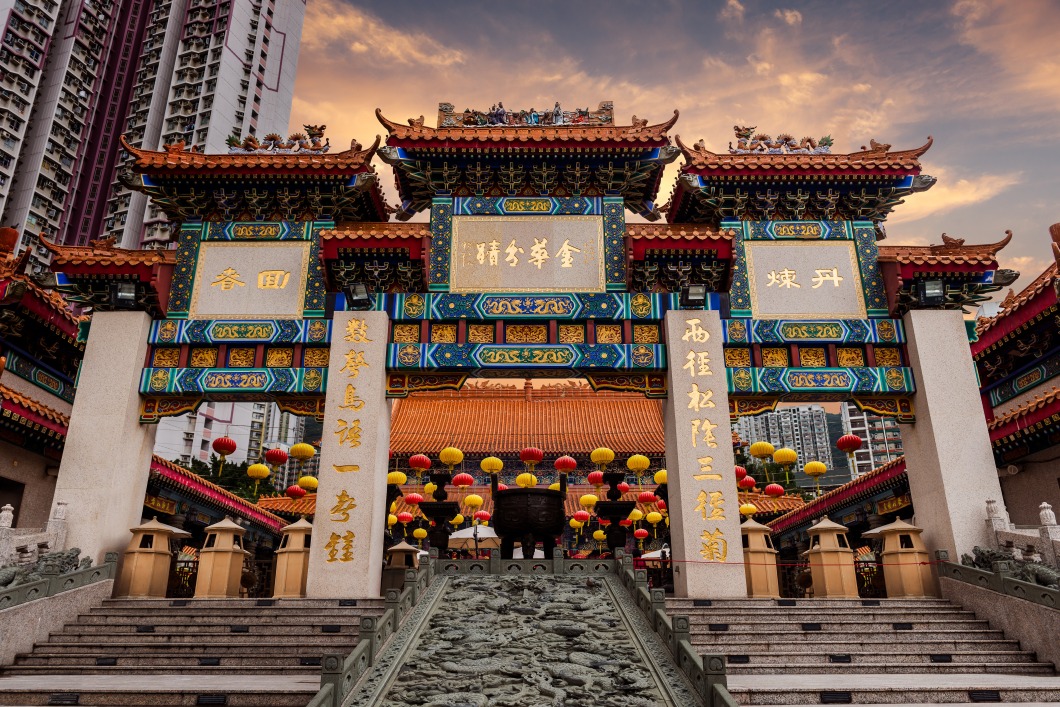
Temple Sik Sik Yuen Wong Tai Sin
Sanctuaire syncrétique majeur de Hong Kong, le temple Wong Tai Sin mêle taoïsme, bouddhisme et confucianisme dans une architecture pensée selon les cinq éléments.
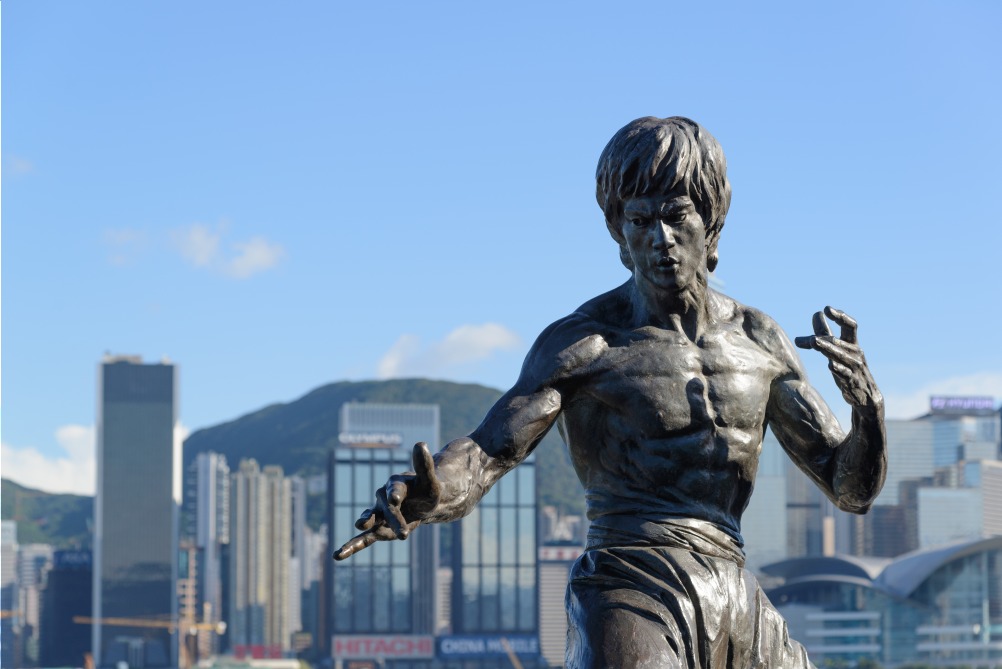
Avenue des Stars
Promenade de 440 mètres à Tsim Sha Tsui dédiée au cinéma hongkongais, face à la skyline de Hong Kong Island. Accès libre, idéale au coucher du soleil.
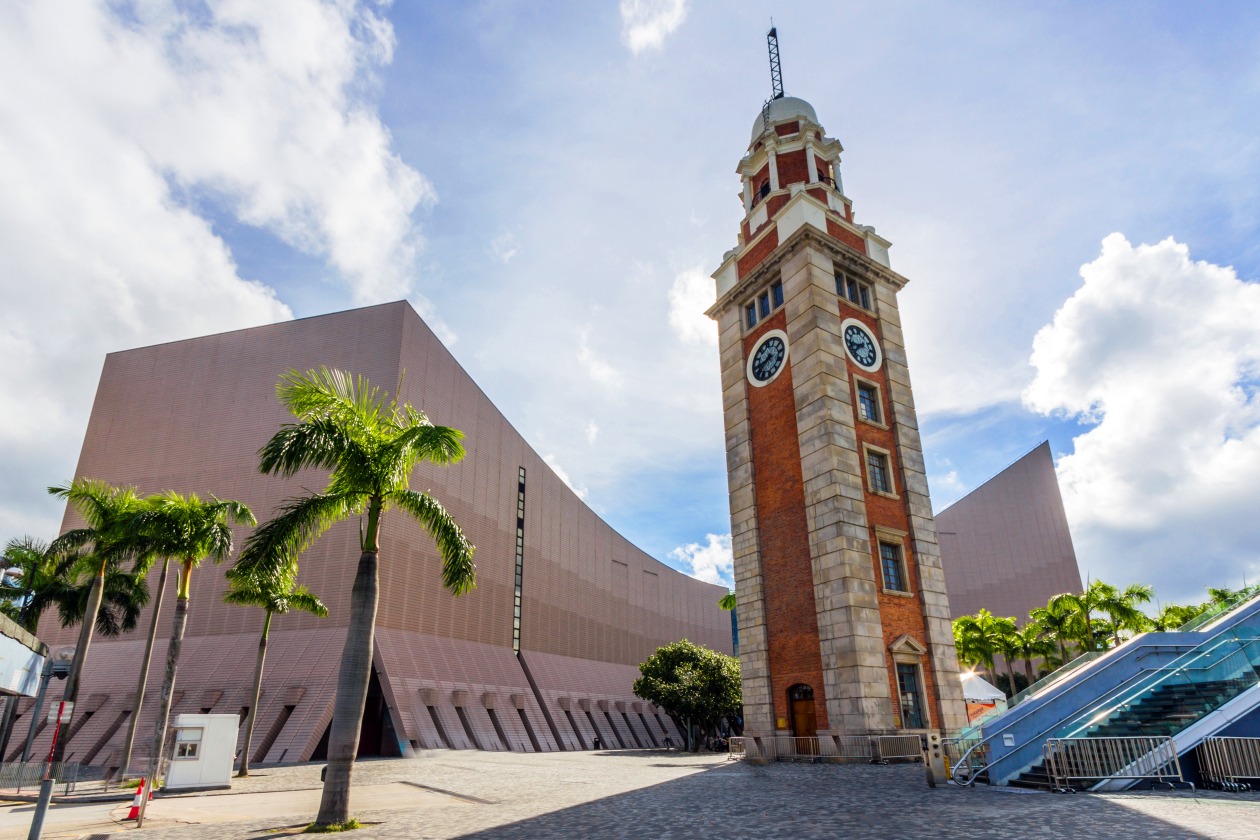
Tour de l’Horloge
Dernier vestige de l'ancienne gare Kowloon-Canton, la Tour de l'Horloge de Hong Kong veille sur Victoria Harbour depuis 1915.
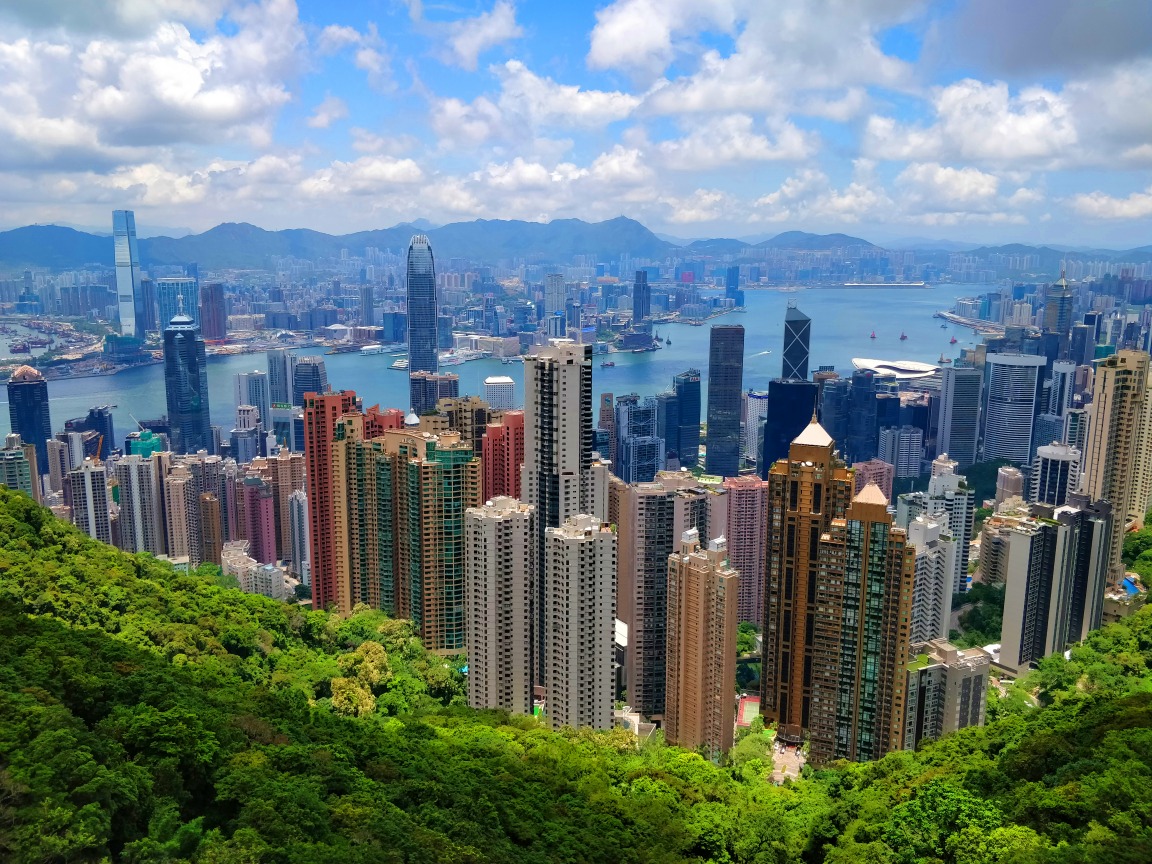
Victoria Peak
Sommet de l'île de Hong Kong à 552 m, le Victoria Peak combine funiculaire historique, plateforme à 360° et sentiers boisés au-dessus du port.
Want to discover this destination?
Our local advisors design your tailor-made trip.