Jilin

Name : Jilin
Chinese name : 吉林
Status : Province
Capital : Changchun
Population : 27,512,800 inhabitants (2013)
Area : 187,400 km²
The compact province of Jilin is located in the central part of Northern Chine. The province is bordered by the region of Heilongjiang to the north, by Liaoning to the south, by Inner Mongolia to the west, and North Korea to the east.
Its geographic position provides relief and climate particularly suited to winter sports, with mountains of eternal snow. Beyond its winter attractions, Jilin opens the door to centuries of history with pyramids, tombs, and Koguryo remains recognized as a UNESCO World Heritage site.
History
During the Manchuria occupation by the Japanese in the early 1930s, Changchun, Jilin's capital, became the center of their puppet government. In 1932, the Japanese appointed Henry Puyi, previously proclaimed the 10th (and last) emperor of the Qing dynasty at age three, as their "puppet emperor" and head of the executive power of the Manchukuo state, which he governed from his Changchun palace until 1945. After the Japanese defeat at the end of World War II, Puyi attempted to flee to Japan but was captured by the Russians in Shenyang. In 1950, he was returned to Chine, where he spent ten years in a re-education camp. He died in 1967.
Proximity to the North Korean border has greatly influenced the recent history of the region. Since the mid-1990s, thousands of North Koreans have fled to Chine to escape famine. Many of them attempt to pass through Chine to reach South Korea or another host country. Others remain in the Jilin province, trying to blend in with the local Korean population, especially in the Korean autonomous district. The Chinese government has never looked favorably upon this immigration, refusing to grant these migrants refugee status. The future of Koreans arrested by Chinese authorities and returned to North Korea appears bleak.
Jilin Today
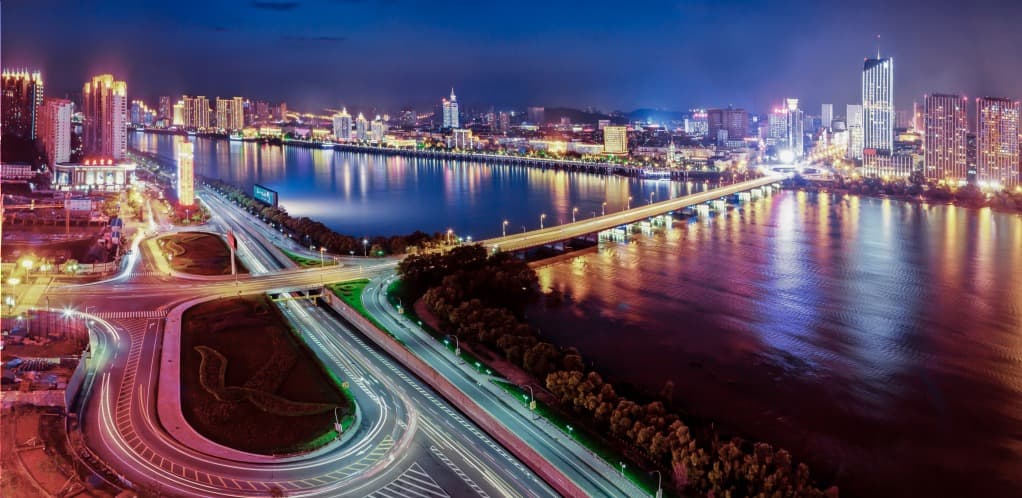
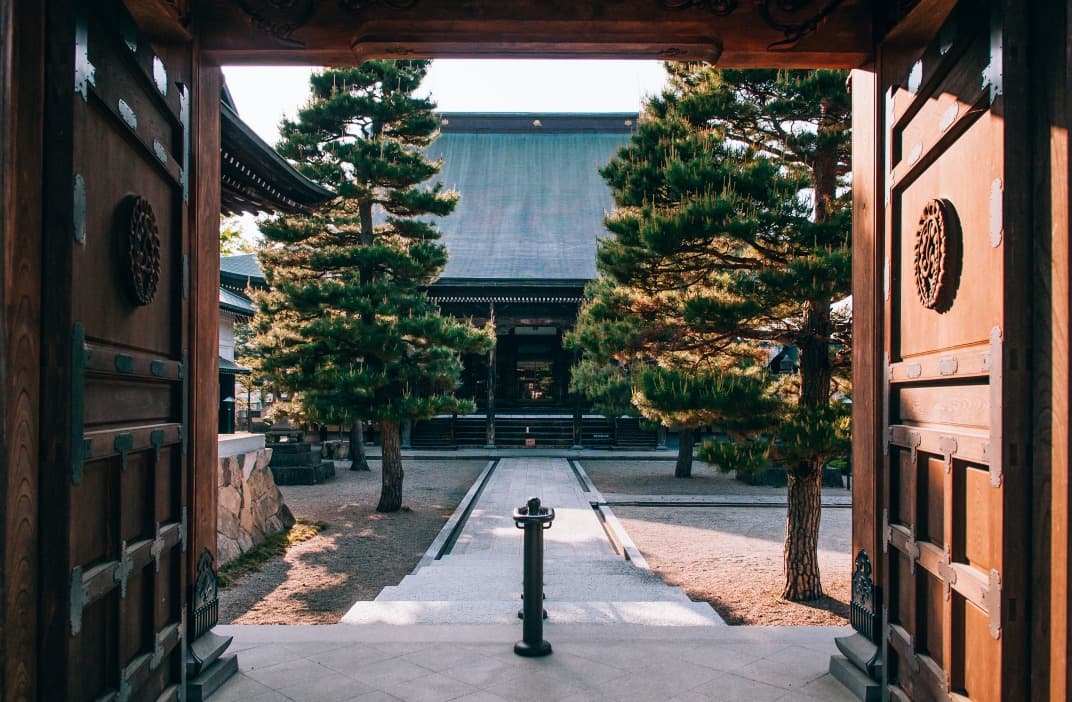
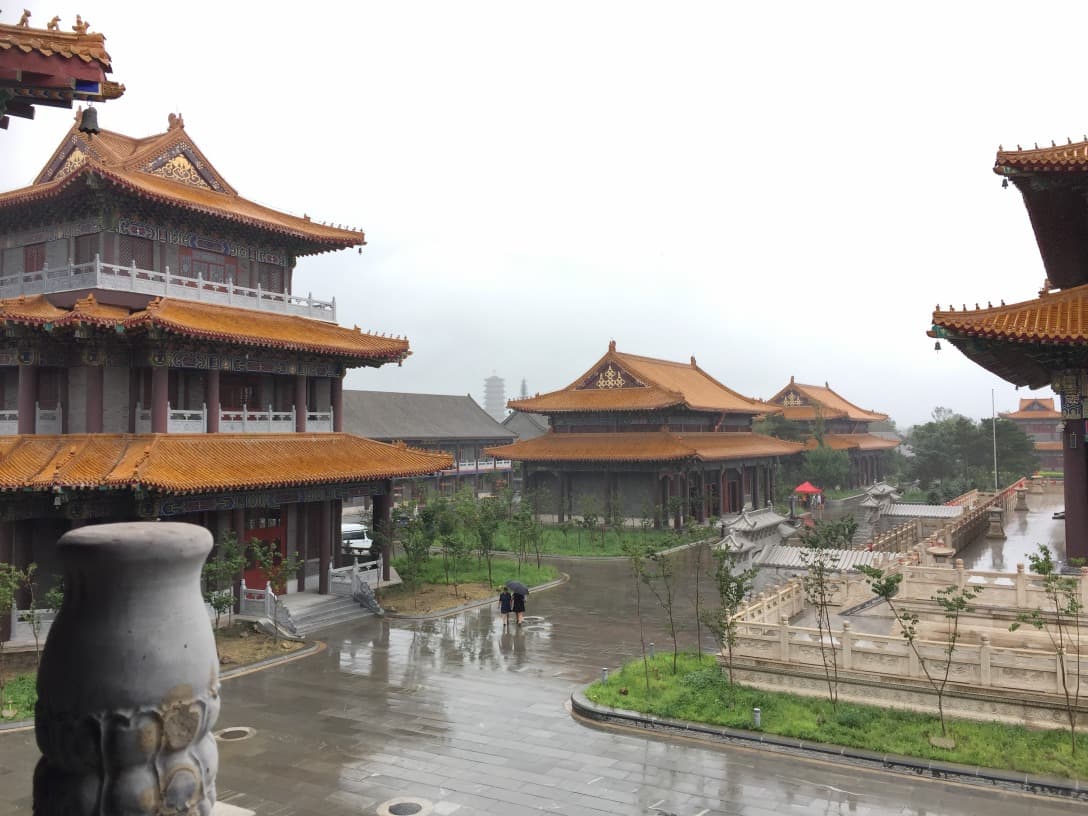
Jilin is a fascinating province that blends the old with the modern and the artificial with the supernatural. Travelers weary of the bustle of major cities can silently admire palaces with Western influences and the ruins of ancient Korean civilization.
A large part of the region today is home to more than one million Koreans. Eighty percent of them live in the Korean autonomous district in the eastern part of the province. Yanji, the bilingual administrative center, serves as a practical base for exploring the surroundings and experiencing Sino-Korean culture. Foreigners are generally very welcome, and you'll discover authentic cuisine.
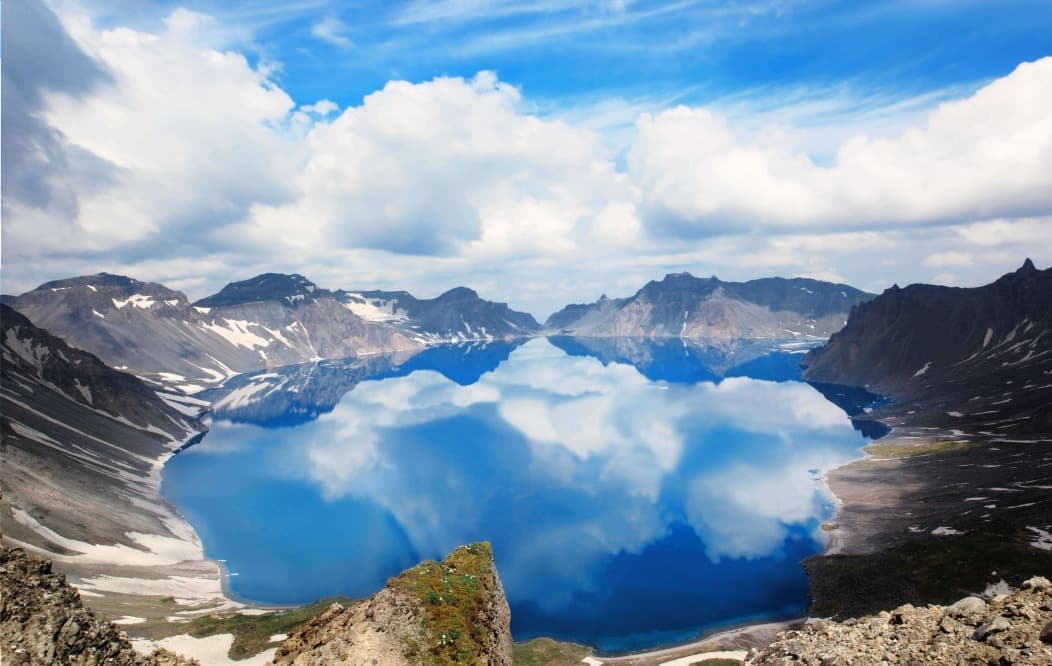
Jilin is also a popular ski destination and boasts numerous tourist attractions, particularly the Changbai Shan nature reserve, the largest in Chine. In the heart of these "Mountains of Eternal Snow," pine-bordered trails lead to lunar-like tundra expanses before reaching the Heaven Lake, which occupies a volcanic crater perched high among the peaks.
In the southeastern part of the province, UNESCO has designated the Ji'an region as a World Heritage site for its remains of the ancient Koguryo kingdom (37 BC–668 AD). Facing present-day North Korea, on the opposite riverbank, this still-unexplored site contains pyramids, tombs, and other traces of this ancient civilization.
Those unfazed by harsh winters will appreciate the ice lantern festival in the city of Jilin, which offers a magical spectacle when trees glisten with frost along the winding riverbanks.
Climate
Jilin is a very cold province with long, snowy winters and icy winds. Temperatures can reach -20°C in some areas. In contrast, summer is pleasantly warm, especially along the eastern coasts, but short-lived. Rainfall in the region is moderate.
Summer is the ideal time to visit Jilin, especially if you plan to head to Changbai Shan, as abundant winter snow makes the reserve practically inaccessible.
How to Reach Jilin
Major road and rail routes cross Jilin from north to south through Changchun, where frequent connections serve Shenyang in Liaoning province, and Harbin in Heilongjiang province. From Changchun, trains and buses connect to the city of Jilin to the east, which can also be reached from Shenyang or Harbin.
How to Get Around in Jilin
Reaching the eastern part of the province, particularly around the Changbai Shan nature reserve, proves somewhat more challenging. A train departs regularly from Changchun and Jilin toward the east toward Yanji. From there, buses traverse the mountains southward to the small town of Baihe, the main connection hub for the North entrance to Changbai Shan. The West entrance to Changbai Shan is accessed via Songjianghe, on the railway line connecting Baihe, Tonghua, and Shenyang.
Ji'an can be reached via Tonghua to the north, Shenyang to the west, or Dandong to the south. Between Ji'an and Changbai Shan, connections depart for Tonghua.
Language
Mandarin is the language spoken in Jilin. Korean can also be heard in Yanji and the Korean autonomous prefecture.
What to Do in Jilin?
- Immerse yourself in Sino-Korean culture in Yanji and the Korean autonomous district.
- Explore the remains of the ancient Koguryo kingdom at Ji'an near the Korean border.
- Escape into the lush forests of Changbai Shan and enjoy the waterfalls and hot springs of the reserve.
- Hike to Heaven Lake (Lake Tian Chi) to discover its almost supernatural beauty.
- Attend the ice lantern festival in Jilin.