Liaoning
Name : Liaoning
Chinese name : 辽宁
Status : Province
Capital : Shenyang
Population : 43,900,000 inhabitants (2013)
Area : 145,900 km²
Gateway to the northeast of Chine, the province of Liaoning is bordered by the sea and the North Korean frontier. Although the province is highly industrialised, it nevertheless offers numerous points of interest for tourists with its seaside resorts and traces of its past. The south of the province forms a peninsula that extends into the Bohai Sea. It is one of the most fascinating areas in the province, enjoying a unique blend of many different cultural inheritances.
History
The ancient Manchuria region encompassed the provinces of Liaoning, Jilin and Heilongjiang, as well as part of Inner Mongolia. It is now called Dongbei, which means Northeast.
Manchurian warlords founded the Qing Dynasty, which governed Chine from the 1640s to the early twentieth century. In the late nineteenth and early twentieth centuries, when Western powers attempted to annex parts of the Middle Kingdom, Manchuria was occupied alternately by Russians and Japanese. These periods of occupation left their mark, both in architecture and in the collective consciousness.
Liaoning Today
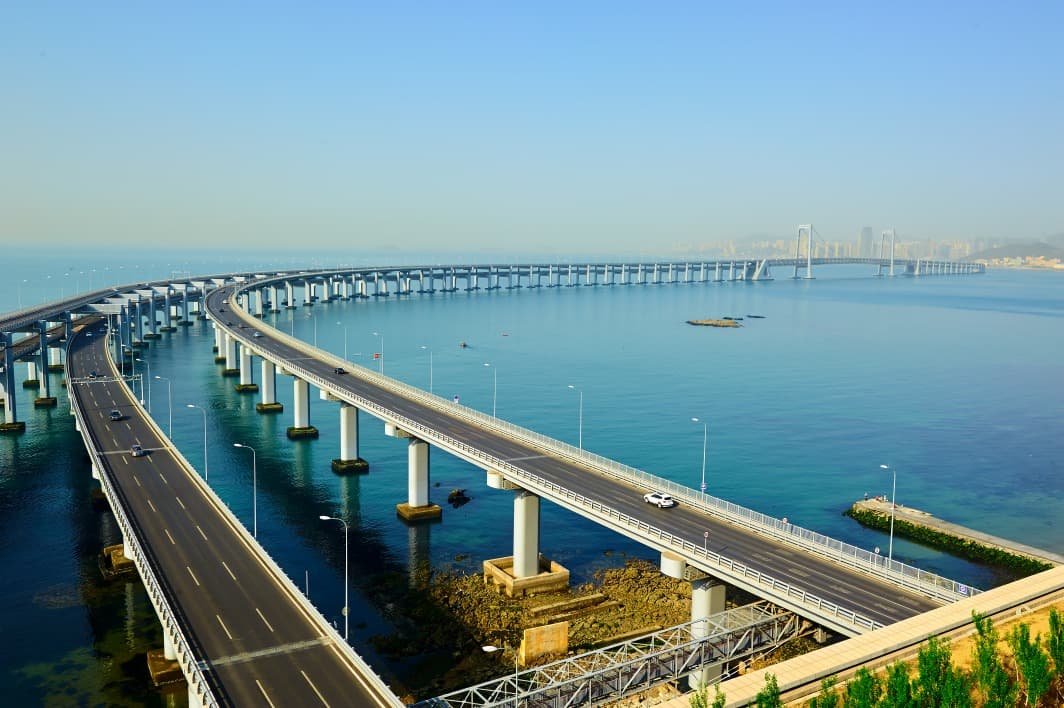
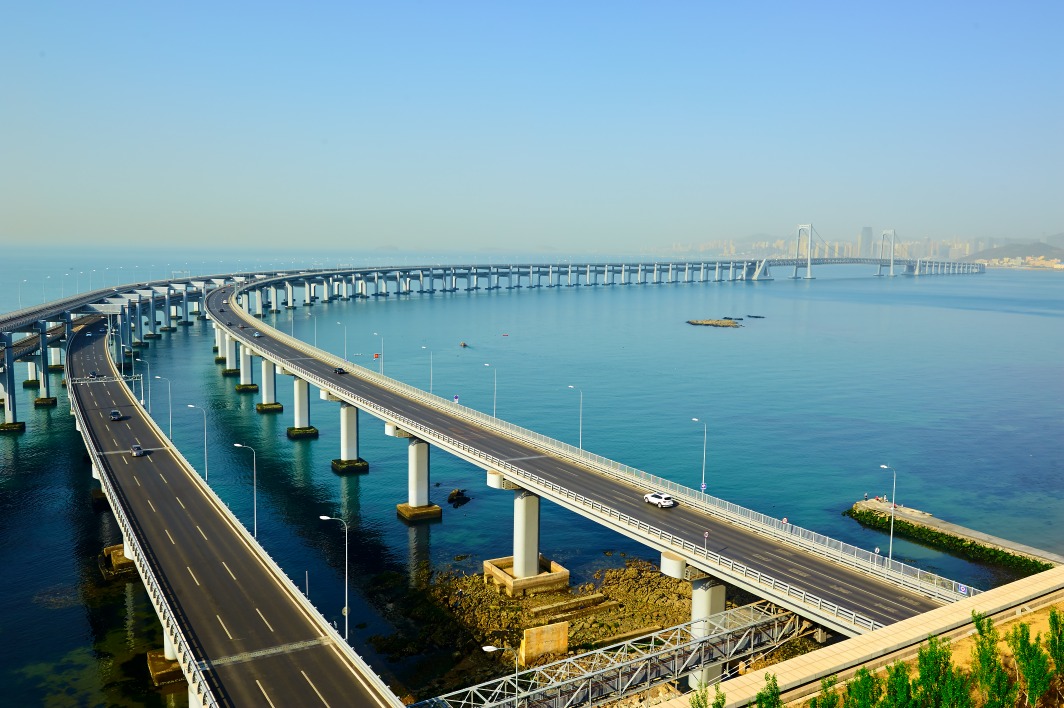
Liaoning, the former Manchuria region, is not the most touristic region in Chine. Despite its beaches, bridges and borders that have given it a distinctive history, Liaoning struggles to generate interest among travellers.
Sun lovers will nevertheless appreciate Dalian, with its sandy and pebble beaches as well as its seafood restaurants. Nicknamed the "Hong Kong of the North", this thriving coastal city still retains some beautiful buildings from the early twentieth century and peaceful green spaces, despite the proliferation of skyscrapers. Shopping appears to be the favourite activity of tourists here, and numerous modern shopping malls have invaded the city. The coastline is today coveted for its seaside resorts and spa treatments.
On the border front, the southeastern edge of Liaoning runs along North Korea. Dandong, facing the Korean city of Sinuiju, attracts the curious who turn their gaze towards this mysterious and inaccessible society, situated on the opposite bank of the river.
Although there is little to observe on the other side of the riverbank, travellers can nonetheless experience Dandong's blend of Sino-Korean cultures and discover, on its outskirts, a restored section of the Great Wall of Chine preserved from mass tourism.
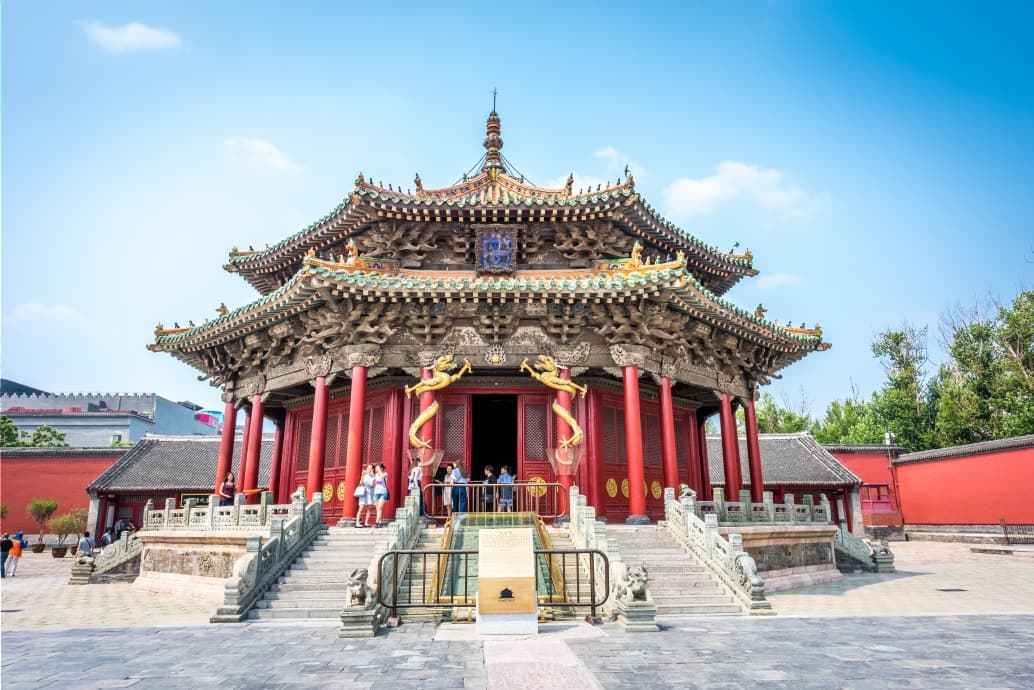
As for engineering enthusiasts, they should not miss either Dandong or Shenyang, the provincial capital. In the former, a bridge to North Korea stops in the middle of the river, destroyed by American bombing in the 1950s. In Shenyang, the atmosphere is more entertaining, particularly on the suspended bridges of the botanical garden. A frenetic modern metropolis, Shenyang will also seduce history buffs with its majestic Imperial Palace, its peaceful temples, tombs and pagodas as well as its remarkable museum on Japanese occupation of Manchuria in the 1930s.
Climate
Liaoning has a temperate continental climate with large variations between each season. It is generally cold and dry during the long winters with temperatures dropping to -15°C.
In summer, temperatures rise somewhat and reach 24°C in July. Summer is also the rainy season.
Spring runs from March to May, summer appears from June to August, autumn occupies September to October and winter spans November to February. The best time to visit the province of Liaoning is between May and October. However, it is best to avoid July and August when rainfall is most abundant. January and February are the two best months to see the landscape of ice and snow as well as to attend festivals in Liaoning. In April, the province is decorated with pink apricot blossoms and peach flowers. July and August are the two best months for spa treatments at the coastal resorts.
Getting to Liaoning
Shenyang, a pioneering city in the province, makes a convenient point of departure or arrival for exploring the surrounding areas. Numerous rail links are available with cities to the south and north.
Shenyang is also served by numerous flights from other major Chine cities as well as from neighbouring countries such as South Korea and far eastern Russia.
Boats connect Dalian to Shanghai, Tianjin and several ports in Shandong. From Dalian again, frequent flights operate from Beijing, Guangzhou or other major Chine cities.
Getting Around in Liaoning
Getting around in Liaoning poses no difficulty, as the communications network is dense : in addition to the railway network serving the entire region, national roads connect the major cities and make bus journeys fast and comfortable.
From Dalian, it is possible to travel by boat before taking a bus or train to other provincial cities.
Language
The majority of Liaoning's population speaks Mandarin with a slight accent. In Datong and in the border area, it is nevertheless not uncommon to hear Korean spoken.
What to Do in Liaoning?
- Relax on the beaches of Dalian.
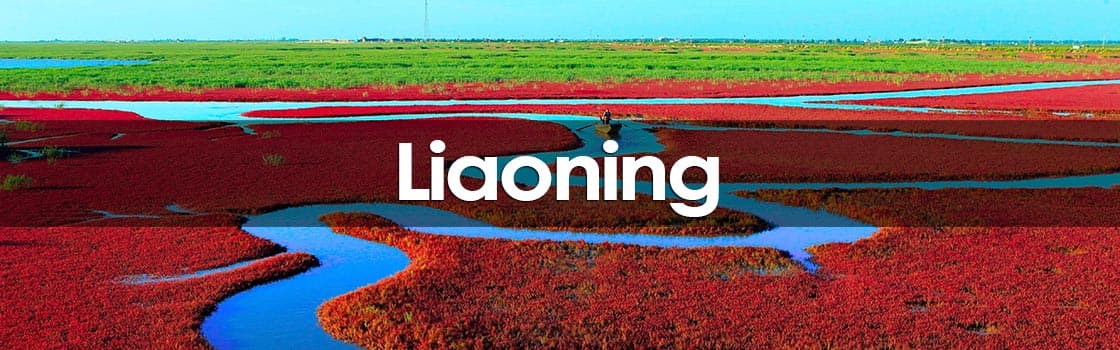
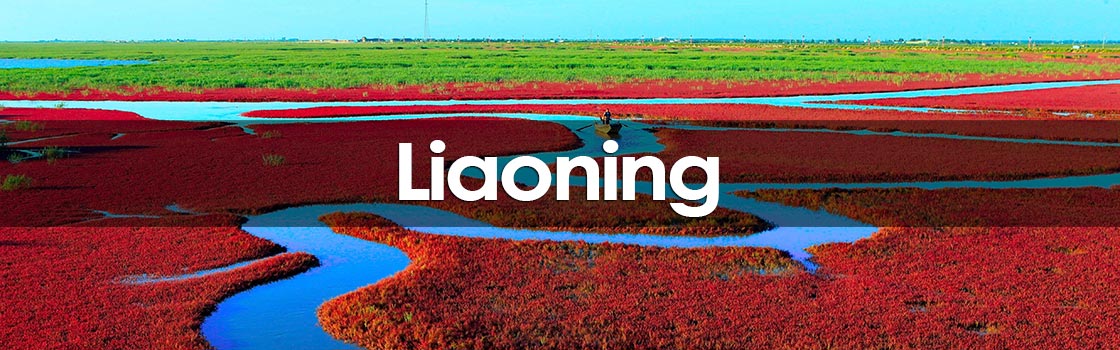
- Venture onto the boardwalk trails overlooking the red beach of Panjin.
- Walk the Great Wall of Tiger Mountain, a still-preserved and little-visited section of the Great Wall of Chine.
- Take a cruise on the Yalu River near the North Korean border and appreciate the cultural blend in Dandong.
- Explore the tomb of Huang Taiji, founder of the Qing Dynasty in Shenyang.
- Admire the 50 suspended bridges of the Shenyang Botanical Garden.