Shanghai's the Bund
Shanghai's the Bund
An emblematic Shanghai promenade, the Bund showcases colonial facades and views over Pudong along a 1.5 km stretch beside the Huangpu River.
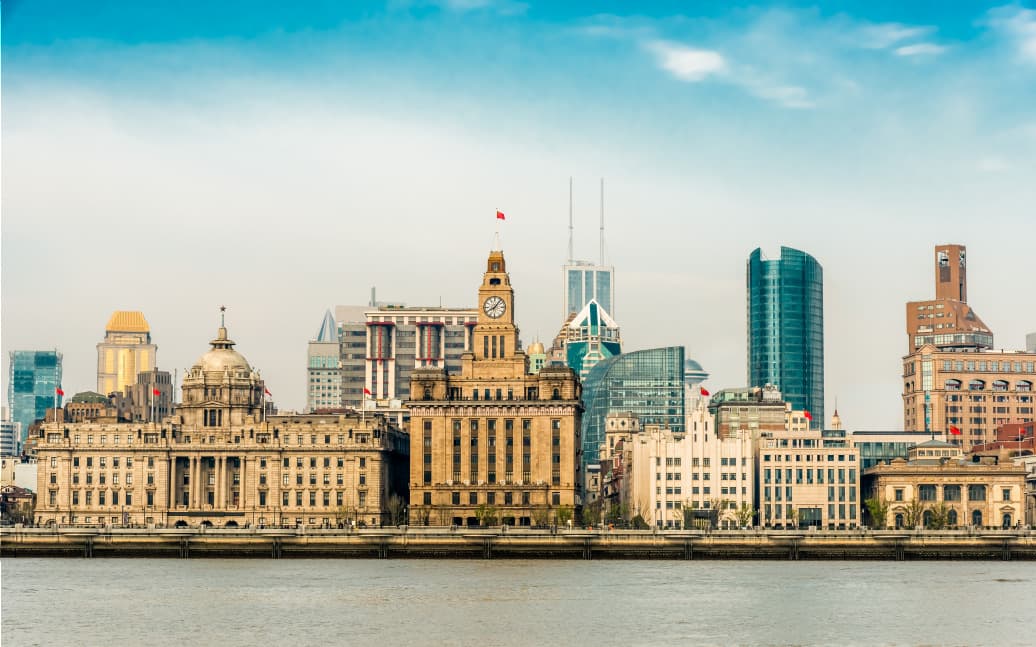
On the west bank of the Huangpu River, the Bund unfolds a line of European facades inherited from the International Settlement, facing the skyscrapers of Pudong. This 1.5 km promenade encapsulates Shanghai's two faces in a single image: the merchant city of the 19th century and today's financial megapolis.
Why visit the Bund
The Bund is the most direct landmark for understanding Shanghai. Over a distance of just a few hundred metres, you walk past former banks, hotels and trading companies that form a rare architectural mosaic in Asia: Gothic, Renaissance, Romanesque, Baroque and Neoclassical styles succeed one another along the same avenue.
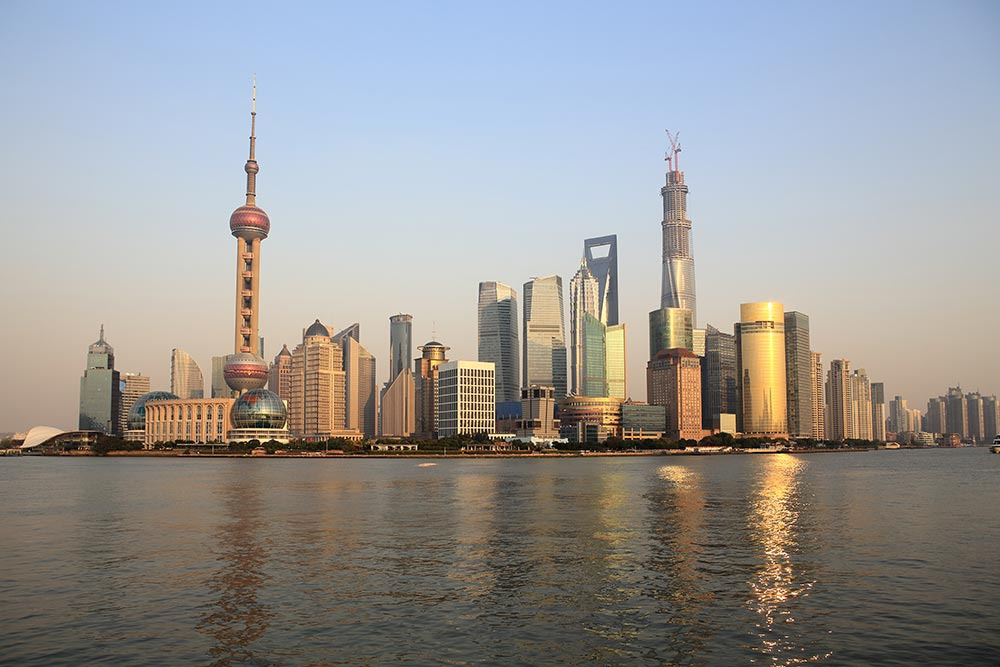
Across the river, the Pudong skyline asserts itself with glass towers. This contrast, particularly striking at sunset, makes the Bund the best place to grasp the city's trajectory in a single glance.
- Uninterrupted views of the Pudong skyline (Oriental Pearl Tower, Shanghai Tower, Jin Mao).
- Unique concentration of colonial buildings from the 1920s-1930s.
- Free promenade, open 24/7, accessible on foot from the city centre.
- Opportunity to continue on to Nanjing Road and the historic Yu Garden district.
History of the Bund
The word "Bund" is an Anglo-Indian term meaning embankment on muddy shore. The name refers to the unstable nature of the terrain: the mud flows of 1920 prompted the construction of a 770-metre dyke, which today separates the promenade from the Huangpu River.
The Bund flourished following the First Opium War and the opening of Shanghai's port to Western powers in the mid-19th century. The riverbank became a place of intense exchange: goods unloaded, trading posts, international commerce. British banks, shipping companies and grand hotels established themselves there, financing the buildings still visible today, making the Bund the principal banking centre of the Far East between the wars.
After 1949, foreign institutions departed. Many buildings were converted into administrative offices, then, from the 1990s onwards, into luxury hotels, restaurants, galleries and boutiques.
What to see on the Bund
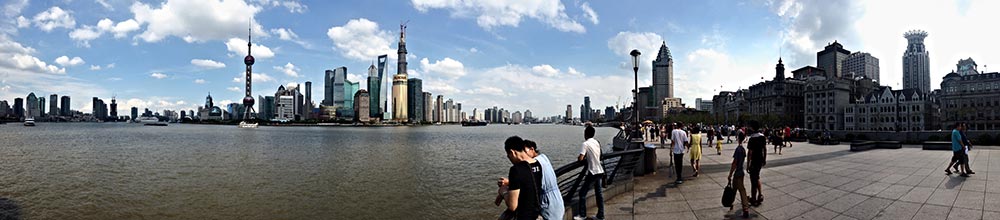
Zhongshan Avenue and its facades
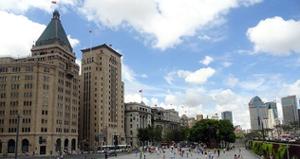
The Bund runs along Zhongshan Avenue, which houses the majority of the remarkable buildings. The former banks and international companies display Gothic, Renaissance, Romanesque, Baroque and Neoclassical styles. Several have preserved their original halls, accessible during the day when they house a hotel or shop.
Chen Yi Square
At the northern end, Chen Yi Square hosts a statue of Chen Yi, Shanghai's first communist mayor. This is the traditional meeting point to begin the southward promenade.
Sculptures and dyke
Along the dyke, several period sculptures represent light, sail and wind, in reference to the district's port vocation. The dyke itself offers the best perspective over Pudong.
Local life early morning
Early in the morning, residents come to practise Tai-Chi, dance and other exercises. This is a privileged moment to observe daily life, away from the tourist crowds of midday.
When to visit the Bund
The Bund can be visited at any time, but the experience varies considerably depending on when you go.
- Early morning (6am-8am): peaceful stroll, soft light, Tai-Chi scenes. Ideal for photography.
- Daytime: visits to the halls of former banks and strolling along nearby Nanjing Road.
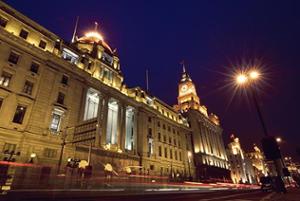
- Sunset: transition between illuminated colonial facades and the progressive lighting up of Pudong's towers.
- Evening (until 10pm-11pm): full illumination of both banks. This is the busiest time slot.
Seasonally, spring (April-May) and autumn (October-November) offer the most pleasant temperatures. Summer is hot and humid; winter remains manageable but windy along the river.
Practical Information
- Access: free, 24/7.
- Cost: free for the promenade. The tourist tunnel under the Huangpu is chargeable (moderate fee).
- Visit duration: allow 1 to 2 hours to walk the entire avenue, longer if including visitable buildings.
- Safety: heavily frequented, well-monitored area. Watch out for crowds on the dyke on weekend evenings.
How to get there
Metro
Lines 2 and 10, Nanjing Road East station. Take the exit towards the Huangpu River, 5 minutes' walk away.
Bus
Tourist bus no. 1 serves the Bund directly. Many local lines stop along East Zhongshan Avenue, at intersections with Nanjing Road, Hankou Road, Guangdong Road and Yan'an Road.
Ferry
A ferry crosses the Huangpu between the Jinling East Street pier on the Bund side and the Dongchang Street pier on the Pudong side. It's the most authentic and least expensive crossing.
Tourist tunnel
The Bund tourist tunnel connects both shores over 646.7 metres, near the Oriental Pearl Tower on the Pudong side. An automatic train makes the crossing in under 5 minutes, with light effects on display.
Nearby
- Pudong: directly opposite, Oriental Pearl Tower, Shanghai Tower and SWFC observation deck.
- Nanjing Road: major commercial thoroughfare that extends the Bund westward.
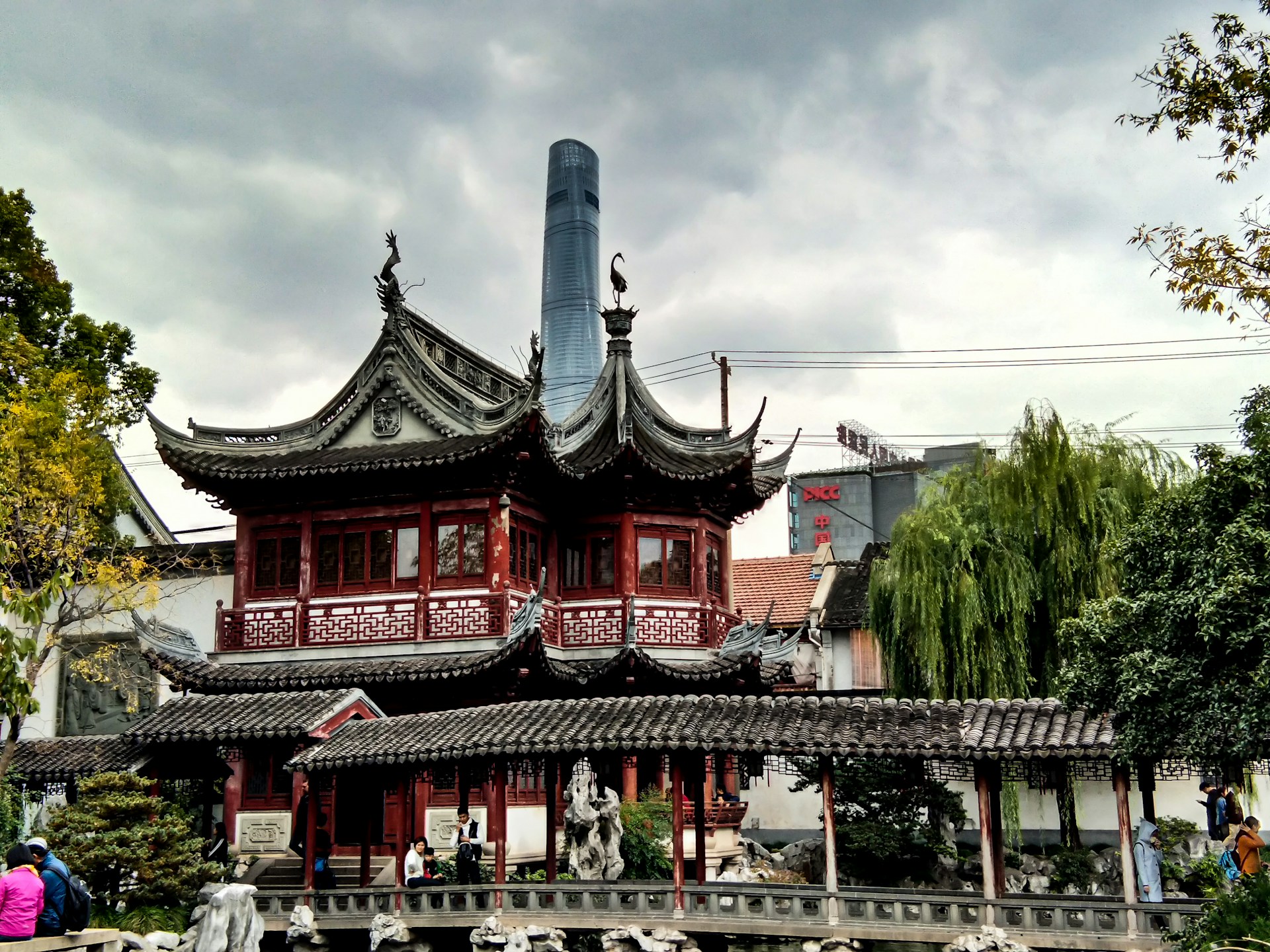
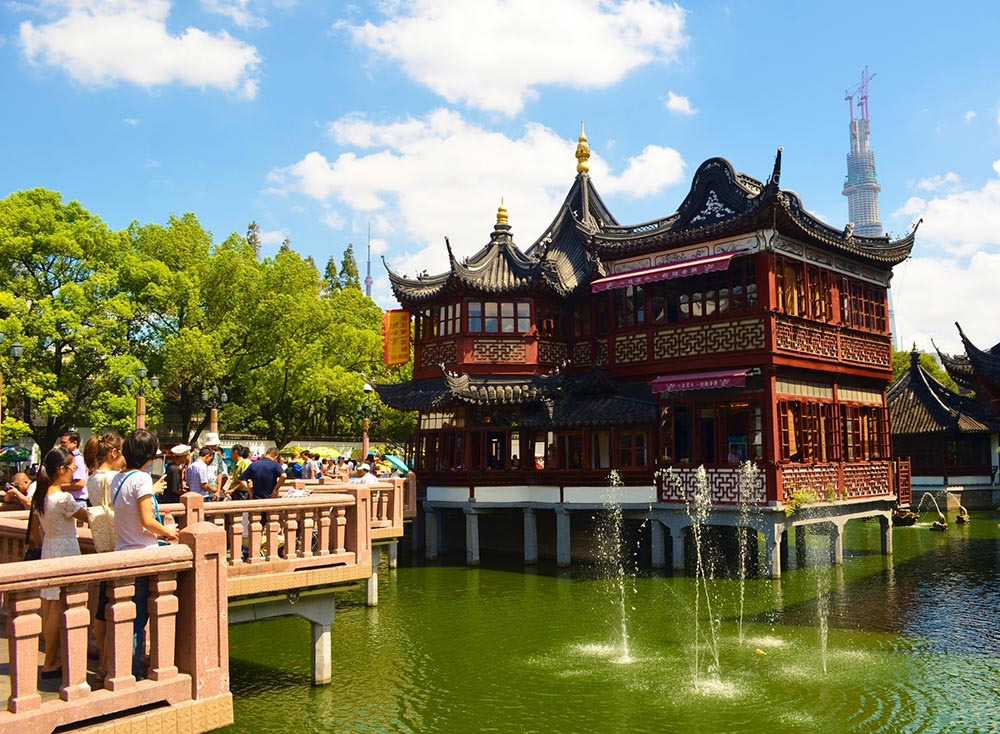
- Yu Garden and the old city: 20 minutes' walk south, Ming garden and traditional alleyways.
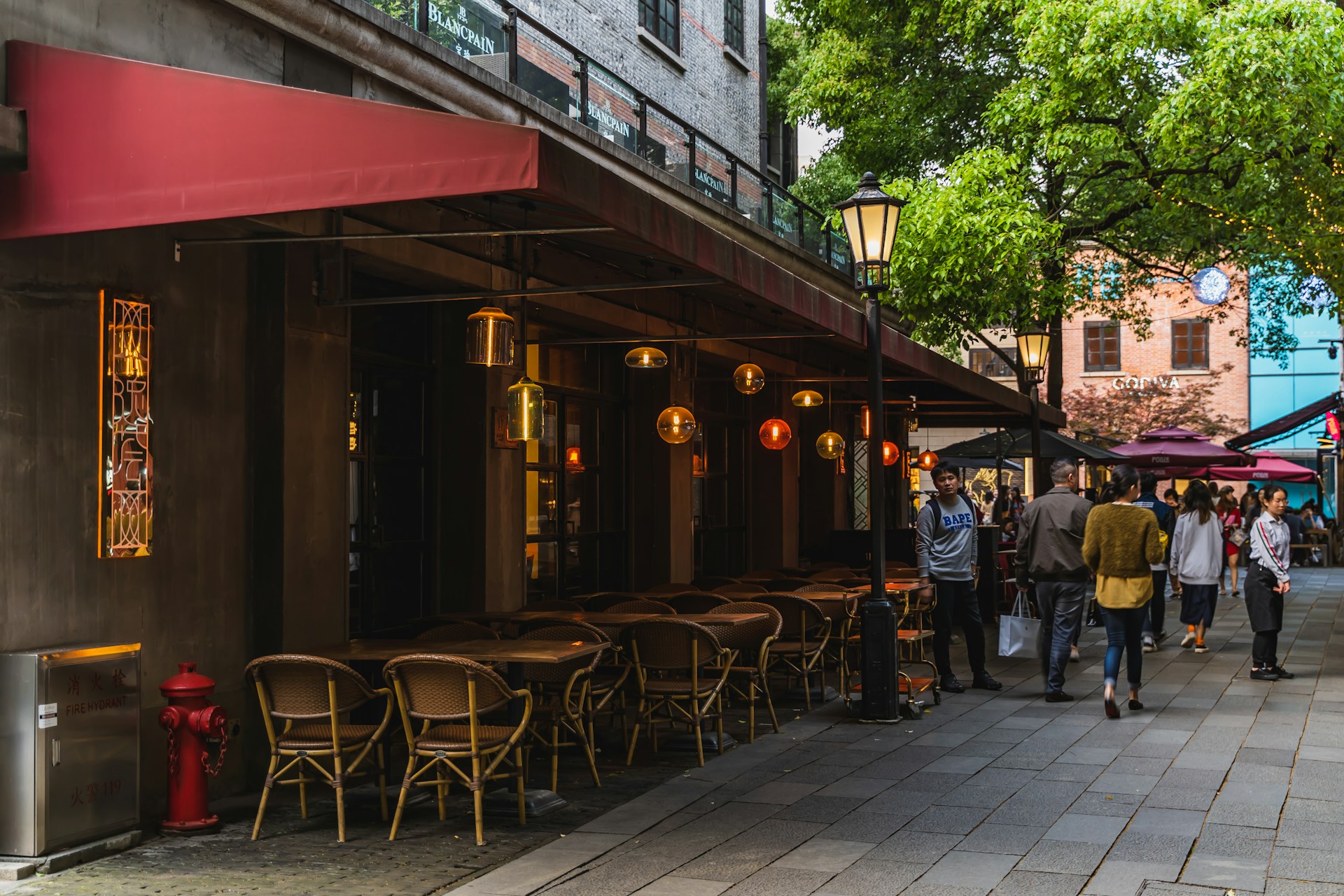
- French Concession: plane trees, Art Deco villas and cafés, one metro ride away.
To place the Bund within a broader itinerary, consult the Shanghai guide.
Frequently asked questions
Frequently asked questions
Allow 1 to 2 hours to walk the avenue from end to end. Plan for longer if you visit the halls of former banks or combine the promenade with Nanjing Road.
Early morning for an empty promenade and light on the colonial facades, sunset for the contrast with Pudong, and evening for the complete illumination of both banks.
Yes, the promenade is free and accessible 24/7. Only certain river crossings (tourist tunnel, cruises) are chargeable.
Three options: the metro (line 2), the ferry from Jinling East Street, or the tourist tunnel with its automatic train. The ferry remains the most economical and picturesque.
Both, for different reasons. Daytime showcases the colonial architecture; night reveals the illuminated Pudong skyline. Ideally, return at sunset to experience the transition.
Preparing your trip
The Bund is an almost mandatory stop on a Shanghai visit, to be included from day one to orient yourself around the city. To build a complete China itinerary, consult our bespoke China tours.
Photos
Nearby
Interested in this visit?
We can include it in your personalised itinerary.