Dongba Museum
Dongba Museum
Facing Black Dragon Pool Park in Lijiang, the Dongba Museum preserves Naxi hieroglyphic writing and over 12,000 objects from shamanic culture.
The Dongba Museum is dedicated to the culture of the Naxi, a people from northern Yunnan. Located opposite the north entrance of Black Dragon Pool Park, north of Lijiang, it houses writings, ritual objects and ethnographic collections related to dongba shamanism, one of the last living hieroglyphic traditions in the world.
Why visit the Dongba Museum
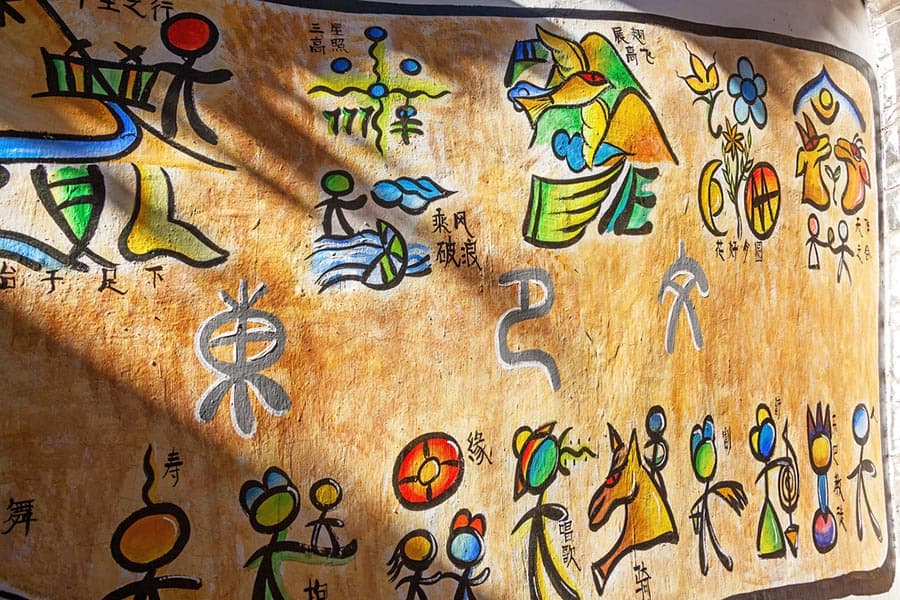
- See up close the dongba script, composed of 1,400 characters and symbols, considered the only hieroglyphic system still in use.
- Understand the shamanic religion of the Naxi through over 12,000 relics (paintings, costumes, sacrificial objects, plaques).
- Explore a heritage inscribed in 2003 in the UNESCO Memory of the World register.
- Enhance a stroll through Black Dragon Pool Park with a brief yet immersive visit to local culture.
History and cultural context
The Naxi people live primarily in the Yulong County, around Lijiang. Their culture has been organized for centuries around the dongba, both the name of the shamanic religion and the title of the shaman who performs its rites. These practitioners have transmitted orally and in writing a cosmology that blends nature worship, ancestor veneration and mythological narratives.
Dongba writing, pictographic in nature, serves to record these liturgical texts. It was inscribed in the UNESCO Memory of the World register on August 30, 2003 — a status that distinguishes documentary collections of universal interest, distinct from the conventional World Heritage list.
The museum was built in 1984, on the shores of Black Dragon Pool, to gather manuscripts and ritual objects and pass this knowledge to future generations. Abroad, the Library of Congress and Harvard University together hold over 4,000 volumes, making it the largest collection of dongba manuscripts outside China.
What to see
Quadrangular courtyard architecture
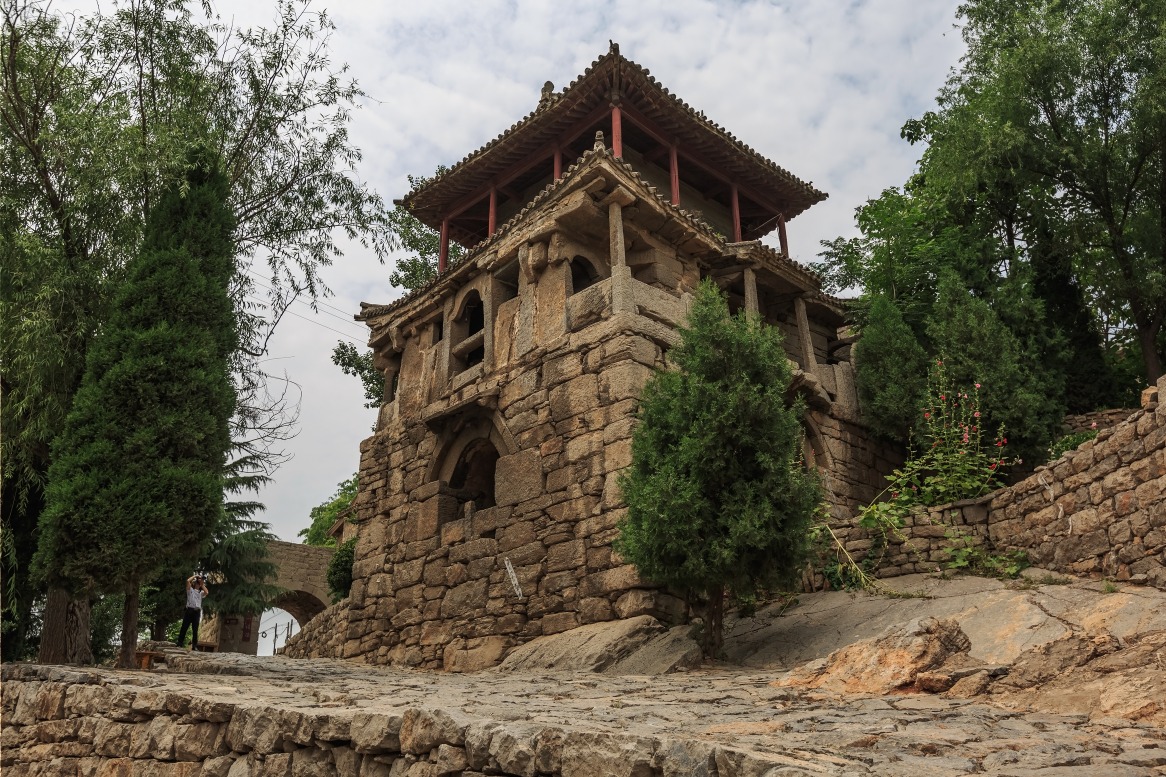
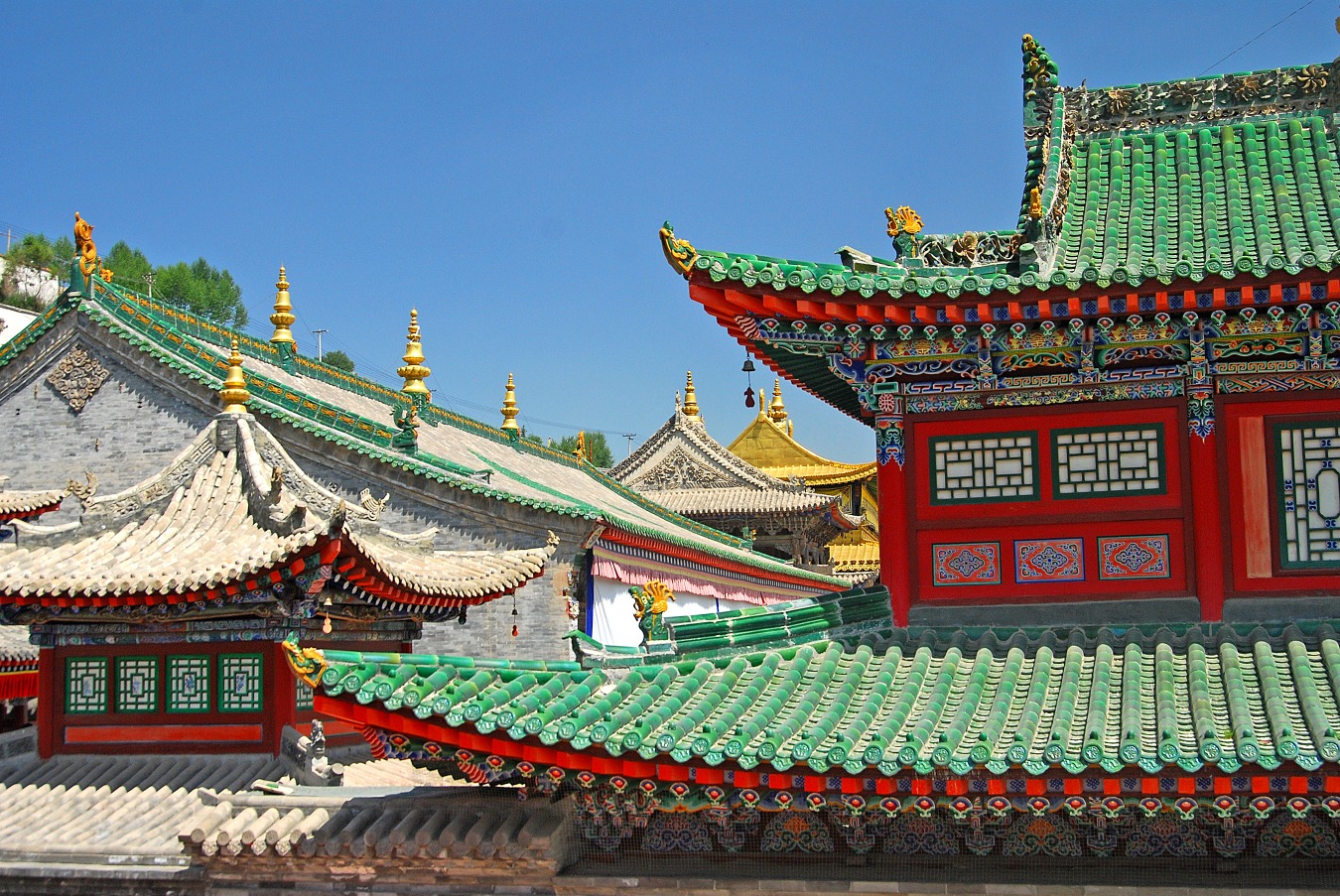
The building adopts the traditional Naxi structure, organized around a quadrangular courtyard. Carved wood, tile roofs, surrounding galleries: the edifice is as much part of the visit as the collections themselves.
Manuscripts and hieroglyphs
The heart of the museum lies in its manuscript collections. Dongba hieroglyphs cover diverse subjects: astronomy, geography, literature, art, religion, regional history. Explanatory panels help decode the pictographic logic of the script.
Ritual objects and Naxi daily life
Display cases gather religious paintings, votive plaques, ceremonial costumes, musical instruments and sacrificial objects used by shamans. The collection documents both rituals and domestic practices.
The writing workshop
A room is dedicated to the transmission of dongba script. Visitors can observe the tracing of characters and, on certain days, engage with facilitators.
Practical information
- Duration: allow 1 to 1.5 hours to explore the entire museum.
- Admission: modest entry fee, paid on-site.
- Hours: open during the day, generally from morning until late afternoon. Verify current opening hours at your accommodation, especially outside peak season.
- Languages: labels primarily in Chinese and English; an English-speaking guide facilitates understanding of religious content.
How to get there
The museum is located at the north entrance of Black Dragon Pool Park, about 1 km north of Lijiang's old town. Several options:
- On foot from the old town: 20 to 25 minutes' walk via northern streets.
- By bus: lines 3, 6, 7, 8 and 9, get off at the Black Dragon Lake stop.
- By taxi: short journey from the center, local rate.
Nearby attractions
The museum is part of a range of possible visits around Lijiang:
- Black Dragon Pool Park: just opposite the museum, a pool renowned for views of the snow-capped Yulong Range and its traditional pavilions.
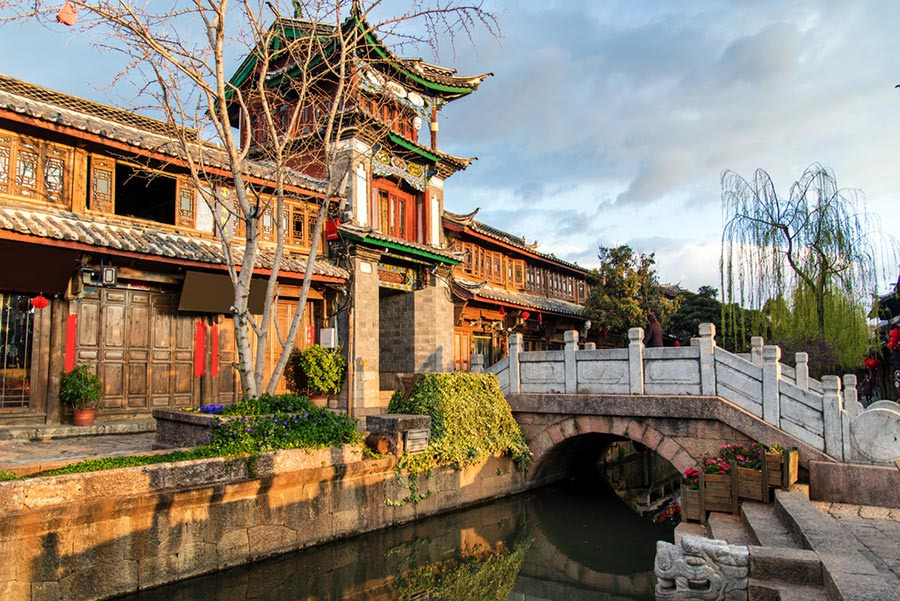
- Lijiang old town: cobbled streets, canals and Naxi architecture inscribed on the World Heritage list.
- Mingyong Glacier and Yunnan highlands: to extend the itinerary northward, see the Mingyong Glacier.
FAQ
Frequently asked questions
Yes. It's located at the north entrance of the park and the visit takes just an hour or so. It's the most direct opportunity to understand Naxi culture and dongba script, which you'll encounter throughout the region.
It's no longer used for everyday communication but remains alive in religious rites and heritage transmission. This is what qualifies it as the only hieroglyphic system still in use.
Dongba manuscripts are inscribed in UNESCO's Memory of the World register since 2003, which concerns documentary collections. It's a program distinct from the conventional World Heritage cultural and natural list.
It's not essential, but an English-speaking guide helps you grasp the religious and iconographic nuances that labels cover too briefly.
Year-round, as the museum is indoors. Spring and autumn remain the most pleasant seasons to combine a museum visit with a stroll around Black Dragon Pool.
Include the Dongba Museum in your journey
The Dongba Museum fits naturally into a stay in Lijiang, itself a departure point for Yunnan highlands, eastern Tibet or the Sichuan route. To build a bespoke itinerary blending Naxi culture, high-altitude landscapes and minority villages, explore our suggestions for travel in China.

Interested in this visit?
We can include it in your personalised itinerary.