Nanluoguxiang Alley
Nanluoguxiang Alley
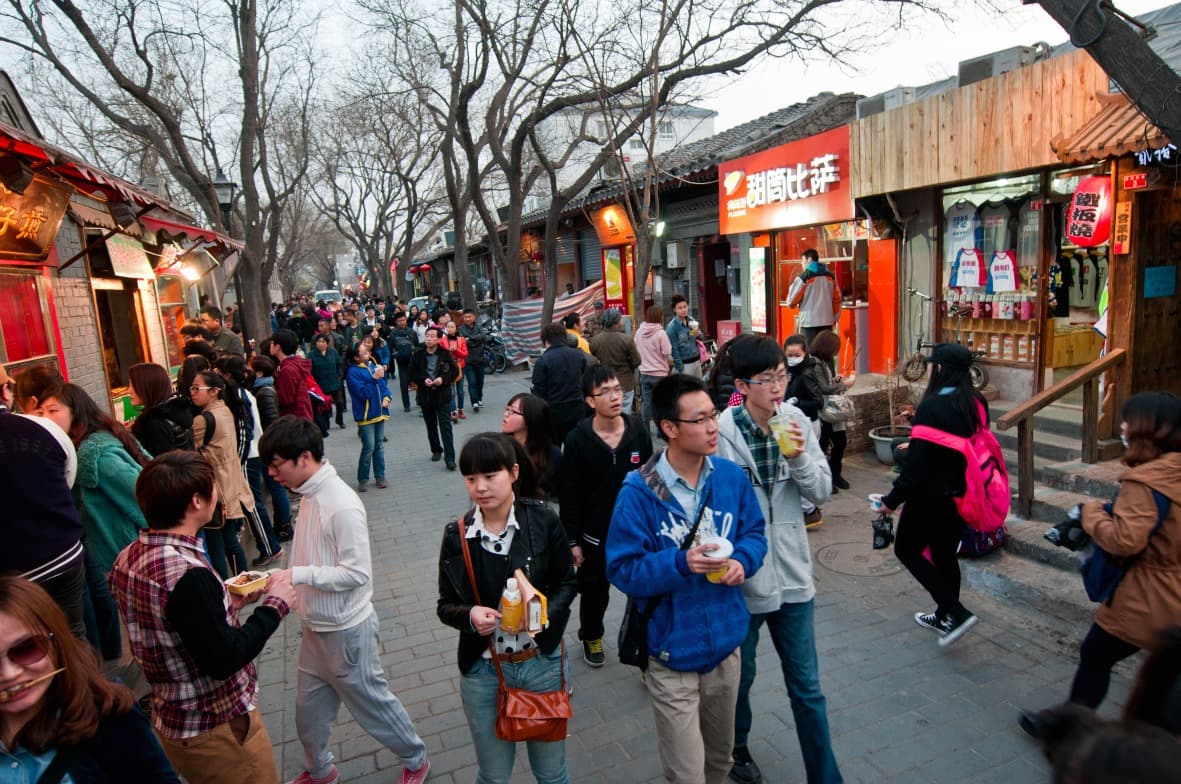
In Beijing, Nanluoguxiang Alley runs through one of the oldest hutong quarters, blending Yuan architecture, boutiques and word-of-mouth dining spots.
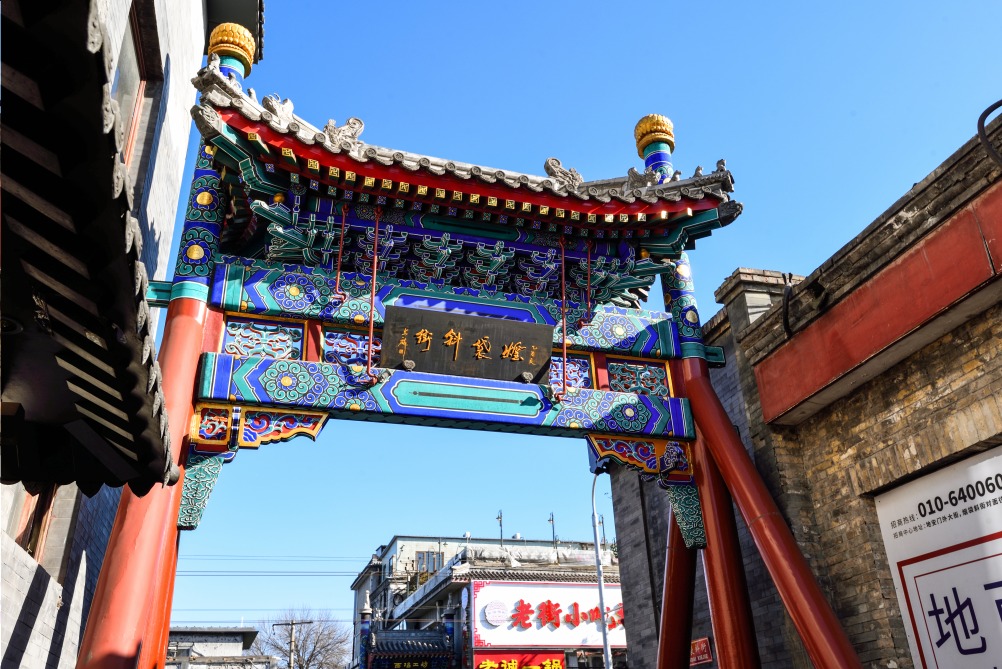
Nanluoguxiang Alley, nicknamed "the South Drum and Bell Alley", runs through one of Beijing's oldest hutong quarters. Stretching 787 meters long and 9 meters wide, it connects Gulou Street to the east with Di'anmen Street to the west, lined with courtyard houses, designer boutiques and local dining addresses.
Why visit Nanluoguxiang Alley
Nanluoguxiang offers a dense route where Yuan hutong architecture sits alongside contemporary commerce. The alley brings together in a single axis:
- an urban layout dating back to 1267, one of Beijing's best-preserved ;
- over 20 restaurants and 40 shops along the central artery ;
- several peaceful lateral hutongs, to explore on foot or by bike ;
- an ideal location for connecting the Drum Tower, Bell Tower and Houhai Lake.
Allow 1 to 2 hours to walk the alley, longer if you extend your stroll into the perpendicular hutongs.
History of the alley
The alley was laid out in 1267, during the Yuan dynasty (1271-1368), when Dadu, the former Mongol capital that became Beijing, was planned. The herringbone layout, with eight parallel hutongs on each side, remains visible today.
Under the Qing (1644-1911), the quarter housed residences of notable Manchu families, including the Sengs, whose name adorns several buildings still standing. In the 20th and 21st centuries, the alley gradually transforms into a commercial street. It is renovated for the 2008 Olympic Games, then converted into a pedestrian street following a project adopted in 2015, which significantly changed its atmosphere.
What to see on site
The Seng mansion and Lvsongyuan Hotel
At the southern entrance, the Seng mansion occupies the site of a former residence of a high-ranking Manchu family under the Qing. The complex is organized around several courtyards and traditional gardens. The ancestral hall has been converted into the Lvsongyuan Hotel, which preserves part of the original architecture and can be visited freely through its courtyards.
Ke Yuan Garden
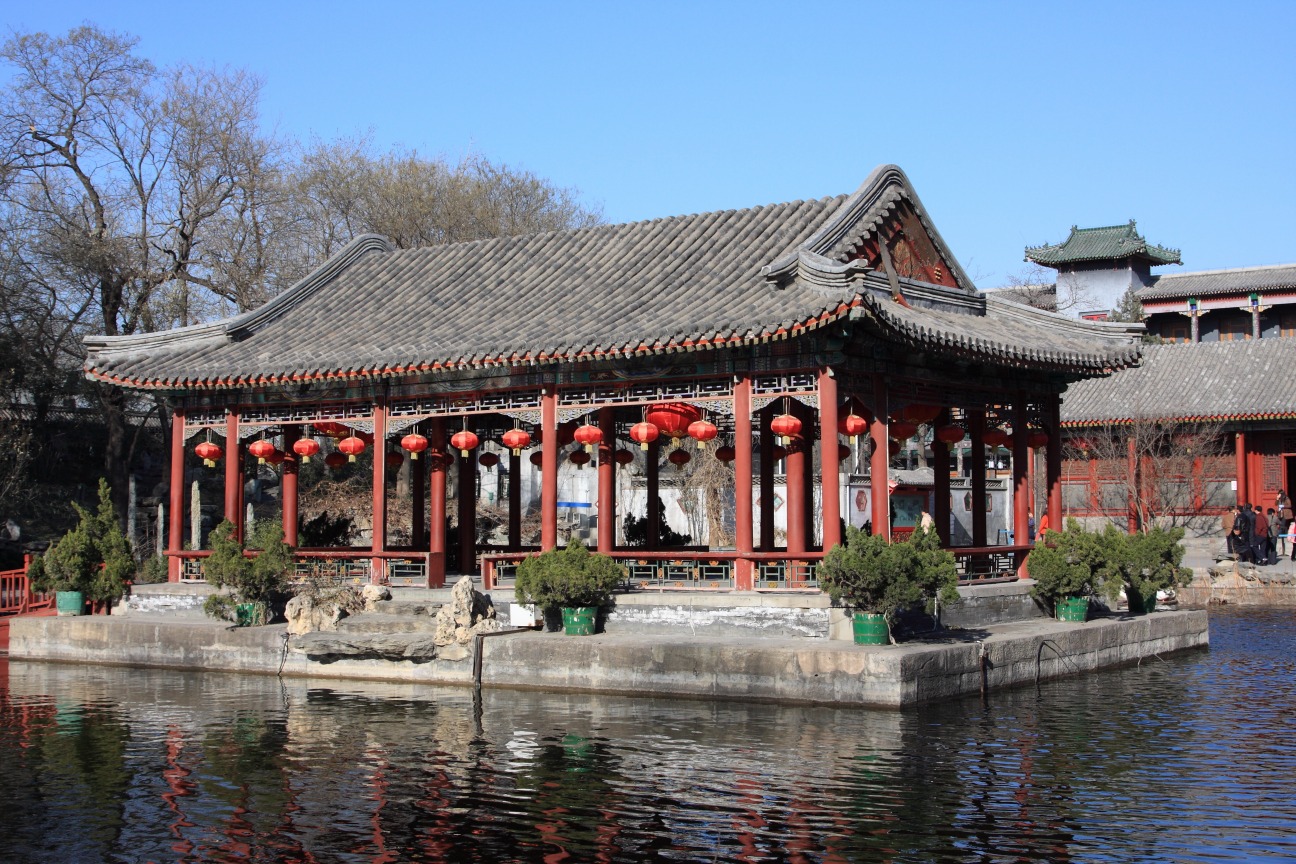
The Ke Yuan Garden is a private garden designed before 1861. It belonged to Wen Yu, a Qing official. Listed on Beijing's cultural relics register, it combines pavilions, rockeries and pools in the style of northern literati gardens.
The perpendicular hutongs
On either side of the main alley, sixteen lateral hutongs bear evocative names (Maoer, Yuer, Qianyuan, Banchang...) and house former residences of officials, writers and opera performers. These quieter side streets offer a more authentic reading of neighborhood life.
Practical information
- Access: pedestrian alley with free access, open 24/7.
- Shops: generally closed Mondays, open during the day and early evening the rest of the week.
- Restaurants and bars: continuous service until evening, with prices slightly higher than the neighborhood average due to foot traffic.
- Payment: mobile payment (WeChat Pay, Alipay) dominant; some places still accept cash.
When to visit
The alley is very crowded on weekends and during Chinese school holidays (Lunar New Year, May and October Golden Weeks). For a quieter visit, favor:
- a weekday morning, to enjoy the architecture without crowds ;
- late afternoon on weekdays, for the terrace atmosphere ;
- autumn (September-October) or late spring (April-May), Beijing's most pleasant seasons.
On Mondays, many shops close: prefer this day for an architectural walk rather than shopping.
How to get there
- Metro Line 6: Nanluoguxiang station, exit E, opening directly onto the northern end of the alley.
- Metro Line 5: Beixinqiao station, exit D, then a few minutes' walk; or Zhangzizhong station, exit A, and about 15 minutes on foot.
- Bus: lines 108 or 201, Bingmasi stop; lines 104, 107, 113 or 204, Jiao Dao Kou stop.
- By bike: numerous bike-sharing stations dot the surrounding streets.
Nearby
- Drum Tower and Bell Tower: 5 minutes' walk to the northwest.
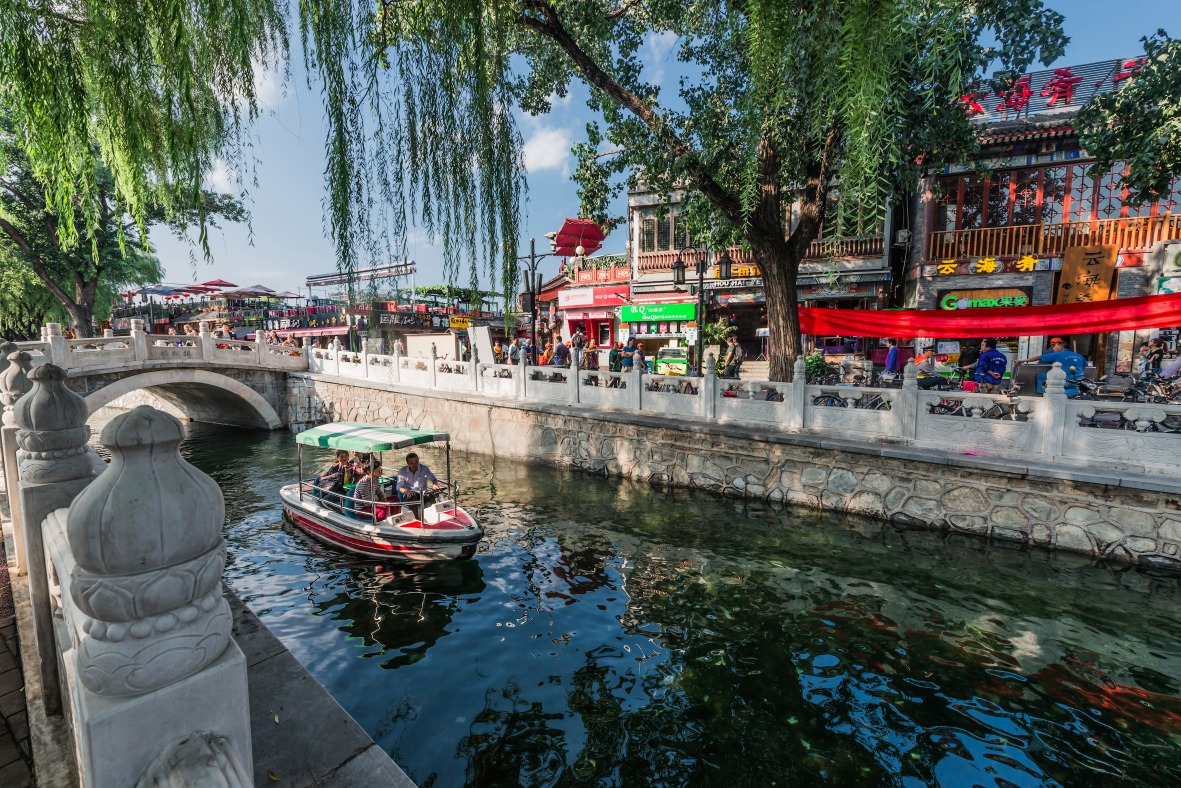
- Houhai Lake and Shichahai: 10-15 minutes' walk, to extend your stroll by the water.
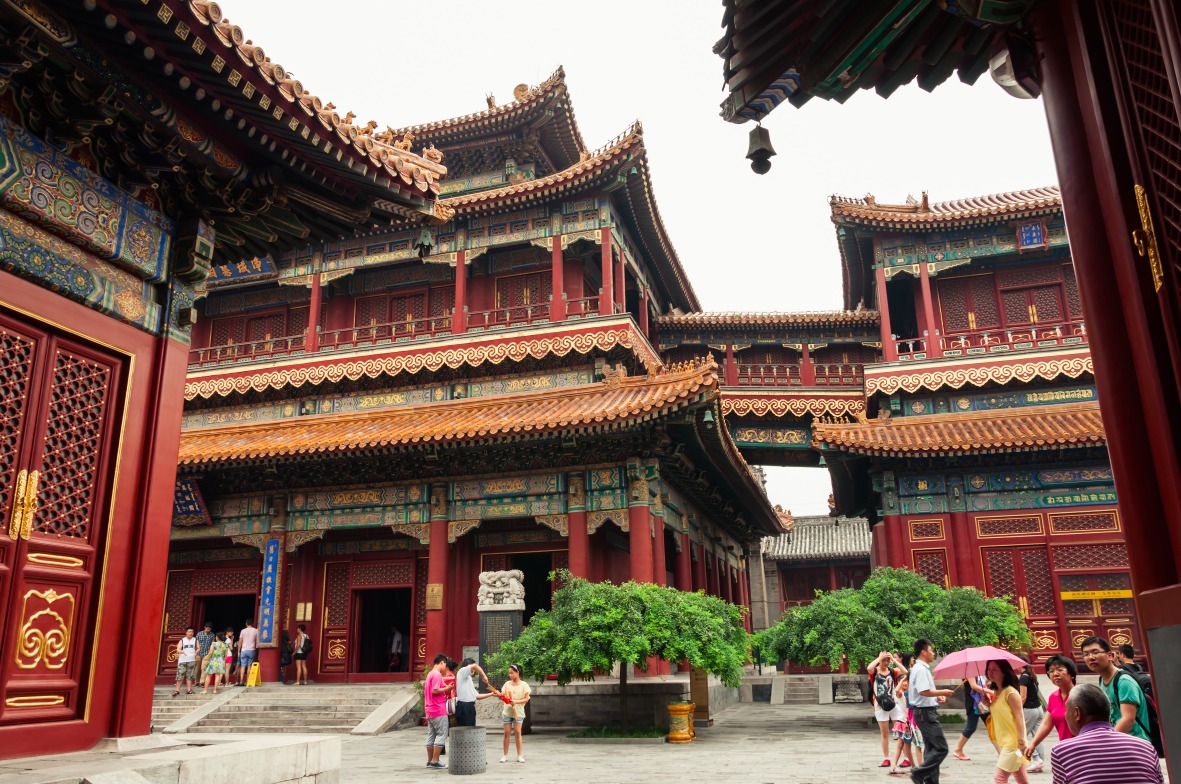
- Lama Temple (Yonghegong): about 1.5 km to the east, accessible within minutes by metro.
- Forbidden City: 30 minutes' walk south, crossing historic hutongs.
To plan a full itinerary, consult our Beijing guide and our suggestions for attractions in Chine, such as the Great Wall at Juyongguan.
Frequently asked questions
Frequently asked questions
Allow 1 to 2 hours to walk the main alley, and 3 to 4 hours if you explore the lateral hutongs and nearby sites such as the Drum Tower or Houhai Lake.
Yes, access to the alley is free. Only certain visits to historic residences or gardens, such as Ke Yuan Garden, may require a modest entrance fee when open to the public.
Weekday mornings offer the calmest experience. Late afternoon is more lively, with a vibrant neighborhood atmosphere; weekends are best avoided if you dislike crowds.
No, many shops close on Mondays. Restaurants and bars, however, remain mostly open throughout the week.
Yes, the alley easily fits into a day devoted to hutongs, the Drum Tower, Houhai Lake or the Lama Temple, all accessible on foot or within a few metro stops.
Prepare your trip
Nanluoguxiang offers one of the most accessible entry points into the world of Beijing hutongs. To include it in a complete itinerary between Beijing, the Great Wall and imperial cities, consult our tailor-made trips to Chine designed by our specialists.
Nearby
Interested in this visit?
We can include it in your personalised itinerary.