Nanping Historic Village
Nanping Historic Village
An Anhui Huizhou settlement with 72 lanes and 36 wells, Nanping preserves 300 Ming and Qing residences and eight ancestral halls, away from the crowds of Hongcun.
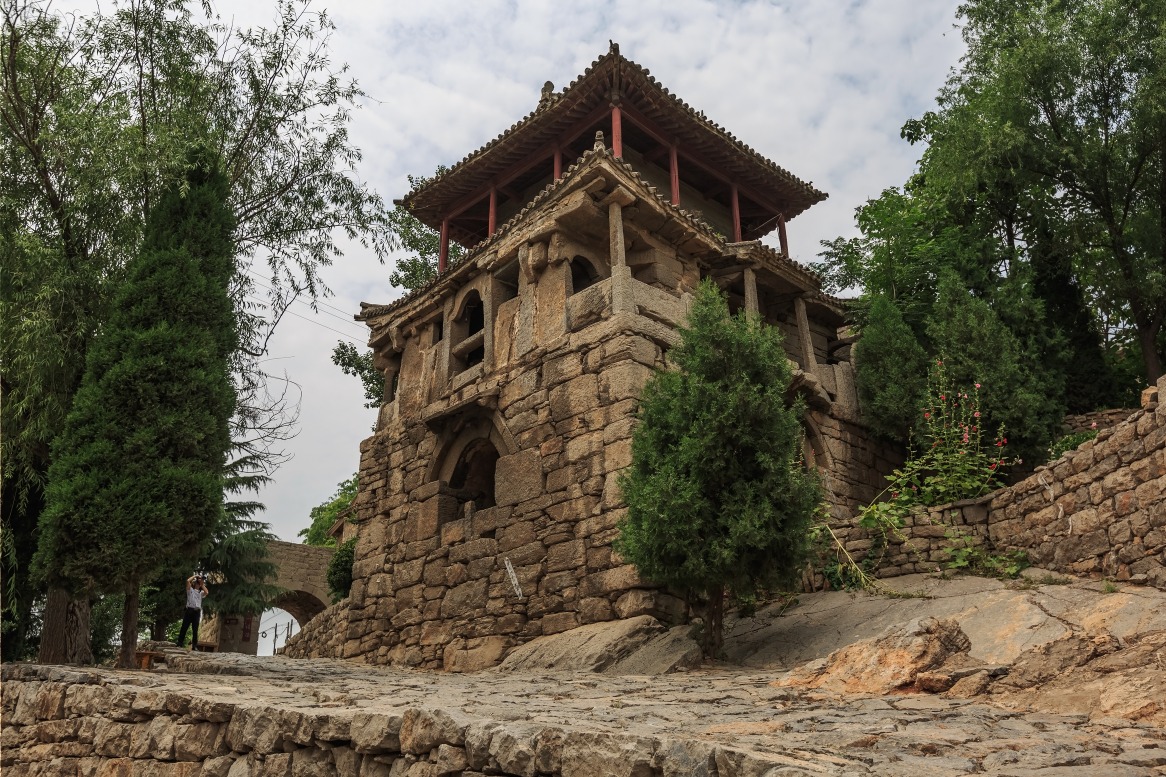
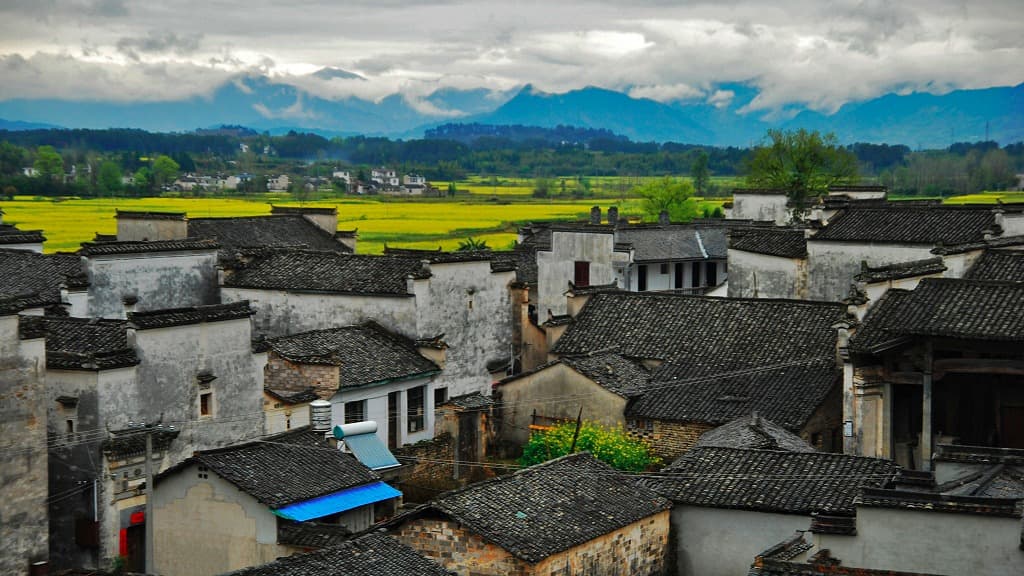
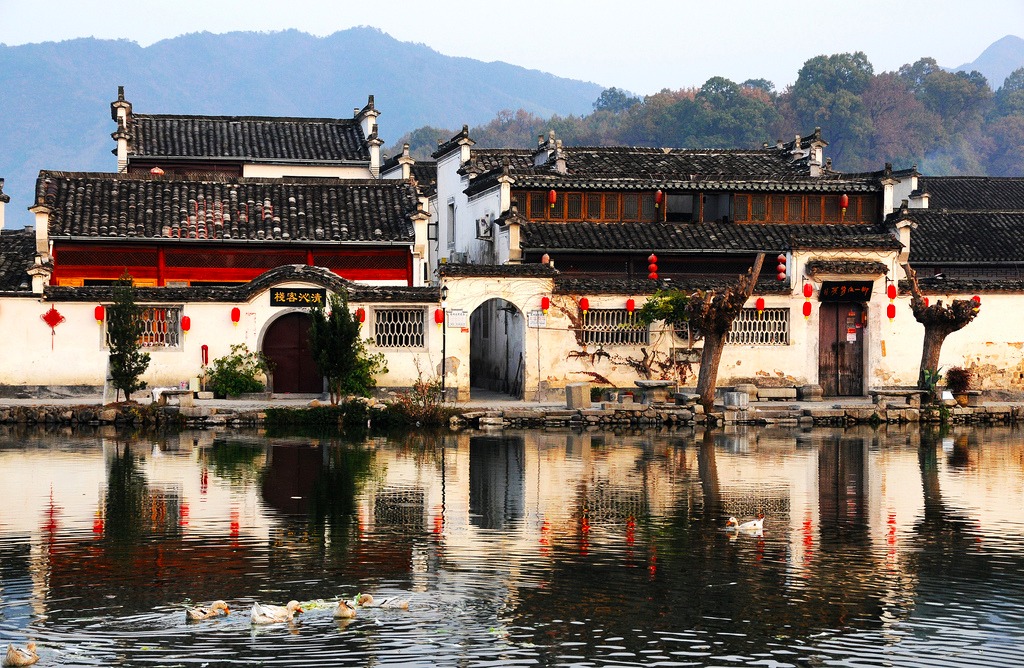
The village of Nanping lies in the Wannan region, on the edge of Yixian County, 62 km from the city of Huangshan. It spreads at the foot of Nanping Mountain, from which it takes its name. This ancient Huizhou settlement preserves a remarkably intact feudal urban layout: 72 interwoven lanes, 36 wells, eight ancestral halls aligned along a 200-meter axis, and approximately 300 residences from the Ming and Qing dynasties, home to barely 1,000 inhabitants today.
Why Visit Nanping
About thirty kilometers from Hongcun and Xidi, two UNESCO-listed Huizhou villages now overrun with visitors, Nanping offers a quieter yet equally authentic alternative. The village has barely altered its urban layout since the Ming period, and tourist traffic remains modest, allowing you to wander the lanes and enter clan houses without crowds.
Film enthusiasts know it as a shooting location: Ang Lee filmed several scenes of Crouching Tiger, Hidden Dragon here, the first Chinese film to win four Oscars at the 73rd Academy Awards in 2001, and Zhang Yimou shot Judou in the village. Several houses still display panels and accessories related to these productions.
Village History
Nanping was founded during the Yuan dynasty (1271–1368) by the Ye family. Under the Ming, two other lineages, the Cheng and Li, settled here and partnered with the Ye to develop the settlement. The three families coexisted by dividing economic and ritual functions, each maintaining its own ancestral hall.
The village reached its peak under the Qing, when Huizhou merchants traded salt, tea, and timber as far as the great cities of the Yangtze Delta. The fortunes brought back to the village were invested in clan residences, ancestral temples, and private schools, most of which survive to this day.
What to See in Nanping
The Xuzhi Temple
The ancestral hall of the Ye family and the largest building in the village, Xuzhi Temple was constructed between 1465 and 1487. Facing west, it rests on 80 wooden pillars and is organized into three superimposed spaces: a music and theater hall on the ground floor, a worship space in the middle, and an upper floor for storing the commemorative tablets of ancestors. At the entrance, two stone drums mark access to the sanctuary.
The Eight Ancestral Halls
Eight ancestral halls, clustered along a 200-meter axis, continue to structure the village's social fabric. Each founding family—Ye, Cheng, and Li—maintains a building where ritual ceremonies, clan assemblies, and seasonal festivals took place. This ensemble constitutes one of the best-preserved arrays of clan temples in Anhui.
Schools, Gardens, and Residences
Beyond the temples, Nanping preserves several remarkable civic buildings: the Li family's private school, the Muxian hall, the Bingling pavilion, and the Nanxun villa. The 300 Ming and Qing residences exemplify the typical Huizhou style: black tile roofs, whitewashed gable walls, openwork stone windows, and intricately carved wooden beams and columns.
The 72 Lanes and 36 Wells
The village's layout follows a defensive and clan-based logic. Seventy-two winding lanes intertwine without alignment, and a well was dug at each major intersection—36 wells in total—ensuring water autonomy for each family quarter. Getting lost in these narrow streets is part of the visit's charm.
Practical Information
- Visit duration: allow 2 to 3 hours to leisurely explore the lanes, Xuzhi Temple, and the main ancestral halls.
- Admission: paid entry to the village at a moderate rate. Combination tickets with Hongcun and Xidi are sometimes offered on-site.
- Hours: open during daytime hours, typically from morning through late afternoon.
- On-site: local English-speaking guides available at the entrance.
When to Visit
Southern Anhui experiences a humid subtropical climate. The best times to visit Nanping are spring (April–May) and autumn (October–November), when temperatures are mild and rainfall moderate. Summer is hot and humid, punctuated by storms, while winter remains cool and misty, which can lend the lanes an evocative atmosphere but limits light for photography.
How to Get There
From Huangshan city (Tunxi), take a long-distance bus to Yixian Coach Station, then a local bus or taxi to reach Nanping, about ten kilometers away. Huangshan-Tunxi Airport and Huangshan-North high-speed railway station are the main regional gateways from Shanghai, Hangzhou, or Hefei.
Nearby Attractions
Nanping is part of a cluster of Huizhou villages best explored over two to three days:
- Hongcun, about twenty kilometers away, famous for its ox-shaped layout and Yuezhao pond, also a filming location for Crouching Tiger, Hidden Dragon.
- Xidi, another UNESCO-listed Huizhou village, renowned for its carved archways and merchant residences.
- Mount Huangshan, a range of granite peaks on the world heritage list, about an hour and a half's drive away.
Frequently Asked Questions
Frequently asked questions
Half a day is enough to walk the lanes, visit Xuzhi Temple, and see a few ancestral halls. Plan a full day if you want to photograph the village and have lunch there.
Both villages complement each other well. Hongcun is better known, more polished, but also more touristic. Nanping receives fewer visitors and retains a more authentic residential atmosphere. If time allows, visit both on the same day.
A few family guesthouses housed in Ming or Qing residences welcome travelers. Accommodation is limited, and many visitors prefer to stay in Hongcun, Xidi, or in Huangshan city itself.
Yes. Several scenes from Ang Lee's 2000 film were shot in Nanping's lanes and courtyards. The village also hosted filming for Judou by Zhang Yimou.
Plan Your Trip
Nanping integrates naturally into an itinerary through Anhui combining Huizhou villages and a climb up Mount Huangshan. To build a bespoke itinerary including this region and other sites across the country, explore our China travel packages.
Interested in this visit?
We can include it in your personalised itinerary.