Guangdong
Name : Guangdong
Chinese name : 广东 (guǎng dōng)
Status : Province
Capital : Canton (Guangzhou)
Population : 106,440,000 inhabitants (2013)
Area : 177,900 km²
Long isolated from the rest of Chine by the mountainous terrain surrounding it, Guangdong province has capitalized on its resources to dynamize itself and quickly become one of the largest and wealthiest regions in the country. Today, with a GDP of 6,220,000 million yuan, Guangdong is a region experiencing rapid economic growth. Its major cities attract numerous business leaders from around the world for commerce more than for its tourist attractions. Nevertheless, Guangdong knows how to captivate travelers through several unmissable natural and historical sites.
History
Southern gateway to Chine, Guangdong has established contact with the outside world for over a millennium. The Romans were among the first foreigners to set foot on the territory as early as the 2nd century, and under the Tang dynasty (618-907), a flourishing trade with the Middle East and Southeast Asia was already established, with Arab merchants visiting regularly.
In 1514, Portuguese navigator Tomé Pires reached the city and gave it the name Canton. The British, for their part, made their entrance in the 17th century with ships of the East India Company. In 1757, an imperial edict granted the Cohong (merchant guild) a monopoly on trade with foreigners, who were required to remain on Shamian Island. Economic exchanges were conducted in China's favor until 1773, when the British landed 1,000 crates of Bengal opium in Canton. Addiction to this drug spread throughout the country like wildfire, later triggering the Opium War.
Guangdong distinguished itself in the 19th century as a hotbed of rebellion. Thus, the Taiping Rebellion (1848-1864), led by the mysterious Hong Xiuquan, attempted to overthrow the ruling dynasty and establish a "kingdom of heavenly peace," before being crushed with the help of foreign powers.
In the 20th century, Guangdong experienced its share of hardships and successes, housing both the headquarters of the Nationalists and the Communist Party, and suffering particularly from the Cultural Revolution. However, it was the first province to benefit, after 1978, from Deng Xiaoping's "Open Door" policy, thanks to the creation of the Special Economic Zones of Shenzhen, Zhuhai, and Shantou. Guangdong is today a major center for the export of computers, clothing, and household goods.
Today
Guangdong is recognized for occupying the fertile delta of the Pearl River, where the first foreign merchants landed in Chine and the Silk Road began. Guangdong quickly learned to benefit from the outside world to become a province where commerce reigns supreme.
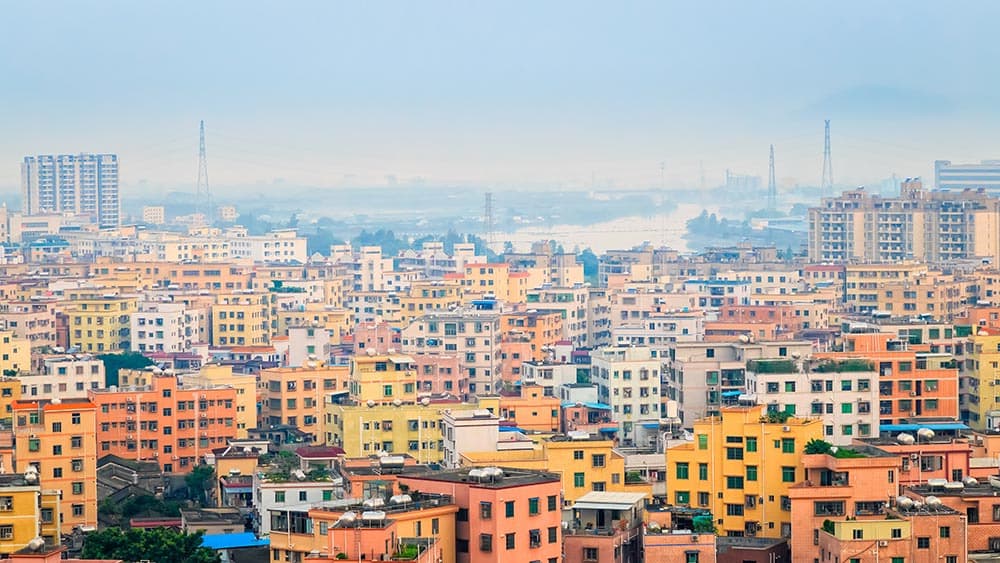
Its proximity to Hong Kong has fostered commercial exchanges that quickly propelled the region's commercial activities. Since then, landscapes and mountainous terrain have gradually given way to increasing urbanization, factory smoke, and gigantic infrastructure. Guangdong can today be considered a reflection of modern Chine and emerging urbanism with all the constraints it entails.
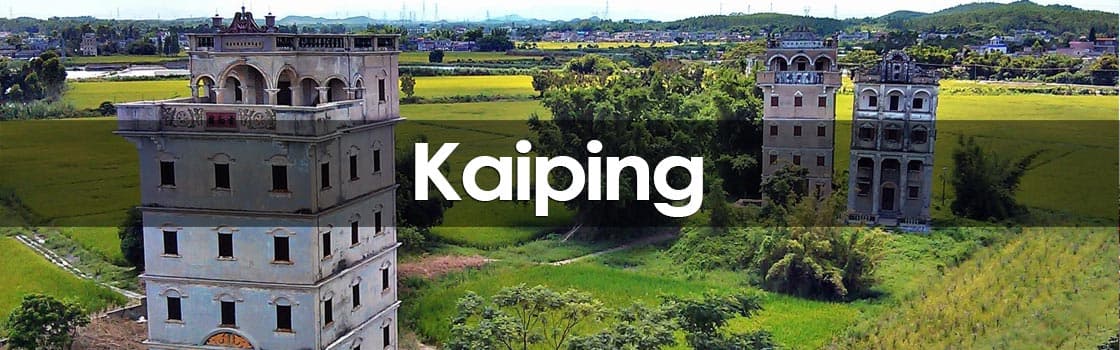
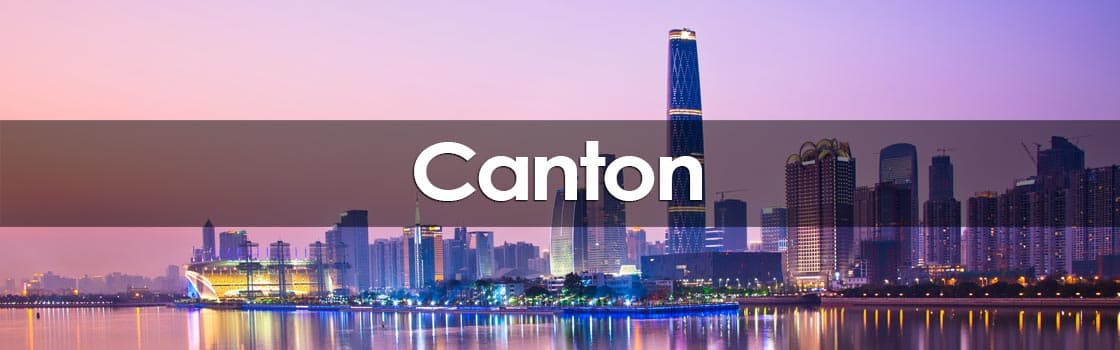
Despite its strong growth, the region has managed to preserve some interesting sites and develop its cities while maintaining its cultures and traditions. The capital Guangzhou is a hub of Chinese gastronomy renowned throughout the world. Kaiping stands out for its watchtowers with unique architectural style. Certain natural sites such as the Danxia Mountains or Mount Luofu are still perfectly preserved and delight nature-loving tourists.
Still very independent, Guangdong distinguishes itself perfectly through its specific language, Cantonese, its world-famous cuisine, and its historical and cultural monuments still intact. The region's wealth remains largely unsuspected by the many passing tourists but delights the most curious.
Events
Guangdong stands out particularly for its numerous local celebrations. The "Dragon Boat" Festival is particularly impressive in Guangdong, which uses the Pearl River to celebrate the arrival of summer heat and ward off the fate of disease demons and epidemics to come. Guangzhou is today recognized for its famous international import-export fair, the Canton Fair, which takes place twice a year in April and October. This fair, which runs for three weeks, attracts thousands of business leaders and merchants who take advantage of this business trip to visit and discover the hidden beauties of Guangzhou. Each year in October or November, the "Guangzhou International Food Festival" is also held. A celebrated tourist festival dedicated to food, it also offers numerous entertainments. The Yangjiang Kite Festival attracts kite enthusiasts every year. For the delight of Chinese and foreign tourists, this colorful festival offers an impressive aerial spectacle.
Climate
The changing subtropical climate of Guangdong is characterized by cold and rainy winters followed by long humid summers. The average annual temperature is around 22°C. The coldest month (January) shows an average temperature of 13°C while the warmest month (July) reaches an average temperature of 28°C with a very high humidity level causing an unpleasant sensation of stuffiness.
The rainy season typically lasts from April-May to September, and frequent typhoons occur between July-August and October. The most favorable periods to discover the province are the late autumn (October-November) and early spring (March-April). Temperatures and humidity levels are bearable and allow for a more enjoyable appreciation of visits.
How to Get There
Guangdong is a region particularly well served by transport and infrastructure. The province benefits from an extensive network of roads and railways. Trains serve to the north Hunan province via Shaoguan, to the east Meizhou, Shantou, and Fujian province, to the west Guangxi province via Zhaoqing. Hydrofoils also connect the Pearl River delta to Hong Kong. Frequent buses serve all these destinations and others, but they offer less comfort than rail. Finally, there are flights between all the major cities in the region.
Guangzhou today has a very large international airport and numerous stations with high-speed trains.
Language
Guangdong has its own dialect. The majority of Guangdong's inhabitants speak Cantonese. Although this Chinese dialect, distinct from Mandarin, enjoys less prestigious status than the national language, it is in fact older, and classical poetry sounds better when pronounced in Cantonese. Cantonese uses 6 tones while its cousin Mandarin has "only" 4.
What to Do in Guangdong?
- Taste the multiple flavors of Cantonese cuisine in Canton (Guangzhou).
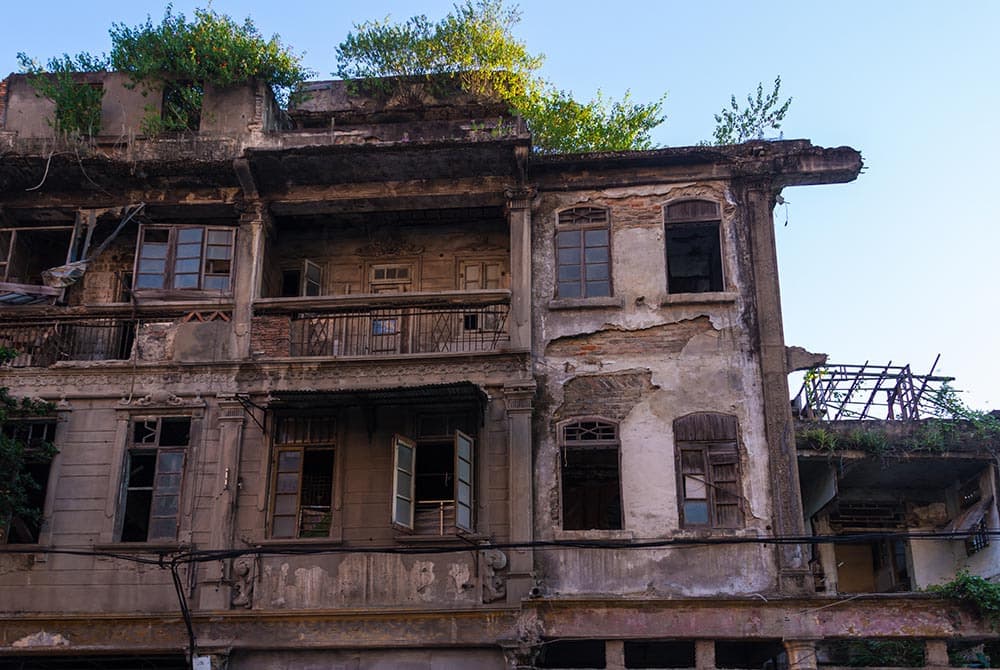
- Discover the colonial architecture of Shamian Island.
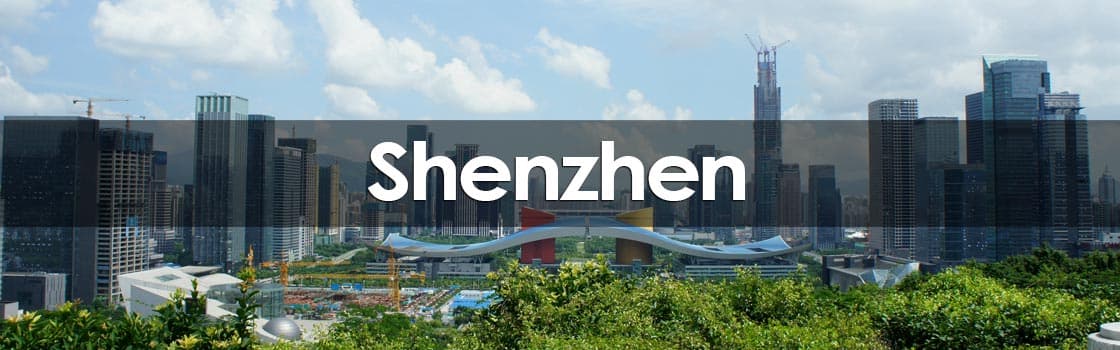
- Experience the trendy bars and karaoke of Shenzhen.
- Immerse yourself in the history of the diaolou towers of Kaiping.
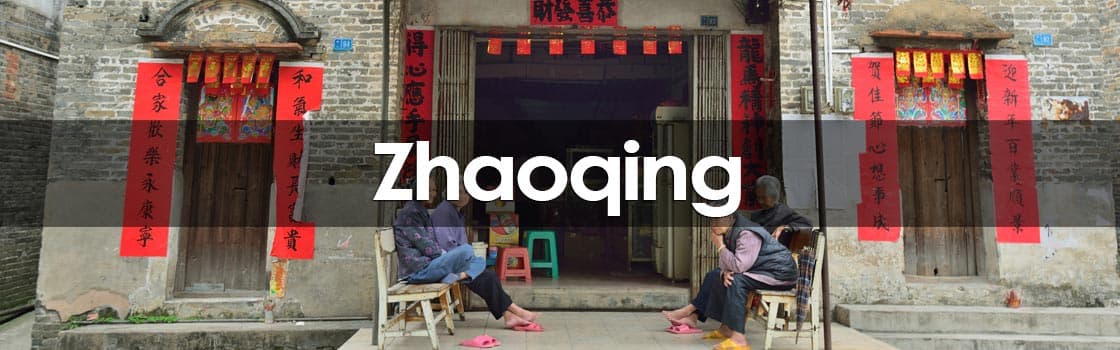
- Relax around the lakes of Zhaoqing, nicknamed "Little Guilin."
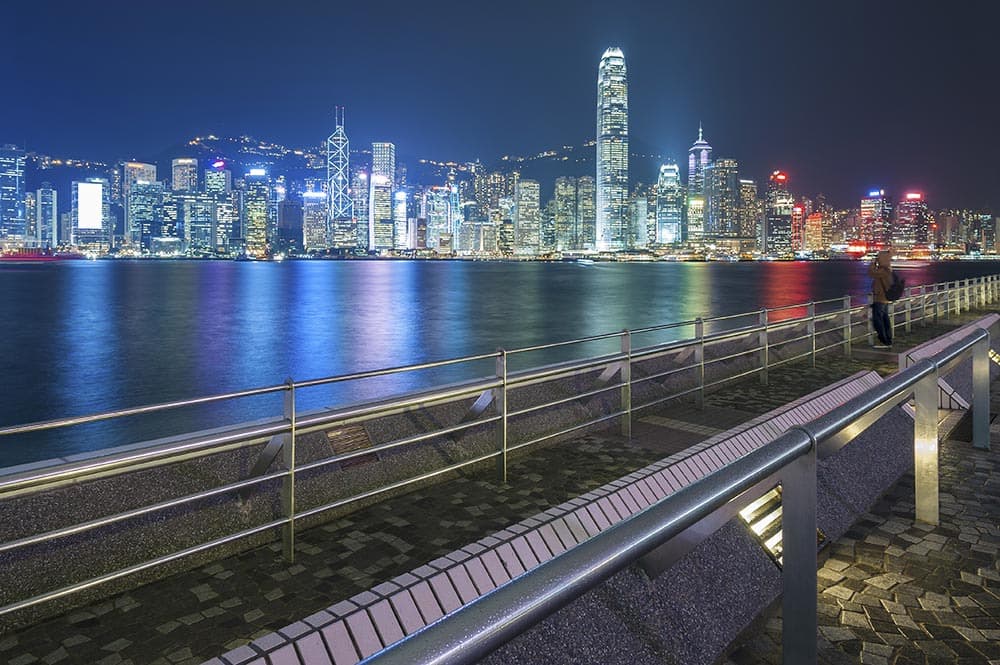
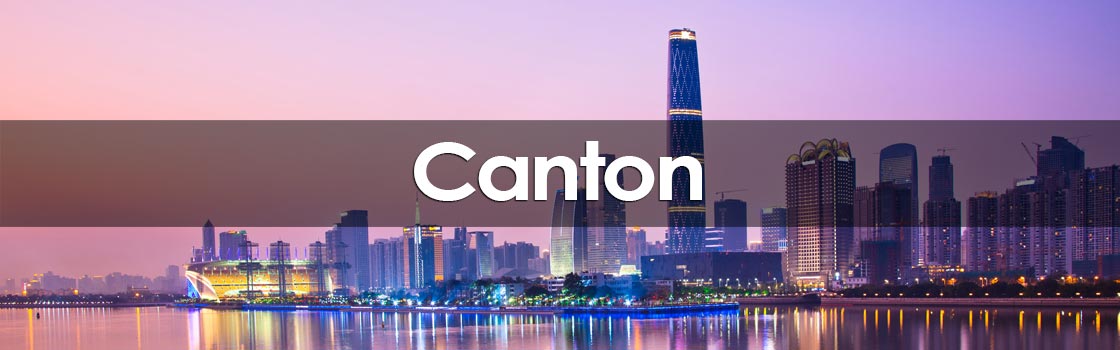
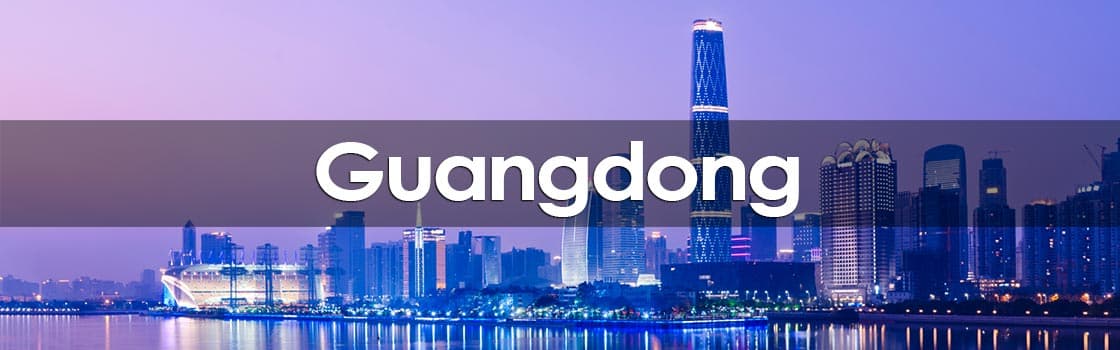
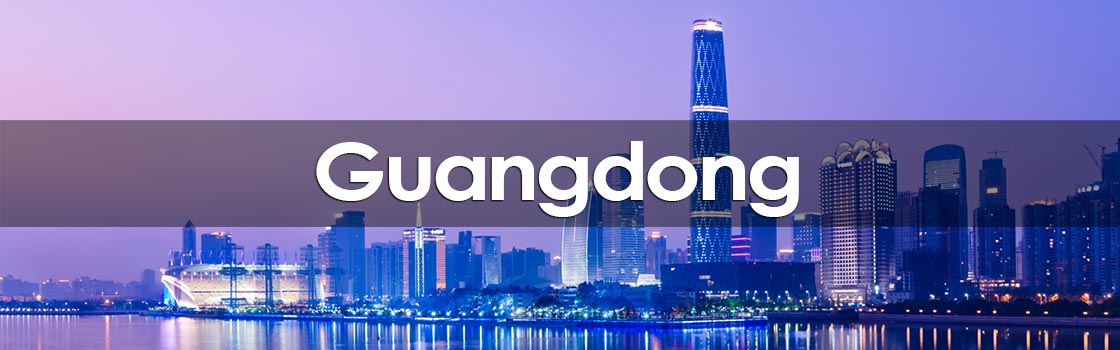
- Enjoy a short cruise at dusk on the Pearl River to admire the lights of the skyscrapers.
- Enjoy nature through hiking and discover the different mountains of the region.
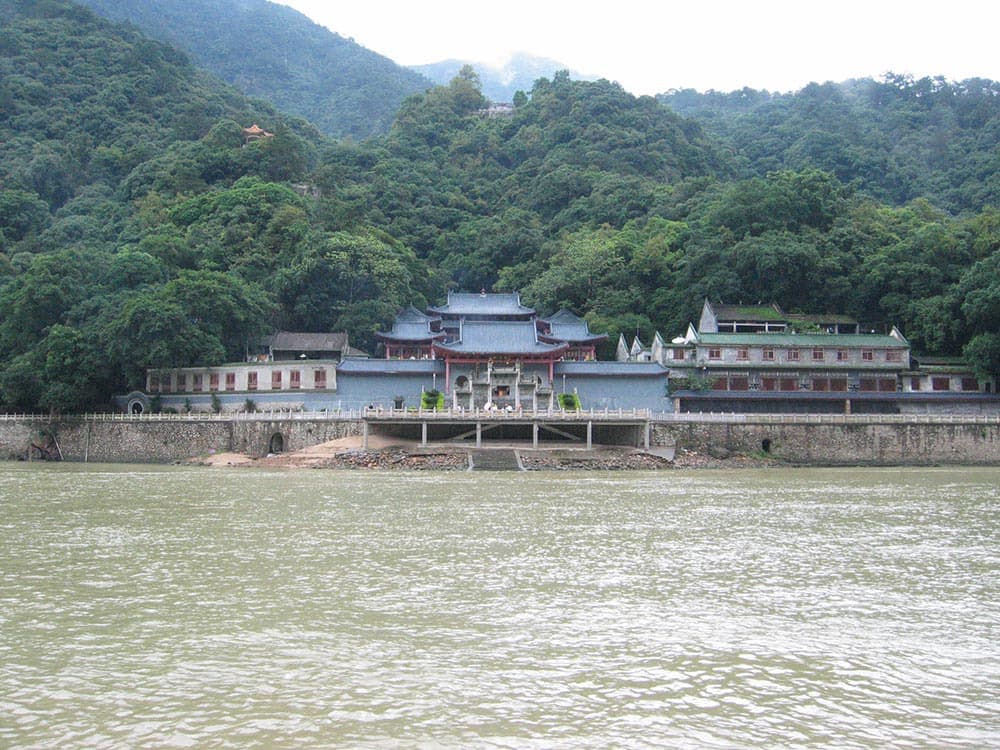
- Appreciate Chinese culture by visiting ancient temples and the Sun Yat-sen Residence.
Main Cities