Qingyuan
Qingyuan
Nicknamed the garden of Canton, Qingyuan showcases the Feilai temples, Qingxin hot springs and Yao villages just two hours from Guangzhou.
Name: Qingyuan
Chinese Name: 清远
Province: Guangdong
Status: Prefecture-level City
Population: 13,698,394 inhabitants
Area: 19,000 km²
Located in the northern part of Guangdong province, the city of Qingyuan borders Hunan to the north and Guangxi to the northwest. This major city offers much to visitors with abundant natural resources, a warm-hearted population, and stunning landscapes. Its pristine environment and proximity to the provincial capital, Guangzhou, earned it the reputation of being the garden of Canton and the Pearl River.
History
During the Qing Dynasty (220 BC–206), the Qingyuan region was primarily inhabited by ancient minorities of South Chine, including the Bai Yue. The Han Dynasty (206–220 AD) subsequently settled here.
The current prefecture-level city of Qingyuan was established in 1988.
Today
Qingyuan is primarily an industrial city that serves as an important transit point to Guangdong from neighboring provinces. Composed of office buildings, factories and warehouses, the city itself holds limited appeal, yet its surrounding nature—a river valley, mountains and pine forests—creates a pleasant haven of tranquility.
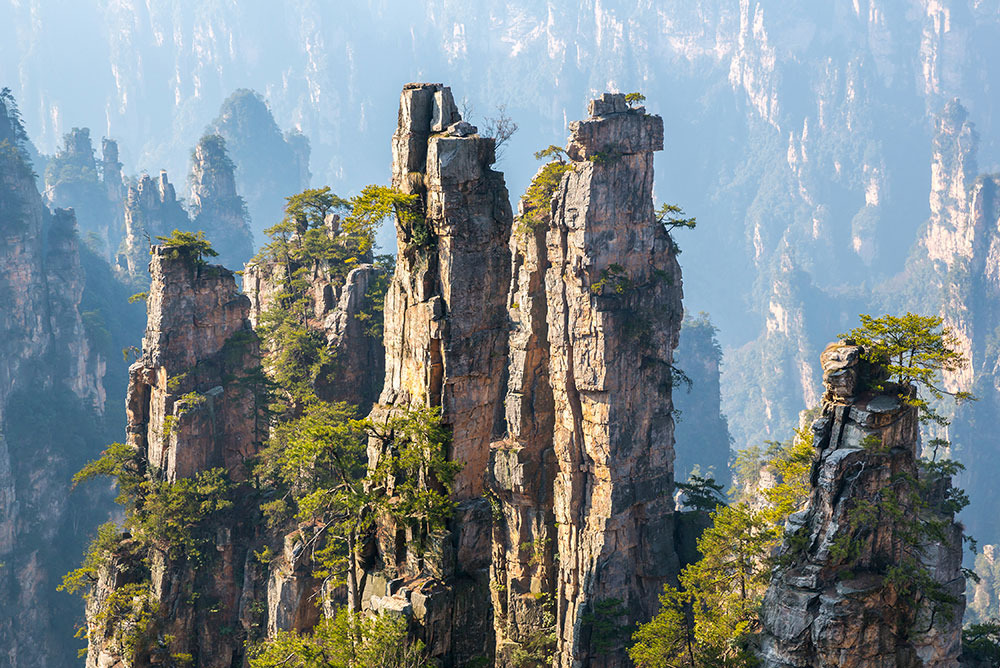
Situated between the Pearl River Delta and the mountainous region of northern Guangdong, Qingyuan benefits from unique topography where hills, mountains and karst peaks coexist.
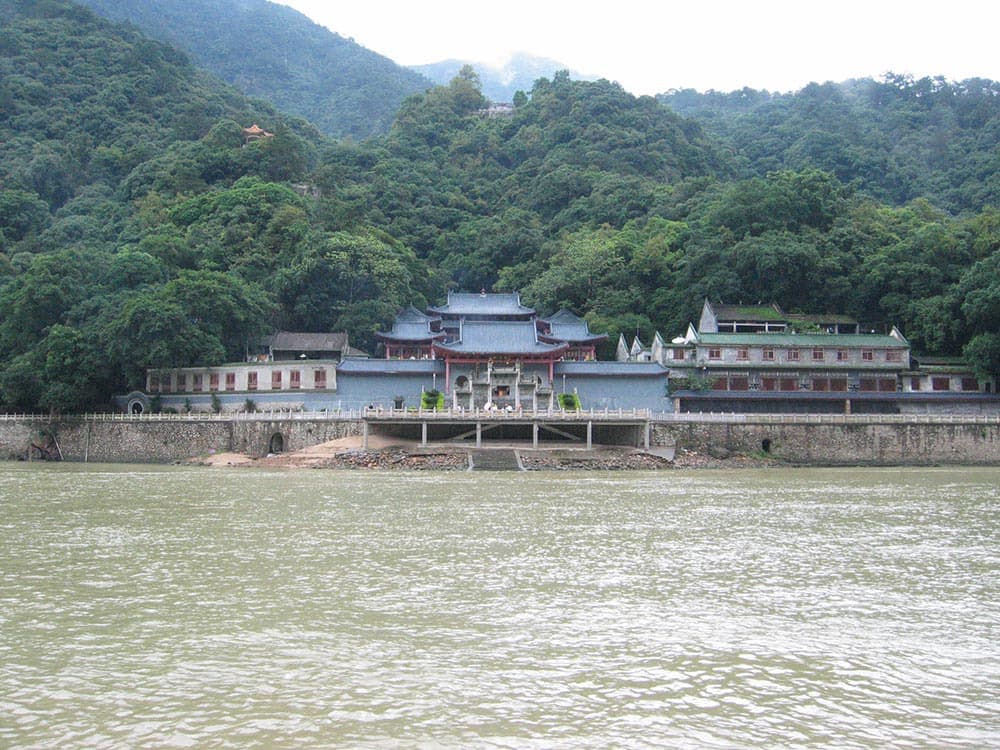
Nestled at the foot of cliffs about twenty kilometers from Qingyuan, the Feilai and Feixia temples are truly worth a visit. The nature surrounding them offers a serene atmosphere. Trails winding through pine forests lead to the mountain summit, revealing panoramic views of the river gorges below.
During a stay in Qingyuan, don't miss a visit to Sanpai Yao village. Located on the slope of Sanpai Mountain, this picturesque village perfectly reflects the history, culture, customs and architecture of the Yao minority. This visit will immerse you in the past and offer opportunities for meaningful encounters in a most pleasant environment.
Also not to be missed during a stopover in Qingyuan are the Qingxin natural hot springs, recognized as the largest hot spring sources in Guangdong. Ideal for relaxation and rejuvenation, these thermal springs enjoy a strong reputation throughout the region.
Climate
Qingyuan enjoys a subtropical monsoon climate with an average year-round temperature of 21°C. January is the coldest month while July is the hottest, yet temperatures remain comfortable in both. Rainfall is concentrated from April to October, with peaks between July and August. The Qingyuan region can be visited year-round, though remember to pack rain gear and sunscreen for summer months.
Train
The Beijing-Canton railway passes through Qingyuan station. The city is therefore accessible from Beijing, Changsha, Chongqing, Wuchang and Guangzhou.
Bus
Daily buses depart Guangzhou, Foshan and Shenzhen for Qingyuan.
Qingyuan has around twenty public bus lines, one of which offers a tourist bus to Feilai Lake.
Taxis are also abundant throughout the city.
What to Do in Qingyuan?
- Take a breath of fresh air in the scenic Fexia zone.
- Stop to admire the architecture of Feilai Temple.
- Revitalize yourself in the Qingxin hot springs.
- Tackle Guangdong's highest peak, Yangshan Shikengkong.
- Immerse yourself in Yao culture in one of its ancient villages nestled in the valleys.
Want to discover this destination?
Our local advisors design your tailor-made trip.