Shantou
Shantou
A former hub of the Chinese diaspora, Shantou preserves a unique Teochew heritage: colonial alleyways, refined cuisine, and a tranquil coastline far from major cities.
Name: Shantou
Chinese name: 汕头市
Province: Guangdong
Status: Prefectural City and Special Economic Zone
Population: 5,391,028
Area: 2,064 km²
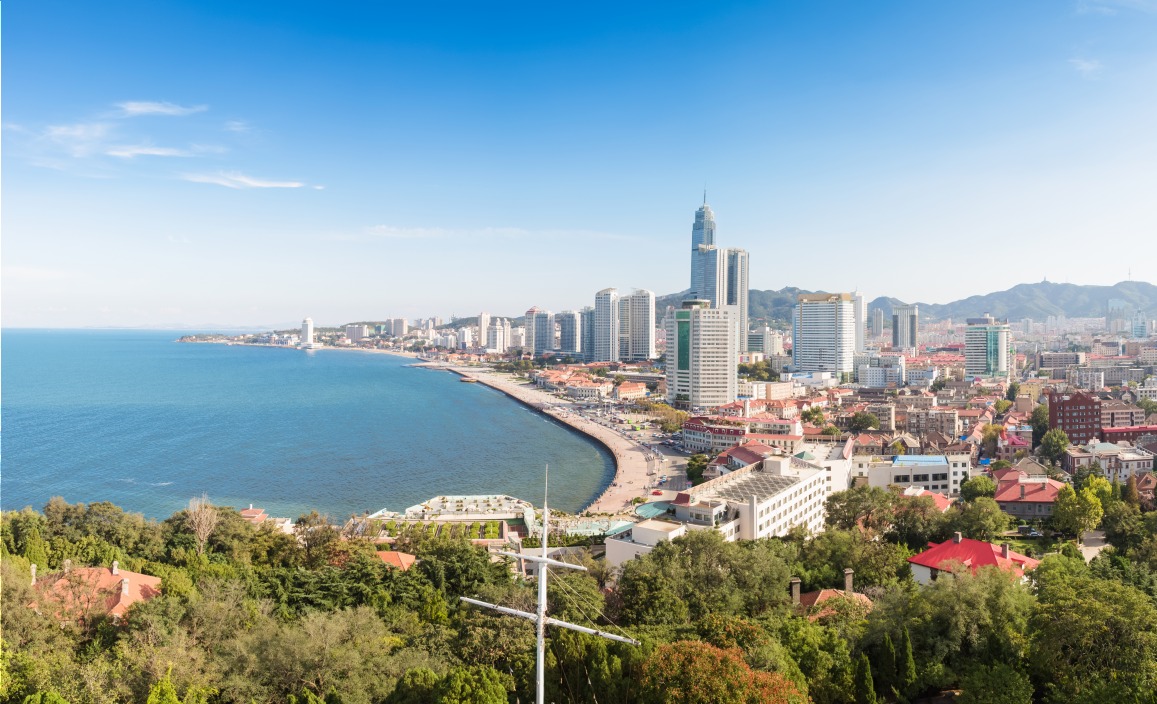
The city of Shantou, situated on the coast of Guangdong at the border with Fujian, is one of five Special Economic Zones in southern Chine. Its landscape of beaches, striking mountains, and exquisite islands represents a genuine asset for Shantou from a tourism standpoint.
History
Shantou was once a humble fishing village. It became a garrison town under the Qing dynasty, with imperial troops establishing themselves there in 1717. From the 17th century onward, merchant vessels made port calls, and the city evolved into a major trading port known as Swatow.
Following the Treaty of Tianjin, which ended the Second Opium War, the port opened to foreign trade in 1860. The British were the first to settle, and Shantou developed an economy focused on exports. The city then became one of the principal ports for Chinese emigration overseas.
In the 1980s, Shantou became one of the Special Economic Zones but did not prosper as dramatically as its neighbors Shenzhen, Zhuhai, and Xiamen.
Today
Shantou is an ideal destination for escaping the frenzy of major cities while enjoying the conveniences of a well-connected town.
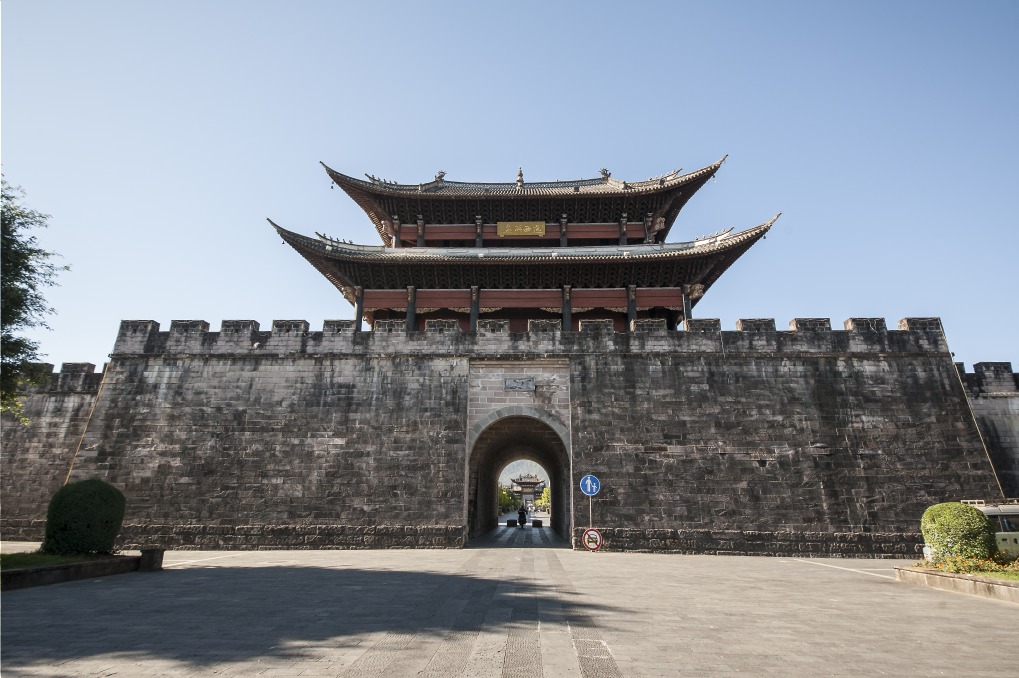
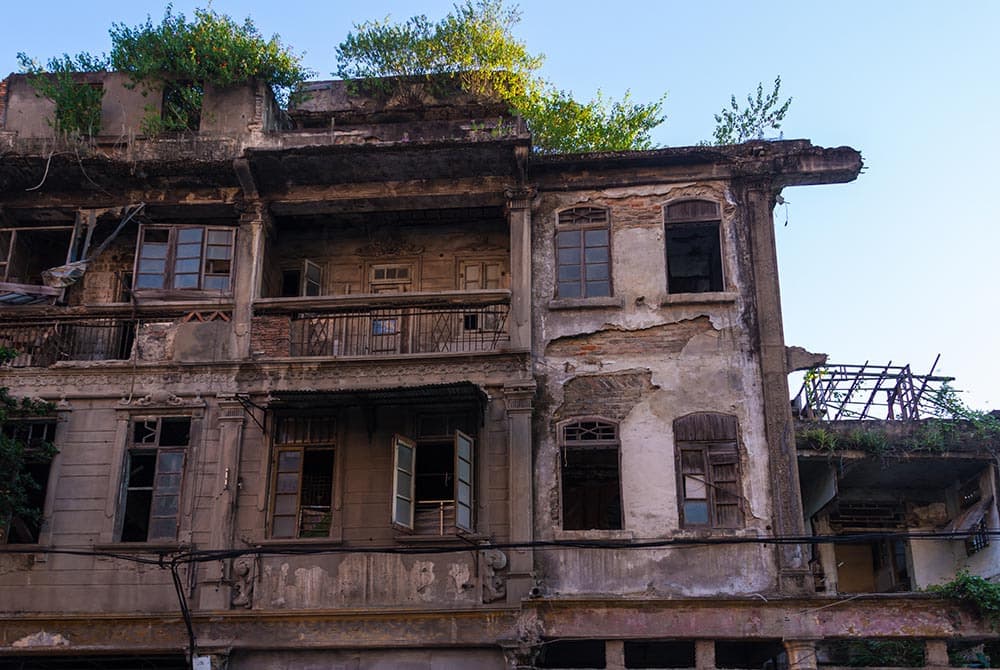
Its coastal landscape and mountains in the background lend a certain serenity to the city, which continues to urbanize over time. The old town with its characteristic streets and historic port has managed to preserve all its charm and represents one of the main highlights of a visit to Shantou. The streets between Shengping Lu and Zhiping Lu are particularly attractive, lined with numerous small markets including a fish market. These streets are also bordered by ancient temples, including the Laomagong Temple, dating from the Qing dynasty, which beautifully reflects local architectural traditions. A few remaining colonial buildings struggle to survive despite neglect and will unfortunately soon be replaced by gleaming new structures.
For those wishing to breathe in the sea air, the Hublin Lu promenade is worth exploring, especially in the morning. You'll encounter locals exercising to the backdrop of traditional music.
To escape the heat, which can sometimes be stifling, the Zhongshan Park with its trees and small lakes offers refreshing respite during a pleasant stroll. If you're fortunate, you may witness performances of traditional Chinese opera and watch elderly residents engaged in card games.
To delve into the city's history, a visit to the Stone Fort Park, an ancient fortress by the seaside offering views of the coast and quays, is worthwhile.
As tourism remains relatively underdeveloped in Shantou, visits and strolls typically proceed at a leisurely pace and may occasionally spark the surprise and curiosity of locals still unaccustomed to encountering foreign visitors.
Climate
Shantou enjoys a subtropical maritime climate influenced by monsoons, with an average annual temperature of 21.3°C. Winters are short and mild, while summers are long, hot, and humid. Spring is somewhat overcast and rainy, but autumn is particularly pleasant with mild temperatures and dry conditions.
The best time to visit Shantou is autumn, from late September through April.
Air
In 2011, a new airport opened near Shantou offering air connections to Beijing, Shanghai, Hong Kong, Guangzhou, Hangzhou, Xi'an, Wuhan, and Changsha.
The airport also operates flights to Bangkok and Singapore.
Train
The Guangzhou-Shantou rail line connects the two cities in approximately 10 hours.
Bus
Daily buses depart from Fuzhou, Hong Kong, Shenzhen, Zhuhai, Guangzhou, Xiamen, and Quanzhou to Shantou's bus station.
Boat
Boats operate between Shantou, Hong Kong, and Guangzhou, though journeys are lengthy and not particularly comfortable.
Shantou has 11 bus lines and several minibuses. Fares range between 1 and 2 RMB.
Motorcycle taxis are also readily available for approximately 5 RMB per trip.
Taxis can be found at virtually every corner and are relatively convenient for reaching Mayu Island via the suspension bridge.
What to do in Shantou?
- Wander the streets of Shantou's old town.
- Stroll along the Hublin Lu promenade.
- Enjoy the cool refuge of Zhongshan Park.
- Visit the Laomagong Temple.
Want to discover this destination?
Our local advisors design your tailor-made trip.