Suzhou
Suzhou
Suzhou, the 'Venice of the East', brings together 9 UNESCO gardens, canals and 2,500 years of history just 30 minutes from Shanghai by high-speed train.
Name: Suzhou
Chinese name: 苏州
Province: Jiangsu
Status: Prefecture-level city
Population: 4,074,000 inhabitants
Area: 1,649.72 km²
Suzhou is a city situated along the course of the Yangzi Jiang in Jiangsu province. It ranks among the oldest cities in the Yangzi River basin and is celebrated as the Silk Capital.
Often called the "Venice of the East", Suzhou boasts an ancient heart crossed by tree-lined canals and numerous traditional gardens that are unmissable. Visiting Suzhou guarantees a step back in time and a romantic stay rich in discovery for your trip to Chine.
History
Founded in 514 BC, Suzhou is an ancient city with more than 2,500 years of history. Its unique characteristics from the past remain remarkably preserved today. Its lands, narrow lanes and waterways sit seamlessly side by side.
Suzhou, the birthplace of Wu culture, stands among the oldest cities in the Yangzi basin. The city experienced rapid growth following the completion of the Grand Canal under the Sui dynasty. Strategically positioned on one of the major commercial waterways, it quickly became an important trading hub.
In early 1130, the city was pillaged as the Jin army advanced from the north, followed by Mongol invasion in 1275.
By 1356, Suzhou became the capital of Zhang Shicheng, one of the leaders of the Red Turban Rebellion against the Yuan dynasty and King Wu. In 1367, Zhu Yuanzhang, who would proclaim himself the first emperor of the Ming dynasty, captured the city and demolished the imperial quarters at its center. He imposed heavy taxes on the city and powerful families. Despite these levies, the city managed to flourish and quickly prospered.
Under the Ming and Qing dynasties, Suzhou established itself as Chine's leading silk producer, attracting high society as well as celebrated painters, poets and actors who commissioned magnificent villas and gardens. This is how Suzhou earned its reputation as a city of gardens. Silk production reached its zenith, though numerous rebellions erupted against the miserable working conditions.
In 1860, the city fell to Taiping forces. In November 1863, the victorious army under Charles Gordon retook the city from the Taiping rebels.
In 1937, Japanese forces invaded the city. Many gardens were devastated along with the walls surrounding Suzhou.
Since then, several gardens and residences have been restored and can be visited today.
Today
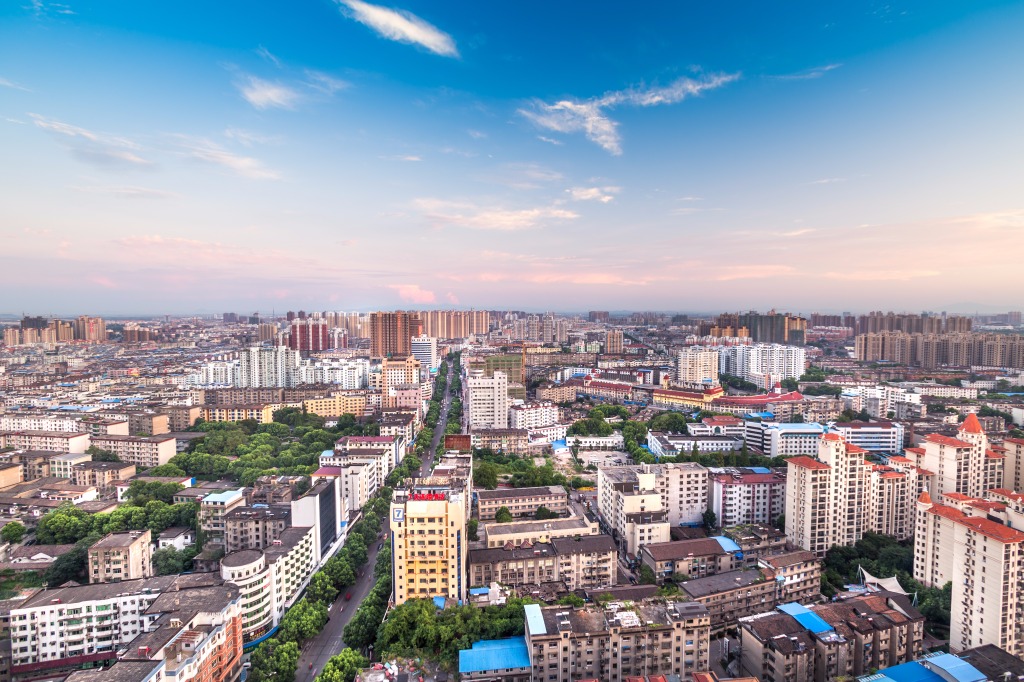
Suzhou is a city defined by water, thanks to its extraordinary network of waterways. A petite "Oriental Venice", Suzhou is renowned as one of Chine's most beautiful cities alongside Hangzhou, enchanting all travelers with its gardens and canals. As the Chinese proverb says: "In heaven there is paradise; on earth there is Suzhou and Hangzhou".
Its canals, stone bridges, pagodas and carefully tended gardens have earned it the status of one of Chine's premier tourist cities. These classical gardens were notably inscribed on the UNESCO World Heritage list in 1997 and 2000.
This charming ancient merchant city has undergone significant development and today hosts several factories and industries that, fortunately, do nothing to diminish the beauty of the place.
These gardens, designed in perfect harmony, perfectly reflect Chine's refined taste for balance among different elements. Among the most beautiful and renowned are the Lion Grove Garden, distinguished by its impressive array of strangely shaped rocks, the Humble Administrator's Garden, considered the most impressive garden of all, the Liu Garden, one of Suzhou's most expansive, and the Master of the Nets Garden, restored by a former official turned fisherman.
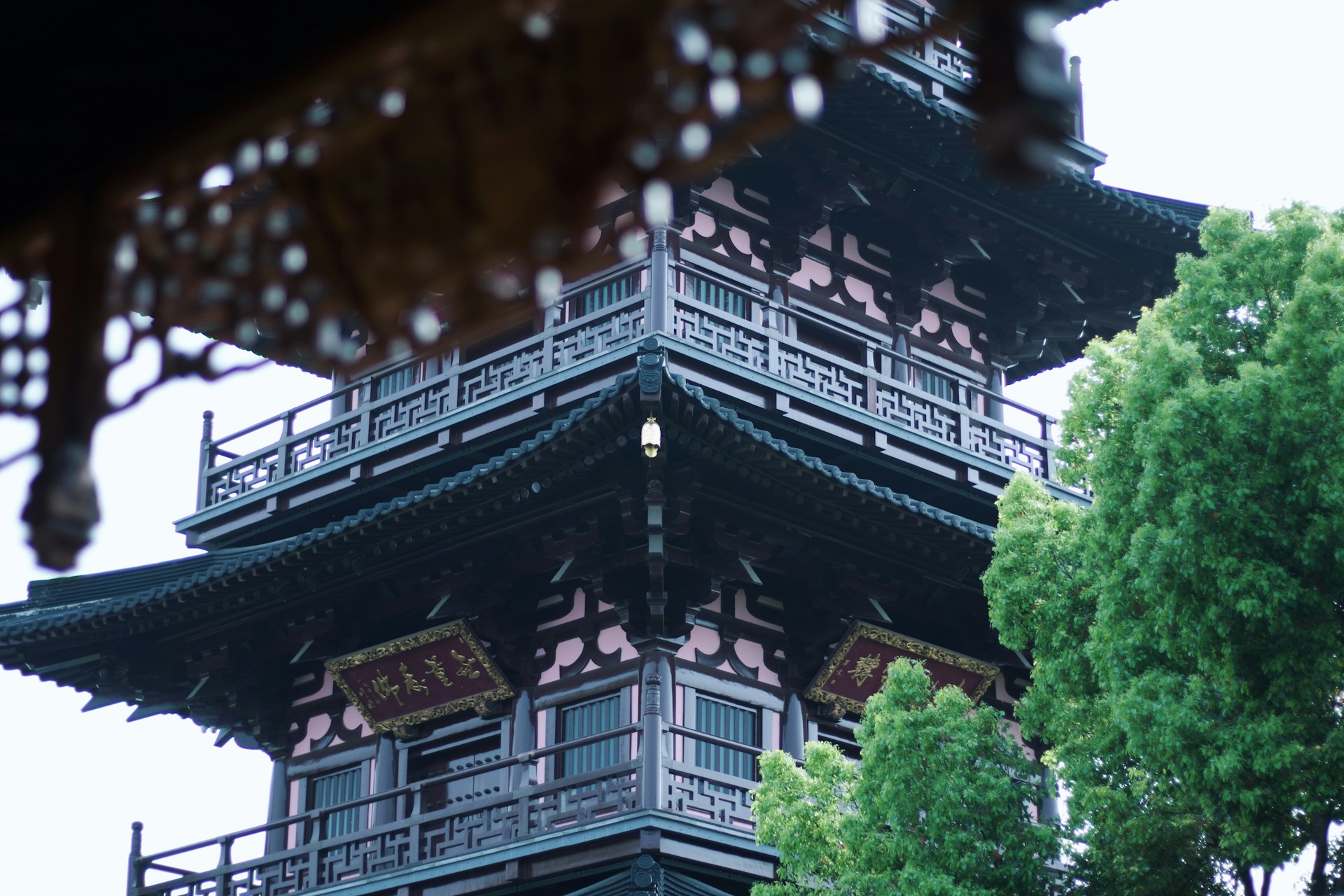
Beyond the gardens, Suzhou houses several structures including the Hanshan Temple, a beautifully preserved Buddhist temple and monastery, the Temple of Mystery reflecting Song architecture, and the North Temple Pagoda, which rises nine stories and offers panoramic views across the entire city.
The Tiger Hill, much favored by travelers, rises to the northwest of the city and houses among other things the tomb of He Lu, Suzhou's founding father, and the Cloud Rock Pagoda or Huqiu Pagoda, which has the distinctive feature of leaning slightly.
A leisurely boat ride along the canals by day or at dusk is an enjoyable way to discover the ancient city. During the tour you may encounter locals relaxing on the banks of the waterway.
The city holds numerous treasures and can easily fill one or two days of sightseeing during a visit to the Jiangsu region.
Climate
Suzhou sits in a subtropical monsoon zone, giving it a fairly humid climate with four distinct seasons.
Winters are rather cold, with cold winds from the northwest Siberian regions sometimes driving temperatures below freezing. Snow occasionally blankets Suzhou, covering the city in a lovely white veil.
In summer, southwestern winds can conversely push temperatures above 35°C.
The best time to visit Suzhou is between March and May, when you can enjoy pleasant temperatures and the incredible bloom of flowering trees, which lasts until June. Autumn, from September to November, is also a lovely season when rainfall is scarce and temperatures more manageable.
Train
Situated on the Shanghai-Nanjing line, Suzhou is easily accessible by train from both cities.
Two other railway stations are served by Wuxi and Nanjing.
Bus
Suzhou has three long-distance bus stations. Two of them are used for connections between Suzhou and Shanghai, Hangzhou, Wuxi, Nanjing and Zhouzhuang.
The third operates services to and from regional cities. Buses there run less frequently.
Boat
A boat shuttle operates between Suzhou and Hangzhou, traversing the Grand Canal. The cruise is very pleasant and highly prized by travelers.
Following the canals by bicycle is the best way to explore Suzhou and soak in the romantic atmosphere. You can also explore on foot along the fortified wall of the old city.
Taxis and buses circulate through the modern city. Tuk-tuks also offer rides (rates negotiable) and provide another way to discover the city.
A recently completed metro system features two lines.
What to Do in Suzhou?
- Glide peacefully along the outer canal of the city for a romantic boat ride.
- Stop at Suzhou's finest gardens.
- Discover the city's historic landmarks and buildings.
- Learn about the city's history and culture through the various museums located throughout town.
Want to discover this destination?
Our local advisors design your tailor-made trip.