Xi'an
Xi'an
Capital of 13 dynasties and terminus of the Silk Road, Xi'an unveils its Terracotta Army, Ming ramparts and cuisine inherited from ancient caravans.
Name: Xi'an
Chinese Name: 西安 (Chang'an)
Province: Shaanxi
Status: Sub-provincial city
Population: 8,467,837
Area: 9,983 km²
Capital of Shaanxi Province, Xi'an formerly known as Chang'an is considered one of the cradles of Chinese civilization. As the terminus of the legendary Silk Road and home to the Terracotta Warriors of the Qin Dynasty, Xi'an has earned an outstanding reputation worldwide.
With a history spanning more than 3,000 years, the city boasts a rich historical heritage that continues to captivate visitors from around the globe. A few days exploring this ancient imperial capital will satisfy even the most passionate history enthusiasts.
History
It would be no exaggeration to say that Xi'an enjoys the longest continuous history of any Chinese city. Recognized as one of the cornerstones of profound Chinese civilization, Xi'an served as the capital under 13 dynasties. Blessed with fertile lands and a pleasant climate year-round, Xi'an held considerable economic advantages.
Within this capital, great rulers mingled with diverse religions and creative minds from across the world, shaping the contours of Chinese culture.
Xi'an, then called Chang'an, was the starting and ending point of the Silk Road. Caravans loaded and unloaded merchandise from across Eurasia, simultaneously introducing new ideas that transformed local thinking.
The city's decline came with the fall of the Tang Dynasty when rebellions erupted in the 10th century. The Zhou Dynasty was the earliest to establish its seat in Xi'an.
Vestiges of the past are omnipresent throughout the metropolis, most notably the Terracotta Army of the First Emperor.
Today
Known as a flagship city of the Western China Development Program since 1990, Xi'an stands as a major economic, cultural, industrial and educational hub in the central-northwest region, offering visitors modern and convenient facilities.
Xi'an is today one of China's most visited destinations. Most visitors spend only a few days here, yet history buffs can easily find enough to occupy an entire week. While the Terracotta Army represents Xi'an's main attraction, the city offers no shortage of historical and cultural sites worth exploring. The Tomb of Emperor Jingdi, the city walls and the Muslim Quarter, for instance, all merit a visit.
For those with more time, days can be easily filled visiting pagodas and museums scattered throughout the city. Excursions can also be arranged outside the city, particularly to the nearby Huashan massif or the small town of Huancheng.
Climate
The climate in Xi'an is relatively mild and divides into four distinct seasons.
In spring, temperatures vary but remain very pleasant. Summer is hot and humid with average temperatures around 28°C. Autumn is cool and rainy, while winter is cold and dry with temperatures hovering near 1°C.
Rainfall intensifies in summer when heavy thunderstorms strike and becomes regular in autumn with cloudy days.
March through May marks the best period to visit Xi'an and enjoy outdoor attractions. September to October is equally pleasant as temperatures cool and rainfall diminishes.
Rain or shine, your days in Xi'an will always be enriched by history-filled experiences.
Air
Xi'an Xianyang Airport is one of China's busiest and is served by most major Chinese cities as well as numerous international capitals.
Train
Xi'an benefits from a modern railway station well-served by most provincial cities.
Numerous connections link Xi'an to Beijing, Chengdu, Chongqing, Guangzhou, Kunming and Shanghai. Prices vary by destination but remain very affordable. Trains typically offer sleepers or soft seats, but advance booking is recommended.
Bus
Long-distance buses arrive daily at the central bus station from Beijing and other neighboring provincial cities.
Within the city, you can travel by bicycle or take a taxi at very reasonable fares.
Local buses are available, though navigating the numerous routes can sometimes prove challenging. Still, taking a local bus offers an authentic immersion experience. Bus 610 is particularly convenient as it stops near many tourist attractions.
Xi'an has two brand-new metro lines. Line 1 connects east to west and Line 2 runs north to south. Two additional lines are still under construction.
What to Do in Xi'an?
- Step into history with the renowned Terracotta Army of the First Emperor.
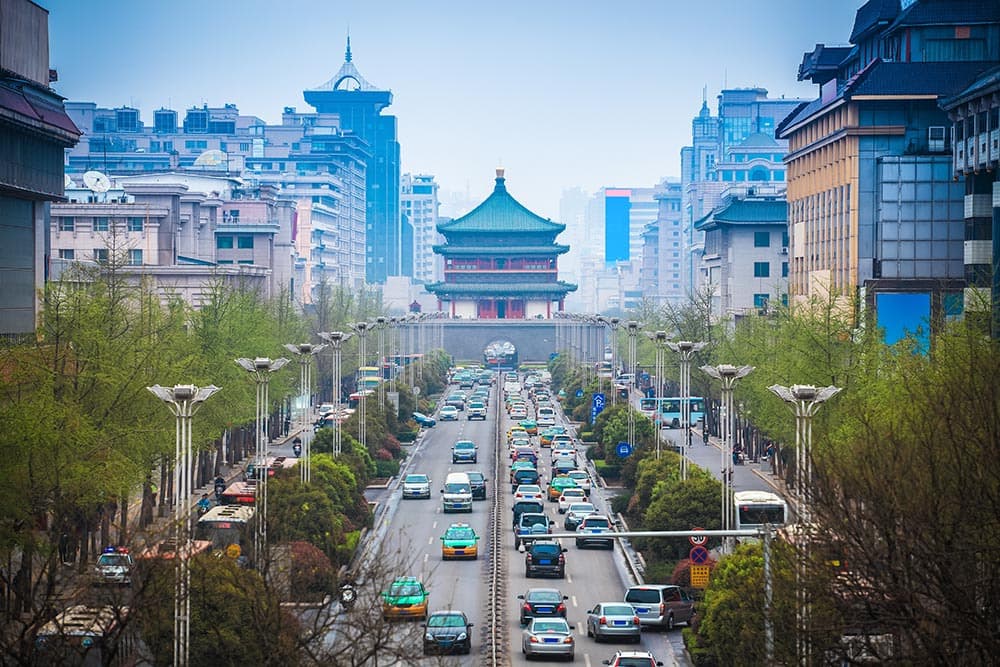
- Attend concerts held at the Bell Tower and Drum Tower.
- Wander the winding streets of the Muslim Quarter.
- Stroll along the city walls of Xi'an.
- Visit the Great Wild Goose Pagoda and the Small Wild Goose Pagoda, Xi'an's iconic monuments.
Discover all attractions in Xi'an
Attractions in Xi'an
See all
Musée de la Forêt de stèles
Installé dans un ancien temple confucéen à Xian, le musée de Beilin réunit 2 300 stèles gravées qui retracent deux millénaires d'histoire chinoise.
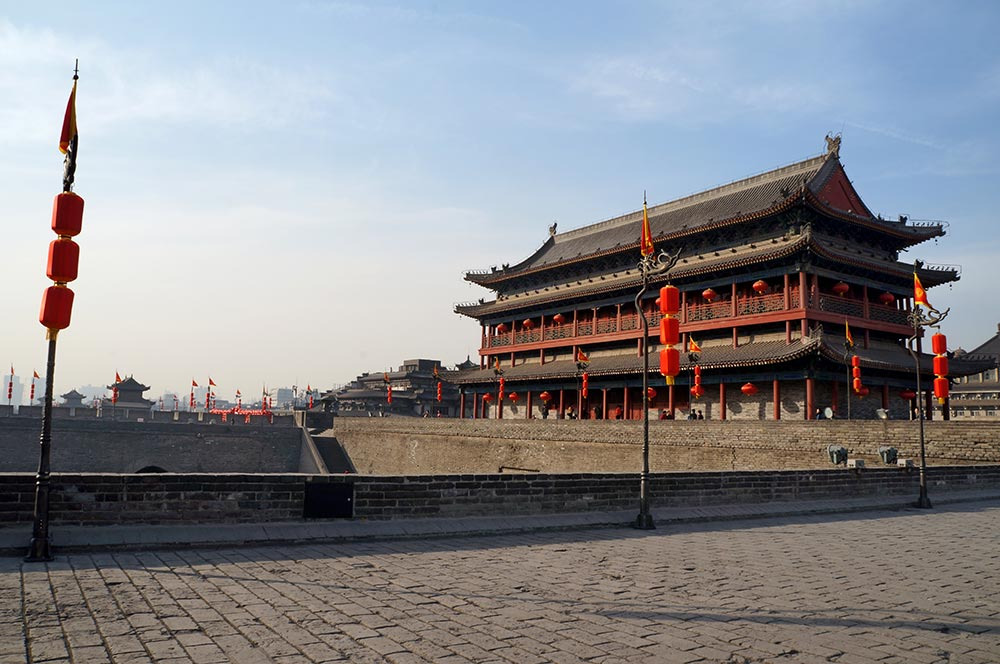
Remparts de la ville de Xian
Enceinte fortifiée de 13,7 km construite sous les Ming, les remparts de Xi'an se parcourent à pied ou à vélo et offrent une lecture unique de la ville historique.
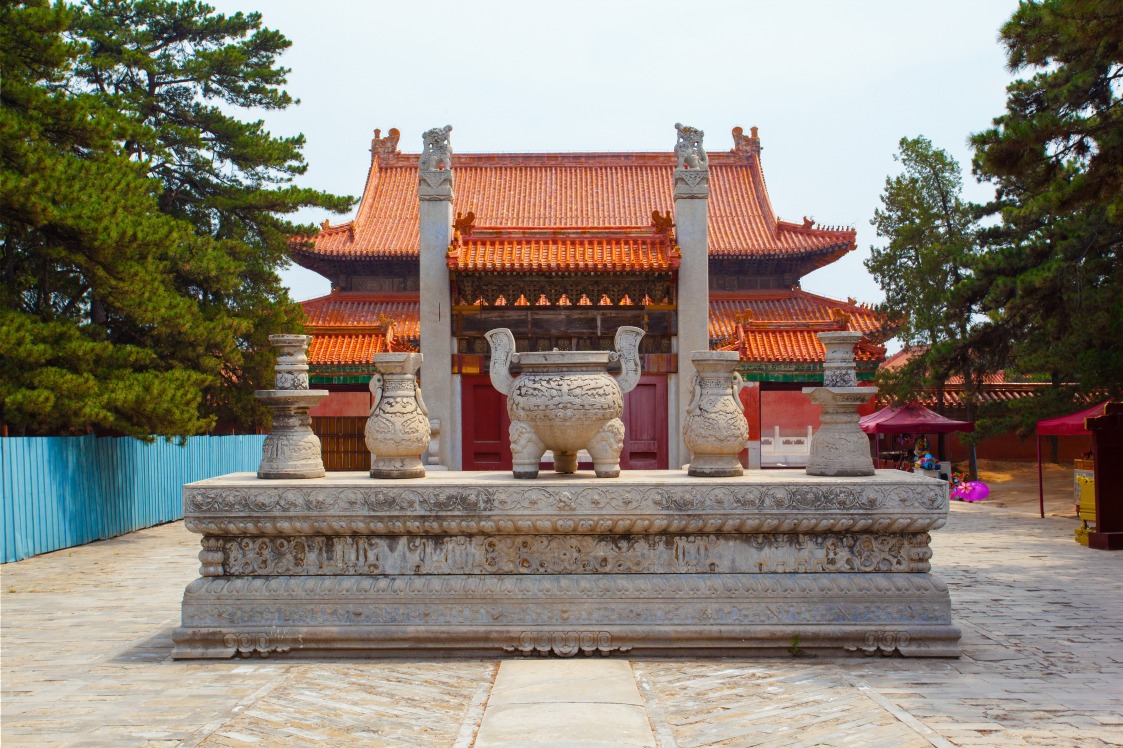
Mausolée de Qian
À 85 km de Xi'an, le mausolée de Qian (684) est le plus grand tombeau impérial Tang. Il abrite Gaozong et Wu Zetian, seule impératrice régnante de Chine.
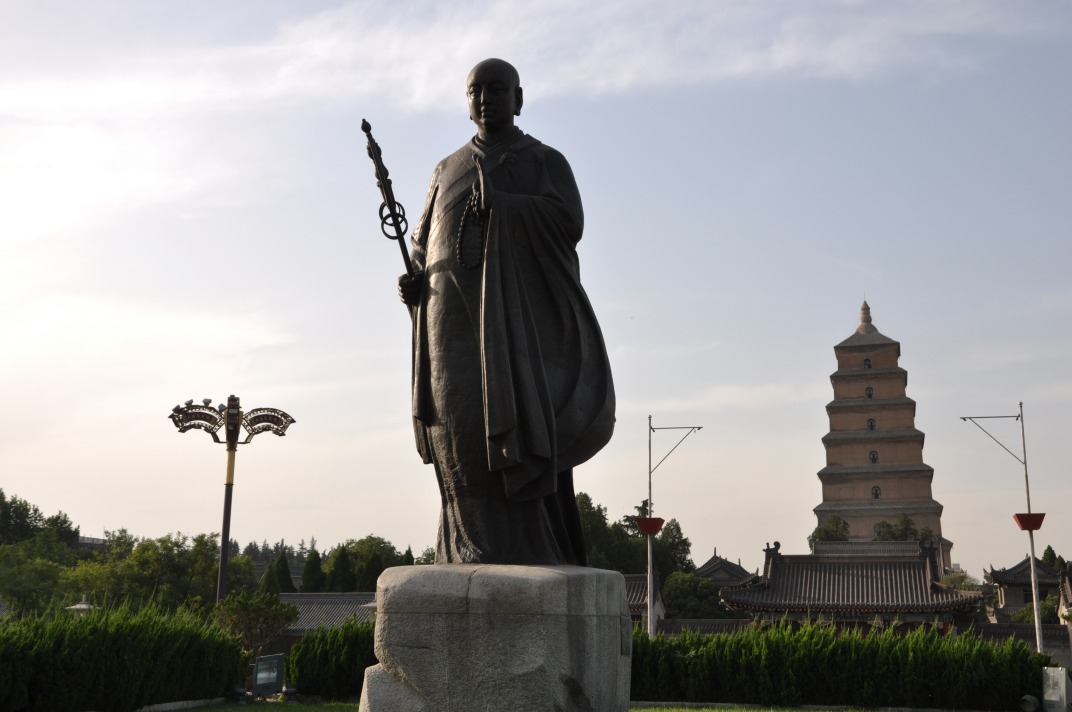
Petite pagode de l’Oie Sauvage
À 1 km de Xi'an, la Petite pagode de l'Oie Sauvage marie un édifice bouddhique du VIIIe siècle, un temple actif, un jardin et un musée de plus de 130 000 pièces.
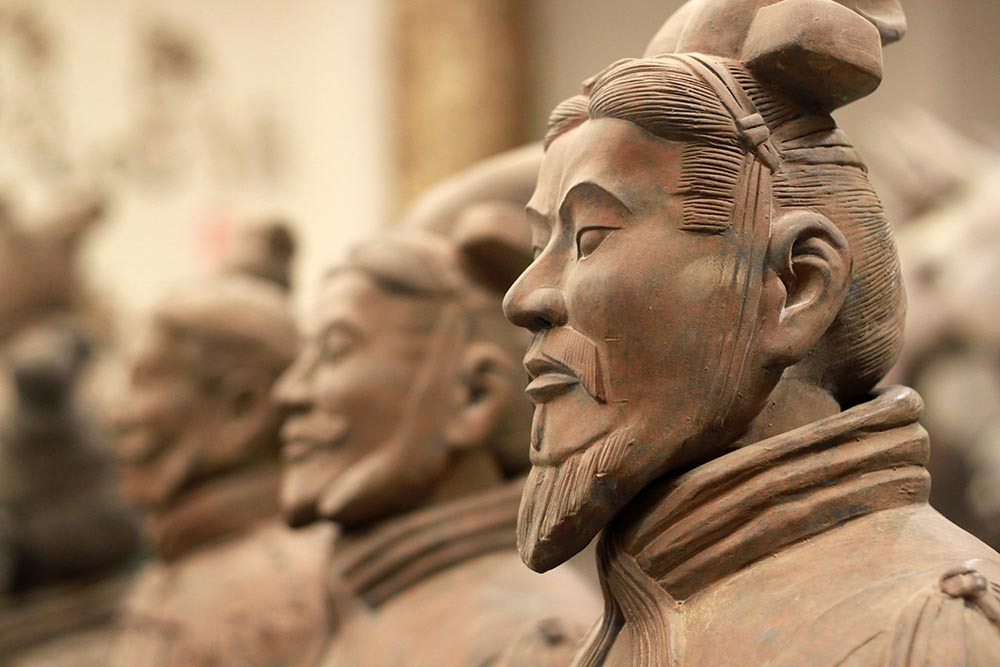
L'armée de soldat en terre cuite de l'empereur Qing
À 35 km de Xi'an, le mausolée de Qin Shi Huang abrite des milliers de soldats en terre cuite enfouis depuis 246 av. J.-C. et inscrits à l'UNESCO depuis 1987.
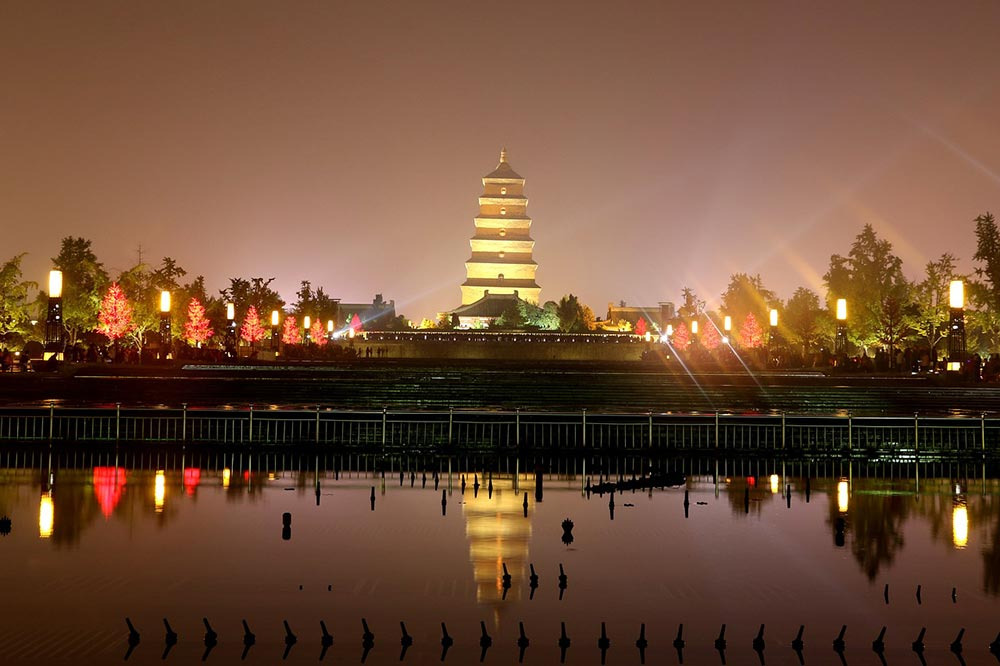
Grande pagode de l’Oie sauvage
Édifiée en 652 pour abriter les sûtras rapportés d'Inde par Xuan Zang, la Grande pagode de l'Oie sauvage domine le sud de Xi'an de ses 64 mètres.
Want to discover this destination?
Our local advisors design your tailor-made trip.