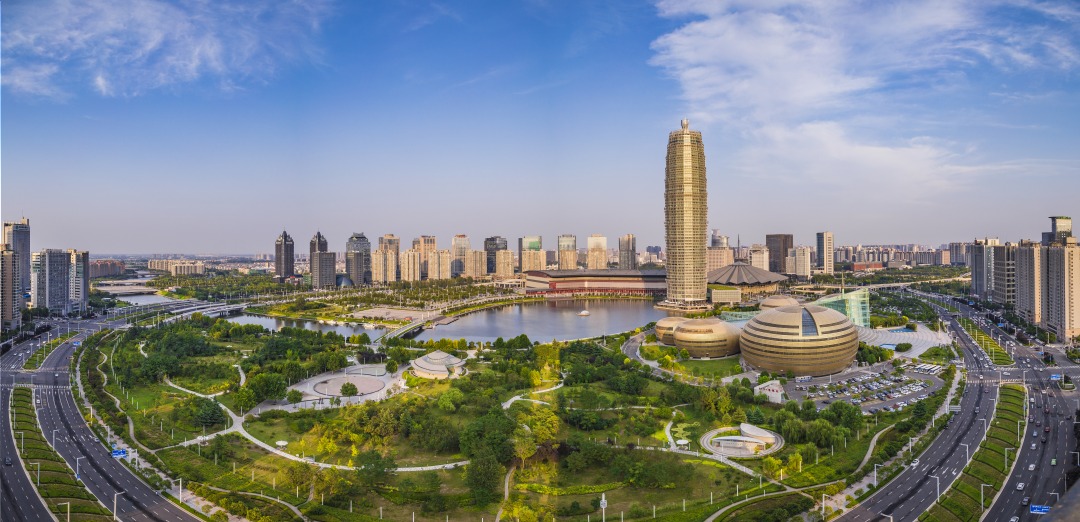
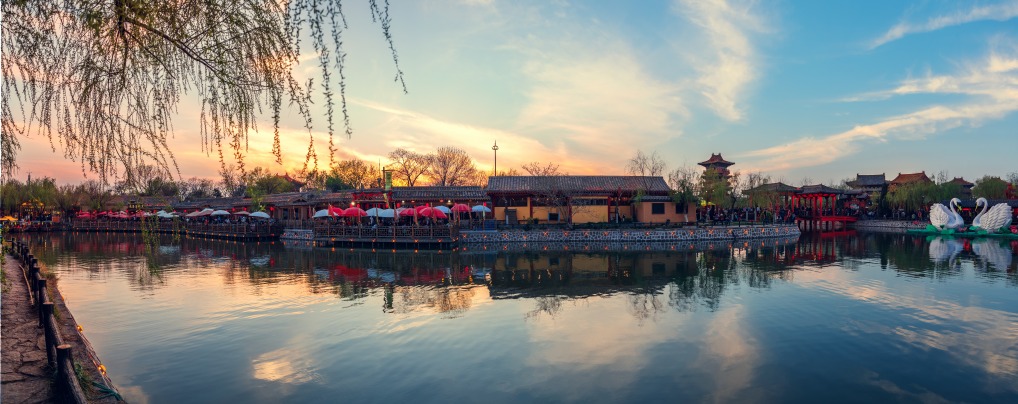
Zhangye
Zhangye
A key stopover on the Silk Road in Gansu, Zhangye reveals the rainbow mountains of Danxia, China's largest reclining Buddha, and a unique ethnic mosaic.
Name: Zhangye
Chinese name: 张掖
Province: Gansu
Status: Prefecture-level city
Population: 1,199,515
Area: 40,874 km²
Zhangye is a major city located in the Hexi Corridor in Gansu province. This pleasant city has been recognized among nationally famous cities of Chinese historical culture and will be an almost mandatory stop on your journey along the Silk Road.
History
Originally known as Ganzhou, the city was once the seat of a garrison when General Huo took control of the Hexi Corridor.
The city was part of the Western Xia dynasty until it was reclaimed by Kublai Khan in 1927. Due to the strategic importance of its geographical and military location, Zhangye became a political, economic, cultural and diplomatic center for each dynasty that passed through the northwestern part of China.
Zhangye was also a major international trade center due to its position on the Silk Road.
Today
Zhangye is a historic and cultural city surrounded by breathtaking landscapes. Beyond its wetlands lies an atypical city right in the heart of the Hexi Corridor on the Silk Road.
This strategically important geographical position at the time explains the diversity of its population. Hans, Tibetans, Huis, Mongols, Zhuangs and Uyghurs live here.
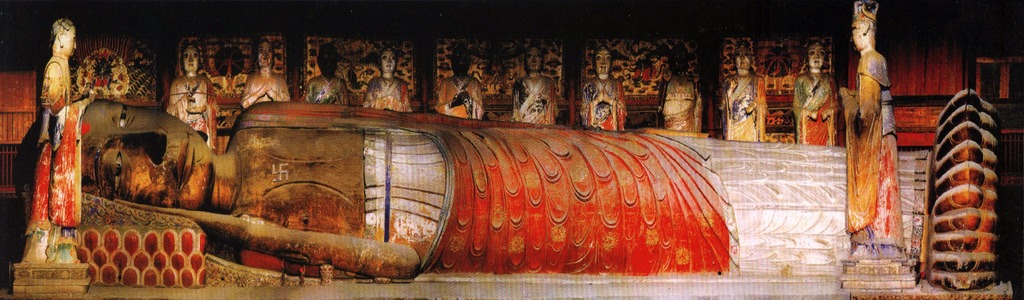
Although Zhangye is known as a stop on the Silk Road, it also attracts travelers from around the world for its Giant Buddha Temple which houses China's largest reclining Buddha. Besides this temple, the city has several other historical monuments such as the Muta wooden temple and the Heishuiguo ruins.
A stay in Zhangye would not be complete without discovering the surprising Danxia National Geological Park. Just thirty kilometers from Zhangye, the Danxia landscape is distinguished by its almost supernatural orange-colored hills. The sight is striking and was named one of the ten most wonderful geological phenomena in the world by American "National Geographic" magazine.
Climate
Zhangye's climate is not the easiest, with an average temperature of −11°C in the coldest month and an average temperature of 12.5°C in the warmest month. The best time to visit Zhangye is from June to September when temperatures are not too low. However, the risk of rain is more frequent during this period.
Airplane
Since 2011, Zhangye has had its own airport. It is served by flights from Lanzhou as well as Xi'an, Guangzhou, and Shanghai. Be sure to check flights carefully as they are generally not frequent.
Train
Train is by far the most practical and fastest way to reach Zhangye.
From Lanzhou, Xi'an, Urumqi and Shanghai, trains operate daily.
Long-distance bus
It is relatively easy to reach Zhangye by long-distance bus from Wuwei, Lanzhou, Yinchuan, Xining, Dunhuang and Jiayuguan.
Zhangye has developed a small bus network that allows you to move around the city easily and affordably.
Many taxis patrol the city in search of travelers.
What to do in Zhangye?
- Marvel at the beauty of the landscape at the Danxia National Geological Park.
- Admire China's largest reclining Buddha at the Giant Buddha Temple.
- Stop at the Muta Temple, a beautiful wooden edifice.
Attractions in Zhangye
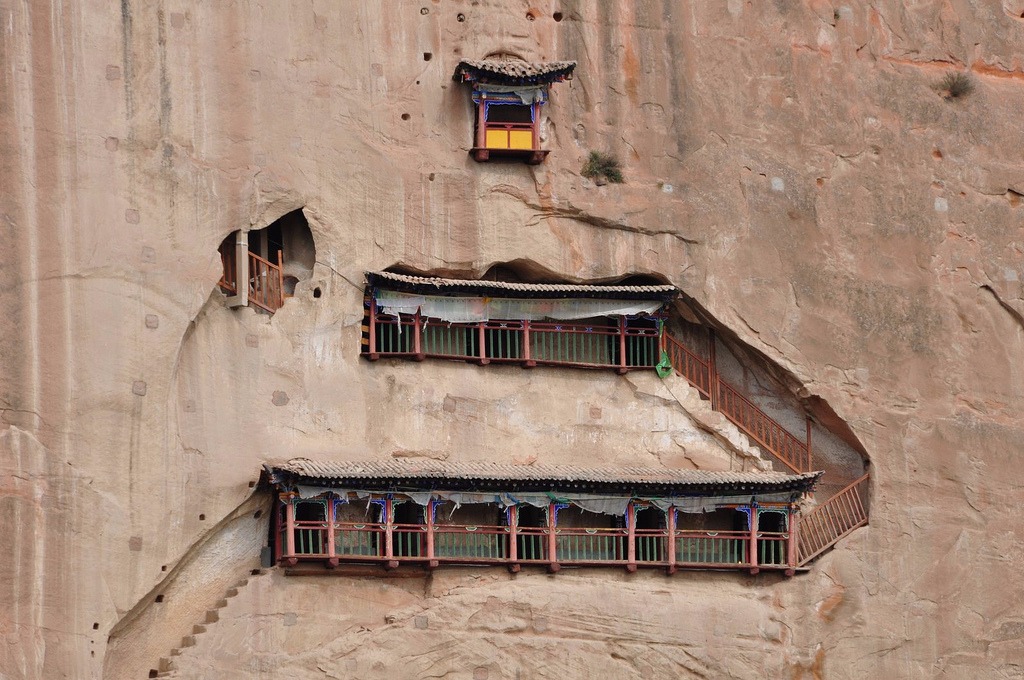
Mati si, un temple dans la falaise
Temples-grottes bouddhistes creusés dans le flanc du Qilian à 65 km de Zhangye, Mati Si conserve 70 cavités, fresques et statues sur cinq niveaux.
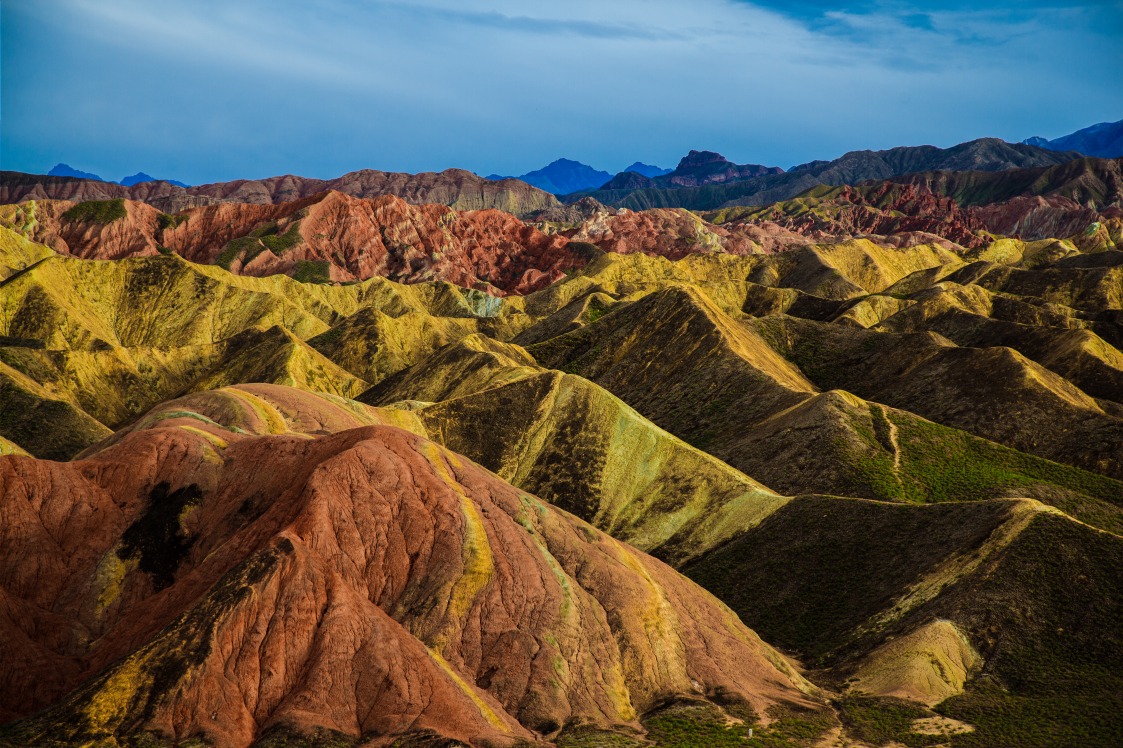
Parc géologique national de Zhangye Danxia
Reliefs sédimentaires colorés sur 510 km² au nord-ouest du Gansu, le parc Danxia de Zhangye fait partie du bien UNESCO China Danxia.
Temple du grand Bouddha
À Zhangye, le temple du Grand Bouddha conserve la plus grande statue de Bouddha couché de Chine et un ensemble en bois rare datant des Xia occidentaux.
Want to discover this destination?
Our local advisors design your tailor-made trip.