Barkhor Street
Barkhor Street
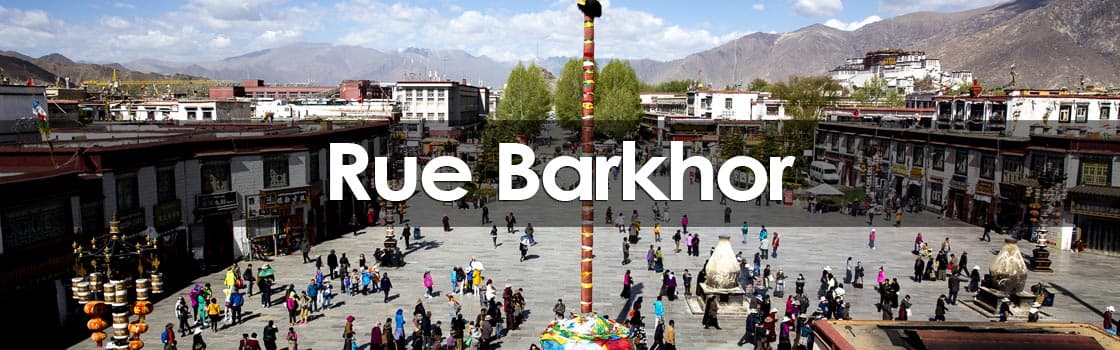
A 1,000-meter pilgrimage circuit around Jokhang Temple, Barkhor Street is the religious and commercial heart of Lhasa's old town.
Barkhor Street traces a circuit of approximately 1,000 meters around Jokhang Temple in Lhasa's old town. Nicknamed "the street of saints" and "the window of Tibet," it combines the circumambulation of pilgrims, traditional Tibetan architecture, and a bustling market encircling one of the most venerated sanctuaries of Tibetan Buddhism.
Why visit Barkhor Street
The Barkhor is where the religious and everyday life of Tibet constantly overlap. In just a few steps, you encounter pilgrims from Kham or Amdo in prostration, monks in burgundy robes, Tibetan families making their ritual circuit, and craft stalls set against white and ochre walls. It's also the best vantage point for observing traditional Tibetan residential architecture, with its black-framed windows and colorful prayer flags strung overhead.
To understand why Tibet remains steeped in Buddhism despite the upheavals of the twentieth century, an hour spent observing the flow of the faithful around Jokhang reveals more than many museums.
History: from Jokhang to the pilgrimage street
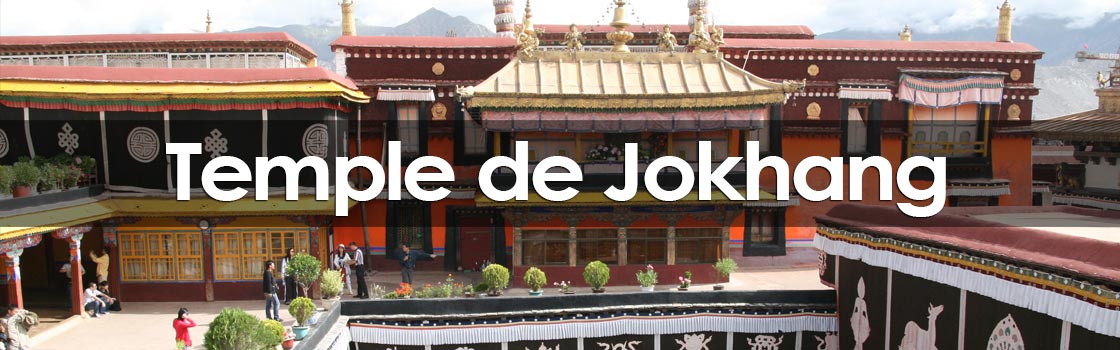
The origin of the Barkhor is inseparable from Jokhang Temple, founded in the seventh century by Tibetan king Songtsen Gampo (circa 617–650). According to tradition, the sanctuary was built at the request of Nepali princess Bhrikuti (Tritsun), one of his wives, to house a statue of Buddha Sakyamuni. The Jokhang still houses today a statue of Sakyamuni considered the most sacred in Tibetan Buddhism.
The constant flow of pilgrims circling the temple—the kora, or circumambulation—naturally traced a circular path. Over the centuries, this ritual route gained a commercial function: inns, artisan workshops, and traders established themselves all along the loop, making the Barkhor both a sacred way and one of Lhasa's principal markets.
What to see and do on the Barkhor
The kora around Jokhang
The fundamental gesture is to complete the full circuit of the temple clockwise, as all pilgrims do. Many hold prayer wheels or prayer beads; some advance by prostrating every three steps, their foreheads against the pavement. The chanting of sutras and the crackle of prayer wheels form a continuous background soundscape, particularly intense early morning and late afternoon.
Architecture and atmosphere
Whitewashed facades, painted lintels, prayer flags snapping in the wind, and wisps of juniper incense smoke compose a setting characteristic of old Lhasa. The side alleys branching off from the main circuit merit a detour to escape the main flow.
Market and crafts
The stalls offer prayer flags, prayer wheels, wooden or bone prayer beads, Tibetan boots and hats, silver, turquoise, and coral jewelry, thangkas and ritual masks. The majority of objects sold as "antiques," "precious stones," or "ancient coins" are actually reproductions or souvenirs: buy for the pleasure of the object, not for its supposed value. Haggling is expected.
Makye Amé restaurant
Along the circuit, the three-story yellow building of Makye Amé, located within the Tsangyan Giatso monastery, is associated with a romantic legend linked to the sixth Dalai Lama. Its menu blends Tibetan, Nepali, and Indian cuisines; it's a pleasant stop for observing the street from upstairs.
Practical information
- Pilgrimage crowds: very dense at sunrise and late afternoon, quieter mid-morning.
- Religious etiquette: always walk clockwise, don't photograph worshippers without consent, remove hats and sunglasses near Jokhang itself.
- Security and checks: the square and street are monitored by control posts; bag screening at gates is routine. Keep your passport and Tibetan permit with you.
- Permit: foreign travelers' access to Tibet remains subject to the Tibet Travel Permit, to be arranged before arrival.
- Altitude: Lhasa sits at approximately 3,650 meters; allow one to two days for acclimatization before longer walks on the Barkhor.
When to visit
High season runs from May to October, with dry, luminous weather. The most striking periods for witnessing pilgrims' fervor align with major festivals in the Tibetan lunar calendar:
- Losar (Tibetan New Year, February–March): intense family and religious atmosphere.
- Saga Dawa (May–June): month commemorating the Buddha's birth, enlightenment, and parinirvana; the Barkhor overflows with pilgrims from dawn to dusk.
- Shoton (August): yogurt festival, with unveiling of large thangkas in the region.
Note that authorities may restrict access to Tibet during certain sensitive periods, particularly in March.
Nearby attractions
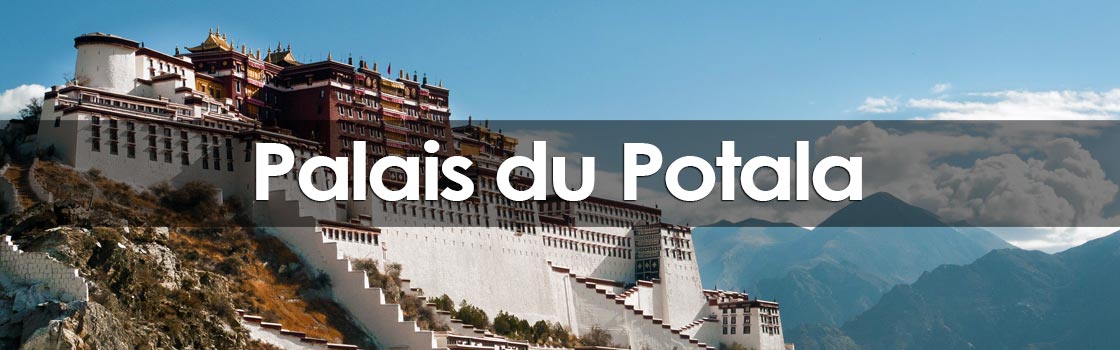
The Barkhor fits into a visit of Lhasa's old town. Jokhang Temple sits at the circuit's center; the Potala Palace is about twenty minutes' walk away. To extend a Buddhist itinerary through Chine, you can connect it with the Bezeklik Thousand Buddha Caves in Xinjiang or the Great Wild Goose Pagoda in Xi'an.
How to get there
The Barkhor is pedestrian and easily reached on foot from most hotels in Lhasa's old town.
- Buses 23, 25, 28, 29: Cuomeilin stop.
- Buses 9, 10, 11, 12, 15, 17, 18, 19: Shi Fuyou Baojianyuan stop.
- Taxis drop you at the entrance to pedestrian zones; the last stretch is on foot via control gates.
Frequently asked questions
Plan your trip
Barkhor Street fits naturally into an itinerary combining Lhasa, the Yarlung Tsangpo valley, and the great monasteries of central Tibet. To build a custom journey and obtain necessary permits, consult our Chine travel suggestions.
Nearby
Interested in this visit?
We can include it in your personalised itinerary.