Beijing Zoo
Beijing Zoo
Beijing Zoo brings together 450 species across 89 hectares, including giant pandas and one of China's largest aquariums.
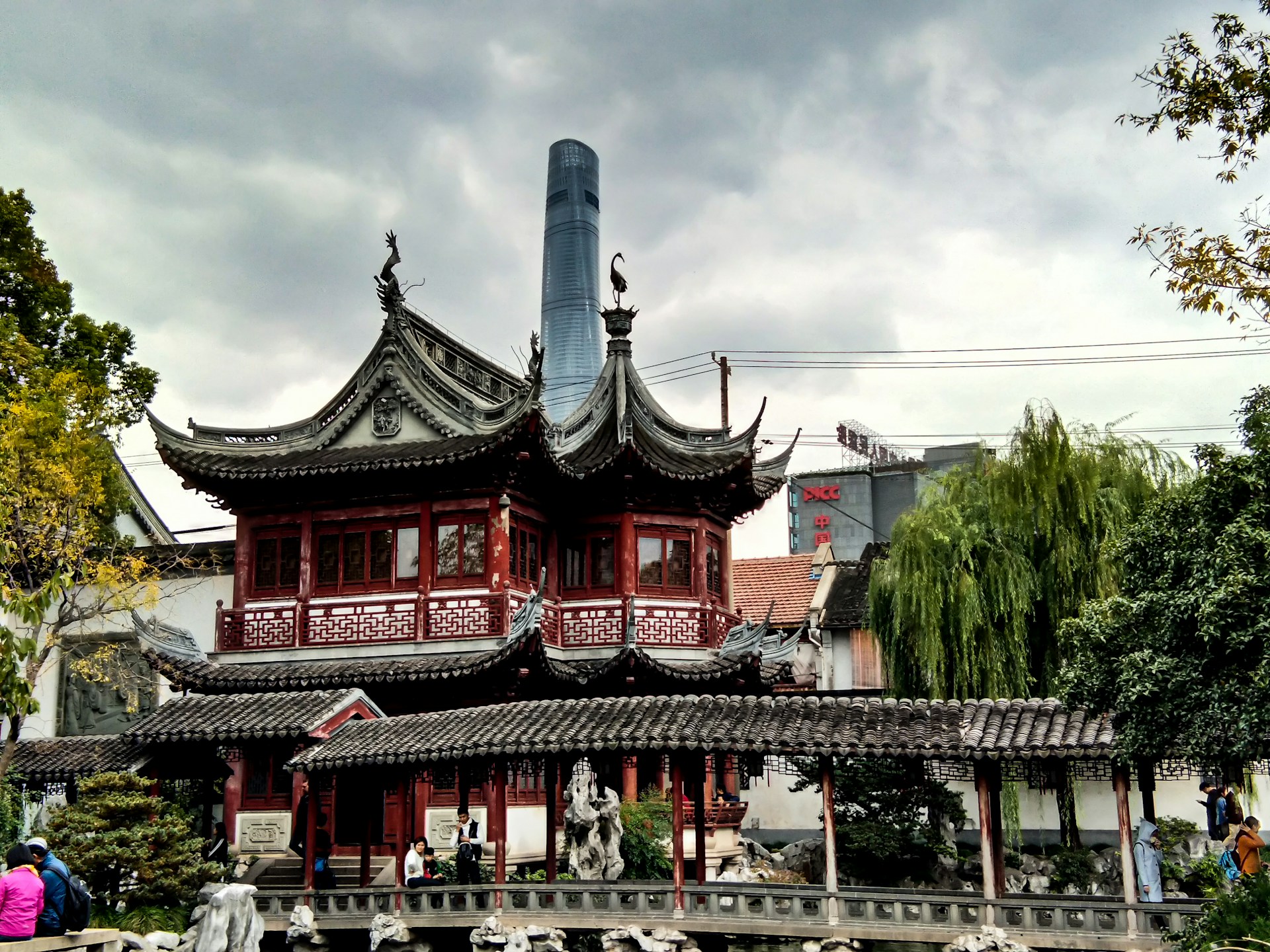
Located in the Xicheng District, west of Beijing's Exhibition Centre, the Beijing Zoo is one of China's oldest zoological parks. Across 89 hectares of gardens, waterways and pavilions, it houses around 450 species and 5,000 animals, from giant pandas to Siberian tigers. Its aquarium, opened in 1999, rounds out the experience with displays of marine wildlife.
Why Visit Beijing Zoo
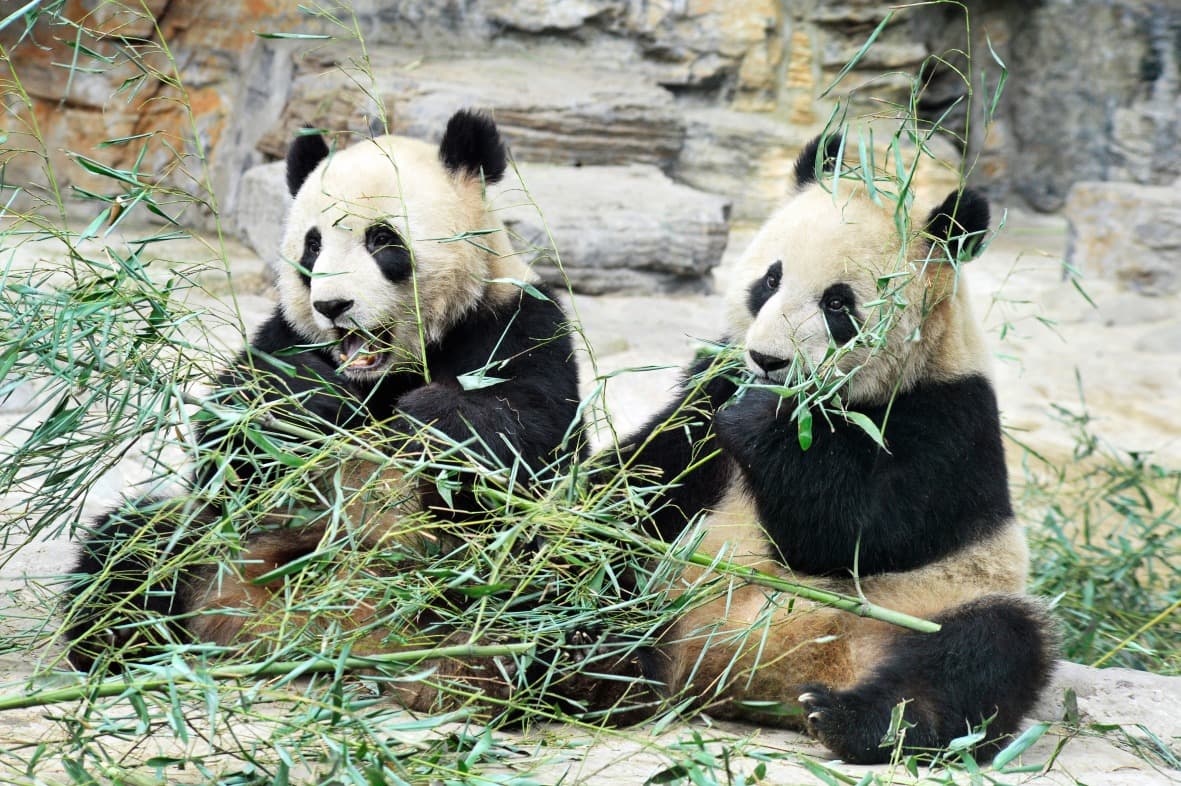
For travellers not venturing to Chengdu, Beijing Zoo remains one of the capital's best places to observe giant pandas in a setting dedicated to their breeding programme. The site combines multiple draws: a landscape garden inherited from the late Qing Dynasty, an extensive zoological collection with rare species (giant panda, Siberian tiger, golden snub-nosed monkey) and a large aquarium accessible with a combined ticket. It's also well-suited for families, with shaded paths and manageable distances.
Over a Century of History
The zoo was founded in 1906, under the Qing Dynasty, as a royal garden housing a few imported animals. It opened to the public in 1908 and sparked considerable interest among Beijing residents.
During the Cultural Revolution in 1966, the zoo was forced to close. It gradually reopened and expanded its collections through international exchanges. In 1999, the opening of its aquarium, then promoted as the country's largest, marked a turning point. Ahead of the 2008 Olympic Games, the site underwent partial renovation, though some facilities retain a dated appearance.
What to See in the Park
The site is organised into 16 zones and exhibition halls, arranged around gardens, small lakes and pavilions. Allow half a day to explore at a leisurely pace.
The Giant Panda Zone
This is the most visited area. Built in 1989 across approximately 10,000 m², it is designed following a Tai Chi pattern and incorporates elements of traditional Chinese gardens. It houses a research centre dedicated to panda breeding, with a nursery where young pandas can sometimes be spotted. It's a good alternative for travellers who don't include Chengdu in their itinerary.
Beijing Aquarium
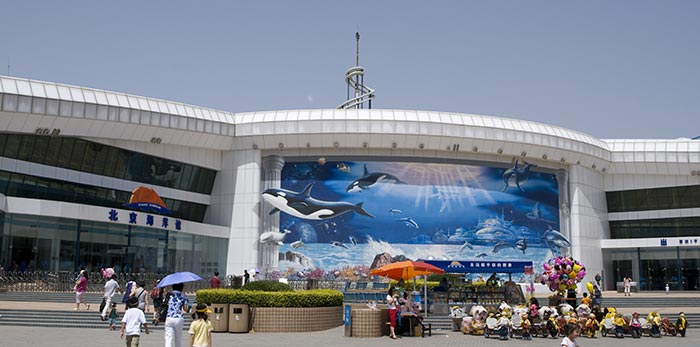
Located in the northern section of the park, the aquarium is recognisable by its shell-shaped architecture. It features themed galleries showcasing freshwater and saltwater marine life, plus dolphin and sea lion performances. It is one of China's largest aquariums. Access is via a combined ticket, considerably more expensive than zoo admission alone.
Other Pavilions
Beyond the pandas, the park offers a large aviary, a feline zone (featuring the Siberian tiger), a primate pavilion home to golden snub-nosed monkeys, and sections dedicated to elephants, bears and African animals.
Practical Information
- Visit duration: 2 to 4 hours for the zoo alone, half a day to a full day including the aquarium.
- Opening hours: open year-round during daytime, with extended hours from April to October. Check current hours on-site or the official website before your visit.
- Admission: moderate entrance fee for the zoo, supplement for the panda zone, and a notably higher combined ticket to include the aquarium. Free for children under 1.20 m tall.
- On-site: food kiosks, shops, restrooms. Bring water and snacks if travelling with children.
When to Visit
The zoo is open year-round, but each season offers distinct advantages:
- Spring (April-May): blooming gardens, pleasant temperatures, moderate weekday crowds.
- Summer (June-August): intense heat and humidity; many animals shelter indoors during midday. Visit early morning.
- Autumn (September-October): the best period, with soft light and mild temperatures.
- Winter (November-March): pandas are more active in cool weather, making this a good season for the panda zone, despite Beijing's dry cold.
Avoid Chinese public holidays, particularly National Day (early October) and Chinese New Year, when crowds are substantial.
How to Get There
The zoo is located west of the centre, in Xicheng District.
- Metro: Line 4, Dong Wu Yuan station, exit A. The station opens directly near the main entrance.
- Bus: numerous urban routes serve the Dong Wu Yuan stop. Ask locally or use a local navigation app.
- Taxi / Ride-hailing: tell the driver "Beijing Zoo" or 北京动物园; the journey from the centre is quick outside rush hours.
Nearby
The western sector of Beijing allows you to easily combine several visits:
- Beihai Park, a former imperial garden with its lake and white pagoda.
- Zhongshan Park, bordering the Forbidden City.
- Tiananmen Square, accessible by metro from the zoo.
- Temple of Heaven, for a complementary half-day visit in the southern part of the city.
Frequently Asked Questions
Frequently asked questions
Yes. A zone of approximately 10,000 m² has been dedicated to them since 1989, with a research centre and nursery where young pandas can sometimes be seen.
Allow 2 to 4 hours for the zoo alone. Including the aquarium, plan for half a day to a full day.
If your itinerary includes Chengdu and its panda research base, the experience there is more immersive. Beijing Zoo remains a good option for those not travelling to Sichuan.
No. You need a combined ticket that is notably more expensive than zoo entry alone. You can also purchase an aquarium-only ticket separately on-site.
Yes. The paths are flat and shaded, distances are reasonable, and admission is free for children under 1.20 m tall.
Plan Your Trip
Beijing Zoo integrates well into a multi-day stay in the capital, complementing major imperial sites. To build a tailor-made itinerary including Beijing and other regions of China, consult our China travel ideas.
Photos
Nearby

Interested in this visit?
We can include it in your personalised itinerary.