Beishan Temple
Beishan Temple
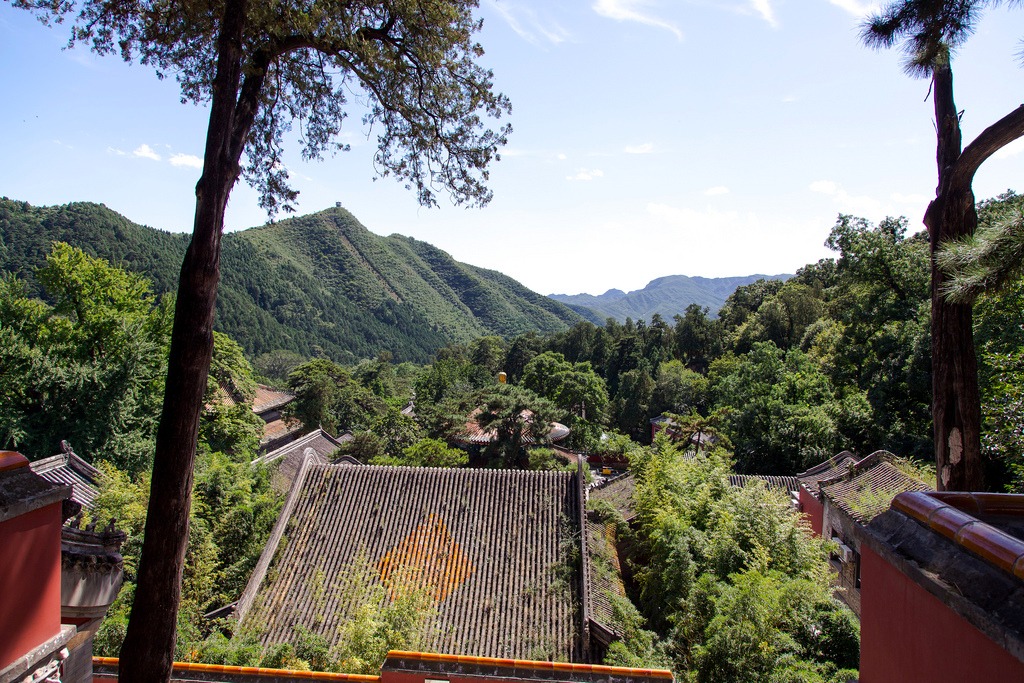
Nestled against the Northern Mountain in Xining, Beishan Temple brings together temple-caves dating back 1,700 years on the southern branch of the Silk Road.
The Beishan Temple, also known as the Northern Mountain Temple or Beishan Si, is a clifftop religious complex situated northwest of Xining, in Qinghai Province. It combines Buddhist and Taoist traditions on a site occupied for nearly seventeen centuries, overlooking the valley.
Why visit Beishan Temple
The site merits attention for three compelling reasons:
- It represents the earliest known example of religious architecture in Qinghai Province, founded under the Northern Wei Dynasty.
- Its hybrid architecture, blending Buddhist and Taoist elements, makes it a rare case in western Chine.
- Its elevated position on the southern branch of the Silk Road offers unobstructed views of the Xining valley and surrounding mountain ranges.
A visit is relatively brief (allow approximately 1 to 2 hours on-site) but complements a stay in Xining nicely, especially alongside Kumbum Monastery or Qinghai Lake.
History of the temple
Beishan Temple was constructed under the Northern Wei Dynasty (386-534), a period when Buddhism spread widely throughout northern Chine. The site marks the earliest known example of religious architecture in Qinghai Province and illustrates the penetration of Buddhist beliefs into this frontier region, located on the southern branch of the Silk Road.
Over centuries, the complex accommodated Buddhist and Taoist practices side by side, explaining the diversity of its sanctuaries. The caves carved into the cliff face represent the oldest remains, dating back approximately 1,700 years, and testify to the work of monks who shaped the rock to create chapels and niches.
What to see on-site
The clifftop caves
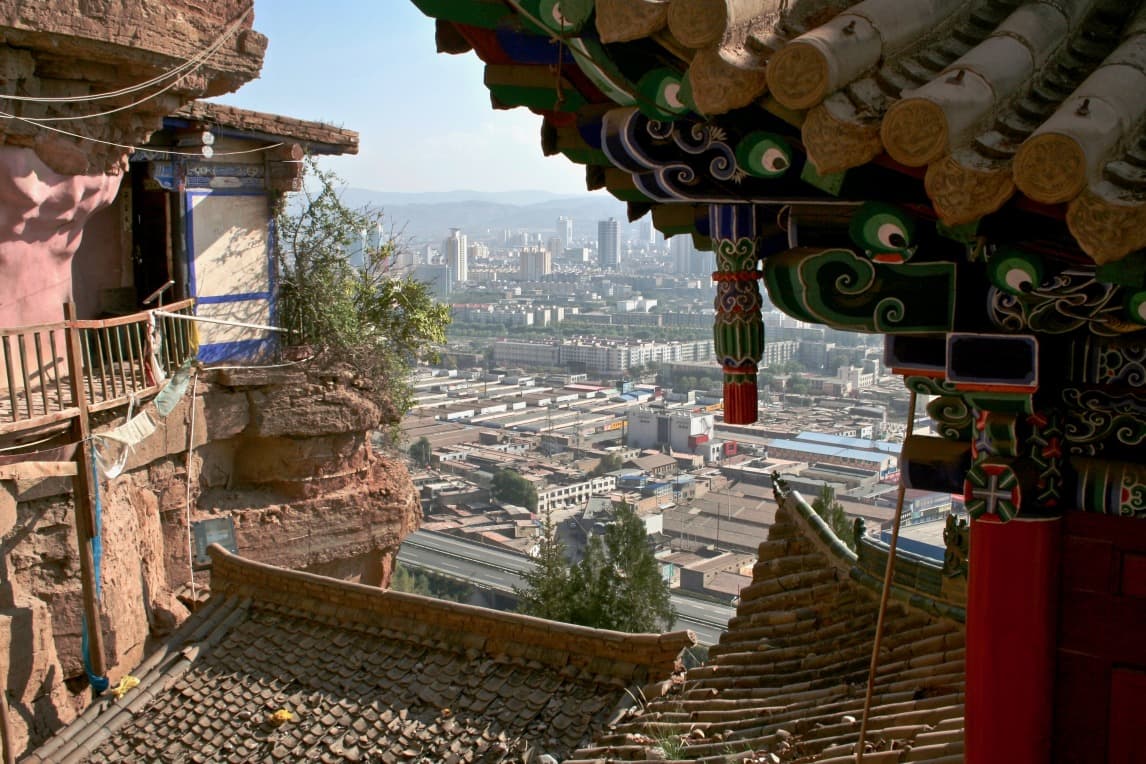
The heart of the site comprises temple-caves roughly 1,700 years old, carved into the face of the Tulou Mountain (another name for the Northern Mountain). Most of these caves are now closed to the public for conservation reasons, but their arrangement remains visible from the external walkways.
The enclosure and hybrid architecture
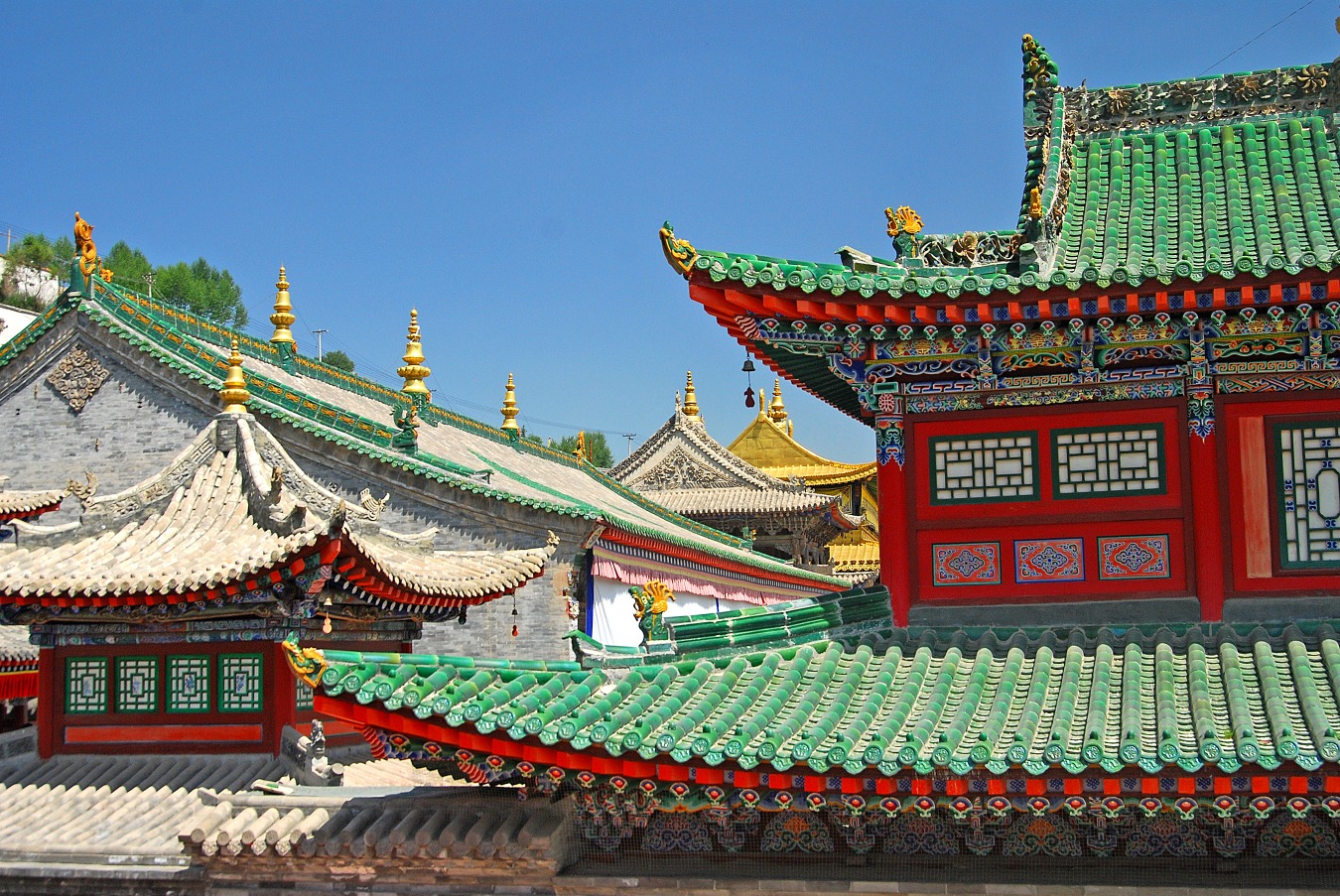
The complex spans approximately 28,000 square meters, nestled against the mountainside. You'll observe a rare cohabitation between Buddhist elements (pavilions, statues, sculptured niches) and Taoist features (altars, local deities). This layering reflects Qinghai's religious history, at the crossroads of Han, Tibetan, and Central Asian influences.
The panorama over Xining
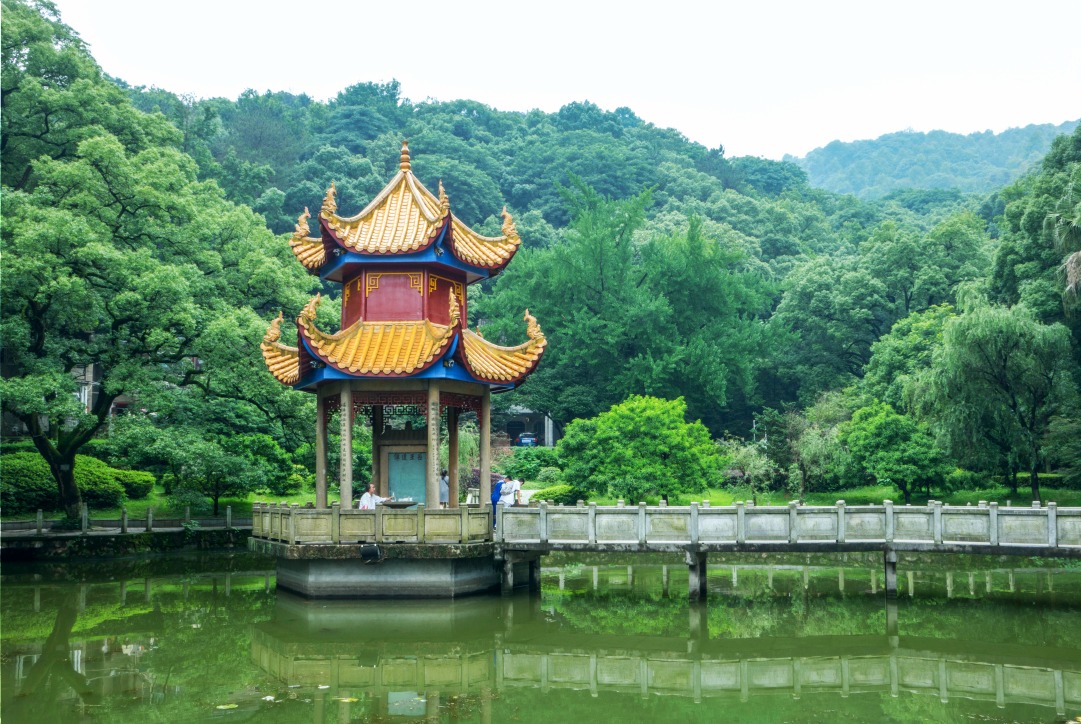
From the upper terraces, views sweep across the valley and the city of Xining below. The contrast between the bare slopes and the wooden-roofed temple structures creates one of the site's most striking images.
Practical information
- Location: northwest of Xining, on the slopes of the Northern Mountain (Beishan / Tulou).
- Duration of visit: 1 to 2 hours, including the trail.
- Access to the temple: short climb of approximately 15 minutes from the base of the mountain, along an open slope. Wear sturdy footwear and bring water, especially in summer.
- Admission fee: modest entrance fee, payable on-site.
- Hours: daytime hours only; verify current opening times at your accommodation before visiting.
- Accessibility: the site features steps and sloped passages, not well-suited for people with reduced mobility.
How to get there
The temple is easily accessible from central Xining:
- By bus: Bus 107 departing from the bus station drops visitors near the base of the mountain (verify the current route, as the urban network evolves regularly).
- By taxi or ride-sharing: the quickest option from downtown, particularly convenient if combining this visit with other sites.
- On foot: from the park entrance, allow approximately 15 minutes of walking to reach the main complex.
What to see in the region
Beishan Temple fits into a broader itinerary around Xining and Qinghai's capital. To further explore religious sites and Chinese cultural landscapes, you may also consult:
- The Great Wild Goose Pagoda, another major landmark of Chinese Buddhism.
- The Thousand Buddhas Caves of Bezeklik, on the northern branch of the Silk Road.
- The Longgong Cave, for a different perspective on Chinese subterranean heritage.
Planning your journey
To incorporate Beishan Temple into a western Chine circuit, consult our suggested itineraries on our Chine trips and tailor your route based on your stay duration and the season.
Interested in this visit?
We can include it in your personalised itinerary.