Donglin Temple in Anshun
Donglin Temple in Anshun
A Buddhist sanctuary founded in 1405 east of Anshun, Donglin Temple preserves relics, ancient texts and an active monastic community.
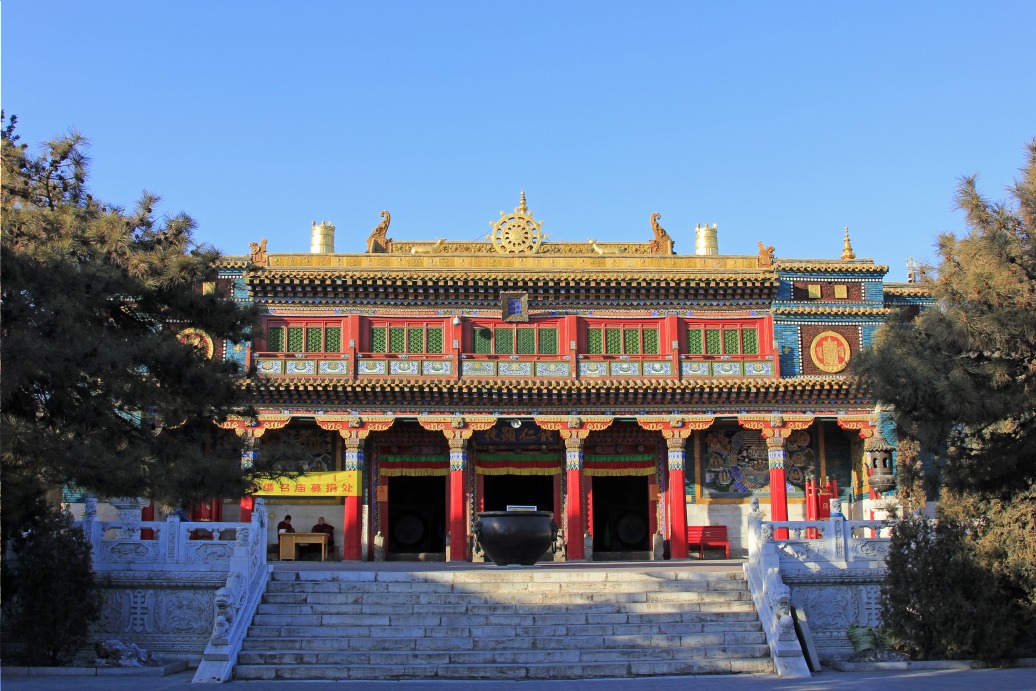
East of Anshun's city center, in Guizhou province, the Donglin Temple is a Buddhist sanctuary built in the early 15th century. Still active today, it houses a monastic community and preserves several relics and Buddhist texts within its stone and wooden halls.
Why visit Donglin Temple
Donglin Temple holds both historical and religious significance. It stands among Guizhou's ancient Buddhist structures—a province with fewer major religious monuments than central or eastern China. A visit here offers insight into local Buddhist practice within a living context: you'll encounter resident monks, pilgrims lighting incense, and periodic ceremonies following the liturgical calendar.
Compared to China's major tourist temples, Donglin remains relatively understated and frequented primarily by local practitioners, making it a compelling complement to exploring Anshun's natural sites.
Temple history
Donglin Temple was constructed in 1405 under the Ming dynasty, during a period when Chan Buddhism was experiencing renewed diffusion across southwestern China. The building underwent restoration in 1668 under the Qing dynasty, which accounts for its general appearance visible today: this Ming-Qing overlap is common in Chinese religious architecture, with original structures often rebuilt or reinforced over centuries.
The temple suffered damage during the Cultural Revolution (1966-1976), when many Chinese places of worship were defaced or closed. Rehabilitation efforts followed, with the government financing necessary repairs to restore it to active use. This late restoration explains why certain decorative elements, statues, and furnishings are relatively recent compared to the structural framework.
What to see on site
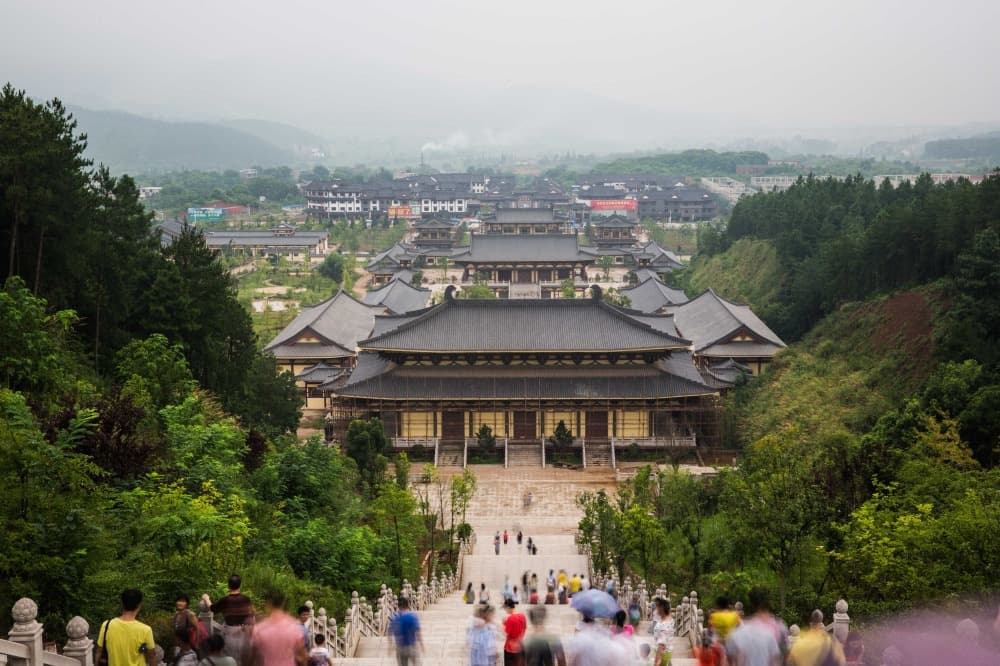
The temple follows the classic layout of Chinese Buddhist monasteries, with a succession of courtyards and pavilions aligned along a central axis.
- Stone and wooden architecture: main halls combine stone walls and foundations with painted wooden frames and columns, following traditional southwestern Chinese construction techniques.
- Worship halls: they house Buddha and bodhisattva statues, before which monks and devotees perform daily rituals.
- Relics and Buddhist texts: several halls display relics and Buddhist books, attesting to the site's doctrinal activity.
- Monastic life: the presence of resident monks gives the site a living dimension, with daily services and recitation sessions at various times.
As in most active temples in China, visitors are expected to show respect: wear modest clothing, speak quietly, and seek permission before photographing statues or monks.
Practical information
The temple is open to the public during daylight hours, with generally minimal or free admission. Since hours and fees may change, it's best to verify them with your Anshun accommodation before visiting. Plan around 30 minutes to 1 hour for a leisurely tour, or longer if you attend a ceremony.
The best time to visit corresponds to the dry months, from spring through autumn, as Guizhou's climate tends to be humid and misty in winter.
How to get there
Donglin Temple is located east of Anshun's city center. From the train station, bus station, or a central hotel, the simplest option is to take a taxi or ride-hailing app: the journey is short and inexpensive. Some urban bus lines also serve the area; it helps to have the temple's name written in Chinese characters (东林寺) to facilitate communication with the driver.
What to see nearby
Anshun is primarily known for its karst landscapes and natural sites, which pair well with a temple visit:
- The Longgong Cave, a vast network of cavities and underground rivers near Anshun.
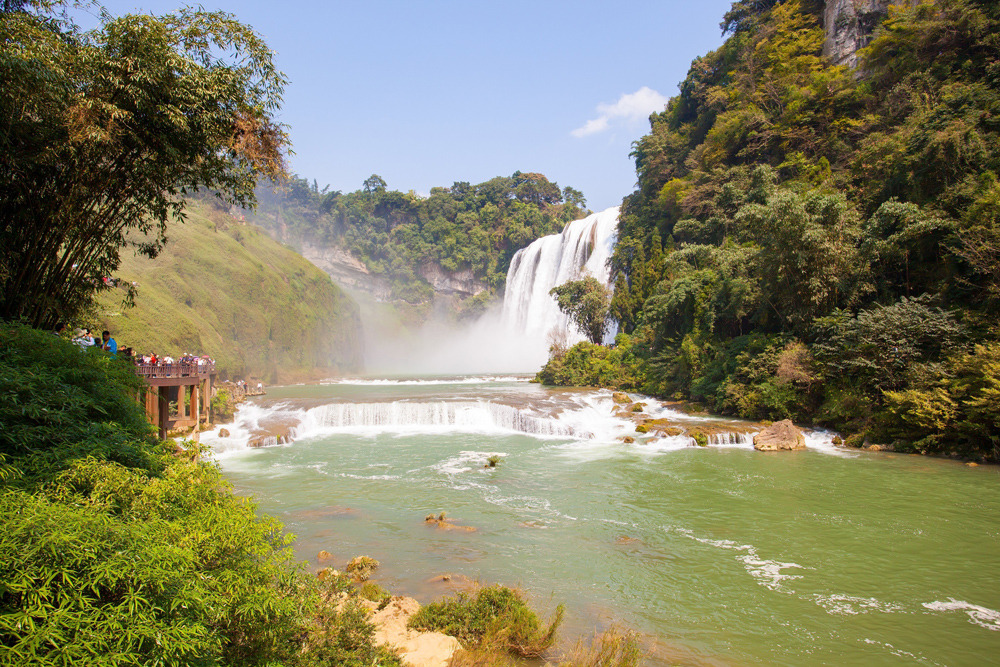
- The city of Anshun itself, a gateway for exploring the Huangguoshu waterfalls region and Bouyei and Miao villages.
To further explore Buddhist heritage in China, you can also consult guides to the Great Wild Goose Pagoda in Xi'an and the Bezeklik Thousand Buddha Caves in Xinjiang.
Including Anshun in your journey
Donglin Temple integrates easily into a trip combining heritage and nature in Guizhou. To craft a bespoke itinerary featuring Anshun and its surroundings, explore our China travel suggestions.
Interested in this visit?
We can include it in your personalised itinerary.