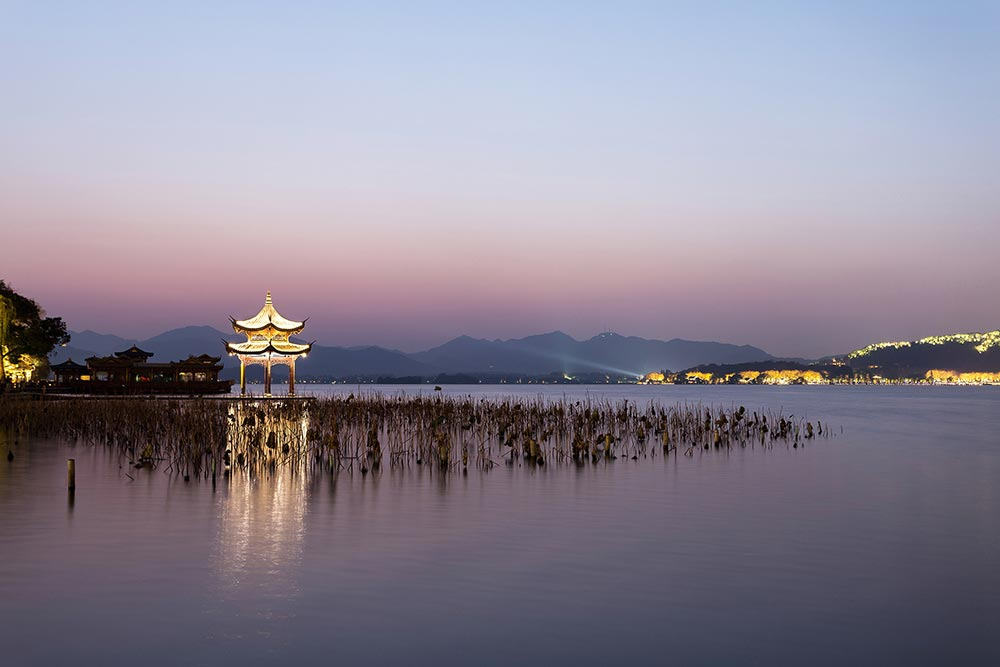
Gushan Drum Mountain
Gushan Drum Mountain
Just 10 km from Fuzhou, Gushan Mountain combines the thousand-year-old Yongquan temple, over 300 rock inscriptions and four peaks reaching 925 m.
Gushan Mountain, or the "Drum Mountain", rises less than 10 km east of Fuzhou, in Fujian province. Across 48 km², it brings together four peaks, a thousand-year-old temple and more than three hundred rock inscriptions, which secured its listing among China's national scenic sites.
Why visit Gushan
Gushan combines three attractions rarely found in a single location: a living Buddhist heritage at Yongquan temple, a calligraphic memory spanning multiple dynasties, and accessible hiking terrain within less than an hour by bus from Fuzhou. The site appeals equally to walkers and visitors interested in Fujian's cultural history.
The name "Drum Mountain" comes from a rock at the summit: on rainy days, it resonates like a struck drum, a phenomenon that fostered the site's sacred reputation since ancient China.
History and heritage
Gushan was among China's imperial preferred destinations as early as the Jin Dynasty (265-420). Scholars, monks and officials climbed here to meditate, compose poetry, or leave carved traces in stone.
The Yongquan Temple, founded in the early 10th century, has graced the landscape for nearly a thousand years. It became one of Fujian's great monasteries and remains an active religious site today.
The site also houses more than 300 calligraphic rock inscriptions, attributed to figures from the Song and Qing dynasties. Scattered across the mountain, they form one of the densest epigraphic ensembles in southeast China and provide precious insight into the region's cultural history.
What to see on the mountain
The ancient path and its 2,000 steps
Before the cable car was built, the paved pathway was the only access to Yongquan temple. It features more than 2,000 steps and winds through tea plantations, rest pavilions and the first rock-carved inscriptions. Allow two to three hours of steady climbing.
The rock inscriptions
Scattered along the trails and around the temple, the inscriptions showcase multiple calligraphic styles. Some are signed by renowned scholars, others remain anonymous. An English-speaking guide or explanatory signage helps identify the most remarkable examples, otherwise they easily go unnoticed.
Yongquan Temple
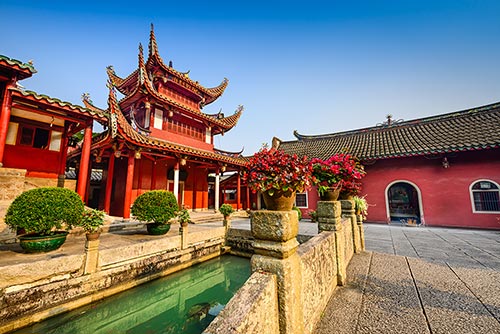
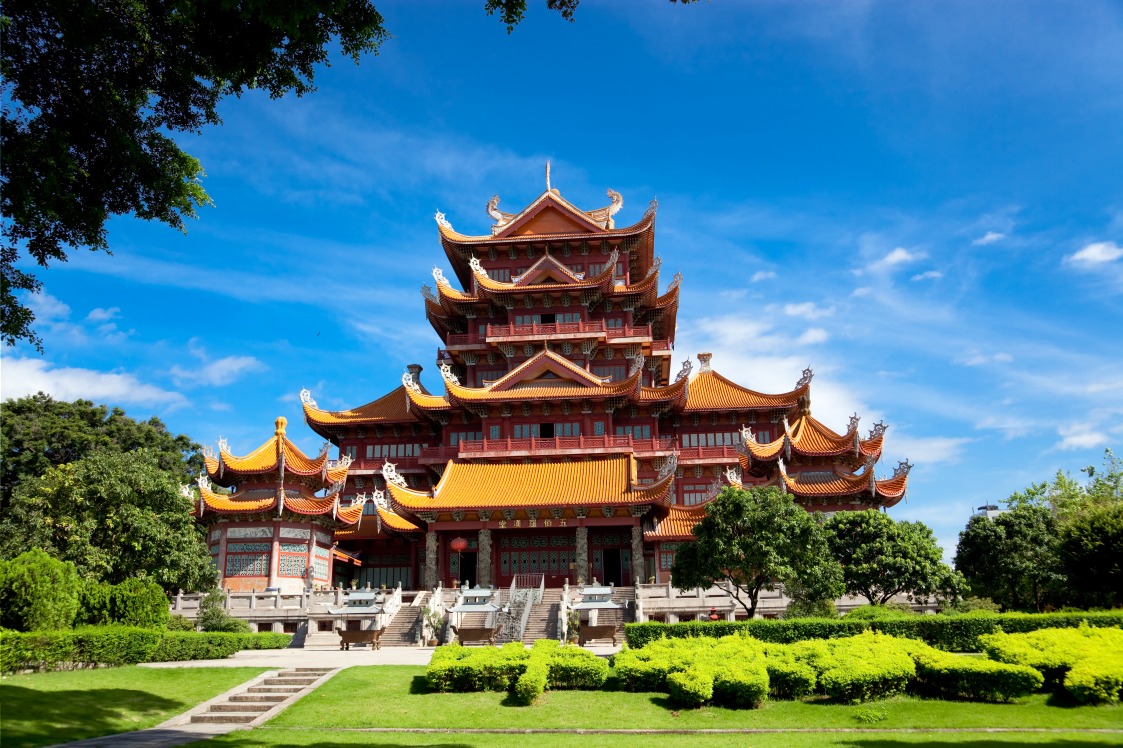
The temple sprawls across 17,000 m² and comprises 25 halls built in the style of the Ming and Qing dynasties. Painted ceilings, Buddha statues and wooden carvings testify to the care lavished on the décor.
Regarded as a "Buddhist treasure", Yongquan preserves nearly 30,000 volumes of sacred texts, including inscribed sutras and rare editions. A pond added during the Song Dynasty, populated by turtles and carp, occupies the monastery grounds.
The 18 caves
East of Yongquan Temple, eighteen cavities shelter murals illustrating Chinese myths and legends. Lighting is minimal—bring a flashlight or use your phone's torch function.
Trails and viewpoints
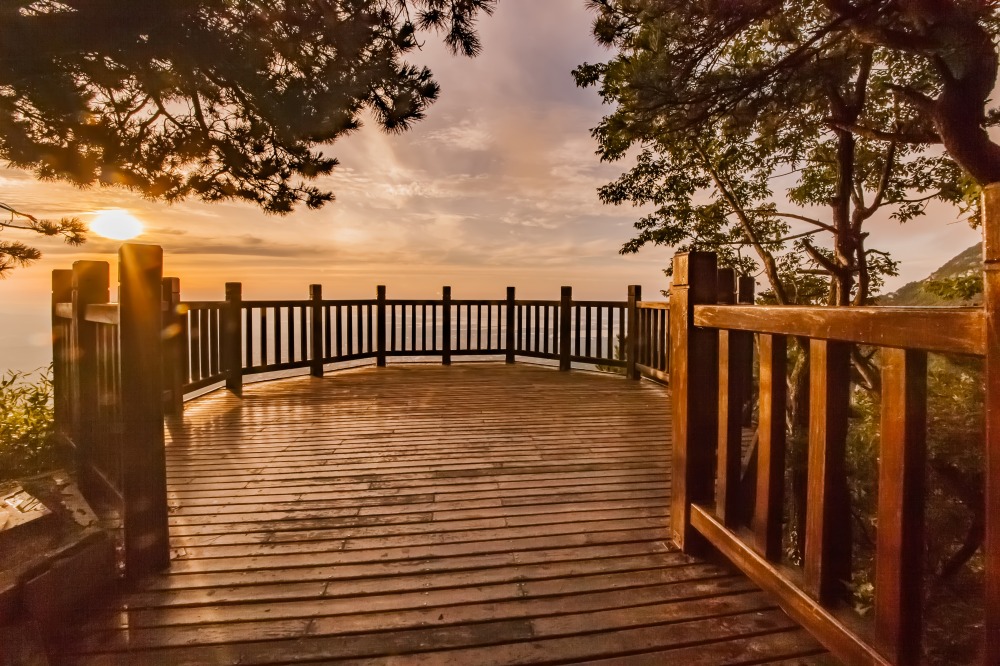
Beyond the temple, several secondary trails lead to waterfalls and viewpoints overlooking Fuzhou and the Min River. The highest peak, at 925 metres, is one of four summits along with Lion Peak, White Cloud Peak and Jar Peak.
Practical information
- Duration: plan a half-day to visit the temple and surrounds, a full day if you climb on foot via the ancient path.
- Admission: hiking trails are free. Yongquan Temple, the 18-cave park and cable car are paid attractions at moderate rates (payment in yuan, sometimes via QR code).
- Equipment: hiking shoes, water, sun protection in summer, warm clothing in winter.
- Cable car: round-trip or one-way; useful to avoid the paved climb if time is limited.
When to visit
Fujian's subtropical climate makes Gushan accessible year-round. Spring (March-May) and autumn (October-November) offer the most pleasant conditions, with mild temperatures and lush vegetation. Summer is hot and humid, with frequent storms that make steps slippery but bring the drum rock to "sing". Winter remains passable, cooler, with occasional mist at higher elevations.
If possible, avoid weekends and Chinese public holidays (Lunar New Year, May and October golden weeks), when local crowds are heaviest.
How to get there
From Fuzhou's city centre, several urban bus lines serve the mountain's main entrance. Disembark at Gushan Xiayuan (鼓山下院) stop, which marks the access to the paved trail and the foot of the cable car. Expect 30 to 60 minutes travel time depending on your starting point and traffic. A ride-hailing service (Didi) or taxi is a quick alternative from downtown.
Nearby attractions
Gushan is naturally visited from Fuzhou, Fujian's provincial capital, whose ancient lanes of Sanfang Qixiang complement the day well. If you extend your China itinerary, other heritage sites deserve a detour:
- Wild Goose Pagoda in Xi'an, contemporary with the great dynasties referenced at Gushan.
- Bezeklik Thousand Buddha Caves, another pinnacle of Chinese Buddhism.
- Longgong Cave, offering another perspective on China's karstic landscapes.
Frequently asked questions
Frequently asked questions
A half-day is sufficient if you use the cable car and limit your visit to Yongquan Temple. To climb on foot via the ancient path, explore the inscriptions and 18 caves, allow a full day.
Hiking trails are free. Yongquan Temple, the 18-cave park and cable car charge admission at moderate rates, typically payable in yuan or via mobile payment.
The paved trail has more than 2,000 steps and requires reasonable fitness. The cable car allows less athletic visitors to reach the temple without difficulty.
A large rock at the summit resonates like a drum on rainy days, due to wind and water. This acoustic property gave the site its name.
Yes. Founded nearly a thousand years ago, it remains an active Buddhist monastery welcoming monks, devotees and visitors.
Including Gushan in your trip
Drum Mountain integrates seamlessly into an itinerary combining Fujian, the southeast coast and China's great historical capitals. To build a tailor-made journey blending Buddhist heritage, hiking and imperial cities, consult our China travel ideas.
Photos
Interested in this visit?
We can include it in your personalised itinerary.