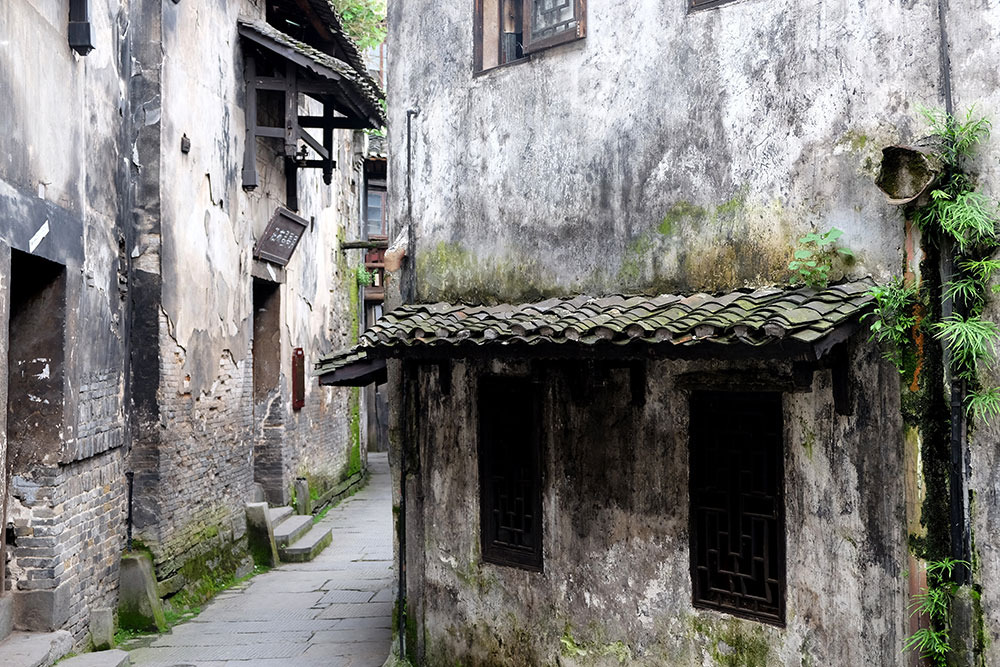
Wanshang Birds and Flowers Market (Wanshang Huaniao Market)
In the Huangpu district, Wanshang market brings together singing birds, tropical fish, insects and flowers across several levels. A slice of Shanghai life away from the usual tourist circuits.
In the heart of the Huangpu district, Wanshang market groups together across several levels vendors of birds, fish, insects, flowers and pets. It is one of the few markets of this type still active in Shanghai, frequented both by local residents and the curious. The sonic atmosphere — bird songs, the splash of aquariums — makes it a sensory experience in its own right.
Quick reference information
- Entry: free access
- Access: metro line 8, Laoximen station; a few minutes on foot
- Recommended duration: 1 to 2 hours
- Dress code: no particular constraints
What to see
The market extends across several floors and sections. On the ground floor and upper levels are successive stalls of tropical fish, turtles, crickets and grasshoppers sold in small bamboo cages. Singing birds — thrushes, finches, parakeets — occupy a large portion of the space. Cut flowers and potted plants round out the offerings.
History and context
Bird and flower markets are an ancient tradition in major Chinese cities. In Shanghai, raising singing birds is a popular practice among elderly men, who gather early in the morning to walk their cages and have their birds sing. Wanshang perpetuates this urban culture, now in decline in the face of the city's modernization.
Highlights of the visit
Singing birds
Vendors display their birds in finely crafted wooden cages. Some customers come simply to listen and compare the songs. It is a moment of male sociability highly codified, rare to observe in a contemporary urban context.
Fish and insects
Stacked aquariums offer dozens of species of tropical fish. Insects — crickets and grasshoppers — are sold as pets or for traditional cricket fighting, a practice still alive in certain Shanghai circles.
Flowers and plants
The floral section attracts a different clientele, often women and families. Prices are accessible and the offerings vary by season.
Photography tips
Natural light is limited inside the market. Favor the outdoor edges in the morning to photograph vendors and their cages. Inside, ask merchants for permission before photographing their animals or stand — a gesture that is appreciated and facilitates exchange.
Location and access
The market is located in the Huangpu district, near the old Chinese city. Laoximen metro station (line 8) is the closest. The Yu Garden and the old city district are within walking distance.
Nearby attractions
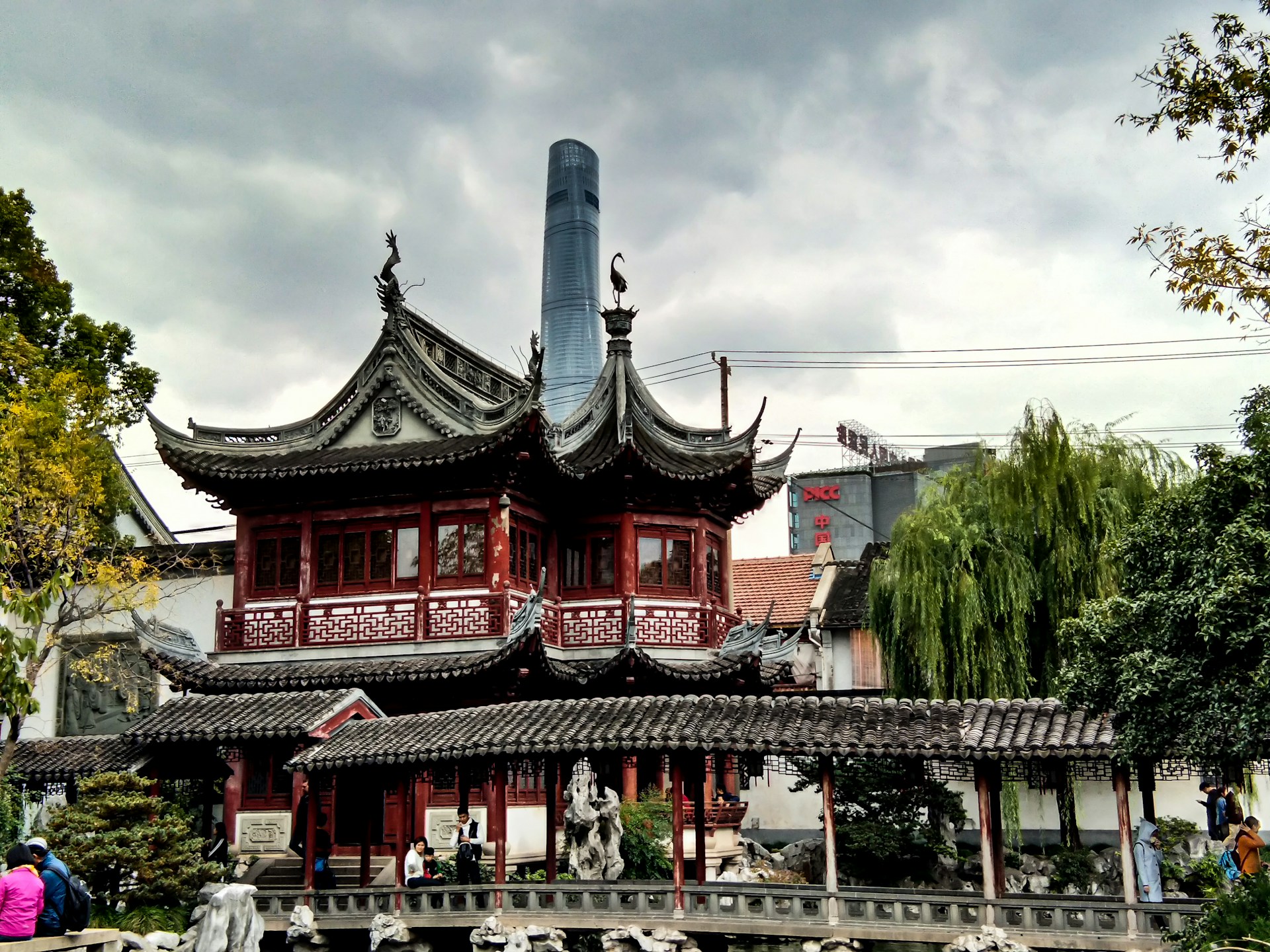
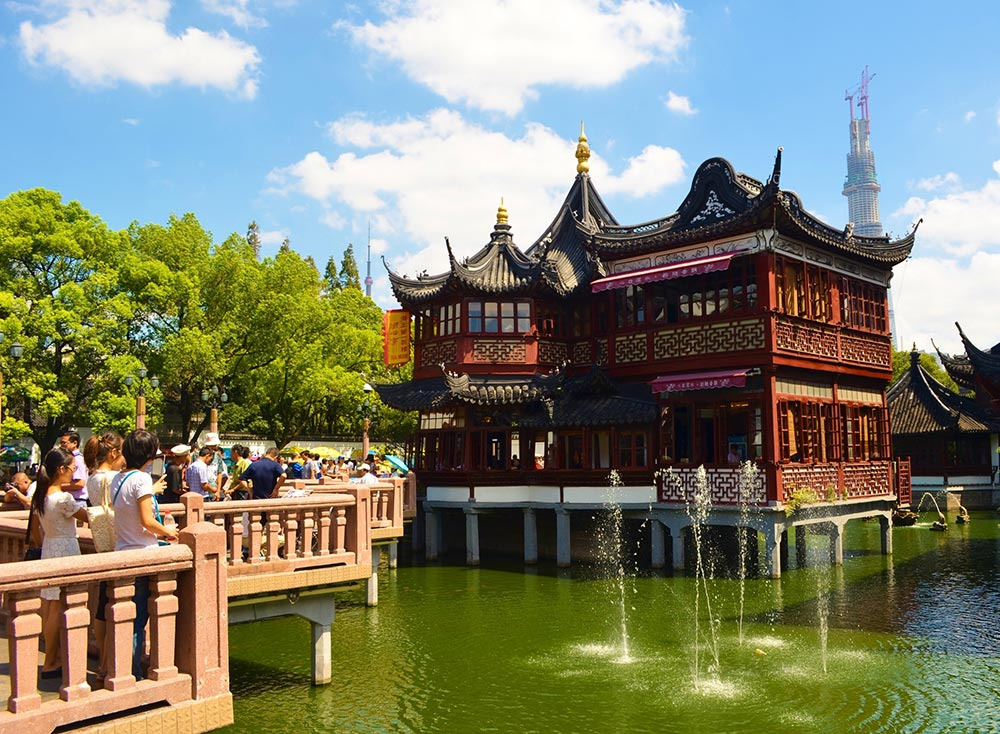
- Yu Garden — classical Ming dynasty garden, one of the best preserved in Shanghai.
- City God Temple — active Taoist temple at the heart of the old city, still frequented by worshippers.
- Old City (Nanshi) — shopping streets and traditional architecture steps away from the market.
Frequently asked questions
The market is active year-round. Weekday mornings are the liveliest, with more local vendors and fewer tourists.
Yes, selling animals is the market's main activity. Foreign travelers should however check their country's customs regulations before any purchase.
The variety of animals makes the visit attractive for children. The space is dense and sometimes loud; plan a short visit with young children.
Yes, both sites are within walking distance. A half-day is enough to visit the market and then Yu Garden and its surroundings.
No general prohibition, but it is advisable to ask merchants for permission before photographing their stands or animals.
Nearby
Interested in this visit?
We can include it in your personalised itinerary.