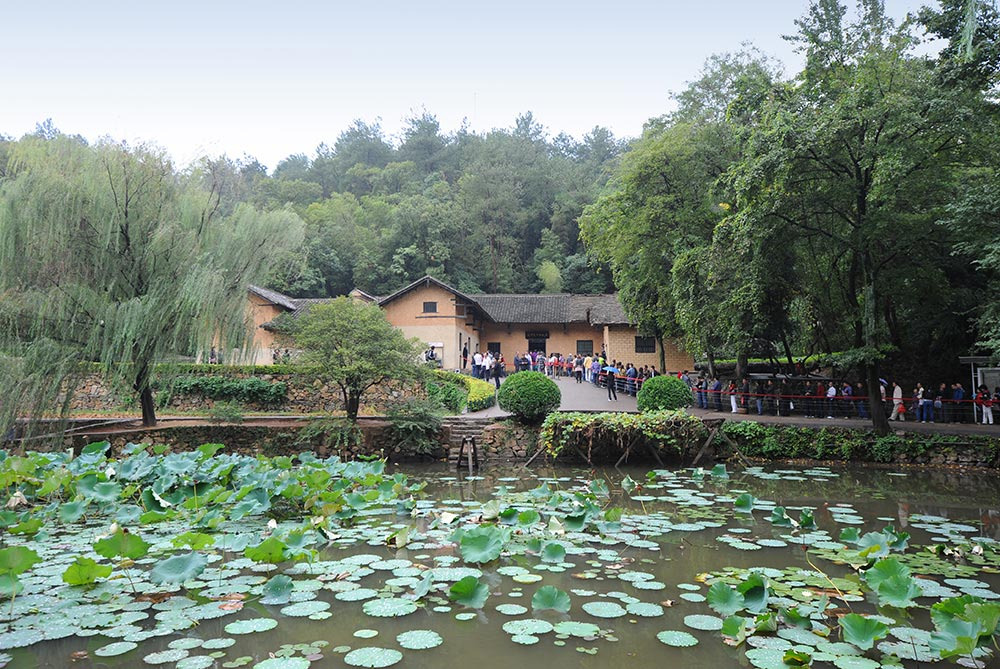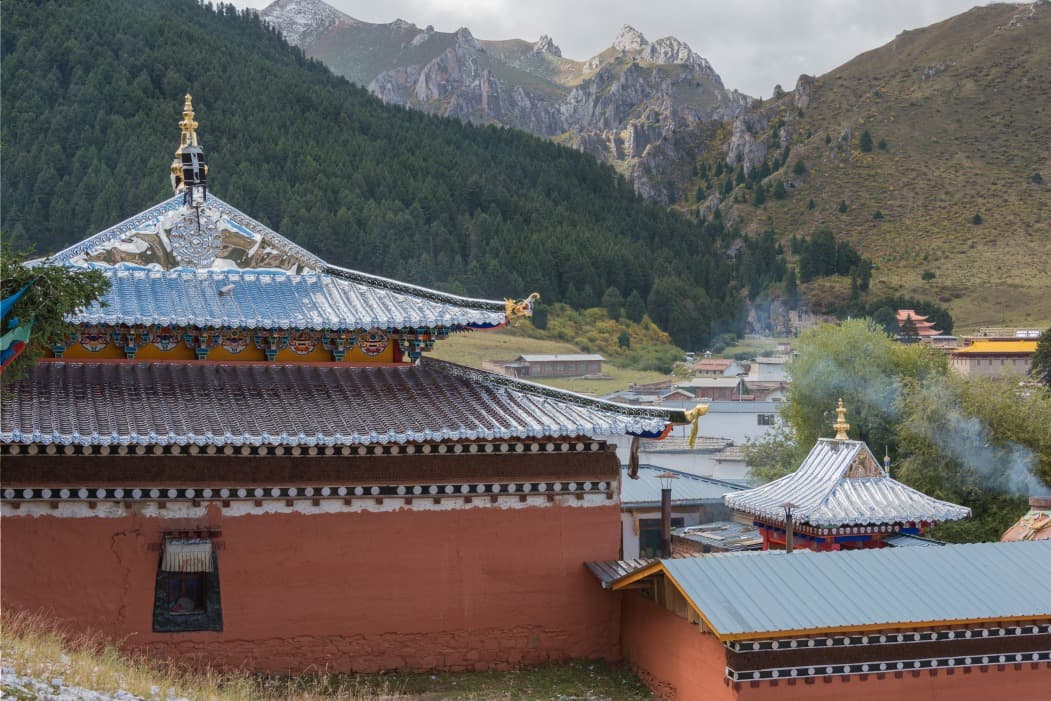
Kerti Gompa Monastery (Geerdi Gompa)
Kerti Gompa Monastery (Geerdi Gompa)
Kerti Gompa is one of two Tibetan Buddhist monasteries in Langmusi, a border village between Gansu and Sichuan. Serene atmosphere, golden roofs, and high-altitude meadows make it a memorable stop.
Perched above Langmusi, Kerti Gompa (also known as Geerdi Si) is one of two grand Tibetan Buddhist monasteries that define this frontier village between Gansu and Sichuan. Founded by the Gelugpa lineage, it dominates the valley from red cliffs framing the Bailong River. Less visited than its neighbor Sertri Gompa, it offers a contemplative atmosphere and direct access to the surrounding alpine meadows.
Quick Facts
- Access: on foot from central Langmusi, heading up the valley on the Gansu side (north bank of the river).
- Dress code: shoulders and knees must be covered; remove shoes before entering prayer halls.
- Recommended time: 1.5 to 2 hours for the monastery and immediate surroundings.
- Photography: ask permission before photographing monks or the interior of temples.
What to See
The complex comprises several buildings with golden roofs characteristic of Gelugpa Tibetan architecture. The main assembly hall houses thangkas, Buddha statues, and rows of meditation cushions. Prayer wheels line the circumambulation paths. Around the monastery, white stupas dot the meadows, and colorful prayer flags string between pines.
History and Context
Langmusi is a historic crossroads between Tibetan, Hui, and Han worlds. Kerti Gompa belongs to the Gelugpa tradition—the same as the Dalai Lama's. The monastery suffered destruction during the Cultural Revolution and was partially reconstructed from the 1980s onward. It remains an active center of Buddhist teaching, with a resident community of monks.
Highlights of Your Visit
The Assembly Hall
This is the heart of the monastery. Early in the morning, monks gather here for collective prayers. The sound of drums, cymbals, and deep chanting creates a rare atmosphere, accessible to respectful visitors.
The Circumambulation Path
A trail marked by prayer wheels and stupas circles the site. It climbs gradually toward the red cliffs, offering sweeping views of Langmusi valley and Tibetan meadows.
Alpine Meadows Above the Monastery
Continuing beyond the monastery, you reach high-altitude pastures where yaks graze freely. This high-steppe Tibetan landscape contrasts with the golden roofs of the religious complex below.
Etiquette and Visitor Rules
- Always circumambulate stupas and prayer wheels clockwise.
- Do not point your feet toward altars or statues.
- Speak in hushed tones inside prayer halls.
- Do not touch ritual objects unless invited to do so.
- Always ask before photographing monks or temple interiors.
Photography Tips
Morning light is ideal: it strikes the golden roofs and prayer flags before valley mist clears. The circumambulation path offers low-angle shots of buildings with red cliffs in the background. In late afternoon, raking light colors the meadows and white stupas.
Location and Access
Langmusi is accessible by bus from Zoige (Ruoergai) on the Sichuan side, or from Hezuo on the Gansu side. The village is small and entirely walkable. Kerti Gompa sits on the north bank (Gansu side); Sertri Gompa occupies the south bank (Sichuan side). Accessibility for visitors with mobility challenges is limited due to sloped terrain and unarranged stairs.
Nearby Attractions
- Sertri Gompa Monastery — the other major monastery in Langmusi, on the Sichuan side, with a sky burial site accessible to visitors.
- Zoige (Ruoergai) Meadows — vast wetland and Tibetan pastures a few hours' drive away, habitat of black-necked cranes.
- Langmusi Gorges — narrow canyon behind the village, walkable, with springs and lush vegetation.
Frequently asked questions
May to October: meadows are green and roads passable. Winter is severe and some access routes may be snow-covered. Tibetan Buddhist festivals (Losar, Saga Dawa) enliven the monastery but also attract more visitors.
Yes, morning prayers are generally open to respectful visitors. Arrive early, stay back, and avoid noise or camera flash.
Shoulders and knees must be covered. Remove shoes before entering prayer halls. Bring clean socks.
Yes, the two monasteries are within walking distance of each other in the village. One day is enough to visit both sites and the surrounding gorges.
It is subject to permission. Always ask before photographing temple interiors or monks. Outdoors, there are no particular restrictions.
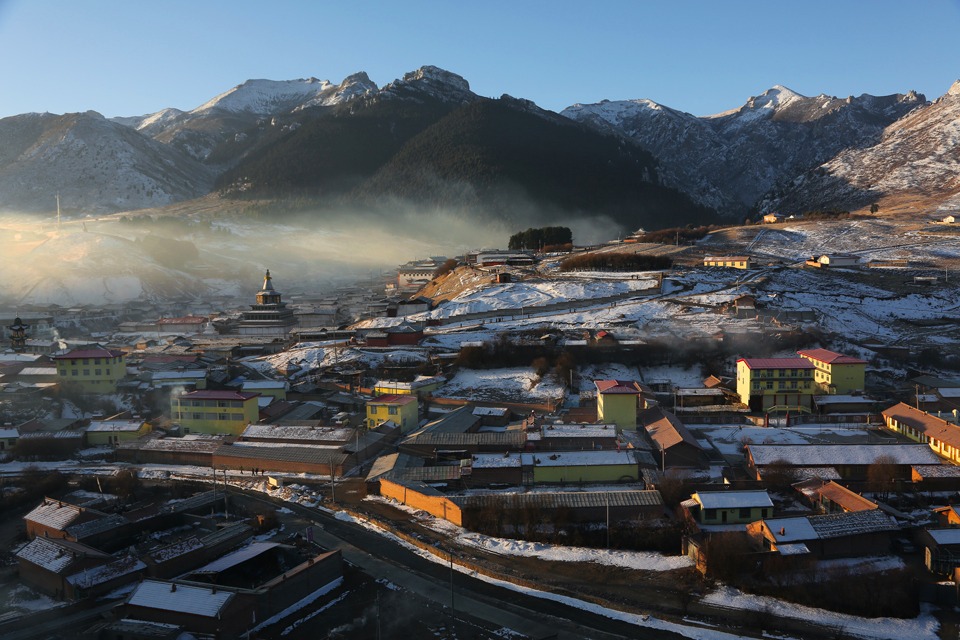
Photos
Interested in this visit?
We can include it in your personalised itinerary.