Tachuan Historic Village
Tachuan Historic Village
Tachuan, a small Huizhou village in Anhui near Hongcun, captivates with its cascading Fengshui layout and autumn hues.
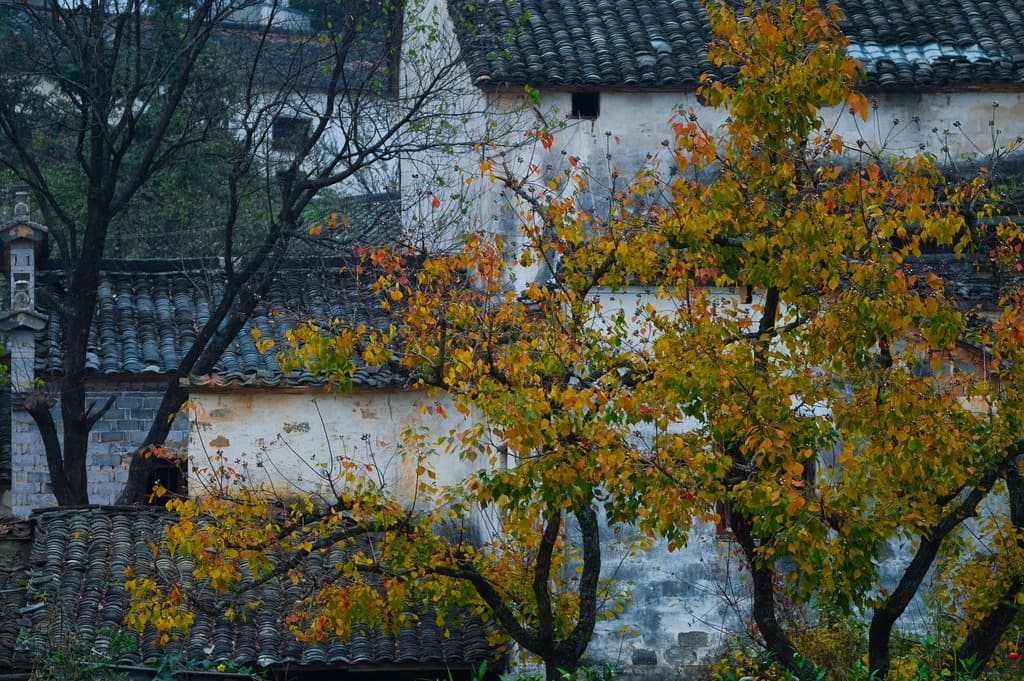
The village of Tachuan (also spelled Tashang) is located in Yixian County, Anhui province, approximately 2 km from Hongcun and about 15 kilometers northeast of the county seat. The site, close to Huangshan Mountain and Qishu Lake, is renowned for its Huizhou architecture and autumn landscapes, when Chinese tallow trees turn brilliant shades of red, yellow, and purple.
Why Visit Tachuan
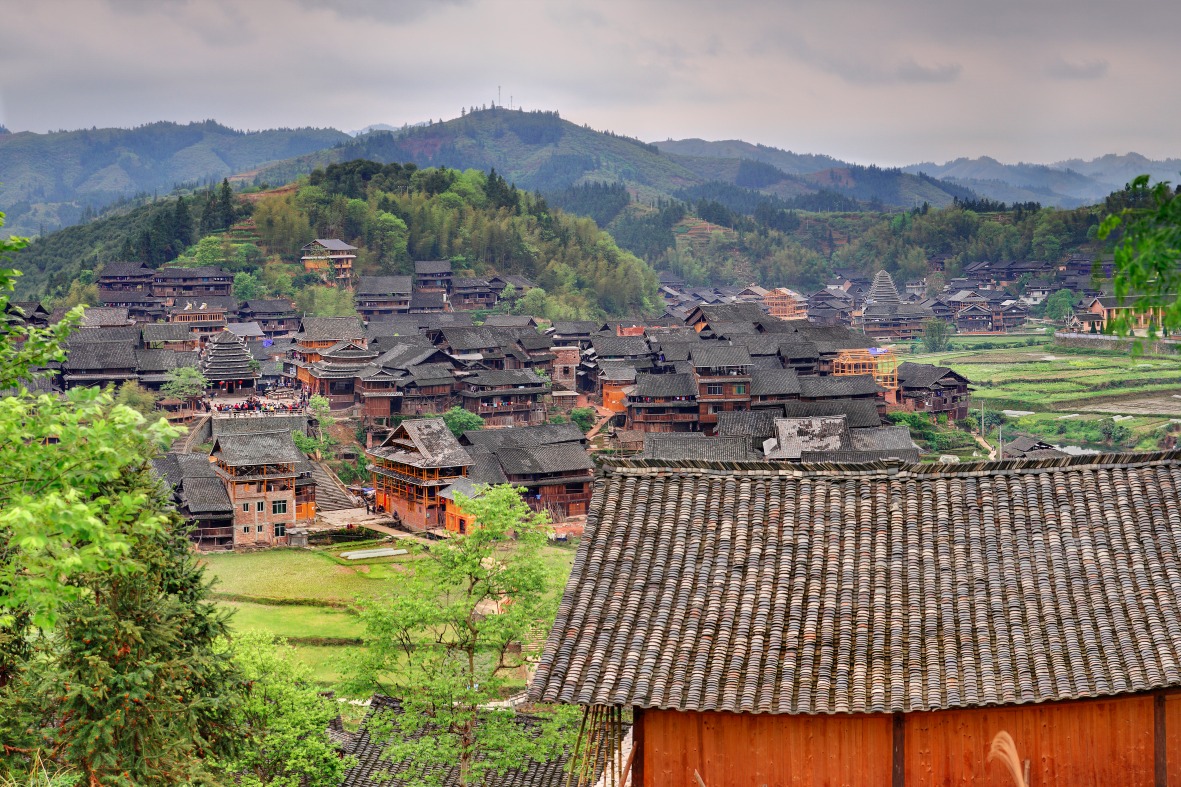
Tachuan distinguishes itself from better-known neighbors like Hongcun or Xidi through its modest size and distinctive layout. The village unfolds across a mountainside around a river, following principles of Chinese geomancy (Fengshui). From a distance, the houses with their cascading roofs resemble a pagoda overlooking the watercourse, which inspired the village's name: Ta means "pagoda" and Chuan means "river".
Three main reasons warrant a visit:
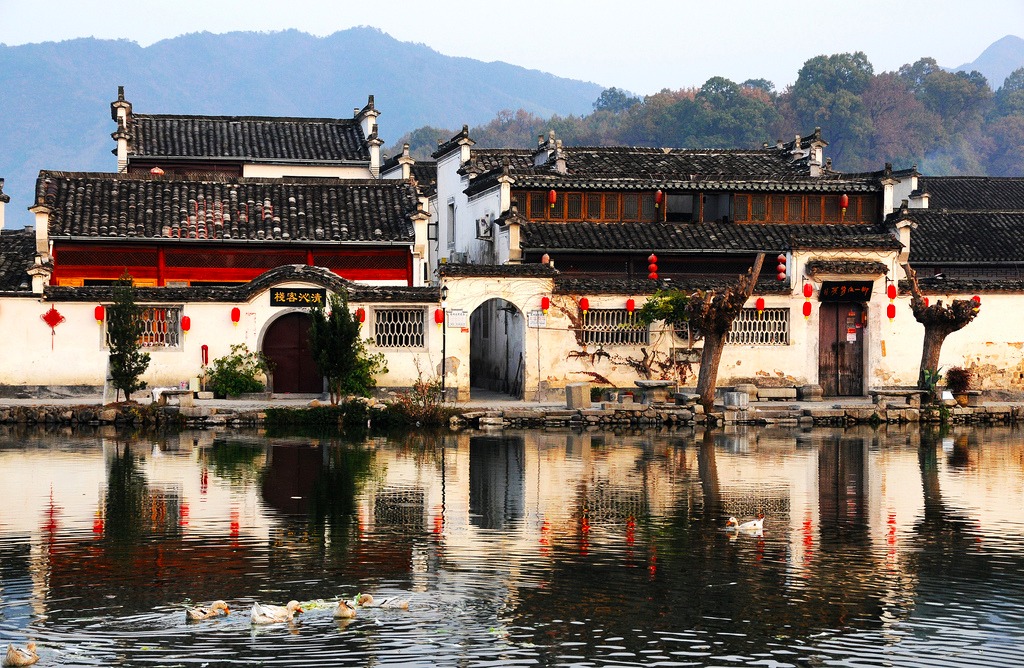
- well-preserved Huizhou architecture, with white facades, black tiles, and upturned roof edges;
- a lush natural setting, home to more than five century-old trees known as the Five Towering Trees;
- reasonable tourist traffic compared to UNESCO-listed villages in the same region.
What to See in Tachuan
Huizhou Architecture and Fengshui Layout
The village covers approximately 10.66 km² and comprises 400 households, or nearly 1,200 residents distributed among 14 community groups. Cultivated lands occupy 13.30 km², with the remainder largely forested. Dwellings, tightly clustered, follow the mountain's slope. Narrow alleyways, stone bridges, and the river flowing down to Qishu Lake form a coherent ensemble best explored at a leisurely pace.
Century-Old Trees
At the village entrance, five century-old trees known as the Five Towering Trees mark the site's gateway. The botanical heritage also includes Chinese tallow trees, maples, and camphor trees, which structure the landscape throughout the year.
Laba Tofu, a Local Specialty
Tachuan's cuisine centers on laba tofu, traditionally dried as the Lunar New Year approaches. Soy curds are cut into round or square pieces, rinsed in salted water, then sun-dried until fully absorbed. The result is a firm, salty, aromatic tofu found in guesthouses and villagers' homes during the season.
When to Visit
The best period spans October to November. In autumn, the leaves of Chinese tallow trees display their brilliant reds, yellows, and purples, and light best reveals the contrast between black roofs and vegetation. Spring, greener and quieter, also suits a visit, as does late winter to observe laba tofu preparation. Summer, warmer and more humid, remains accessible but less photogenic.
Practical Information
The village is open to the public for a modest entrance fee (often included in a combined ticket with Hongcun). It is accessible during daytime hours, from morning to late afternoon; rates and hours evolve regularly, so it's best to verify current conditions before departure. Allow 1 to 2 hours to tour the village on foot. Shops and dining options remain simple: bring small change.
How to Get There
Tachuan is typically combined with a visit to Hongcun, 2 km away. Two options:
- On foot from Hongcun: approximately 30 minutes via a marked trail through rice paddies and bamboo groves;
- By motorcycle trike: quick journey from Hongcun's entrance, negotiated on-site with drivers.
To reach the area, access is from Yixian town, itself connected by bus to Tunxi (Huangshan), the region's main entry point served by train and air.
Nearby Attractions
- Hongcun, a UNESCO World Heritage village renowned for its Huizhou architecture and water system;
- Xidi, another UNESCO village in the same province;
- Huangshan Mountain, celebrated for its granite peaks and ancient pines;
- Qishu Lake, downstream of the river flowing through Tachuan.
To plan a broader itinerary across Chine, you can also explore other historic sites such as the Great Wall at Juyongguan or the Great Pagoda of the Wild Goose.
Frequently Asked Questions
Frequently asked questions
One to two hours are sufficient to explore the village, its alleyways, and century-old trees. Combined with a Hongcun visit, plan a half-day.
Autumn, between October and November, when Chinese tallow trees change color. Early morning and late afternoon provide the best light on Huizhou roofs.
On foot in about 30 minutes via a marked path, or by motorcycle trike from Hongcun's entrance. The walk is easy and offers lovely views of the countryside.
Laba tofu, a salty soy curd dried in the sun, traditionally prepared as the Lunar New Year approaches.
Yes, an entrance ticket is required, often included in a combined ticket with Hongcun. Rates and hours change: verify current conditions before your visit.
Plan Your Visit
Tachuan fits naturally into a circuit in southern Anhui around Huangshan and Huizhou villages. To build a comprehensive itinerary, explore our Chine travel ideas.
Interested in this visit?
We can include it in your personalised itinerary.