The Forbidden City
The Forbidden City
Former imperial palace of the Ming and Qing dynasties in the heart of Beijing, the Forbidden City encompasses 74 hectares of courtyards, pavilions and UNESCO-listed collections.
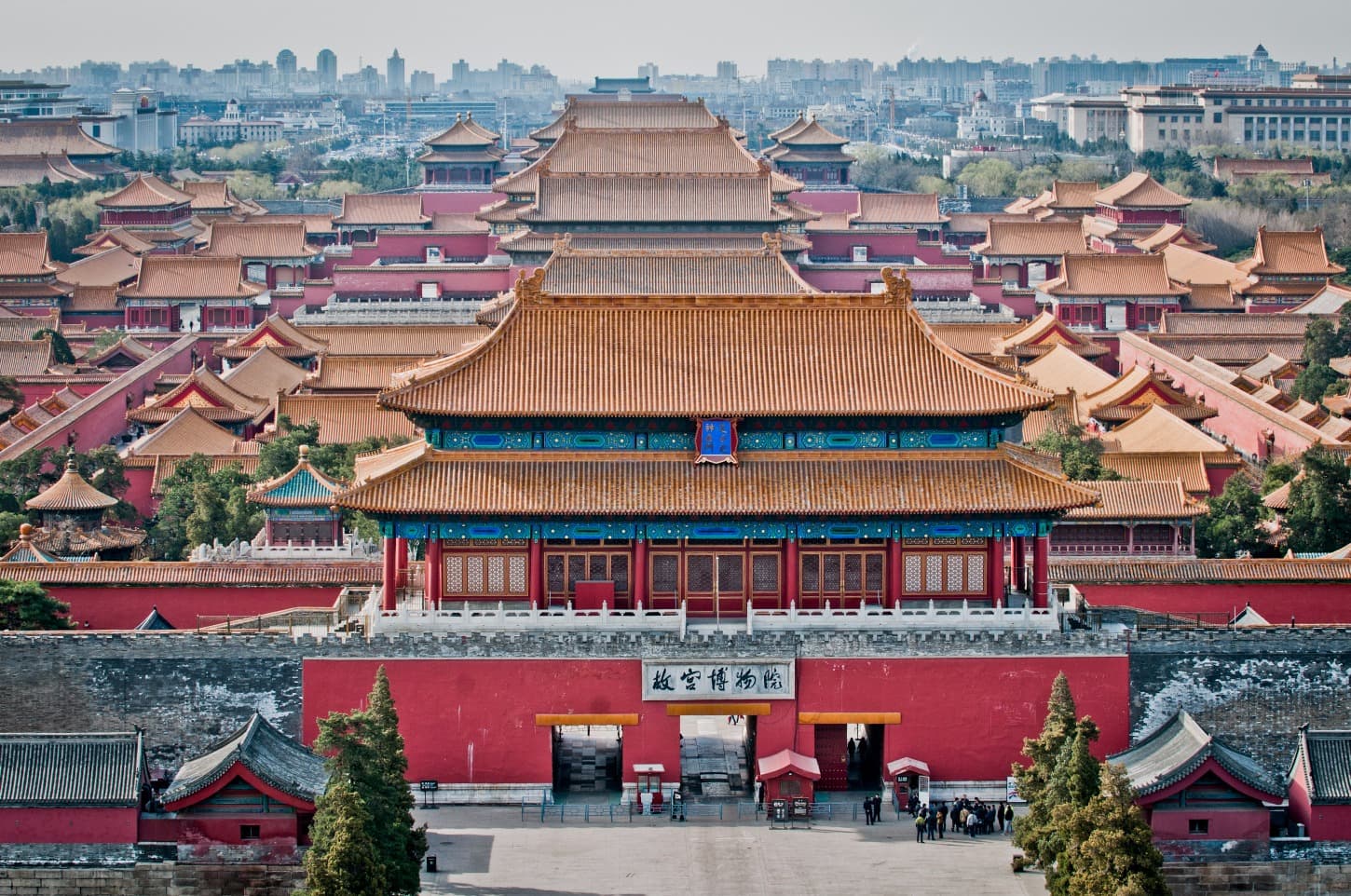
The Forbidden City (紫禁城 Zǐjìn chéng) is the former imperial palace of Chine, located in central Beijing, just north of Tiananmen Square. For nearly five centuries, access was forbidden to anyone outside the imperial court, which gave it its name. Today transformed into the Palace Museum and inscribed on the UNESCO World Heritage List, it remains the best-preserved imperial palace in the country and one of the world's largest surviving architectural complexes.
Why visit the Forbidden City
The site concentrates five hundred years of Chinese imperial history across 74 hectares. Twenty-four emperors of the Ming and Qing dynasties resided here between 1420 and 1912, and it was from its south gate that Mao Zedong proclaimed the People's Republic of Chine on October 1, 1949. The Forbidden City offers a comprehensive panorama of classical Chinese palatial architecture: pavilions with glazed yellow tile roofs, marble terraces, paved courtyards and gardens. The collections of the Palace Museum (paintings, ceramics, imperial timepieces, furniture) complement your tour of the buildings.
Allow a minimum of half a day to walk the main axis, and a full day if you wish to explore the side halls and thematic exhibitions.
History
Construction began in 1406 under Emperor Yongle, the third Ming dynasty sovereign. The work was directed by architects Cai Xin, Kuai Xiang and Lu Xiang. Nearly one million workers were employed over fourteen years, and the palace was designed according to Feng Shui principles: a strict north-south axis, cardinal orientation and an artificial hill (Coal Hill) erected to the north for protection.
From 1420 to 1644, fourteen Ming emperors succeeded one another. The peasant revolt led by Li Zicheng in 1644 ended the dynasty; the Manchus seized power shortly after and founded the Qing dynasty. The Forbidden City, partially burned during these upheavals, was reconstructed. Ten Qing emperors ruled there until 1912.
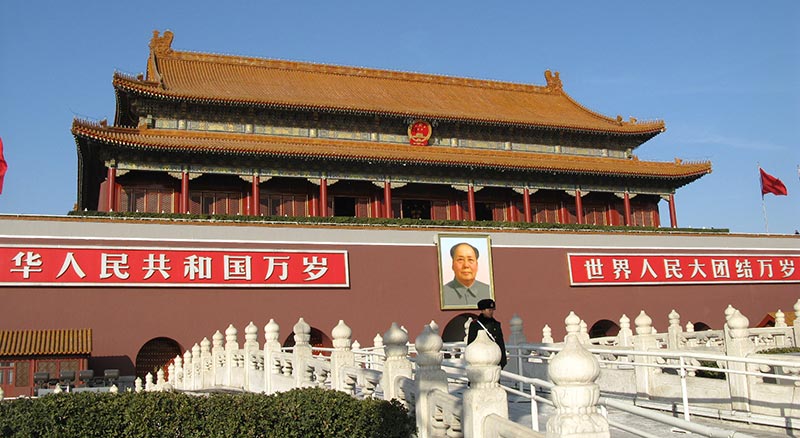
Emperor Puyi, the last sovereign, was expelled from the palace in 1924, which then opened to the public. In 1947, Chiang Kai-shek had part of the imperial collections transferred to Taiwan: they now form the collection of the National Palace Museum in Taipei. Since 1976, a large portrait of Mao Zedong has hung above the Tiananmen Gate, in reference to the 1949 proclamation.
What to see
The enclosure measures 960 meters from north to south and 750 meters from east to west, roughly 150,000 m² of buildings. It is surrounded by walls 7 to 10 meters high and moats 52 meters wide. Twelve million bricks pave the courtyards. The complex traditionally comprises 90 palaces, 980 buildings and several thousand rooms, organized around four main gates. The yellow color of glazed tiles, reserved for the emperor, dominates everywhere.
The Tiananmen Gate and the Meridian Gate
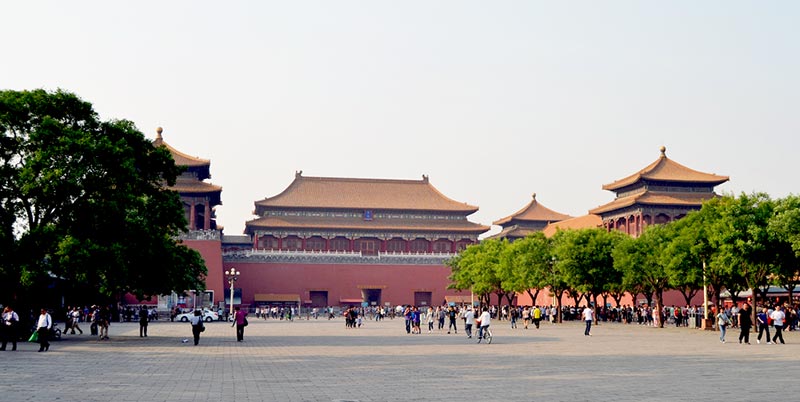
The Gate of Heavenly Peace (Tiananmen) is the southern entrance to the complex, accessible from the square of the same name. Its terrace, 63 meters long and 27 meters wide, can accommodate approximately 20,000 people during official ceremonies. Further north, the Meridian Gate (Wumen) constitutes the monumental access to the palace itself: it was here that emperors announced the lunar calendar and presided over military parades.
The outer court
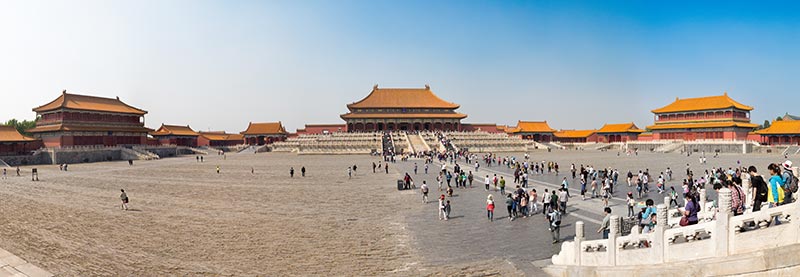
Reserved for state affairs, it is organized around three great halls set on a vast marble terrace:
- Hall of Supreme Harmony (Taihe Dian): the largest structure in the Forbidden City, built in the 15th century, standing in the middle of a 30,000 m² courtyard and housing the imperial throne. It served for coronations, the emperor's birthdays and major military investitures.
- Hall of Perfect Harmony (Zhonghe Dian): antechamber where the emperor prepared ceremonies. Two gilded unicorns flank the throne, mythological creatures that tradition describes as capable of traveling vast distances in a single day.
- Hall of Preserved Harmony (Baohe Dian): used for banquets and imperial examinations.
Added to these are the lateral pavilions of Literary Glory and Military Prowess, devoted to civil officials and military affairs.
The inner court
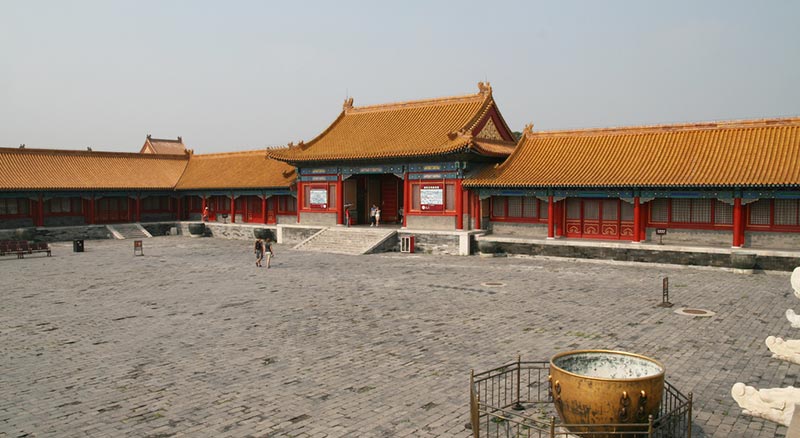
Private domain of the imperial family, it lines up three palaces on the same axis:
- Palace of Heavenly Purity (Qianqing gong), residence of Ming and early Qing emperors, later becoming an audience hall for foreign envoys.
- Palace of Union (Jiaotai Dian), where the imperial seals were kept.
- Palace of Earthly Tranquility (Kunning gong), traditionally associated with the imperial bridal chamber.
The six palaces of the East and six palaces of the West, flanking this axis, housed concubines and imperial children. Converted into exhibition halls, they display furniture, jewels and court objects. Don't miss the Hall of Clocks (Zhongbiao Guan), which brings together approximately 185 rare Chinese and European timepieces and watches gifted to the Qing court.
The imperial garden and northern exit
At the northern end, the imperial garden Yuhua Yuan unfolds its rockeries, pavilions and centuries-old trees over several thousand square meters. It offers a soothing contrast after the austerity of the paved courtyards. The visit concludes at the Gate of Divine Prowess, which opens onto Coal Hill, an ideal vantage point over the entire palace.
Practical information
- Visit duration: half a day for the central axis, a full day with side halls and the Clock Museum.
- Prices: moderate entry fee, supplemental charge for the Hall of Clocks and the Hall of Treasures. Rates vary by season.
- Reservation: ticketing is now exclusively online and by name, with daily visitor quotas. It is essential to book several days in advance, especially during peak season.
- Visitor flow: entry is mandatory through the Meridian Gate (south), exit through the Gate of Divine Prowess (north). Backtracking is not permitted.
- Audio guide: available in English-speaking language at the entrance.
When to visit
The site is open year-round, generally Tuesday through Sunday, with extended hours from April to October and reduced hours in winter. The best periods are autumn (September-October, clear skies, pleasant temperatures) and late spring (May-June). Summer is hot and humid; winter is very cold but often sunny and significantly less crowded.
Avoid Chinese holiday periods, particularly National Day (first week of October) and Chinese New Year: attendance reaches peak levels and significantly detracts from the experience. Prioritize arrival at opening time to enjoy the courtyards while still quiet.
How to get there
The Forbidden City occupies the heart of Beijing and is very well served by public transport.
- Metro: Line 1, stations Tian An Men Xi or Tian An Men Dong. Simply cross Tiananmen Square northward to reach the Gate of Heavenly Peace.
- Bus: numerous lines serve stops at Qianmen and Tiananmen, south of the complex.
- Taxi or ride-share: drop off south of Tiananmen Square; traffic is restricted in the immediate surroundings of the palace.
Entry is always through the south (Meridian Gate) and exit through the north (Gate of Divine Prowess), which means you should plan your return route from that side.
Nearby attractions
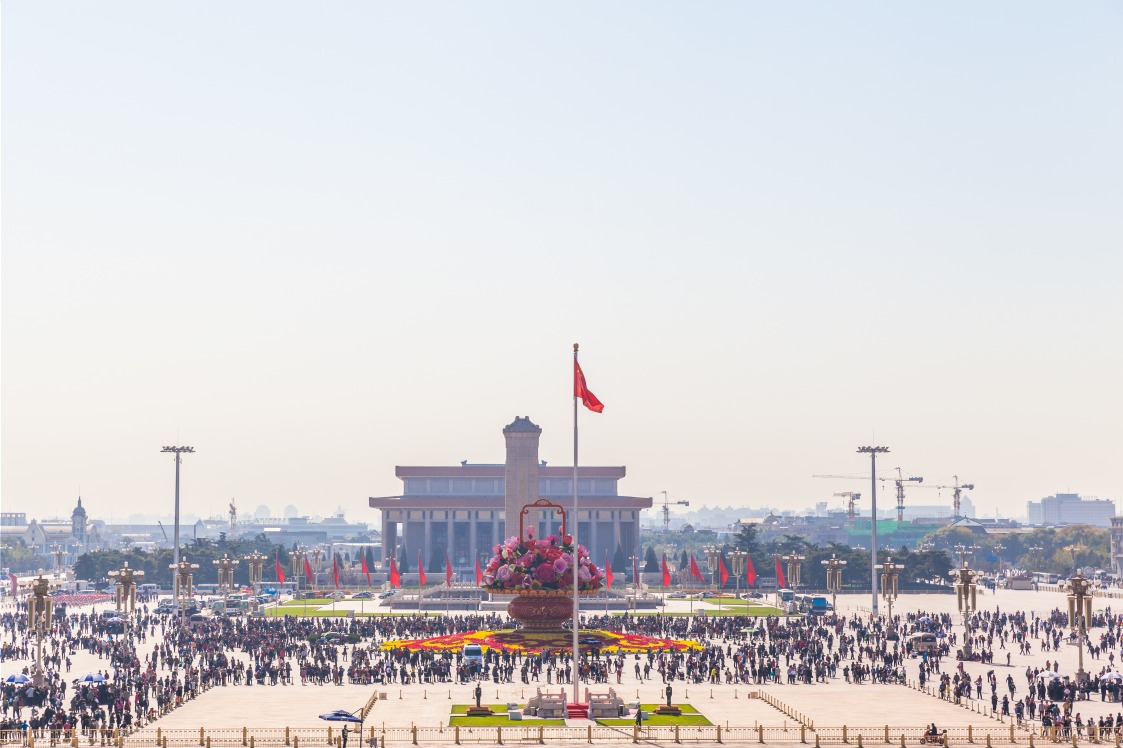
- Tiananmen Square: adjacent to the south entrance, vast esplanade bordered by official monuments.
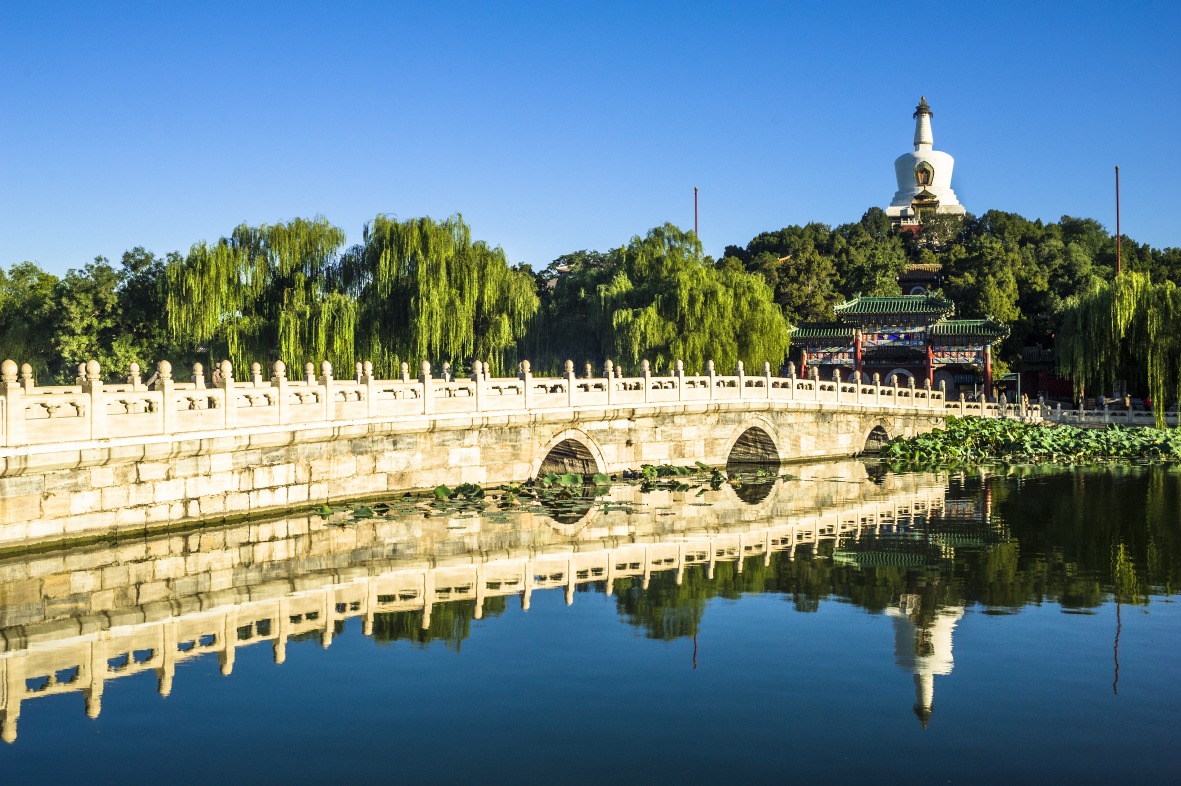
- Coal Hill (Jingshan): just behind the north exit, offering the best overview of the palace's golden roofs.
- Bell and Drum Towers: about twenty minutes' walk north, in the traditional hutong neighborhood.
- Baigongfang Craft Museum: to extend your visit with traditional Chinese craftsmanship.
- Beijing Botanical Garden: a green escape away from the center, accessible by metro.
Frequently asked questions
Frequently asked questions
Half a day is sufficient to walk the central axis and the main halls. Allow a full day if you wish to explore the lateral pavilions, the Hall of Clocks and exhibitions of imperial jewels.
Yes, ticketing is by name and entirely online, with a daily visitor quota. It is recommended to book several days before your visit, especially in spring, autumn and during Chinese holidays.
No. Entry is mandatory through the Meridian Gate to the south, and exit through the Gate of Divine Prowess to the north. The circulation direction is fixed.
The courtyards are paved and some terraces are only accessible by stairs, but the main axis has ramps bypassing the flight of steps. Wheelchairs are available for loan at the entrance.
Early morning, from opening time: the courtyards are still quiet and the light brings out the yellow roofs beautifully. Avoid midday during peak season.
Plan your trip
The Forbidden City is the central stage of any Beijing stay and naturally integrates into an itinerary including the Great Wall, the Temple of Heaven and the Summer Palace. To build your custom program, consult our journeys in Chine.
Images restored from the source website — reposition manually if necessary.
Photos
Nearby
Interested in this visit?
We can include it in your personalised itinerary.