Changsha
Changsha
Capital of Hunan province, Changsha blends 3,000 years of history, fiery gastronomy and the legacy of Mao Zedong. An authentic stopping point on the way to Zhangjiajie.
Name: Changsha
Chinese name: 长沙
Province: Hunan
Status: Prefecture-level city
Population: 7,044,118 inhabitants
Area: 11,818 km²
Situated in the valley along the lower course of the Xiang River, Changsha is the capital of Hunan province. This once-medieval city has evolved into a major metropolitan area that rivals China's largest urban centers.
Changsha often serves as a transit point for travelers heading to neighboring villages.
History
Changsha boasts a distinctive history stretching back over 3,000 years. Relics from the primitive age have indeed been discovered here, attesting to the presence of early humans in the region.
Formerly known as Qingyang, Changsha later became Tanchow, serving as the capital of the Chu Kingdom from 481 to 221 BCE.
During the Qing Dynasty (1644–1911), Changsha, which had already undergone several expansions, became the political, economic and cultural center of Hunan province. It perfected rice trading and supplied the entire region.
It was in Changsha that the communist movement began and where Mao Zedong embraced it. Born in Shaoshan, a small village 130 km from Changsha, Mao Zedong came to study in the city and met his wife there.
Although Changsha resisted the Taiping Rebellion, it fell under Japanese occupation from 1937 to 1945. Numerous buildings were destroyed and later reconstructed to establish an important inland port for China.
Today
While the city is not as ancient as Beijing, Nanjing or Xi'an, it possesses a rich historical heritage offering visitors compelling landmarks to explore.
Recently opened to tourism, the city has managed to preserve its authenticity, offering the perfect opportunity to experience everyday life in a major Chinese metropolis.
Changsha nonetheless attracts tourists from across China, drawn by the city's connection to and history with Mao Zedong.
Changsha has preserved remnants of the past, now displayed in the Hunan Province Museum. Paintings, weapons, pottery and silk products chronicle the city's and province's history.
Between the Tianxian ramparts, temples and pavilions, you can easily fill your days discovering traditional architecture.
It is said that Changsha's residents are China's most passionate food lovers. Throughout the day, you'll spot locals gathered over typical dishes. The region's cuisine is recognized as one of China's eight great culinary traditions, featuring bold, fiery flavors sometimes compared to those of Sichuan. At every street corner you'll find delicious dishes and taste Changsha's signature specialties.
The city also boasts shaded parks and hills, ideal for weekend strolls with family to escape the urban hustle.
Your time in Changsha will surely prove surprising as you anticipate discovering the surrounding villages and natural parks.
Climate
Changsha enjoys relatively warm weather year-round. Average winter temperatures hover around 4°C while the highest temperatures reach 29°C.
From April to July, rainfall is very frequent. September is the best month to visit Changsha.
Air
Changsha has an airport with connections to most major Chinese cities.
Train
The Hunan Railway Station is Changsha's main railway station. It's served by conventional trains from neighboring provinces.
The newer Changsha South Railway Station is served by high-speed trains from major cities such as Guangzhou, Shanghai and Beijing.
Bus
Few buses serve Changsha's bus station. You can nonetheless reach Changsha from Guilin or from other cities and villages in the province.
Taxis and buses serve the city and its suburbs.
The first metro lines opened in May 2014. Additional lines are currently under construction.
What to do in Changsha?
- Trace the city's history at the Hunan Province Museum.
- Walk in the footsteps of Mao Zedong.
- Relax in the shade of trails leading up Yuelu Mountain and extend your visit to the Yuelu Academy.
- Stroll along the Tianxin ramparts.
- Have fun at the Windows of the World amusement park in Changsha.
- Step back in time to the Western Han era at the Mawangdui tombs, an exceptional archaeological site.
Attractions in Changsha
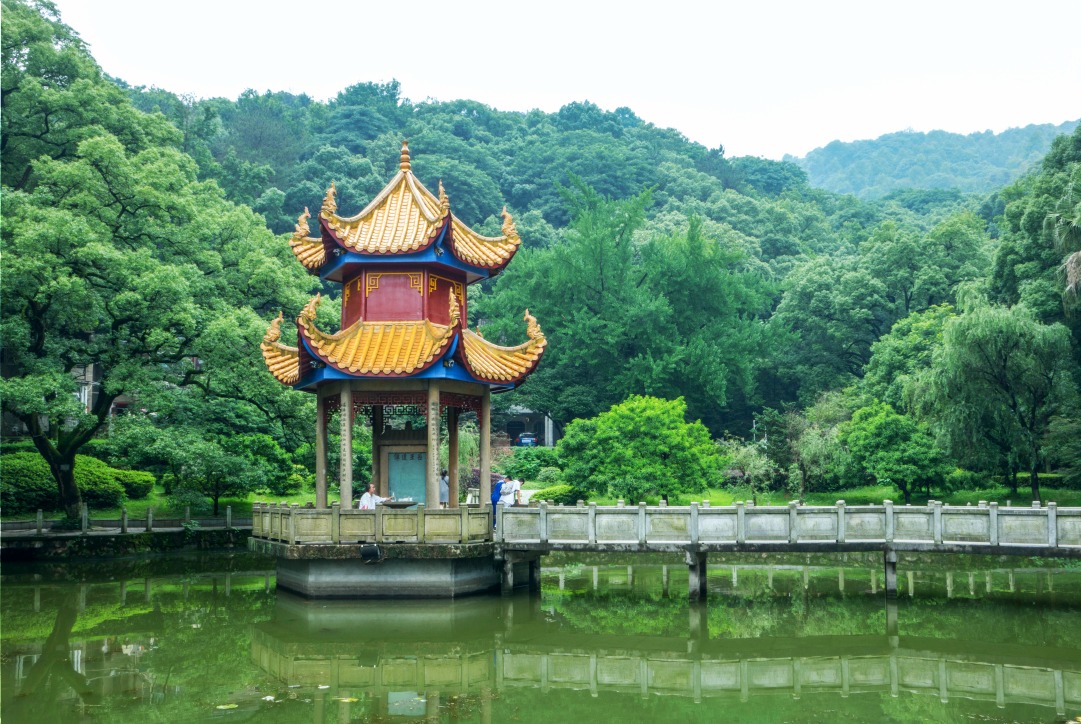
Mont Yuelu
Sur la rive ouest du fleuve Xiangjiang face à Changsha, le mont Yuelu réunit une académie fondée en 976, un temple bouddhiste et le Pavillon Aiwan.
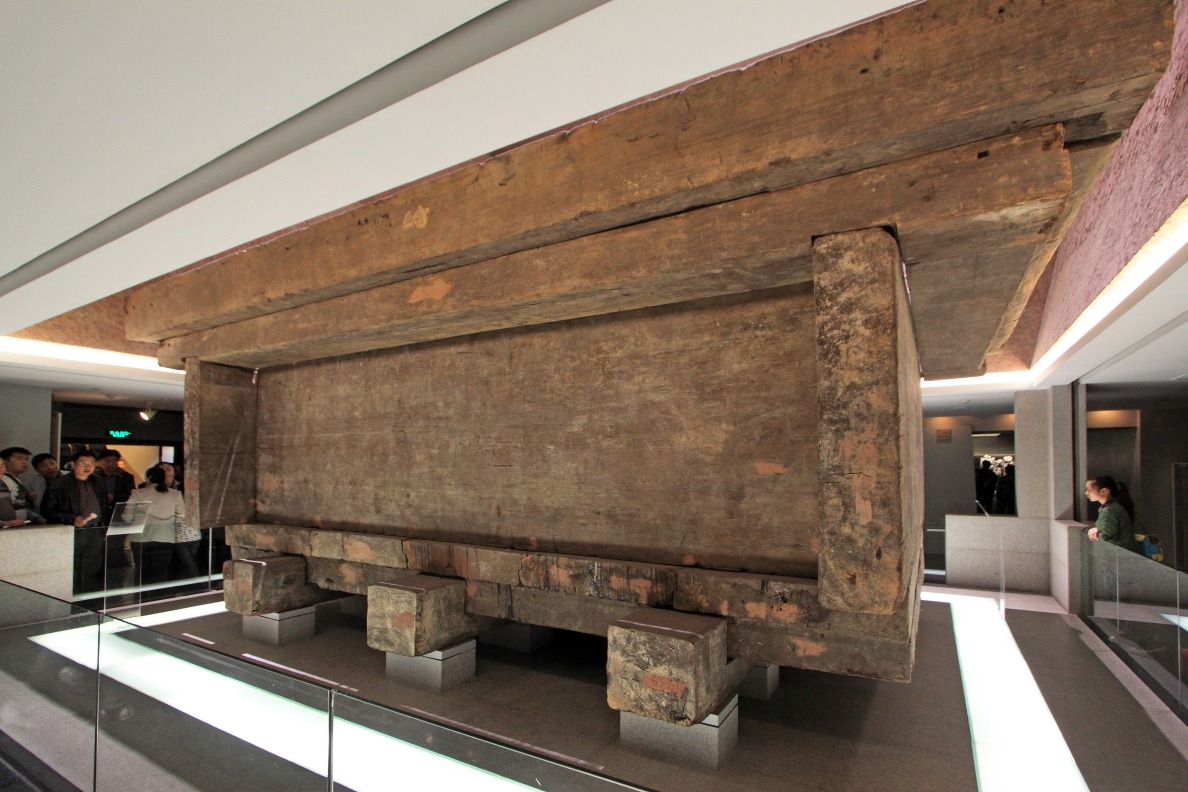
Tombeaux Han de Mawangdui
Découverts en 1972 près de Changsha, les tombeaux Han de Mawangdui ont livré la momie de Lady Dai et plus de 3 000 reliques de la dynastie Han.
Want to discover this destination?
Our local advisors design your tailor-made trip.