Hailar
Hailar
At the edge of Inner Mongolia, Hailar opens the door to Hulunbuir's steppes, Mongolian yurt camps, and the Sino-Russian frontier.
Name: Hailar
Chinese Name: 海拉尔区
Province: Inner Mongolia
Status: District City
Population: 344,947
Area: 1,440 km²
Hailar, also called Hailaer, is the administrative center of Hulunbuir prefecture-level city in the northeast of Inner Mongolia. This major city is considered the gateway from Chine to Russia.
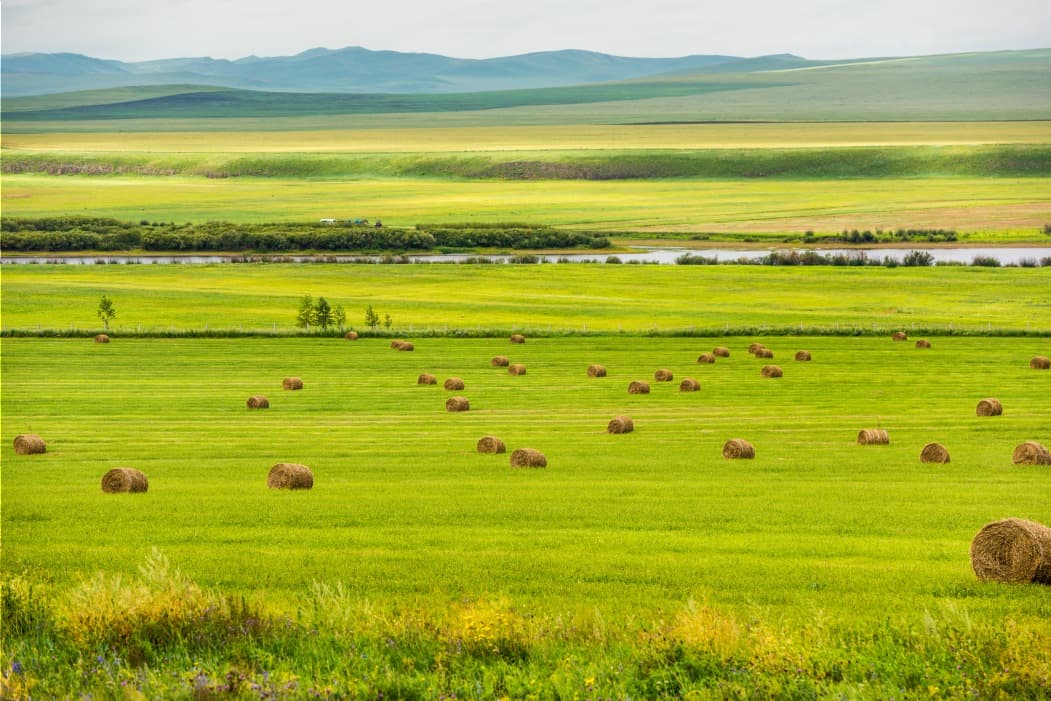
The city serves as a base for exploring the magnificent Hulunbuir grasslands and immersing yourself in the nomadic life of the Mongols.
History
The city was founded in 1734 as a fortress. Once known as Hulun, it was occupied by Japanese forces between the 1930s and 1940s. It witnessed numerous battles in 1945 as the Soviet Union attempted to invade Manchuria.
Today
Hailar is the coldest major city in the Inner Mongolia Autonomous Region. Surrounded by grasslands, its rural environment is the main draw for visitors.
It serves as an excellent base for travelers eager to immerse themselves in Mongolian nomadic culture. From Hailar, you can venture out to discover the stunning Hulunbuir grasslands and spend one or more nights in a yurt camp. Traditional Mongolian music and local dishes are served to immerse everyone in a typical rural Mongolian world. For the more adventurous, it's possible to stay with local families and share unforgettable moments.
Beyond the Hulunbuir grasslands, you can reach the Jinzhanghan steppes approximately 40 km north of the city. The steppes reveal a spectacular landscape that can be explored on foot or horseback before spending a night in a yurt. Evenings feature folk song and dance performances. Southeast of Hailar are the Bayan Huxu steppes, less impressive than Jinzhanghan's but still magnificent. The yurt camps here are, however, more authentic.
A stop in Hailar is an opportunity to discover the Ewenki Museum, which showcases the culture of the Ewenki people who live primarily in the province's north and across Hulunbuir's steppes. Some remnants of the city's past remain intact, such as the underground fortress north of the city. On the road to Jinzhanghan, you can ask your driver to make a stop. The underground section features galleries and chambers once used by Japanese forces. Outside, a memorial stands with some military tools and vehicles on display.
Climate
Hailar's humid continental climate sometimes verges toward subarctic conditions, with long, dry, extremely cold winters and warm, humid summers.
Winters display extreme temperatures with an average of −25°C in January and 20°C in July. The best time to visit Hailar and the surrounding steppes is between May and September.
Temperature swings between night and day can be significant, so remember to pack warm clothing.
Air
Hulunbuir Hailar Airport is served by numerous domestic flights from Hohhot, Beijing, Chongqing, Guangzhou, Harbin, Foshan, and other major cities.
International flights are also available to and from Ulaanbaatar in Mongolia.
Train
Several trains from Beijing, Harbin, Hohhot, Qiqihar, and Manzhouli serve Hailar Railway Station, located northwest of the city.
Long-Distance Bus
Buses run between Hailar and Manzhouli in 3 hours. The road is new, so the journey is quite pleasant.
Buses and taxis operate throughout the city at very competitive fares.
What to Do in Hailar?
- Visit the Ewenki Museum to understand the culture of this ethnic minority.
- Set out to explore the magnificent Hulunbuir grasslands.
- Spend a night in the Jinzhanghan steppes.
- Stop at the Hailar Memorial Park and explore the underground galleries of the fortress.
Want to discover this destination?
Our local advisors design your tailor-made trip.