Wuwei
Wuwei
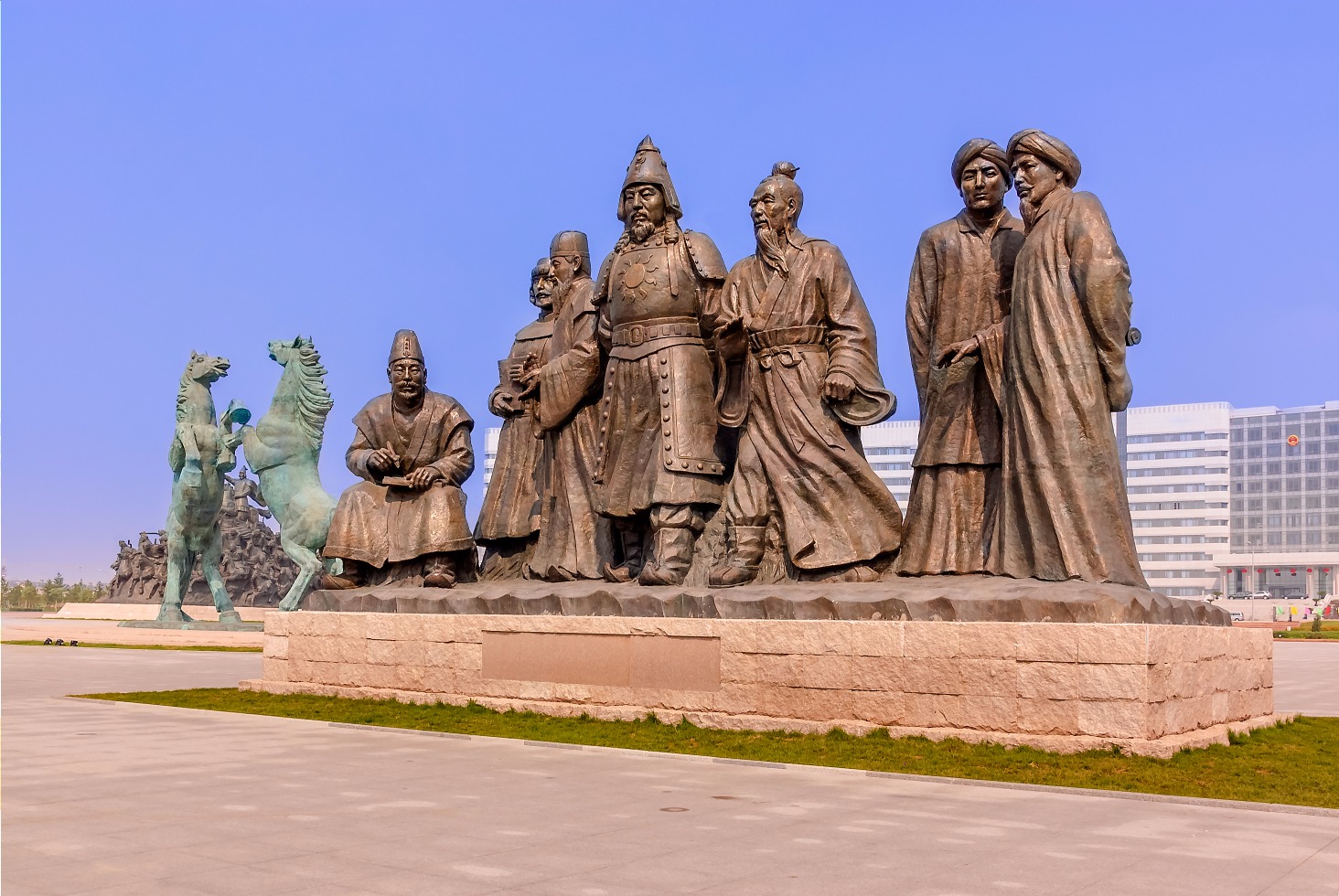
The ancient capital of Liangzhou on the Silk Road, Wuwei blends Han heritage, a Confucius Temple, and landscapes between the Qilian Mountains and the Tengger Desert.
Name: Wuwei
Chinese name: 武威市
Province: Gansu
Status: Prefecture-level city
Population: 1,815,054
Area: 33,000 km²
Wuwei is a city in the northwest of the province of Gansu. The prefecture-level city borders Inner Mongolia to the north and Qinghai to the south, which accounts for its population of many ethnic groups.
Located in the east along the Hexi Corridor and the Silk Road, Wuwei is considered one of the most celebrated historic and cultural cities of Chine.
History
Wuwei enjoys a long history, with traces of human habitation dating back 5,000 years.
Emperor Wu of the Han Dynasty (206 BC – 220 AD) sent General Huo Qubing to attack the Hexi Corridor in 121 BC. After successfully defeating the Xiongnu and capturing the territory, Emperor Wu named the city Wuwei.
During the period of the Three Kingdoms, the state of Wu established its government there. Later, the dynasties of the Former Liang (320–376), Later Liang (386–403), Southern Liang (397–414), and other dynasties made Wuwei their capital, then called Liangzhou.
Today
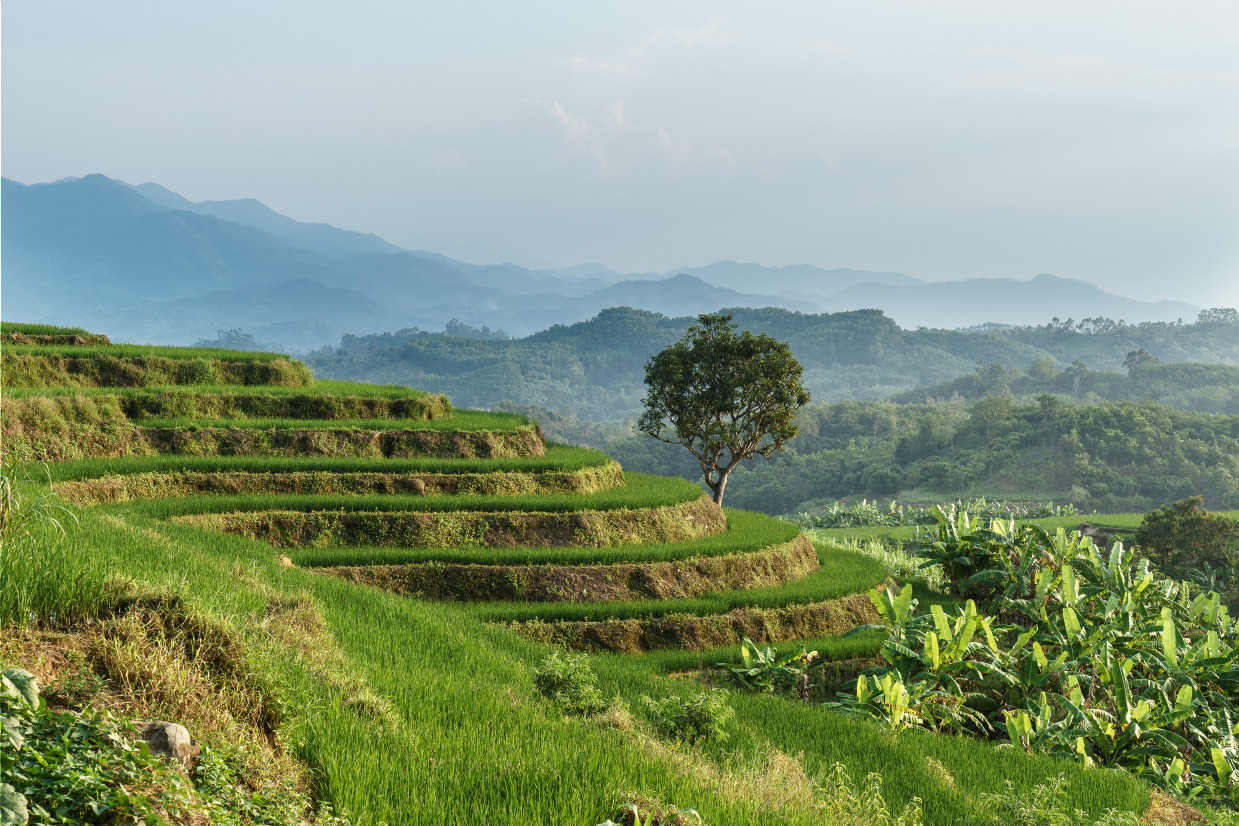
The city of Wuwei, situated along the Hexi Corridor, nestles between the Qilian Mountains and the Tengger Desert. At the junction of the Qinghai-Tibet Plateau, Wuwei captivates its passing travelers with its vast expanses and spectacular landscapes.
Unlike many popular cities in Chine, Wuwei remains a humble city with authentic, rustic charm. Many foreigners still come as a pleasant surprise and attraction to locals. Some will likely want to take a photo with you, while others may attempt to exchange a few words of English. Proud of their history and way of life, they won't hesitate to share their values, which will become an enriching human experience during your journey through Gansu.
Wuwei is a cultural and historic city in Chine and consequently boasts numerous tourist resources. The Leitai Tomb of the Han Dynasty, where the bronze object "The Flying Horse Treading on a Swallow" was discovered, particularly testifies to the city's past and will make for an interesting visit.
You can also stop at the Confucius Temple, the largest and best-preserved temple in Gansu province dedicated to the great educator Confucius.
Climate
Wuwei has a typical continental climate that is temperate and semi-arid, with a frost-free period of 85–165 days per year. The average annual temperature is approximately 7.7°C, with the lowest in January at an average of –8.7°C and the highest in July at an average of 21.9°C. Annual precipitation is 158 millimeters.
Summer and autumn are the best seasons to travel due to pleasant weather.
Train
Express trains travel frequently between Wuwei and the city of Lanzhou. The journey takes approximately three hours.
The Wuwei Railway Station is served by and operates daily trains to Korla, Beijing, Jiayuguan, Urumqi, Dunhuang, Xi'an, Zhengzhou, Shanghai, Hangzhou, Chengdu, Chongqing, Shangqiu, Lianyungang, and more.
Long-distance buses
There are long-distance buses that travel daily between Wuwei and Lanzhou, Zhangye, Tianshui, Jinchang, Jiuquan, Jiayuguan, Yumen, Dunhuang, Yinchuan, Xining, and more.
Today there are 15 public bus routes operating around the city center. Buses 1, 2, 12, and 102 serve the city railway station. Buses 1, 2, 4, 5, 7, 8, 10, and 102 can take you to the long-distance bus station.
There are also three types of taxis with slightly different but reasonable prices.
What to do in Wuwei?
- Visit the Leitai Tomb.
- Explore the grand Confucius Temple of Wuwei.
- Meet local people and share your stories.
Attractions in Wuwei
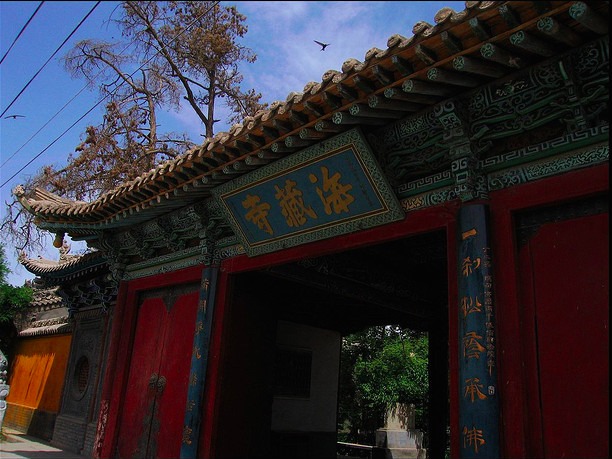
Temple Haizang de Wuwei
Ancien temple bouddhiste tibétain fondé sous les Jin, le Haizang est aujourd'hui un parc patrimonial de 11 600 m² au nord-ouest de Wuwei, sur la Route de la Soie.
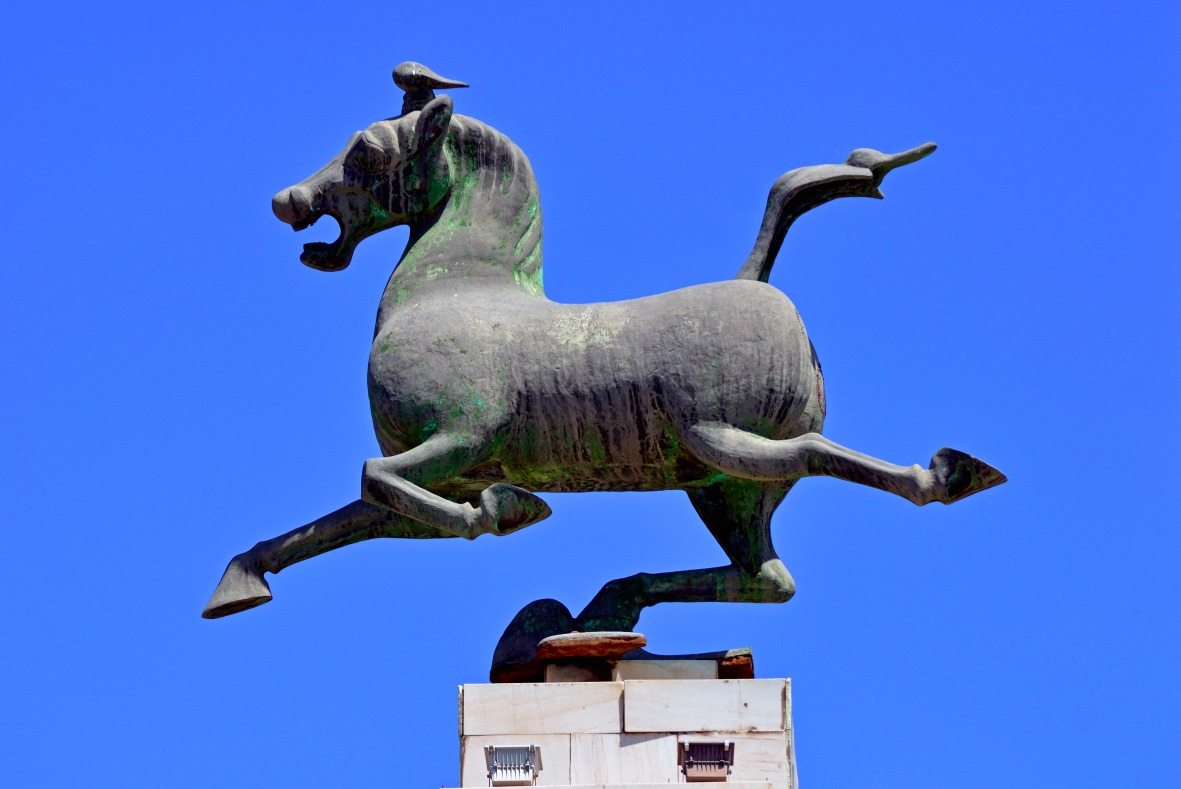
Le Tombeau Leitai des Han
Nécropole Han orientale découverte en 1969 à Wuwei, le tombeau Leitai a livré le cheval de bronze au galop, devenu logo officiel du tourisme chinois.
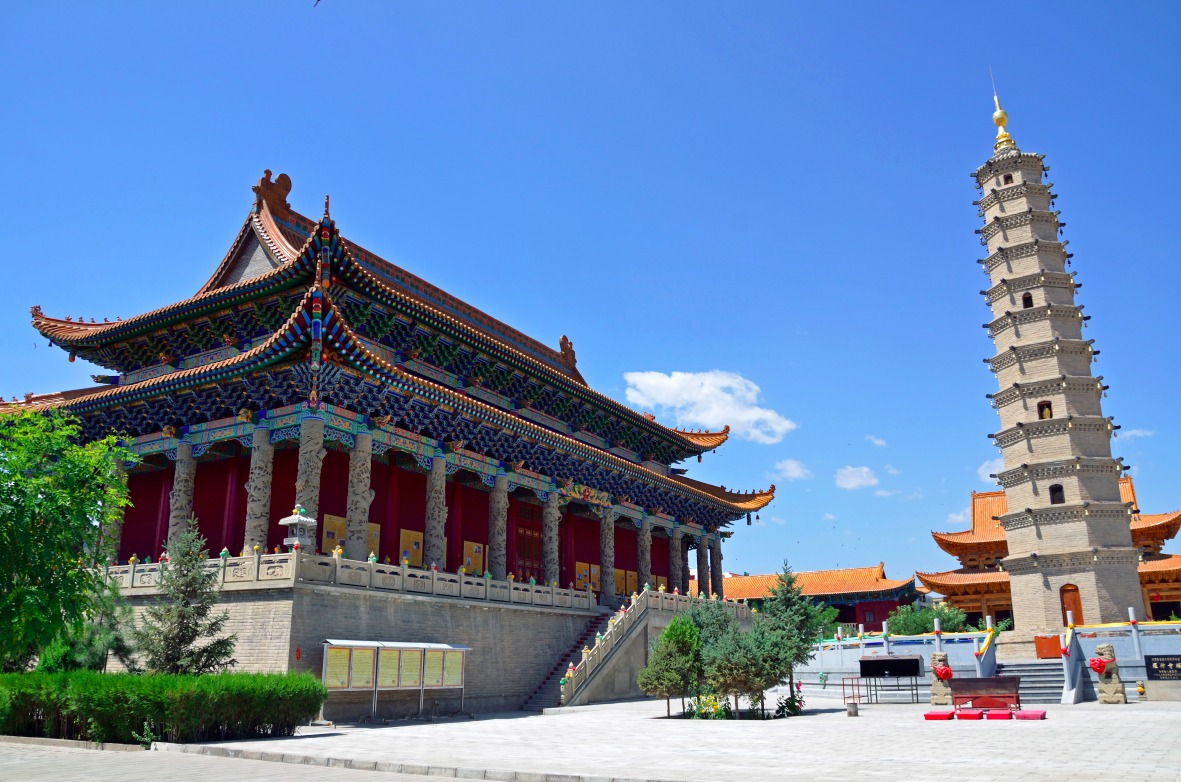
Pagode Kumarajiva
Tour octogonale de 12 étages à Wuwei, dédiée au moine traducteur Kumarajiva, figure clé du bouddhisme chinois. Architecture régionale et décor sculpté préservé.
Want to discover this destination?
Our local advisors design your tailor-made trip.