Hubei
Name: Hubei
Chinese name: 湖北
Status: Province
Capital: Wuhan
Population: 57,990,000 inhabitants (2013)
Area: 185,900 km²
Hubei is a province that brings together numerous ethnic minorities. You will encounter the Miao, the Tujia, the Dong, and many others.
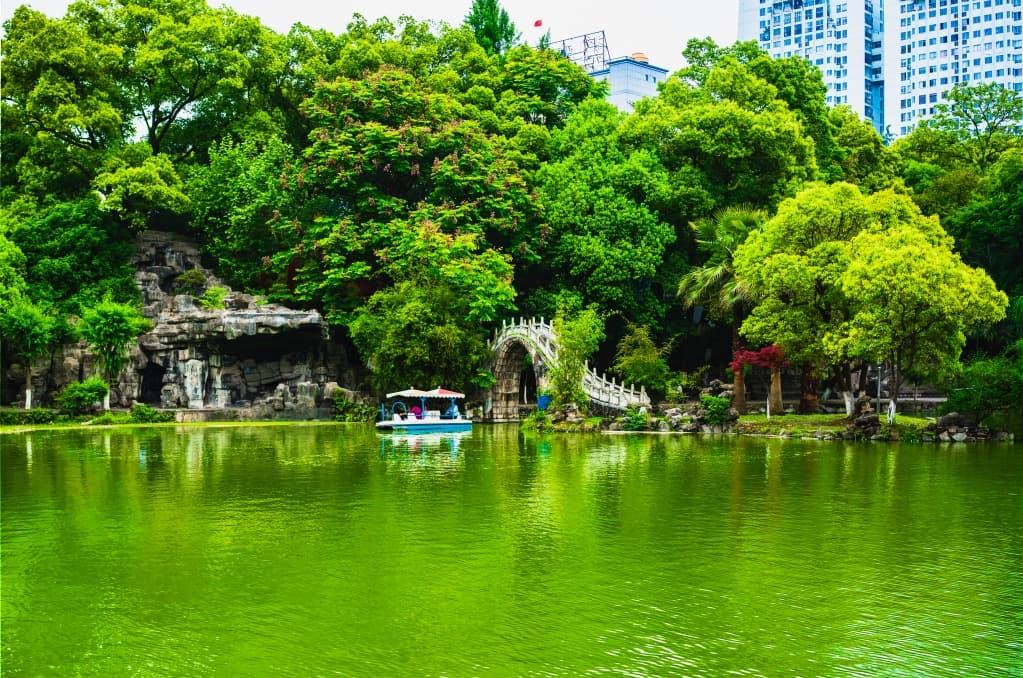
Surrounded by five provinces and the municipality of Chongqing, in central Chine, Hubei has long held paramount strategic importance. Extraordinarily fertile, the Chine province is traversed by the mighty Yangtsé (Yangzi Jiang) and its tributaries, which divide it into a mosaic of lakes, waterways, and irrigated fields. Hubei is sometimes nicknamed the province of a thousand lakes, so numerous are they.
History
The settlement of Han Chinese in the plains dates back to the 1st millennium BC. After the fall of the Eastern Han dynasty in 220, warlords competed for control of the Yellow River basin (Huang He) and regions to the southwest. Initially precarious, the warlords along the Yangtsé united and overcame the armed groups of present-day Hubei. Political maneuvers related to these agreements and ceaseless struggles led to the period of the Three Kingdoms (220-260). By the 7th century, the region was intensively colonized and cultivated, and by the 11th century was producing rice in surplus (an agricultural achievement that persists today). In the late 19th century, Hubei was the first region of interior Chine to embark on large-scale industrialization.
Today
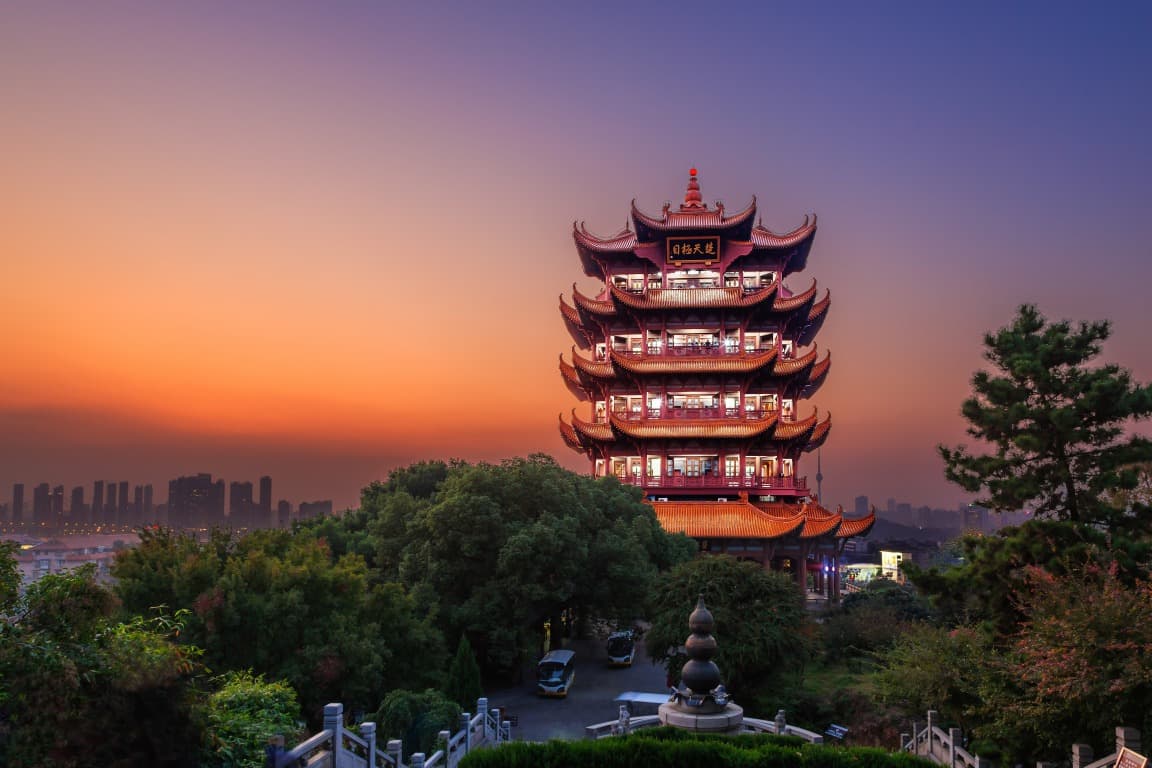
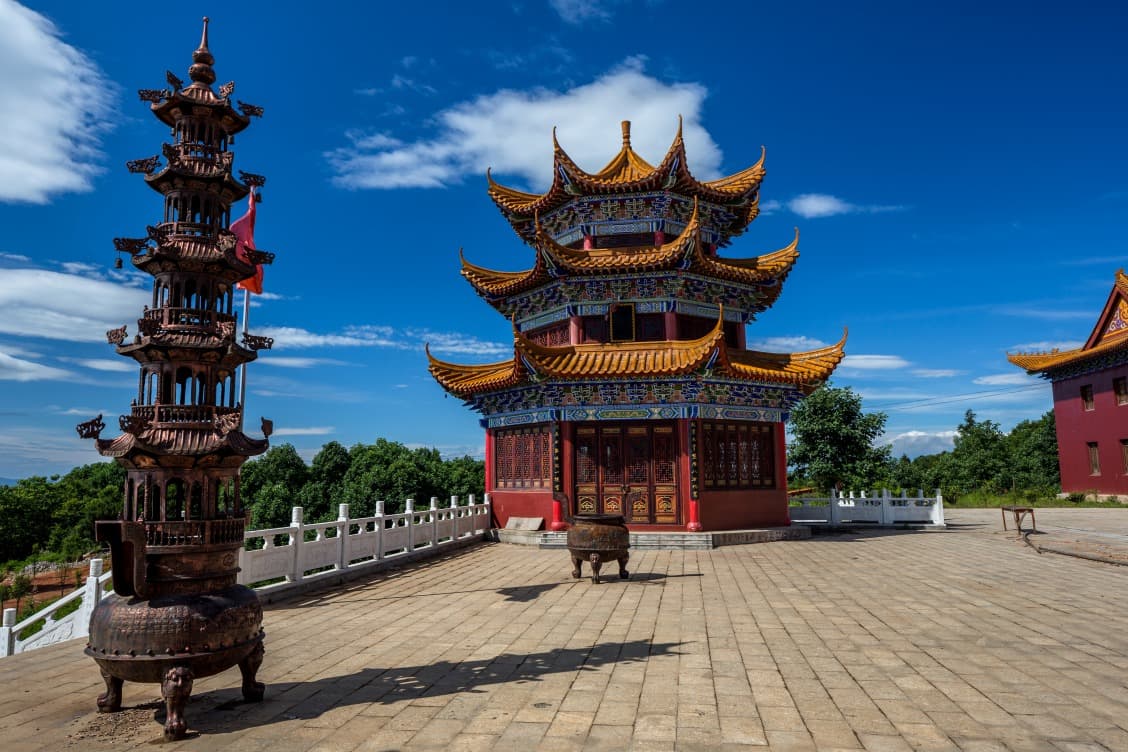
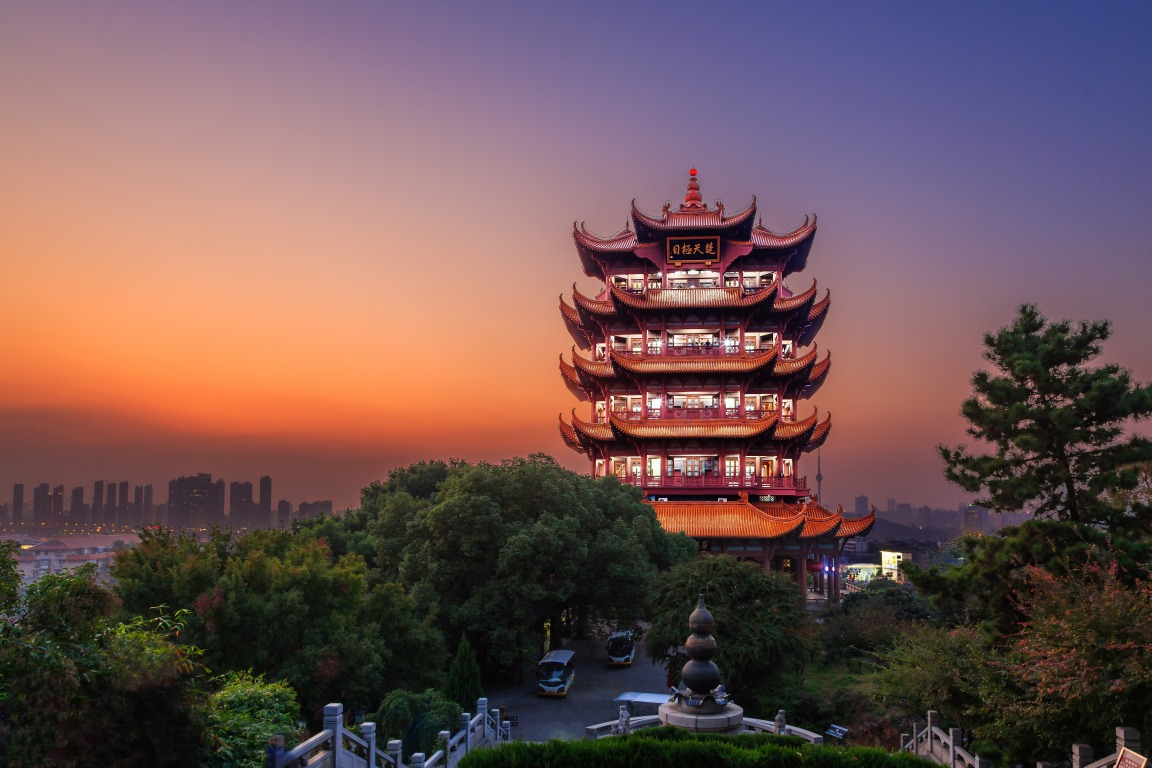
With its long history, the province is endowed with numerous cultural relics. Ancient towers, caves, traditional villages, temples, and sacred sites can easily be visited and spark great interest for tourists. The province also enjoys an impressive natural environment featuring multiple lakes, rivers, and mountains.
All its river systems have allowed the region to develop and become one of Chine's most fertile provinces. While floods on the Yangtsé have repeatedly brought devastation, the river has also enabled a flourishing trade route. It has moreover given rise to the magnificent panorama of the Three Gorges. Today, tourists still converge on Yichang for the opportunity to glimpse them, considerably diminished following the rise in water levels behind the Three Gorges Dam. The Yangtsé guarantees the extraordinary hydroelectric potential of the dam, which could supply 10% (18,200 megawatts) of Chine's energy needs. It is also coveted by the arid north of the country, which envisions quenching its insatiable thirst through a massive south-north river diversion project of the giant waterway.
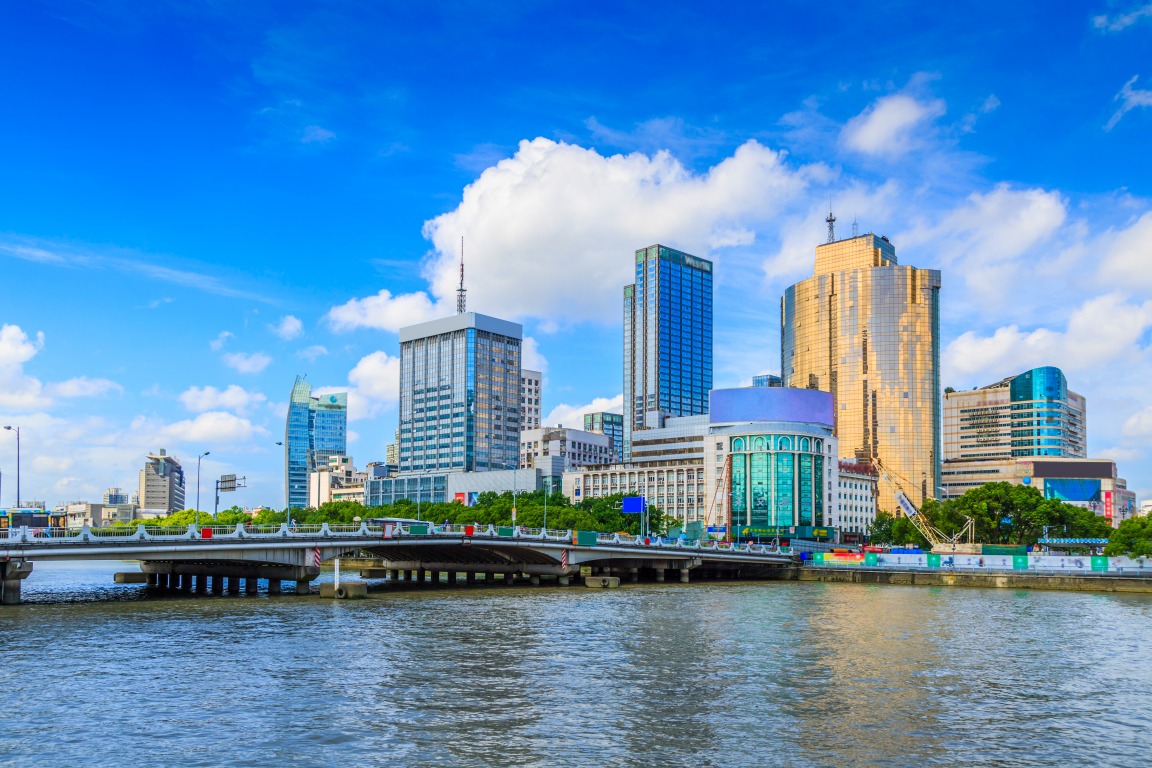
A large part of Hubei (70%) reveals undulating mountainous terrain that compels farmers to sculpt terraces into the landscape's curves and moderates somewhat the scorching summer heat. The remaining 30%, to the east, is covered by low plains drained by the Yangtsé and the Han. They surround the dynamic capital of Wuhan, a gigantic city that seethes under crushing temperatures from May to August.
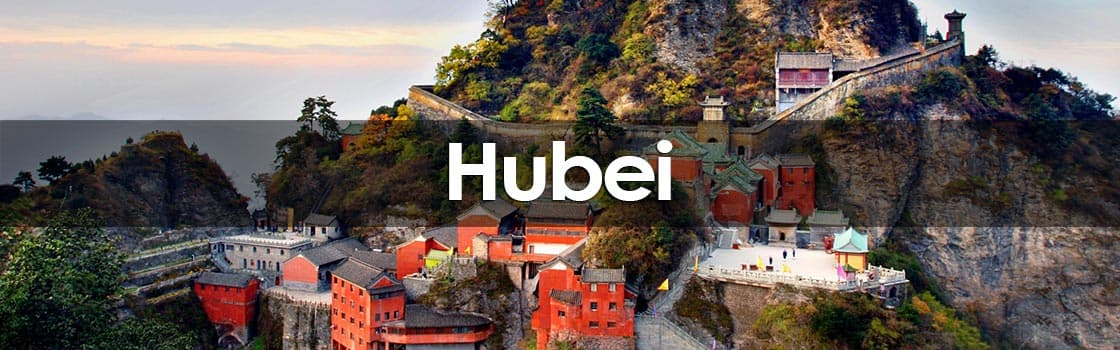
Beyond the capital, travelers venture into the clouds of the mystical Taoist peaks of Wudang Shan, explore the stunning landscapes of Shennongjia, and discover the architecture and culture of the Tujia minority at Yumuzhai, in the rolling southwest.
Climate
Wuhan, the province's capital, is rightly nicknamed the "sauna of Chine". In July and August, the heat (often over 40°C) and humidity become unbearable. The mountains of the west enjoy a far more temperate climate. Rainfall is heavy in the southeast (160 cm per year on average), declining to the north and west (80 cm per year on average). The wettest period extends from April to July.
How to Get There?
Wuhan is one of the best-connected cities in Chine, and traveling to the east or central Hubei is generally quite straightforward.
The construction of the new dam ended Wuhan's reign as a stopover for ferries undertaking the Three Gorges cruise. However, travelers who wish can still reach Chongqing by river. The Wuhan railway station ranks among the country's best-served. While it is easy to travel in eastern Hubei, the rugged terrain of the western part complicates transportation.
Language
Officially, Hubei uses two Northern Chine dialects: Southwest Mandarin and Middle and Southern Yangtsé Mandarin. However, these subdivide into countless local dialects. In the southeast of the province, gàn is also spoken, another Mandarin dialect.
What to Do in Hubei?
- Sail through the Three Gorges, departing from Yichang.
- Discover Taoist rituals and breathtaking landscapes of Wudang Shan.
- Wander through the Shennongjia forests, in search of the legendary wild man.
- Visit the splendid historic buildings of the Hankou district, in Wuhan.
Cities of Hubei
- Wuhan
- Wudang Shan
- Shennongjia
- Jingzhou
- Yichang