What to Do in Shanghai?
A victim of prolonged foreign occupation for decades, Shanghai experienced remarkable growth throughout the twentieth century, becoming one of the world's economic powerhouses.
A victim of prolonged foreign occupation for decades, Shanghai experienced remarkable growth throughout the twentieth century, becoming one of the world's economic powerhouses. Those who think they know the city inside and out couldn't be further from the truth, given how much it has to offer!
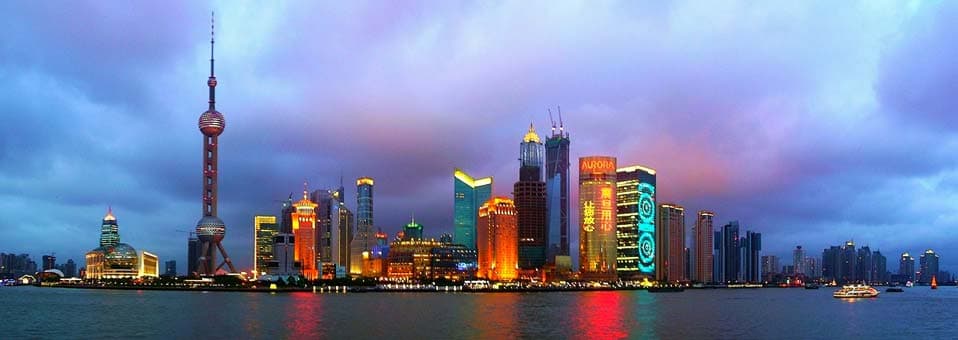
While the most European of Chinese cities doesn't really have must-see sites like Paris or Rome, its true appeal lies in the bustling streets, where daily life unfolds with incredible variety. The sight of an elderly woman in pajamas chopping vegetables on her doorstep is followed by an elegant businesswoman heading to a nearby art gallery. The city cannot be reduced to simply the Pudong district, so let's discover without further ado some activities not to miss if you're passing through Shanghai.
1 Fuxing Park
The frenzied development of major Chinese cities shouldn't obscure the pleasure of a leisurely walk. Shanghai understands this and offers the chance to escape for a stroll through Fuxing Park, located in the former French colonial concession. Here you'll find elderly women singing at the top of their lungs while men busy themselves walking their caged birds. Venture a little further to 7 Xiangshan Lu, home to the former residence of Sun Yat-sen, the founding father of modern Chine whom we discussed extensively in our articles about Guangzhou. Complete the walk by wandering through the nearby alleyways, lined with elegant period mansions now converted into family homes, for a genuine glimpse of today's Shanghai.
2 The Art Galleries of Moganshan Lu
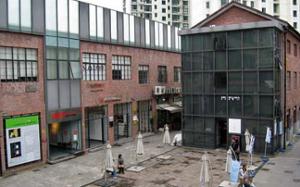
Contemporary Chinese art now commands astronomical prices. This underscores the importance of a quick visit to the nerve center of Shanghai's art scene, located at Moganshan Lu. The once-abandoned warehouses on this street have been renovated to provide artists with the opportunity to set up studios and galleries. Certain internationally renowned artists have established themselves here, including Zhou Tiehai and Ding Yi.
3 Xiaolong Bao
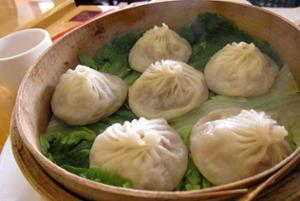
Xiaolong bao are to Shanghai what rillettes are to Le Mans. These are dumplings wrapped in wheat dough and filled with juicy pork (or crab, if your budget allows), and most importantly, a savory broth. To savor this delicious specialty, restaurants abound, but they often prove disappointing despite their "authentic" recipe. Paradoxically, the best Xiaolong bao are found in a Taiwanese restaurant chain called Din Tai Fung. You'll want to try them yourself!
4 The Flea Market on Dongtai Lu
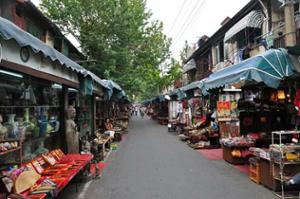
The street Dongtai is filled with souvenir and antique shops that would make many museum curators blush. Of course, you'll find the usual tourist traps, but some reveal themselves to be genuine treasures. Among these are beautiful artworks and many souvenirs from the Cultural Revolution. For bargain hunters, this street is for you!
5 The Shanghai Transrapid
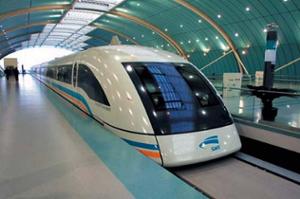
The ride on Shanghai's magnetic levitation train (Maglev) is the perfect metaphor for the city itself. Connecting Pudong International Airport to Longyang Lu metro station, the train reaches speeds of 430 km/h and the journey takes less than eight minutes. It's an excellent opportunity to try it on arrival, preparing you perfectly for the city's frenetic pace. Built specifically to impress tourists, this line doesn't (yet) extend to the rest of Shanghai. For the modest sum of 50 yuan, leaving an airport has never been so appealing!
6 The Shanghai Museum
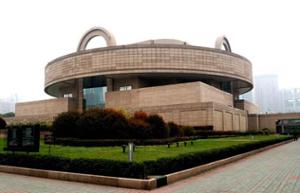
Despite 5,000 years of history, Chine is not often highlighted by its museums. Poorly presented works, approximate English information... it's difficult to attract discerning tourists under such conditions. The Shanghai Museum, located at People's Square, mercifully stands as an exception and should be visited if you're passing through the city. Rather than trying to see everything at once, we recommend focusing on one section in particular: jade, ceramics, calligraphy... There's no shortage of themes to delight you if you're interested in Chinese culture.
7 Xin Ji Shi
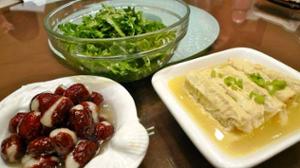
True Shanghai cuisine bears little resemblance to the traditional takeout boxes found in Western "Chinese" restaurants. To eat local, Xin Ji Shi is unquestionably the best place. The restaurant is tiny and always packed, so book ahead. Unlike many Chinese restaurants, this one has thoughtfully translated its menu into English, complete with pictures! Appreciate the effort... especially since the dishes are numerous and incredibly varied: braised pork with bamboo shoots, smothered fish with scallions, Yunnan ham stir-fry, crab with vermicelli leaves... Even the most reluctant of your friends will find something to enjoy!
8 Therapeutic Massage
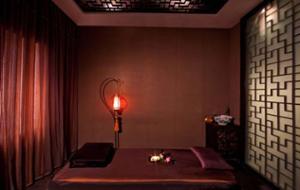
Traditional Chinese acupressure (acupuncture without needles) is not for the faint-hearted. Here there's no question of Swedish relaxation or Thai oil massage. Undergoing a Chinese acupressure session is somewhat like visiting Chine: you may even cry from the pain, but ultimately you emerge enriched by the experience. Among the thousands of massage parlors lining Shanghai, you can trust Massage Green, located behind Huaihai Park. You'll find appropriate massage tables, clean pajamas, soothing music, and scented candles. A warm atmosphere for 45 minutes of pleasure-pain, all billed at around 100 yuan.
This short selection gives an overview of the variety of activities available in Shanghai. Like modern Chine itself, the Paris of the Orient offers a wonderful blend of cultures and eras that contribute to its richness. The contrasts are striking but give this unique Chinese metropolis all its charm.
And you, what are the places you'd recommend in Shanghai to visitors passing through?
Frequently asked questions
A minimum of 3 to 4 days is recommended to discover Shanghai's main neighborhoods and activities, including the Bund, the French Concession, the art galleries of Moganshan Lu, and local gastronomy. For a more complete immersion, plan for 5 to 7 days.
The best times to visit Shanghai are spring (April-May) and autumn (September-October), with mild and pleasant temperatures. Summer (July-August) is hot and very humid, while winter can be cold and gray.
Shanghai has an excellent metro network covering the entire city and is the most practical and economical means of transportation. Taxis and bike-sharing services are also available. To reach Pudong Airport, the Transrapid (Maglev) offers an ultra-fast connection in less than 8 minutes.
Xiaolong bao, steamed dumplings filled with pork and broth, are Shanghai's iconic culinary specialty. Paradoxically, the Taiwanese chain Din Tai Fung is renowned for serving among the city's best Xiaolong bao. Many local restaurants also serve them in traditional neighborhoods.
Citizens of France and many European countries need a visa to enter Chine. However, Shanghai benefits from a 144-hour visa-free transit policy for connecting travelers. Check with the Chine embassy for current requirements before your departure.
Yes, the Shanghai Museum, located at People's Square, is one of the best museums in Chine. It features a remarkable collection of jade, ceramics, calligraphy, and ancient bronzes, with explanatory panels in English. It's advisable to focus on one or two thematic sections to fully enjoy your visit.