The 10 Most Controversial Food Scandals in China
If there's one thing that hasn't helped China's image, it's certainly its food scandals.
If there's one thing that hasn't helped China's image, it's certainly its food scandals. From melamine-tainted milk to formalin-treated cabbage, adulterated wine, and carcinogenic rice noodles, China doesn't hold back when it comes to poisoning consumers.
With an alarming 15% of Chinese consumers falling victim to food poisoning each year, food quality issues have become the primary source of consumer discontent. Today, this problem ranks even higher on the concerns of Chinese citizens than medical expenses and education. Here's a look back at 10 food scandals that made headlines about China:
1- Melamine-Tainted Milk :
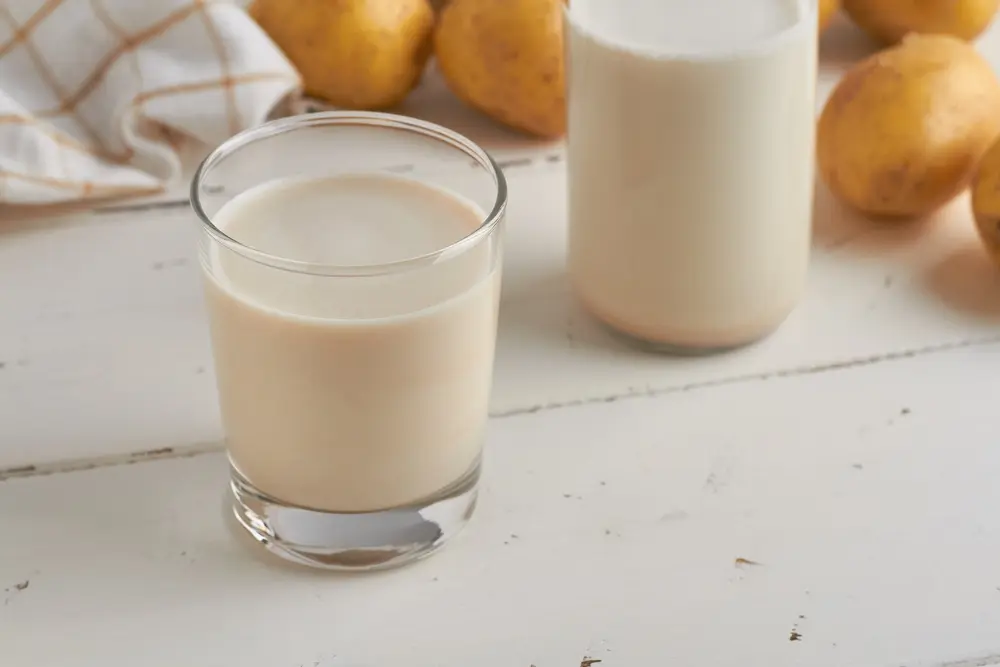
One of the biggest food scandals in China that claimed the lives of 6 children and poisoned 300,000 others. Several dairy companies allegedly tampered with nearly 230 tons of milk by adding melamine, a toxic product used to artificially inflate protein levels. This also caused serious kidney complications.
2- Pesticide-Laden Tea :
After green tea and jasmine tea, China introduces you to pesticide tea. Despite being the world's leading tea producer, China holds the record for the highest number of pesticides found in tea bags. Around 29 toxic substances were discovered in packets from multiple brands including Lipton. Rest assured, however, these teas were not intended for export...
3- Fake Chicken Eggs :
Mix calcium carbonate, plaster powder, a hint of paraffin wax, and some food coloring. Let it set for a few hours... and you'll have a perfect-looking egg without ever needing a chicken! Yes, even eggs are fake in China. Despite their flawless appearance, these counterfeit eggs contain no nutritional value and increase the risk of poisoning from industrial chemicals used in their production. At least this scandal revealed that the egg might have come before the chicken after all...
4- Carcinogenic Rice Noodles :
For some Chinese farmers, every penny counts. So even when rice grains are rotten, they use them with a dose of chemicals to restore their original color. Sulfur dioxide is quite handy for giving moldy rice a new lease on life—never mind if it's carcinogenic!
5- Fake Plastic Rice :
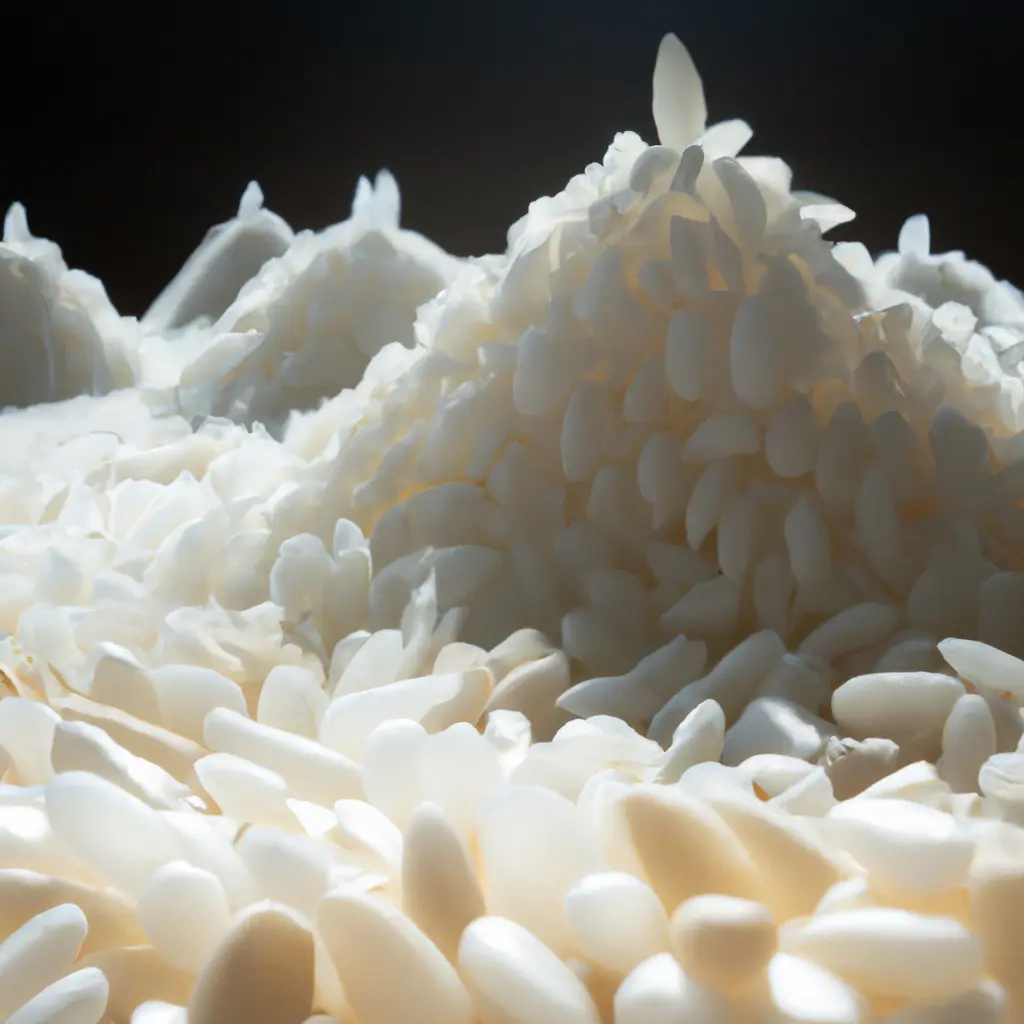
Some Chinese companies allegedly produce fake rice made from potatoes, sweet potatoes, and plastic. The plastic content is so high that eating three bowls of this rice is equivalent to eating a plastic bag. Even when cooked, these toxic rice grains remain hard. You've been warned...
6- Pork Passed Off as Beef :
In China, beef costs at least twice as much as pork. Starting from this observation, some clever minds devised a scheme to pass off pork as beef. With the help of a borax-based additive, used as an insecticide and in soaps, pork takes on the color and taste of beef. With the added bonus, potentially, of developing cancer. But that's a free gift!
7- Formalin-Treated Cabbage :
Preserving cabbage during hot weather in China regularly poses problems. That's why some farmers opted for the formalin solution. It's true, formalin does a good job of preserving lifeless bodies for several days, so why not cabbage? Know that when ingested in large quantities, formalin is a highly harmful and carcinogenic substance.
8- Adulterated Wine :
Wine is just beginning to establish itself on the Chinese market, and few consumers can claim to be connoisseurs. So why not take the opportunity to add sugared water, coloring, and artificial flavors, all topped with a fancy vineyard label, and Chinese consumers would be none the wiser! Unfortunately for this Chinese winemaker, his made-in-China wine causes heart dysfunction, migraines, and proves to be potentially carcinogenic
9- Mushrooms Bleached with Bleach :
The aesthetic appearance of fruits and vegetables is essential for sales. Some Chinese market gardeners didn't hesitate to give their mushrooms a second life by going to extremes. Nothing works better than soaking them in bleach to restore their pristine white brilliance!
10- Gutter Oil :
Why create when you can recycle? For environmental reasons, a Chinese agribusiness company specialized in reconditioned gutter oil. To combat waste, this company collected used restaurant oils, filtered them, and repackaged them. Over 2,000 tons of such oils were sold to restaurants.
Bonus - Exploding Watermelons : A little bonus with this new generation of explosive watermelons. To make the fruit bigger and more beautiful, 45 hectares of watermelon fields were treated with forchlorfenuron, a very powerful fertilizer. The farmers may have gotten heavy-handed with this growth accelerant since entire fields exploded, turning those 45 hectares into veritable battlegrounds. An incident that once again highlights the unconventional practices and excessive use of fertilizers by farmers driven by extreme yield policies.
Scandals each more absurd than the last, yet no less tragic and distressing. However, some may be reassured that it is entirely possible to consume healthy, quality food in all regions of China, as evidenced by our article on the best Chinese dishes. As for those inclined to cook at home, they can rest assured with our delicious Chinese recipes, ensuring they know exactly where their ingredients come from :)
Frequently asked questions
Since the 2008 melamine milk scandal, which killed 6 children and poisoned 300,000 others, China has strengthened its dairy safety regulations. However, many Chinese consumers continue to buy imported milk out of distrust for local brands.
Yes, it is entirely possible to eat safely in China. It is advisable to prioritize restaurants with high local traffic, fresh morning markets, and major chains. Avoiding products of questionable origin and opting for fresh, cooked food significantly reduces risk.
Food scandals in China have affected a wide variety of products: dairy products, vegetables (formalin-treated cabbage), mushrooms bleached with bleach, adulterated meats (pork sold as beef), recycled oils, and poor-quality rice. Caution is recommended with cheap processed products.
Following numerous food scandals, China strengthened its legislation with a revision of the food safety law. Harsher penalties were introduced, potentially including capital punishment for the most serious cases. However, enforcement of these laws remains uneven across regions.
Melamine is an industrial chemical compound used in the manufacture of plastics. It was fraudulently added to diluted milk to feign a higher protein content during quality checks. Its ingestion causes serious kidney damage, particularly in infants.