A Train to Beijing
Our stay in Wulingyuan had reconnected us with nature, and it was with a sense of apprehension that we considered boarding a train north to Beijing.
Our stay in Wulingyuan had reconnected us with nature, and it was with a sense of apprehension that we considered boarding a train north to Beijing.
Our first stay in Beijing had taught us that it is extremely difficult to travel by train in the country if you don't plan well in advance. Stations are indeed overwhelmed as soon as tickets go on sale (typically 2 weeks before departure), and you need to be fast enough to secure your precious ticket. If you're a regular reader of our blog, you'll know there are 4 types of comfort levels:
Soft sleepers (ruanwo), quite expensive and reserved for the wealthier travelers
Hard sleepers (yingwo), cheaper and therefore in high demand
Soft seats (ruanzuo), ideal for short distances
Hard seats (yingzuo), the cheapest and therefore reserved for the least affluent
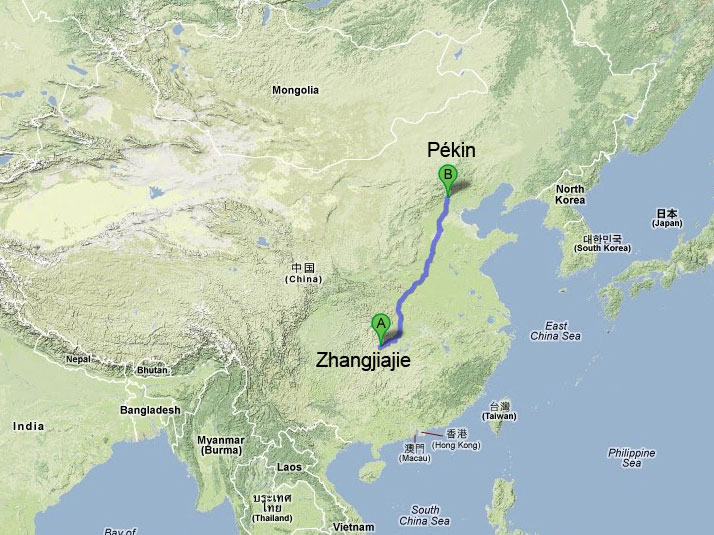
Since the city of Wulingyuan has no train station, we decide to verify seat availability by phone. The hotel staff soon informs us that there are no available seats for several weeks, except for hard seats. You should know that there are 27 hours of train travel between Zhangjiajie and Beijing, and for such a distance we would have hoped for at least some comfort.
Express to Beijing
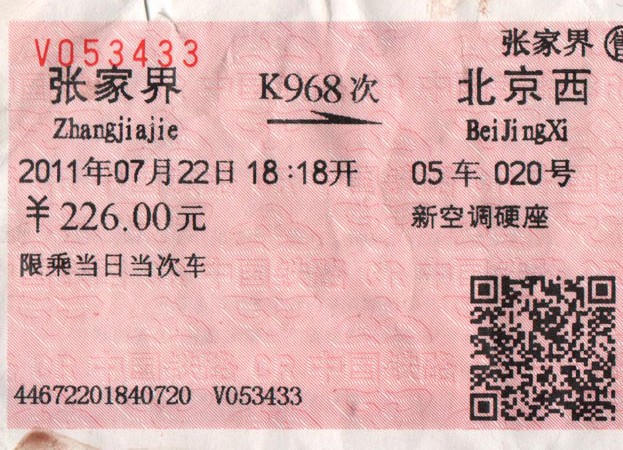
But the facts are there—we're forced to accept if we want to reach the capital on schedule. On the bright side, the ticket costs just 226 yuan (just over €20). When you see SNCF prices in France for a humble Lille-Paris journey, the gap is stark! Besides, this is a must-have experience if you want to discover the country, not to mention we'll have quite the story to tell...
€25 to cross half of China... can you beat that?
We leave Wulingyuan from the bus station where we arrived, heading to Zhangjiajie City train station.
Zhangjiajie to Beijing
It seems just as modern as the one in Guangzhou, and we join the crowd of travelers waiting for departure, scheduled for 6:30 PM.
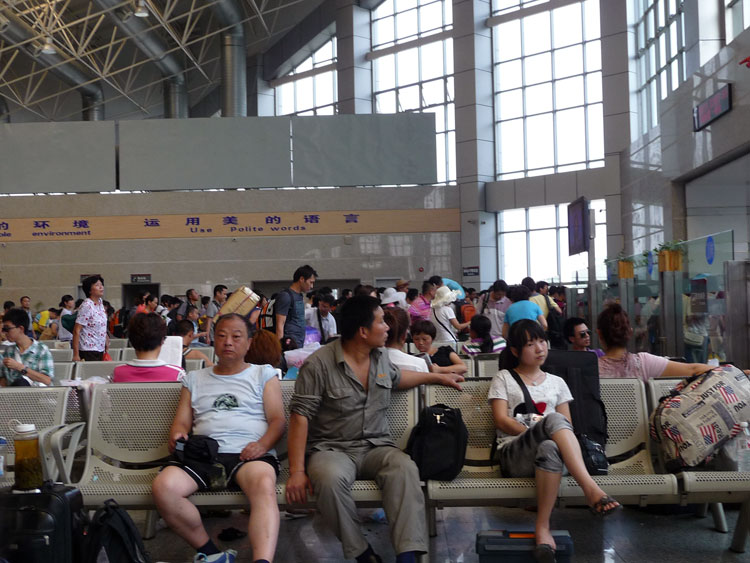
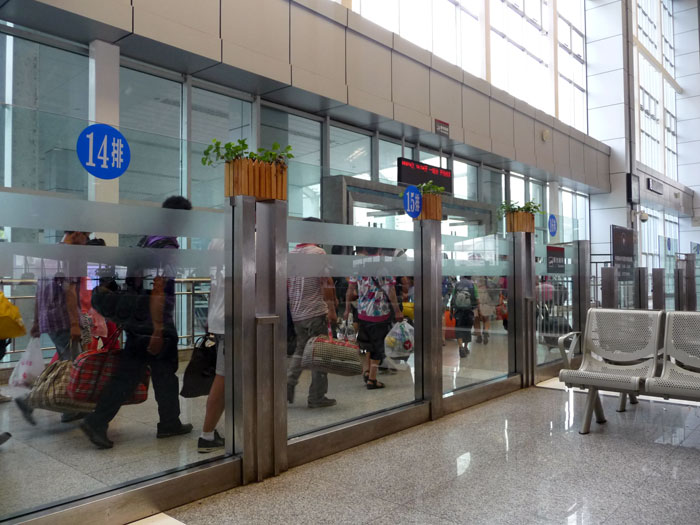
As the gates open, the Chinese rush into the train as if to ensure they have their seats. For our part, we're seated on a bench for 3 people facing another bench, separated by a tiny table. The wooden seats are indeed what we expected, simply covered with a thin blanket. We quickly understand why we had such difficulty securing seats—more tickets are sold than there are actual seats available... Many people will indeed remain standing for the entire journey, able to sit down only briefly when another passenger goes to the restroom...

We quickly strike up a conversation with our neighbors, a couple in their fifties who ask us various questions about French culture and our travels in China. Thanks to them, the first hours of the journey pass fairly quickly, suggesting that things might go smoothly from here.
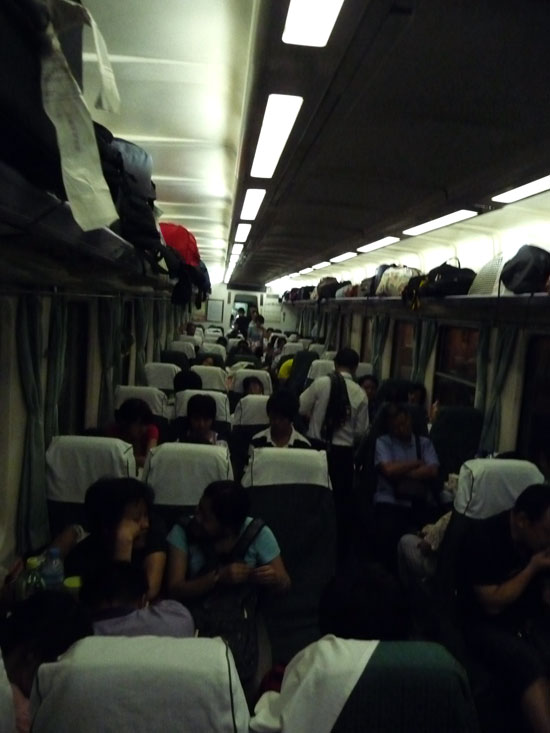
At 3 AM, however, they reach their destination and vacate their seats for other passengers. In the meantime, it's impossible to sleep for more than 20 minutes at a time, given the staff passing through the aisles shouting offers of food and drinks. 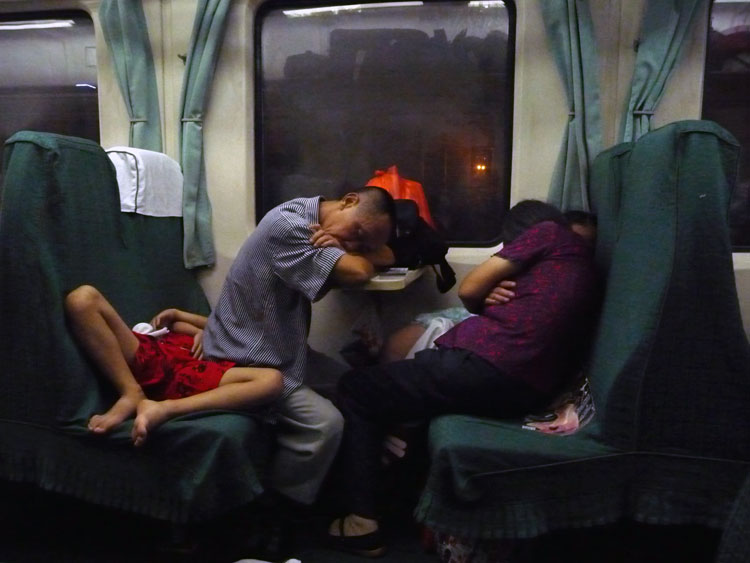
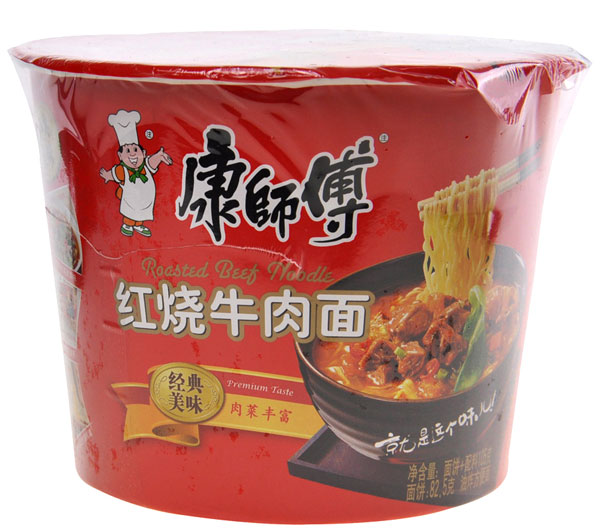
Unable to sleep, we opt instead for a packet of instant noodles that we pour hot water into and accompany with packets of meat of our choice. This type of quick meal had already been useful to us in Guangzhou, and would help us arrive in Beijing not completely exhausted.
The hours follow one another, all much the same—it's now been 15 hours since we boarded and fatigue is setting in. To make matters worse, we're now accompanied by an elderly woman who seems to embody all the clichés of rural China.
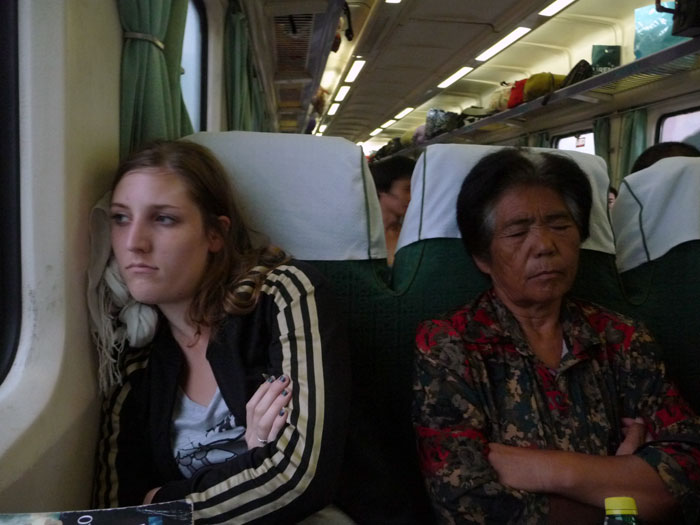
You and I—that's finished
On several occasions, she'll clear her throat loudly and accompany this delightful tableau with a festival of green spitting onto the floor, innocently wiped with her shoe. Shoes that she'll eventually remove to place her tiny, malodorous feet to my right—a marvelous blend of a rat dead for two weeks and overripe cheese... Authenticity at its finest!
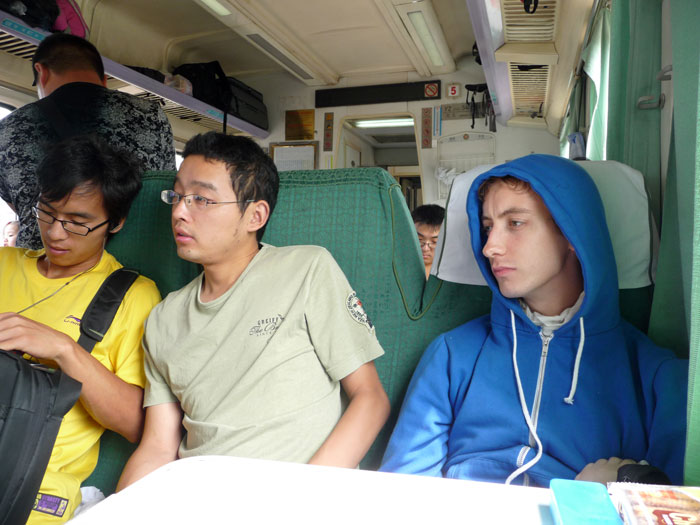
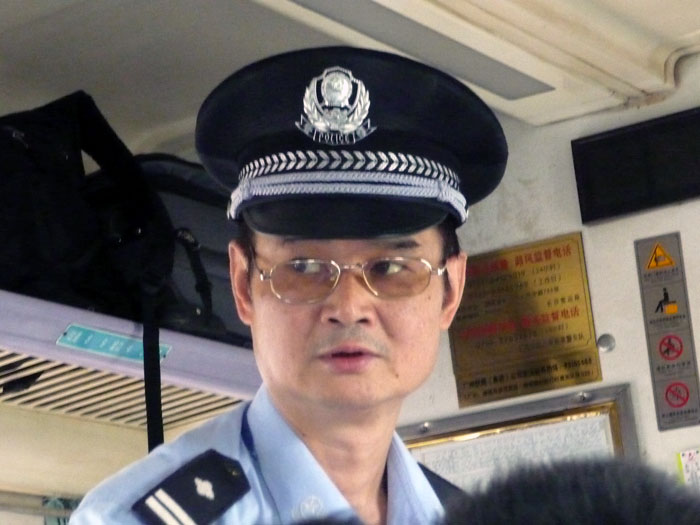
The final hours are inevitably the longest, constantly tempted to check our watches every 5 minutes. Especially since the landscapes outside are hardly inspiring for China—a sign of rural cannibalization and ever-accelerating urbanization. The only entertainment comes from the rounds of police officers through the cars, not to mention a few product demonstrations that would make even a home shopping TV host blush.
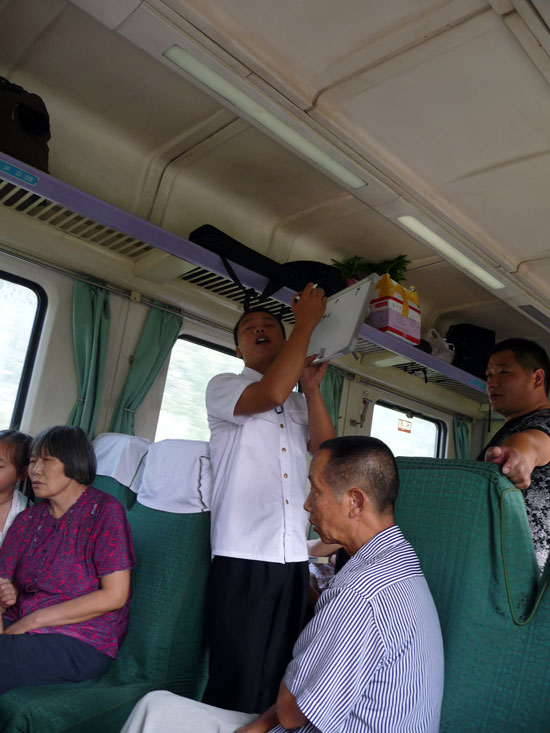
27 hours, perhaps the longest of our lives... That's how long it takes this train to reach Beijing West Station (Běijīng Xī). The on-board crew certainly has their work cut out for them cleaning the cars, but we're confident they'll manage! 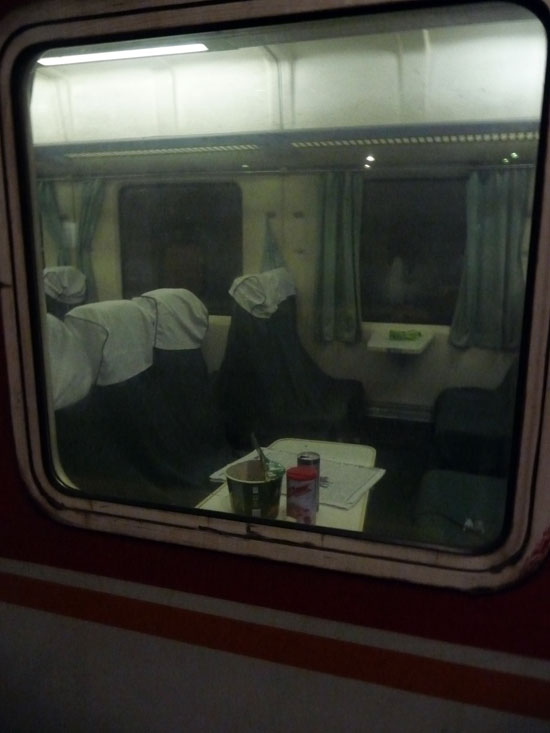
For us, the priority is to get to downtown for the night. To do so, we blend in with the mass of travelers waiting for a taxi at the station exit, relieved to finally stretch our legs at this late hour. Like our first day in China, the taxi driver has trouble finding our hotel street, though it's near Tiananmen Square on Meishi Street. This time it's the Qian Men Hostel, known for being more comfortable and welcoming than the Leo Hostel. Genghis Khan, the hostel owner, greets us as we step out of the taxi and helps us carry our bags. The reception staff are young and speak excellent English. The place lives up to its reputation and appears to be a haven for travelers from around the world. There's a very pleasant atmosphere in the common areas and dining room, which offers a nice variety of dishes.
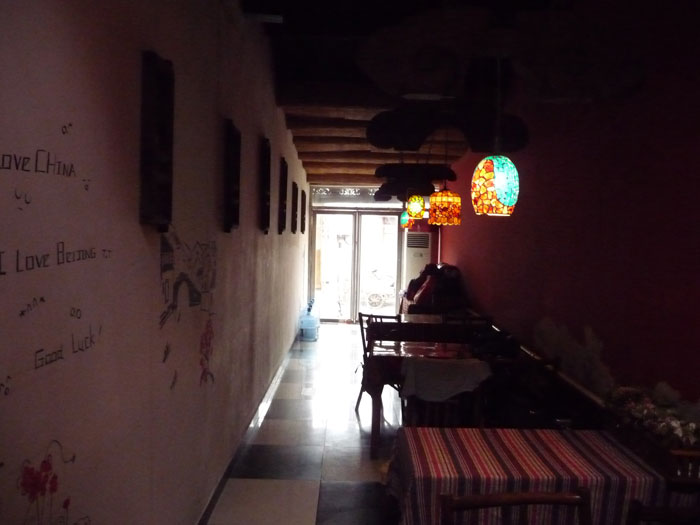
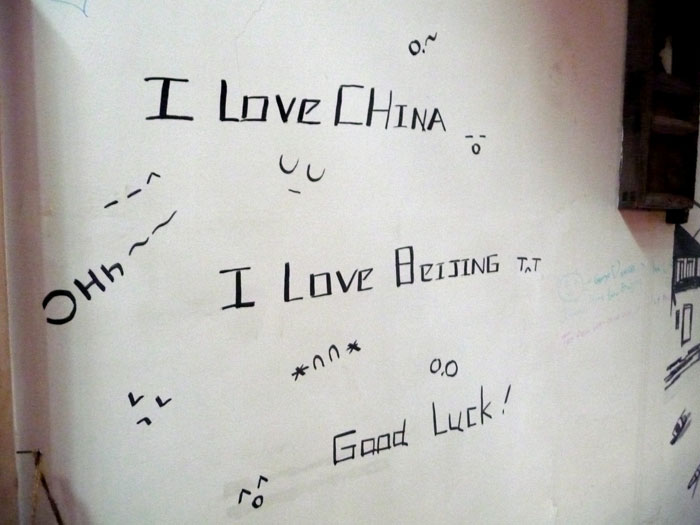
Our room is no less impressive, offering all the comforts we'd been craving—namely beds that aren't too hard and a shower!
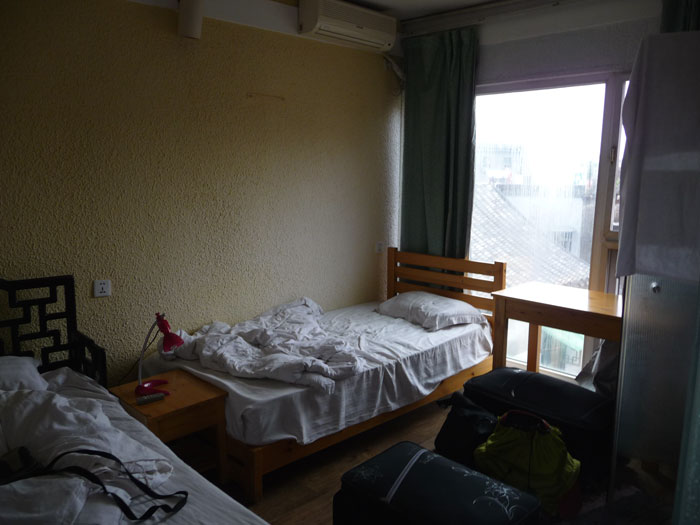
A promising start, then, for this week of sightseeing that promises to be extremely busy... To view photos related to this article, feel free to visit the Beijing gallery.
Frequently asked questions
The train journey between Zhangjiajie City and Beijing West Station takes approximately 27 hours. It's a conventional overnight train (not high-speed), traveling across much of China from south to north.
Chinese trains offer 4 ticket types: soft sleepers (ruanwo), comfortable but expensive; hard sleepers (yingwo), cheaper and in high demand; soft seats (ruanzuo), suitable for short distances; and hard seats (yingzuo), the cheapest but least comfortable for long journeys.
In 2012, a hard-seat ticket (yingzuo) for the Zhangjiajie–Beijing journey cost approximately 226 yuan, or just over €20. This represents excellent value for crossing a large portion of China, even if comfort conditions are basic for 27 hours of travel.
Buying train tickets in China can be challenging for foreigners. Tickets typically go on sale 2 weeks before departure and sell out quickly. You can purchase them directly at the station, through your hotel, or via online platforms like Trip.com, which offers an English interface. Your passport is essential for any ticket purchase.
Trains coming from southern China, like the one from Zhangjiajie, typically arrive at Beijing West Station (Beijing Xi, 北京西). From this station, you can reach downtown Beijing by taxi, metro, or bus.