Visiting China in Winter
Contrary to popular belief, traveling to China during the cold season proves quite pleasant if you prepare properly. The climate may be challenging for certain activities
Contrary to popular belief, traveling to China during the cold season proves quite pleasant if you prepare properly. The climate may be challenging for certain activities, yet winter travel often presents numerous advantages.
Advantages of a Winter Stay in China
Although winter is not the most recommended season for a visit to the Middle Kingdom, it is entirely possible to travel there and enjoy your journey. In China, it is very difficult to visit certain places peacefully due to the large number of tourists. However, in winter, visitors become fewer, and you'll have a greater chance of exploring certain must-see attractions of China alone or at least in quiet surroundings.
Winter is also an opportunity to book airline tickets at lower prices. Flights from Paris to Beijing or domestic flights are often cheaper in winter than during summer.
As for lodging, you'll find a wide selection of hotels and guesthouses with available rooms and can take advantage of numerous discounts. Don't hesitate to negotiate prices either.
Chinese Winter by Region
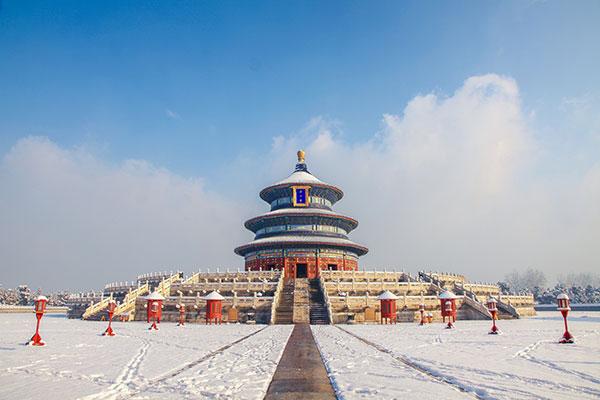
During the winter period, temperatures drop considerably across China. That said, this decrease varies depending on which region you're in. In the north, the climate is quite unfavorable between December and March. In Beijing, temperatures rarely exceed 0°C; however, the weather remains dry and sunny. Inner Mongolia offers very low temperatures reaching as far as -40°C. The northern part of the country generally experiences snowy periods that can appeal to families with children, for example, and make the landscape even more charming.
In the central region, temperatures are even lower compared to those in Beijing. They never exceed 0°C. The climate there is often very humid and windy and can prove quite unpleasant. Indeed, it's not uncommon for rain to appear in the center, even in winter.
In the south of the Middle Kingdom, winter lasts only from January to March. The cold is less severe than in the north. Temperatures hover around 10°C but the prevailing humidity can be disagreeable.
Preparing Your Luggage
Before traveling to China in winter, it is important to think carefully about essentials to pack.
Warm clothing and accessories: down jacket, hat, gloves, scarf, ski suit
Clothing and gear to protect you from rain
Quality crampons for your shoes (or snowshoes) for your hikes
A waterproof backpack for your day trips
A water bottle or thermos to have drinking water and hot beverages during your outings
A first aid kit containing common medications and your specific medications in case of particular illness such as allergies
A small survival kit: pocket knife or Swiss Army knife, matchbox or lighter, compass, flashlight
Events Not to Miss in Winter
Winter is not the most touristy season in China but it still offers plenty of events worth experiencing.
Christmas
Every December 25th, major Chinese cities like Beijing and Shanghai don an array of Christmas colors. Stores, hotels and large establishments are decorated in the spirit of this celebration, even though China doesn't celebrate it as a Christian holiday. The festive atmosphere that emerges during this day is simply extraordinary and rich in emotion. Several shops offer delicious cookies and sweets on this day. And if you wish to cook a turkey for your meal, you can easily obtain one at specialized retailers.
Harbin Ice and Snow Sculpture Festival
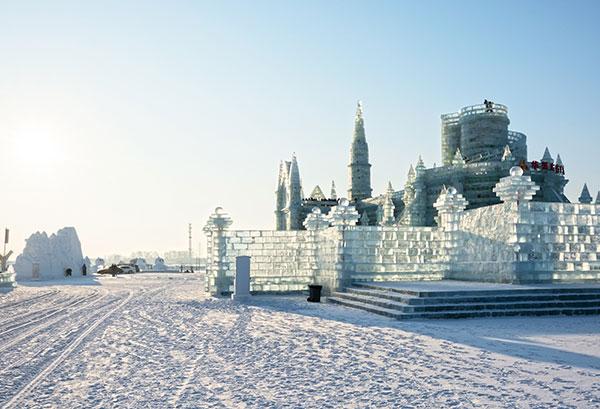
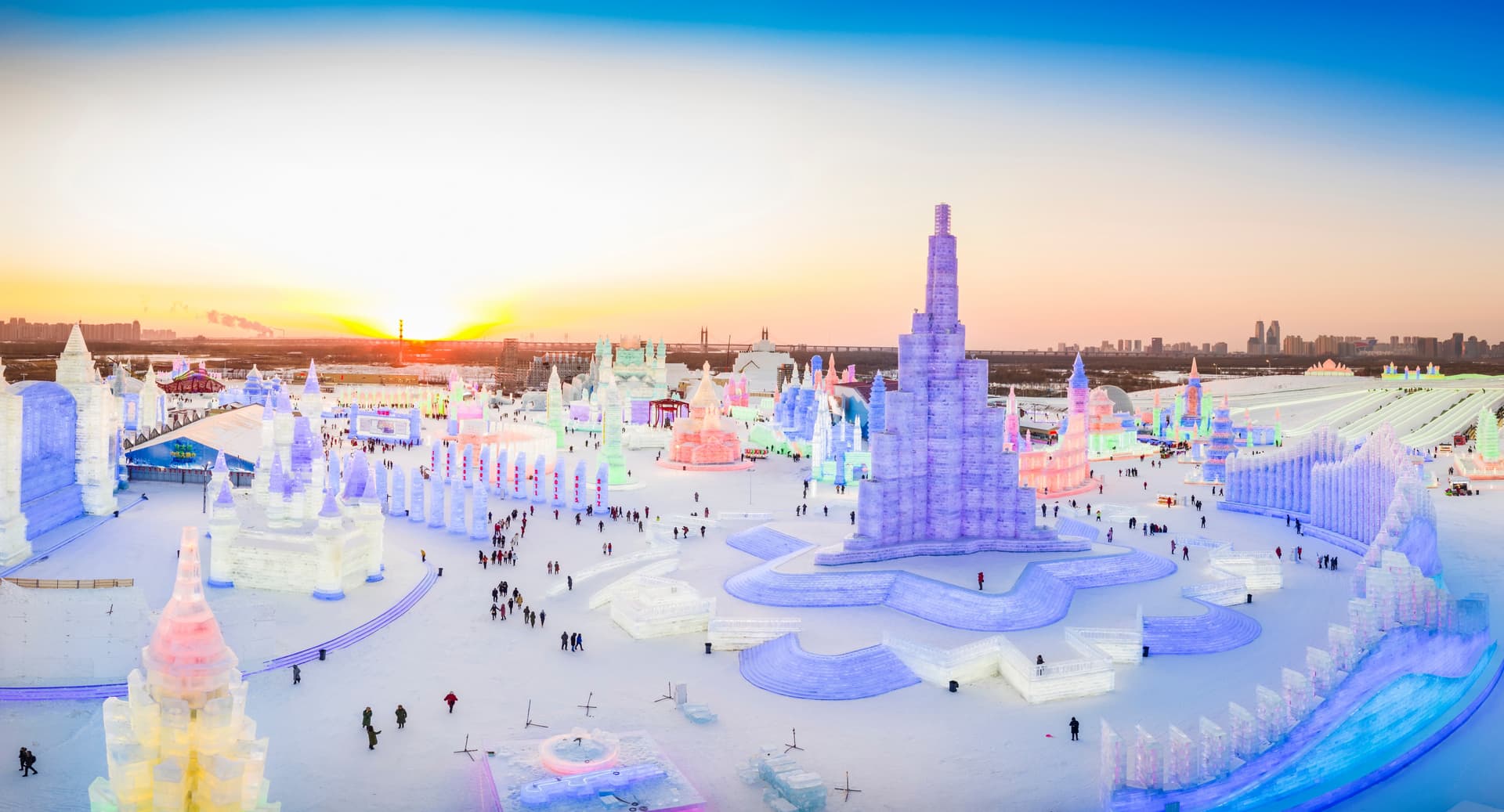
The Harbin Ice and Snow Sculpture Festival typically runs from early January through mid-February. If you want to experience something memorable during your stay in China, this is certainly an opportunity not to miss. During this festival, local and international artists gather to create immense ice sculptures that take your breath away: monuments, statues, and more. At the end of each day, the artworks are illuminated and together represent a small ephemeral city made entirely of ice and adorned with dreamlike decorations. A magical moment you shouldn't miss!
Chinese New Year
Chinese New Year is the most important and festive celebration in the Middle Kingdom. Streets and homes are decorated and illuminated by hundreds of lanterns. Various displays featuring symbols of the upcoming zodiac animal also adorn every neighborhood. During this event, Chinese people organize grand meals and reunite with family to celebrate. Trains are packed and run between major cities to transport people returning to their loved ones. Despite this, a cheerful and spirited atmosphere reigns throughout China.
Lantern Festival
The Lantern Festival takes place at the end of Chinese New Year celebrations, 15 days after the new year. To be more precise, it marks the end of Chinese New Year holidays. Early in the evening, families head out and stroll through the streets with a lantern in hand. For a few hours, neighborhoods are illuminated by hundreds of paper lanterns and the scene unfolding before your eyes is simply incredible to behold.
A Few Activities to Enjoy in China During Winter
In China, you have the opportunity to enjoy several activities during winter:
Skiing: several ski resorts in the northern part of the country open for the delight of sports enthusiasts.
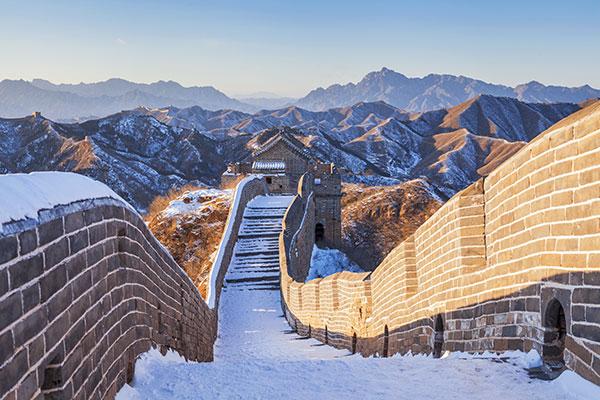
Viewing the Great Wall: the Great Wall of China under snow is a must-see spectacle. During this period, certain sections are deserted and promise a unique and unforgettable day.
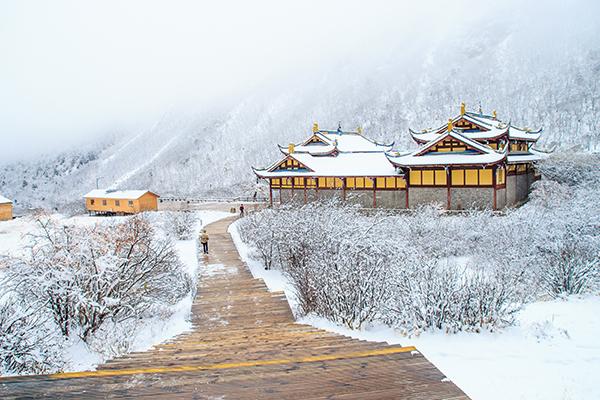
Discovering wild landscapes blanketed in white: Yellow Mountain and Changbai Mountain are two excellent places for winter hiking.
Visiting the magnificent frozen island of Jilin: from mid-November, this island reveals breathtaking snowy landscapes reminiscent of scenes from certain episodes of Game of Thrones.
Frequently asked questions
It depends on your preferences. If you enjoy the cold and snowy landscapes, the north (Harbin, Beijing) is ideal. If you prefer milder temperatures, choose southern China, where it's around 10°C from January to March.
The Harbin Ice and Snow Sculpture Festival typically runs from early January through mid-February. It is one of the most spectacular winter events in the world.
Yes, winter is a low tourist season in China (outside Chinese New Year). Flights, particularly Paris to Beijing, and accommodations are often cheaper than in summer. You can also negotiate prices at hotels and guesthouses.
Pack warm clothing: down jacket, hat, gloves, scarf and ski suit if you plan mountain activities. Shoes with crampons are useful for hiking on snowy terrain. A raincoat is recommended for central and southern regions.
Yes, and it's truly a unique experience! Certain sections of the Great Wall are deserted in winter, allowing you to visit it in rare peace and quiet. Under the snow, the panorama is particularly striking. Wear shoes suited to slippery terrain.
Chinese New Year follows the lunar calendar and changes dates each year, typically falling between late January and late February. It's the most festive period in China, but also the busiest in terms of transportation. Plan your train and accommodation bookings in advance.