Hubei Provincial Museum
Hubei Provincial Museum
In Wuhan, the Hubei Provincial Museum preserves 150,000 relics, including the bell carillon of the Marquis Yi of Zeng and treasures from Chu culture.
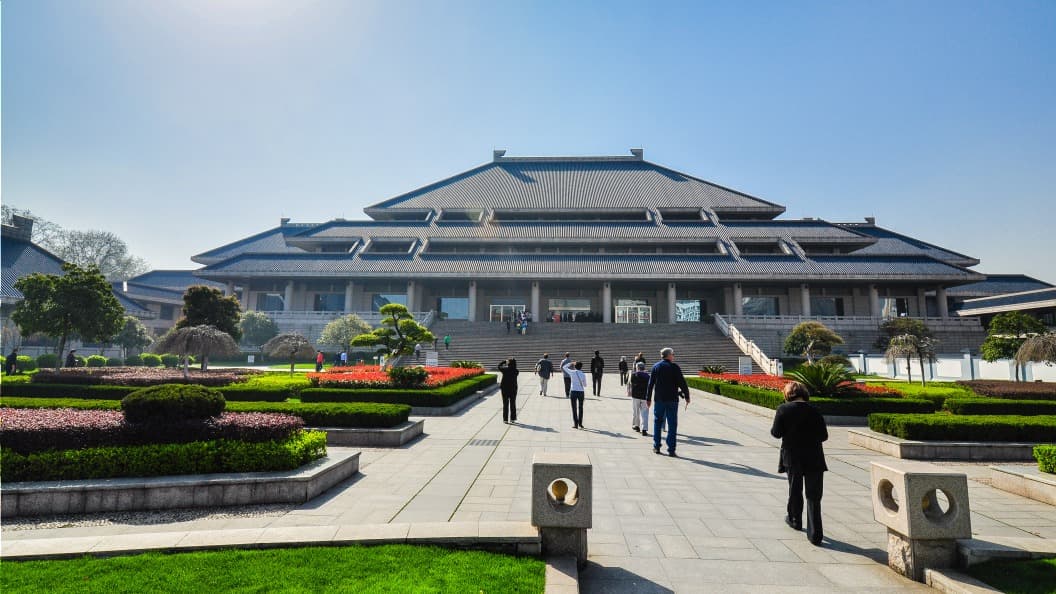
The Hubei Provincial Museum, located in the Wuchang district of Wuhan, houses one of central China's most significant archaeological collections. Its 150,000 relics span several millennia of regional history, from Neolithic cultures to imperial dynasties, with particular attention paid to the State of Chu and the celebrated tomb of the Marquis Yi of Zeng.
Why visit the Hubei Provincial Museum
The museum stands out for the richness of its pieces from local excavations: 640 objects benefit from national protection classification. You will see one of ancient China's most striking archaeological assemblies—the bian zhong bell carillon of the Marquis Yi—as well as royal weapons linked to the rivalries of the Warring States period, such as the sword of Gou Jian and the spear of Fu Chai. It is a recommended stop for those wishing to understand Chu culture, long viewed as marginal to the civilisation of the northern plains, yet revealed to possess remarkable technical refinement.
Museum history
Founded in 1953, the Hubei Provincial Museum ranks among the eight national museums established jointly by the central government and local administrations. Much of its renown stems from the opening of the tomb of the Marquis Yi of Zeng in Suizhou in 1978: this burial, dated to approximately 433 BCE (Warring States period), yielded more than 15,000 objects in bronze, jade, lacquer, bamboo and silk, many of which have joined the permanent collections. The museum was subsequently expanded several times to accommodate these assemblies.
What to see during your visit
The tour is organised around three main spaces: the bell carillon hall, the Chu culture hall, and the general exhibition building.
The bell carillon hall
The centrepiece of the visit, this hall displays the major pieces from the tomb of the Marquis Yi of Zeng, over 2,400 years old. The star attraction is the bian zhong bell carillon, considered the largest bronze musical instrument ever discovered: a set of 65 bells suspended on three levels, capable of producing a complete chromatic scale. Nearly 3,000 ancient Chinese characters are engraved on it, mentioning the owner's name and musical notations. You will also see spears, shu-type swords and bamboo strips used as writing surfaces. An adjoining Music Hall offers two daily performances played on replicas of the instrument.
The Chu culture hall
The State of Chu, situated in the middle Yangtze valley, was one of pre-imperial China's great cultural centres. The hall brings together ritual bronze vessels, lacquerware with distinctive motifs of animals and shamanic figures, bamboo and wood objects, as well as silk textiles of remarkable fineness for the period. The sword of Gou Jian, found intact despite more than two millennia of burial, and the spear of Fu Chai illustrate the region's metallurgical expertise. Several restored chariots complete the ensemble.
The general exhibition building
This space presents a varied selection: ceramics, including a particularly noteworthy blue-and-white porcelain from the Yuan dynasty, prehistoric fossils, bronze utensils and objects related to daily life during later dynasties. A shop at the end of the tour offers reproductions and reference works.
Practical information
- Opening days: Tuesday to Sunday, weekly closure on Monday (subject to change).
- Hours: morning opening through late afternoon, last admission approximately one hour before closing.
- Admission: free entry with valid identification; modest surcharge for the bell carillon musical demonstration in the Music Hall.
- Duration of visit: allow 2 to 3 hours to explore all three halls at a leisurely pace.
- To note: online reservation often required on weekends and public holidays.
How to get there
The museum is located on the shore of East Lake (Donghu), in the Wuchang district. Several bus lines serve the Sheng Bo Wu Guan stop, situated in front of the main entrance, as well as the Huangli coach station, directly opposite. Wuhan's metro also provides access to nearby districts, from which a short taxi or ride-hailing journey brings you to the museum. Coming from Wuchang city centre, allow 20 to 30 minutes depending on traffic.
Nearby attractions
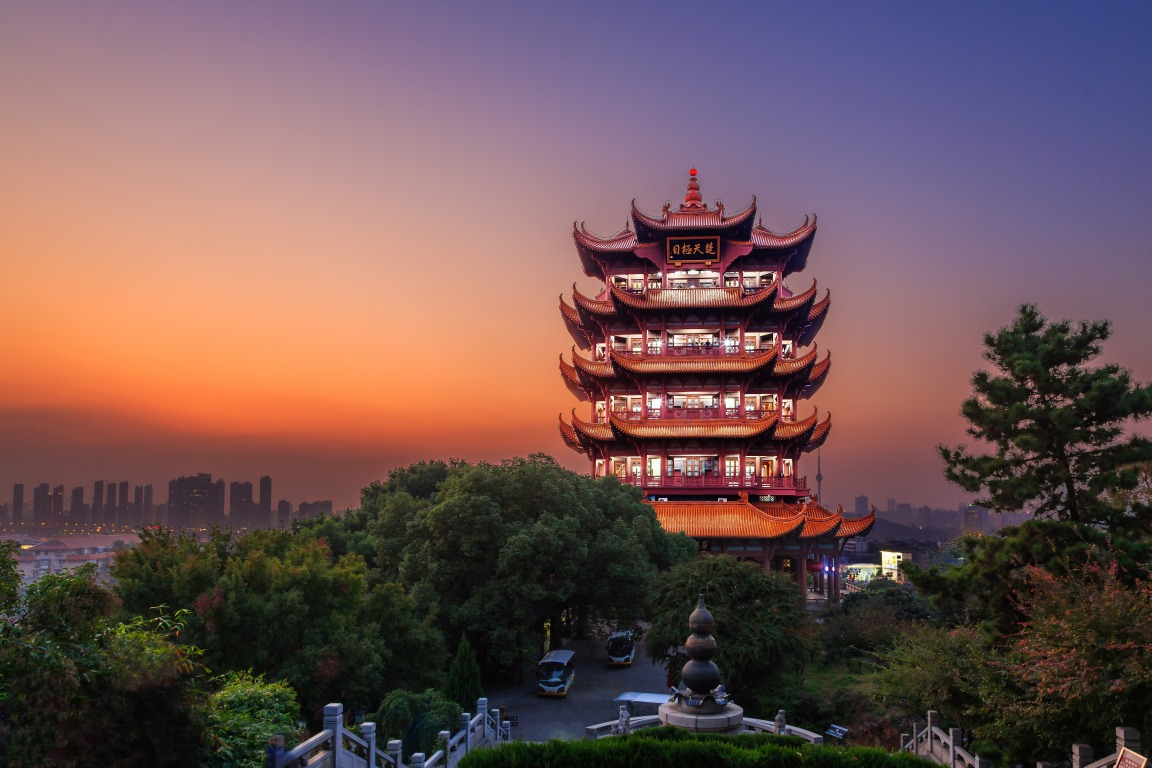
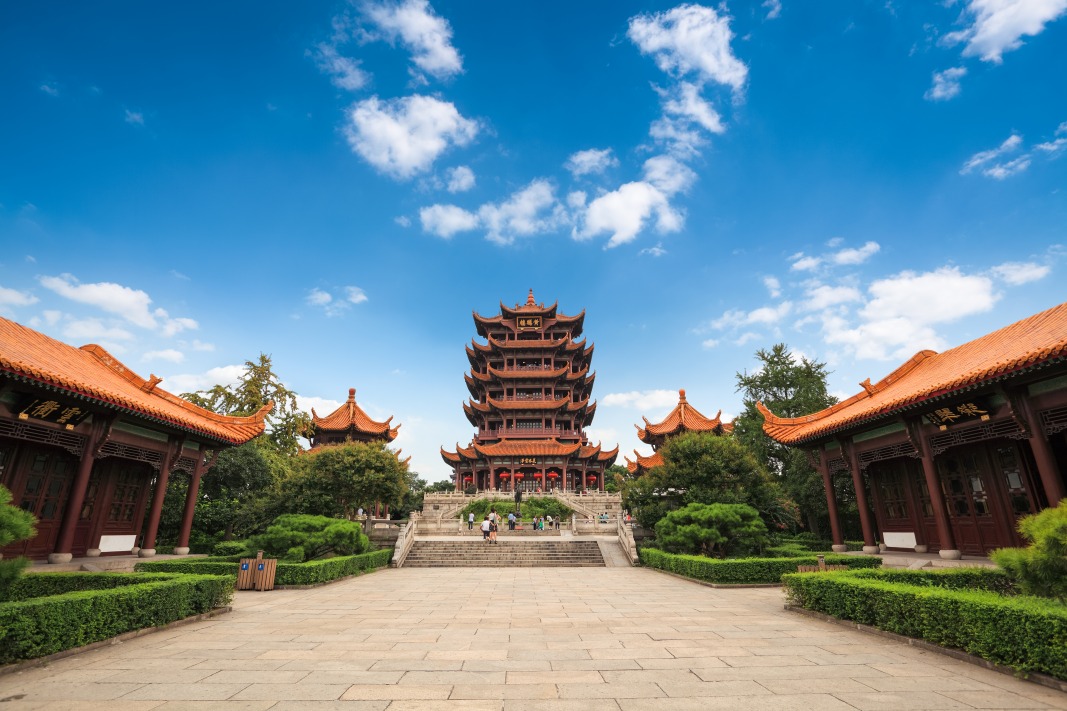
The museum naturally fits into a day devoted to Wuhan: East Lake and its gardens make for a pleasant stroll after your visit, and the Yellow Crane Tower is about ten kilometres away. If you extend your trip through eastern China, the Shanghai Museum and the Yuyuan Garden offer an interesting urban counterpoint, while the Nanjing Massacre Memorial complements a historical perspective of the Yangtze valley.
Frequently asked questions
Frequently asked questions
Extend the experience
Wuhan is a strategic stopover for those interested in Chinese imperial history and Yangtze cultures. To build a comprehensive itinerary combining heritage, landscapes and major metropolises, consult our suggestions for travel in China.
Interested in this visit?
We can include it in your personalised itinerary.