Guiyuan Temple
Guiyuan Temple
Founded in 1658 in Hanyang District in Wuhan, Guiyuan Temple brings together 500 Arhat statues, a Sutra Pavilion, and the headquarters of local Buddhists.
The Guiyuan Temple, formerly known as the Temple of Purity, ranks among the four great Buddhist temples of Wuhan. Located on Cuiwei Road, in the western part of Hanyang District, it sprawls across 46,900 m² and houses the headquarters of the Wuhan Buddhist Association. Founded in 1658 under the Qing dynasty, it remains one of the principal centers of Buddhism in Hubei province.
Why visit Guiyuan Temple
The site stands out for three remarkable features: an Arhat Hall featuring approximately 500 gilded statues, a 25-meter-high Sutra Pavilion preserving Buddhist relics, and a monumental inscription comprising 5,424 characters calligraphed in red ink and gold dust. It is also an active place of worship, visited daily by devotees, which sets Guiyuan apart from a mere frozen heritage site.
The complex as a whole makes for a compelling entry point into understanding Chinese Buddhism without leaving Wuhan's urban center. Plan to spend 1.5 to 2 hours exploring the main courtyards and halls.
History
The temple was founded in 1658, during the Qing dynasty (1644-1912), by Buddhist monks Baiguang and Zhufeng. It was built within the grounds of Wuzhangpu Kuiyan Park in Hanyang.
Over the centuries, looting and fires caused numerous partial destructions. The most significant reconstruction took place during the First Republic of China (1912-1949), a period that established much of the complex's current appearance.
As headquarters of the Wuhan Buddhist Association, the temple has welcomed several notable official visits: Japanese Prime Minister Yasuhiro Nakasone, U.S. Secretary of State Henry Kissinger, Cambodian King Sihanouk, and former Singapore Prime Minister Lee Kuan Yew.
What to see
The complex comprises five courtyards and more than 200 halls dedicated to Buddhism. The visit centers around three main courtyards.
The Northern Courtyard
The entrance inscription features 5,424 characters calligraphed in red ink and gold dust, drawing from the Diamond Sutra and the Heart Sutra. At the far end of the courtyard stands the Sutra Pavilion, rising 25 meters high and covering 400 m² at its base. It preserves ancient sutras, Buddha figures, stone sculptures, calligraphy, and religious texts brought back from abroad.
The Central Courtyard
The central courtyard is organized around a basin inhabited by fish and turtles, flanked by a ritual bell and drum that visitors may ring. It provides access to the Daxiongbaodian Hall, which houses the principal statue of Sakyamuni, accompanied by representations of Amitabha, Guanyin (Kwan-yin), and the bodhisattvas Dashizhi.
The Southern Courtyard
The southern courtyard hosts the Arhat Hall, which brings together approximately 500 gilded statues, each in a different posture. Further on, the statues of the 18 Arhats, direct disciples of Buddha, each weigh 25 kg and are identical in format. The tradition of "counting the Arhats," a popular practice in Chinese temples, is particularly suited to this hall.
Practical information
- Address: Cuiwei Road, Hanyang District, western Wuhan
- Size: 46,900 m², 5 courtyards, more than 200 halls
- Recommended visit duration: 1.5 to 2 hours
- Opening hours: daytime access, generally morning through late afternoon (verify on-site)
- Admission: paid entry at a modest price, slightly higher during festival periods
- Dress code: decent clothing; the site remains an active place of worship
When to visit
The temple welcomes visitors year-round. The busiest periods coincide with the Lunar New Year (typically late January through mid-February) and Buddha's Birthday (the 8th day of the 4th lunar month, in May), when devotees flock and ceremonies multiply. The atmosphere is more vibrant, though crowds are heavier.
For a quieter experience, choose weekday mornings outside Chinese school holidays. Spring (March-April) and autumn (October-November) offer the most pleasant weather conditions in Wuhan.
How to get there
The temple is served by several urban bus lines: 45, 401, 524, and 707. Ask to get off at the "Guiyuan Temple" stop. From central Wuhan, allow approximately 20 to 30 minutes by taxi or ride-sharing service depending on traffic. The nearest metro station is accessible on foot or via a short taxi ride.
Nearby
To complete a day in Wuhan, several sites can be combined with a visit to the temple:
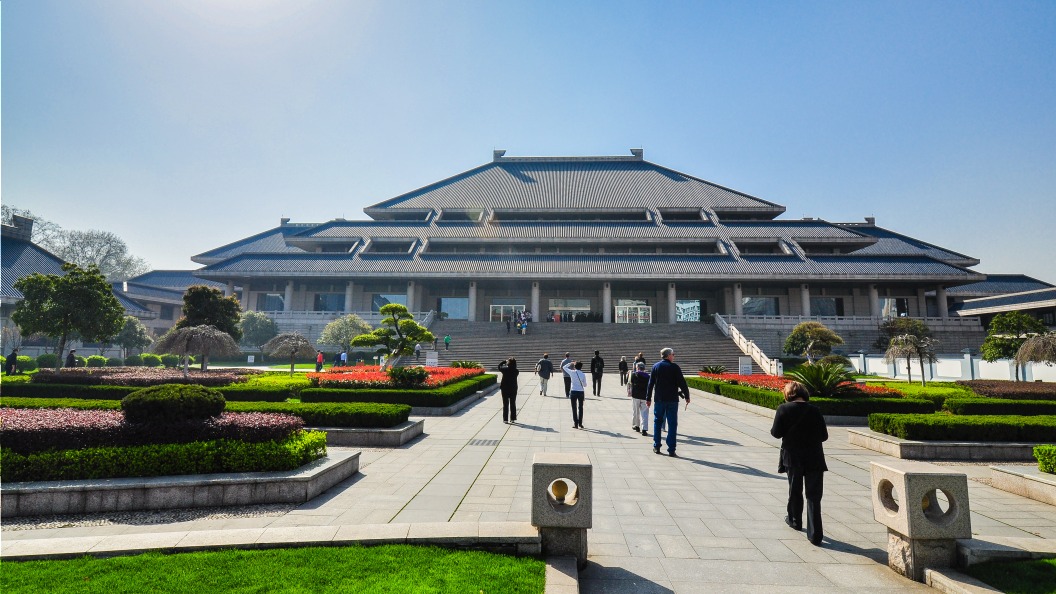
- Hubei Provincial Museum: major archaeological collections, including the bronze bells of Marquis Yi of Zeng.
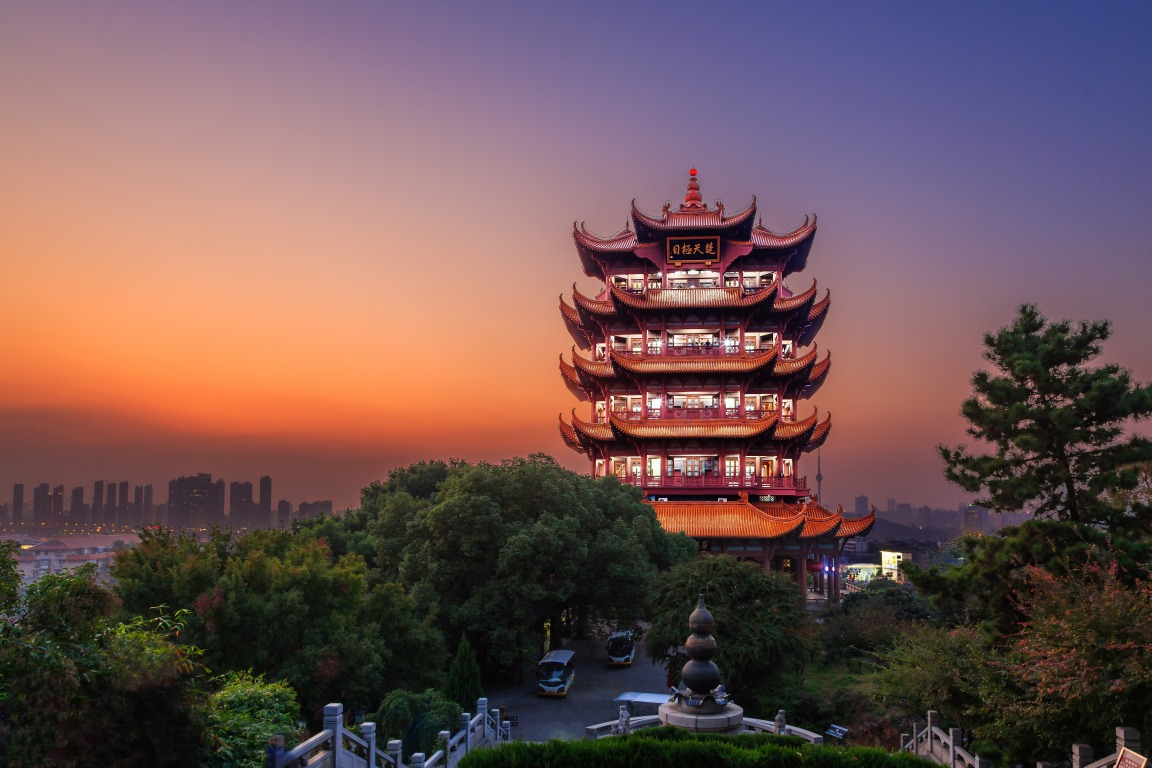
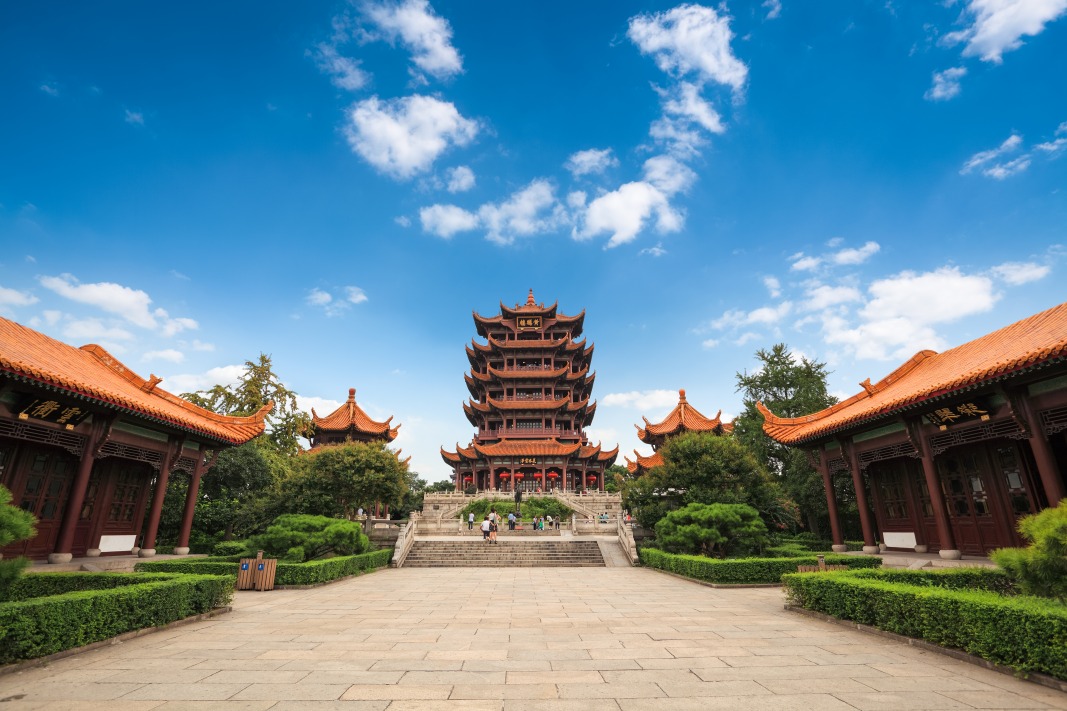
- Wuhan: home to the Yellow Crane Tower and walks along the Yangtze River.
If you extend your journey to other Chinese cities, the Nanjing Massacre Memorial or the Great Wild Goose Pagoda in Xi'an offer other historical and religious anchors.
Frequently asked questions
Frequently asked questions
Allow 1.5 to 2 hours to explore the three main courtyards, the Arhat Hall, and the Sutra Pavilion at a leisurely pace.
Yes. It houses the headquarters of the Wuhan Buddhist Association and welcomes monks and devotees daily. Respectful dress and discreet behavior are expected.
They are disciples of Buddha who have attained enlightenment. The 500 gilded statues each display a different posture and expression, illustrating the diversity of spiritual paths.
Buses 45, 401, 524, and 707 serve the temple stop. By taxi or ride-sharing from the center, allow 20 to 30 minutes depending on traffic.
Spring and autumn offer the best weather conditions. To experience major ceremonies, aim for Lunar New Year or Buddha's Birthday, keeping in mind that crowds will be substantial.
Plan your trip
Guiyuan Temple fits naturally into an itinerary centered on Hubei and the Yangtze Valley. To build a custom journey including Wuhan and the country's great Buddhist sites, explore our suggestions for travel to China.
Interested in this visit?
We can include it in your personalised itinerary.