Yellow Crane Tower
Yellow Crane Tower
Built in 223 on Snake Hill in Wuhan, the Yellow Crane Tower combines military history, Tang poetic heritage and sweeping views of the Yangtze River.
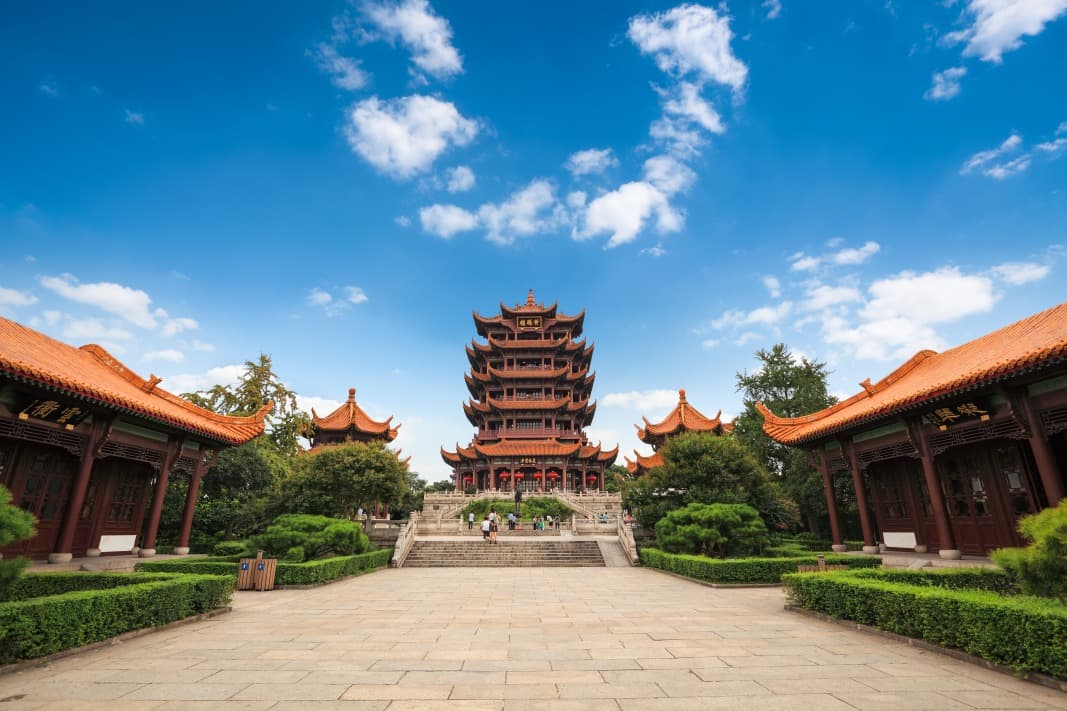
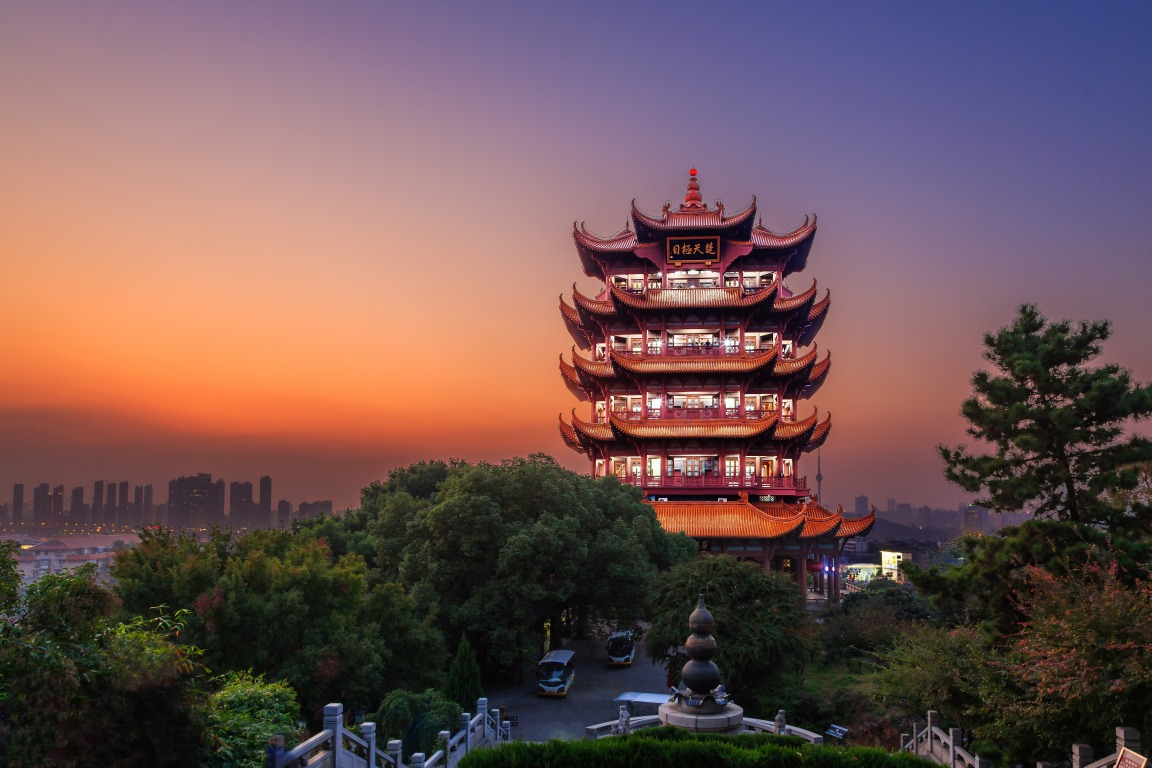
The Yellow Crane Tower (Huang He Lou) dominates Snake Hill (Shéshān) in Wuhan, on the southern bank of the Yangtze River. An emblematic edifice of southern China, it combines military memory from the period of the Three Kingdoms, the poetic heritage of the Tang dynasty, and contemporary reconstruction. Its five-tiered silhouette and roofs of golden glazed tiles make it one of the major landmarks in Hubei Province.
Why visit the Yellow Crane Tower
Three reasons make the visit worthwhile. First, its historical significance: the site has existed since 223 AD and has witnessed eighteen centuries of Chinese history, from feudal wars to imperial dynasties. Second, its literary dimension: the tower is associated with classical poems by Cui Hao, Li Bai, and Fei Yi, still studied in Chinese schools today. Finally, the panorama: from the top floor, views encompass the Yangtze River, Wuhan's bridges, and the sprawling megacity that extends on both sides of the river.
History
The first tower was built in 223, during the period of the Three Kingdoms. Sun Quan, ruler of the Wu kingdom, had the structure erected on Snake Hill as a military watchtower, intended to monitor enemy movements on the Yangtze River.
Its defensive purpose gradually faded in favor of a symbolic and literary function. From the eighth century onward, Tang poets frequented the site and inscribed it permanently in Chinese cultural imagination. The poem by Cui Hao dedicated to the tower remains one of the most cited texts in classical Chinese poetry.
Built of wood, the tower suffered fires, wars, and plunder. Under the Ming (1368-1644) and Qing (1644-1911) dynasties, it was rebuilt more than seven times. The last major disaster, the fire of 1884, nearly destroyed it entirely. The structure visitors see today dates from 1985: a reconstruction faithful to the original spirit, yet equipped with modern elements such as an elevator facilitating access to the upper floors.
What to see on site
Tower architecture
The tower rises to 51 meters in height on a foundation of approximately 30 m². It has five stories and displays the codes of imperial architecture: upturned eaves, carved balustrades, and 100,000 glazed yellow tiles covering the roofs. The structure rests on 72 beams supporting successive overhangs. The dominant color, imperial yellow, contrasts with the hill's vegetation.
Poetry and inscriptions
The interior houses steles, murals, and calligraphy evoking the great poets associated with the site, notably Li Bai, Cui Hao, and Fei Yi. Under the exterior arches, large calligraphic inscriptions reach approximately 15 meters in length and recall the literary heritage of the edifice.
The panorama
From the upper floor, views encompass the Yangtze River, Wuhan Bridge, the districts of Wuchang and Hankou, as well as the greenery of the surrounding park. It is one of the best urban vantage points in the city.
The park and the bell
The tower sits within a landscaped park featuring commemorative pavilions, statues, and secondary pagodas. The giant bell displayed within the grounds is, according to local tradition, one of the few elements spared by the 1884 fire. Visitors may strike it symbolically.
Practical information
- Duration of visit: allow 1.5 to 2.5 hours for the tower, park, and panoramic views.
- Opening hours: open daily, with extended hours from April to October and reduced hours in winter.
- Admission fee: paid entry at moderate rates; student discounts available with valid ID.
- Documentation: an English-language map is generally available at the south entrance.
- Best time to visit: morning for natural light, or sunset to see the tower illuminated.
How to get there
The tower is located in Wuchang District, accessible from all central neighborhoods of Wuhan.
- Metro / tram: exit at Huang He Lou station, served by lines 1 and 4.
- Bus: several urban bus routes stop near the park entrance.
- Taxi or ride-hailing: convenient option from the city center; tell the driver "Huang He Lou."
Nearby attractions
Wuhan offers several complementary sites to extend your visit:
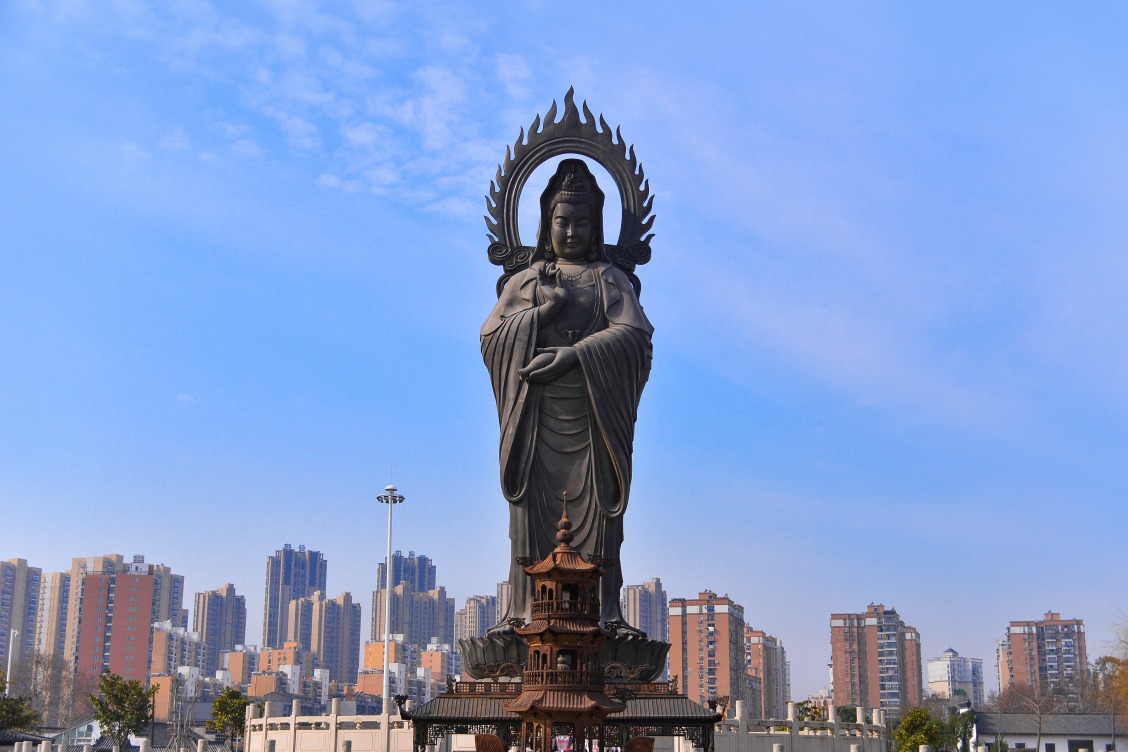
- The Guiyuan Temple, a Buddhist monastery renowned for its 500 sculpted arhats.
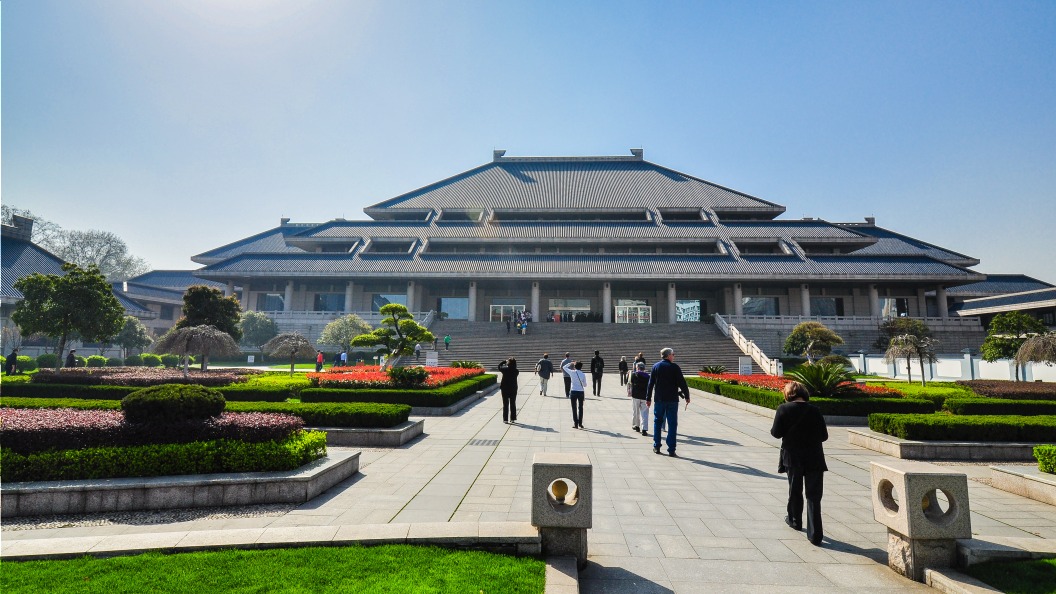
- The Hubei Provincial Museum, which houses the famous bells of the Marquis Yi of Zeng.
- To extend your itinerary through East China, the West Lake in Hangzhou and the Nanjing Massacre Memorial are accessible by high-speed train.
Frequently asked questions
Frequently asked questions
Including Yellow Crane Tower in your trip
The Yellow Crane Tower naturally fits into an itinerary combining imperial heritage and major cities along the Yangtze River. To build a custom-tailored journey, consult our China travel suggestions.
Interested in this visit?
We can include it in your personalised itinerary.