Zhongshan Park in Beijing
Zhongshan Park in Beijing
A former imperial park south of the Forbidden City, Zhongshan Park is home to the Altar of Earth and Harvests and a memorial dedicated to Sun Yat-sen.
The Zhongshan Park is a former Beijing imperial park converted into a public space dedicated to the memory of Dr Sun Yat-sen. Located south of the Forbidden City and northwest of Tian'anmen Square, it covers 218,000 m² in the heart of Beijing and preserves the Altar of Earth and Harvests, a site of imperial sacrifices under the Ming and Qing dynasties.
Why visit Zhongshan Park
The park combines three attractions rarely found together on a single Beijing site: an intact Ming imperial altar, thousand-year-old cypress trees dating from the Liao and Jin dynasties, and a Republican memorial dedicated to Sun Yat-sen, regarded as the founding father of modern Chine. Its position, just a few minutes' walk from the Forbidden City, makes it an ideal complementary visit after the imperial palace, in a quieter, more tree-lined setting.
History
From Buddhist temples to imperial altar
Under the Liao and Jin dynasties, the site was home to the Xingguo Temple. Under the Yuan dynasty, it was renamed the Wanshou Xingguo Temple. In 1420, under the reign of Emperor Yongle (Zhu Di), an altar was built alongside the construction of the neighboring imperial palace. During the Ming and Qing dynasties, the site housed the Altar of Earth and Harvests, one of the empire's great official places of worship.
From imperial altar to public park
At the end of 1913, the Chinese government had the altar restored. On October 10, 1914, the site was officially transformed into a public park. A few years later, it was dedicated to the memory of Sun Yat-sen, who gave it its present name — Zhongshan being the Chinese name of the Republican leader.
What to see in the park
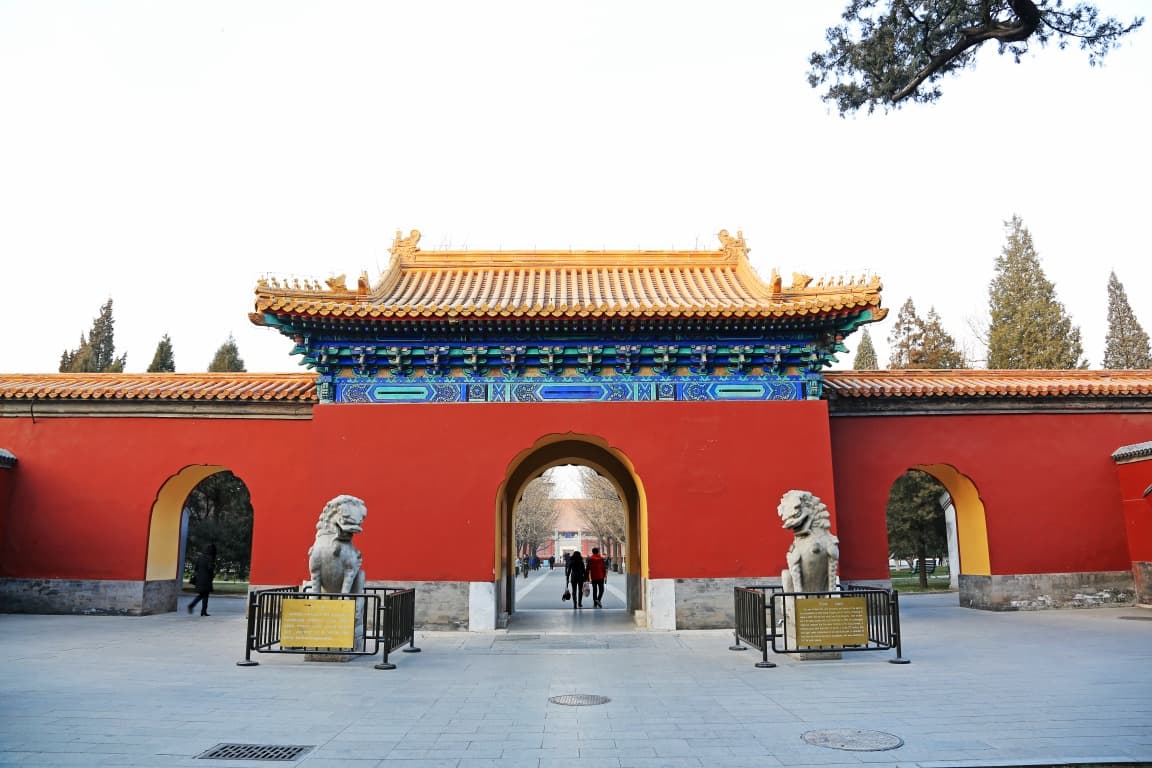
The white marble entrance gate
The entrance is marked by a large white marble arch bearing calligraphy attributed to poet Guo Moruo. The monument was initially erected in memory of German Baron Von Ketteler, a diplomat killed during the Boxer Rebellion, before being remodeled and relocated to the park.
The Altar of Earth and Harvests
At the end of an avenue lined with cypress trees and rocks stands the main altar, in the form of a large two-tiered terrace. The Ming and Qing emperors offered sacrifices here to the god of Earth and the god of Grain to ensure good harvests. Around the altar, several Ming monuments are preserved: the Bai Palace, the Kitchen, the Storehouse, the Sacrifice Pavilion, as well as the original walls and gate.
The Sun Yat-sen memorial
The park is home to a bronze statue of Dr Sun Yat-sen approximately 11 meters tall, which recalls the site's commemorative purpose since 1914.
Halls, arcades and greenhouse
To the north, the Hall of Prayers is still used today for funeral ceremonies. The Hall of Halberds once served as a storage facility for the ritual instruments used in sacrifices. To the southwest, there are several stone arcades and a large flower greenhouse. The cypress trees scattered throughout the park date back to some of the Liao and Jin dynasties, making them among Beijing's oldest trees.
When to visit
The park can be visited year-round, but spring (April-May) highlights the floral displays and the large greenhouse, while autumn (October-November) offers the best light for the cypress trees and altar. Beijing's summer is hot and humid, while winter is dry and cold but bright. Prefer the morning to enjoy the calm before the crowds from the Forbidden City arrive.
Practical information
- Allow 1 to 1.5 hours for your visit, longer if you combine it with the Forbidden City.
- The park is open daily from early morning to early evening (hours vary by season).
- Modest entrance fee, to be paid on site; free for very young children.
- Bring water in summer and wear comfortable shoes: the paths are long.
How to get there
- Metro: Line 1, Tiananmen West station, then a few minutes' walk to the park's south entrance.
- Bus: Lines 1, 5, 52 and 99, Tiananmen West stop.
- On foot: the park is directly accessible from the south entrance of the Forbidden City, making it possible to combine both visits.
Nearby attractions
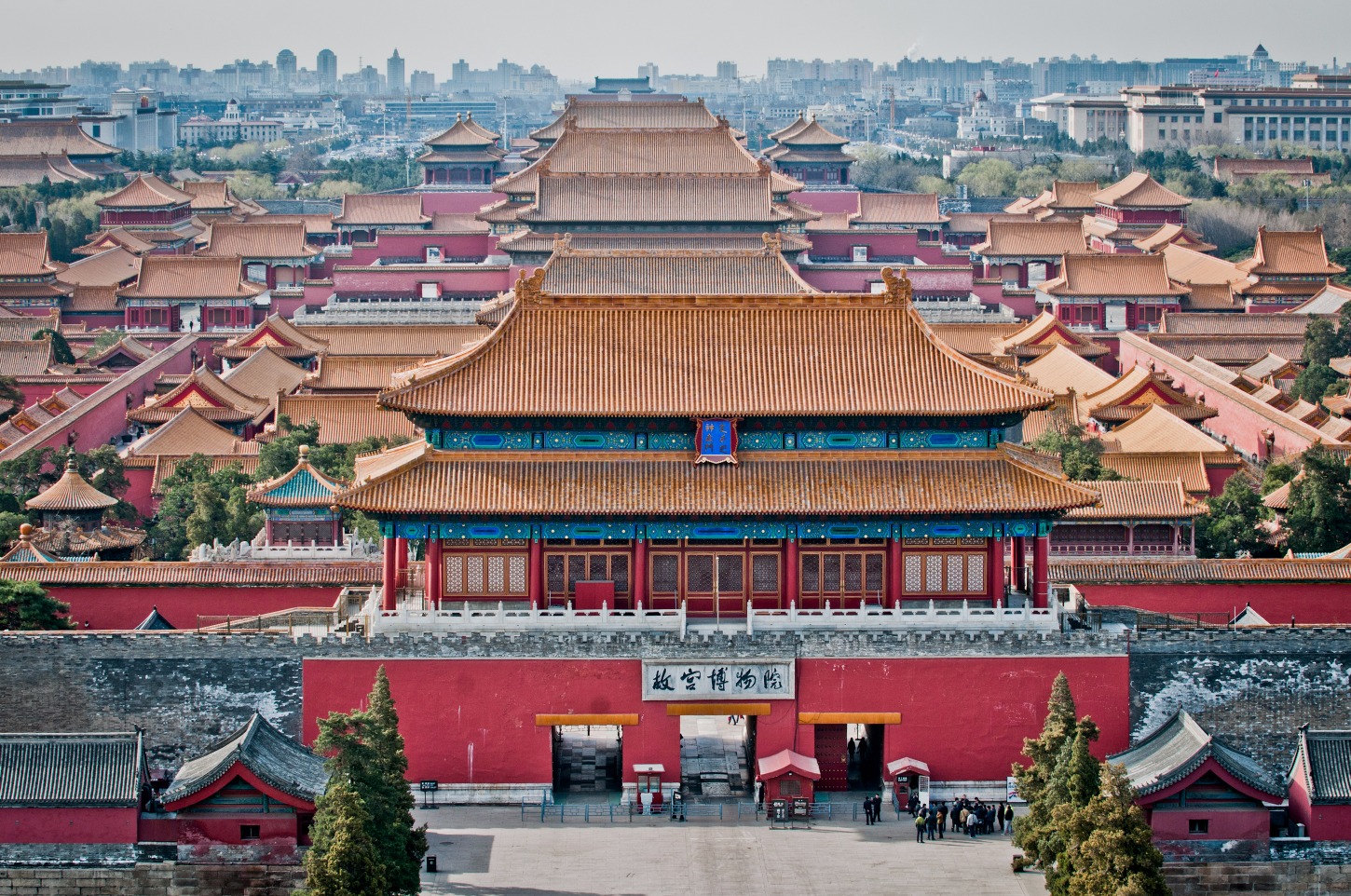
- Forbidden City: the former Ming and Qing imperial palace, next to the park.
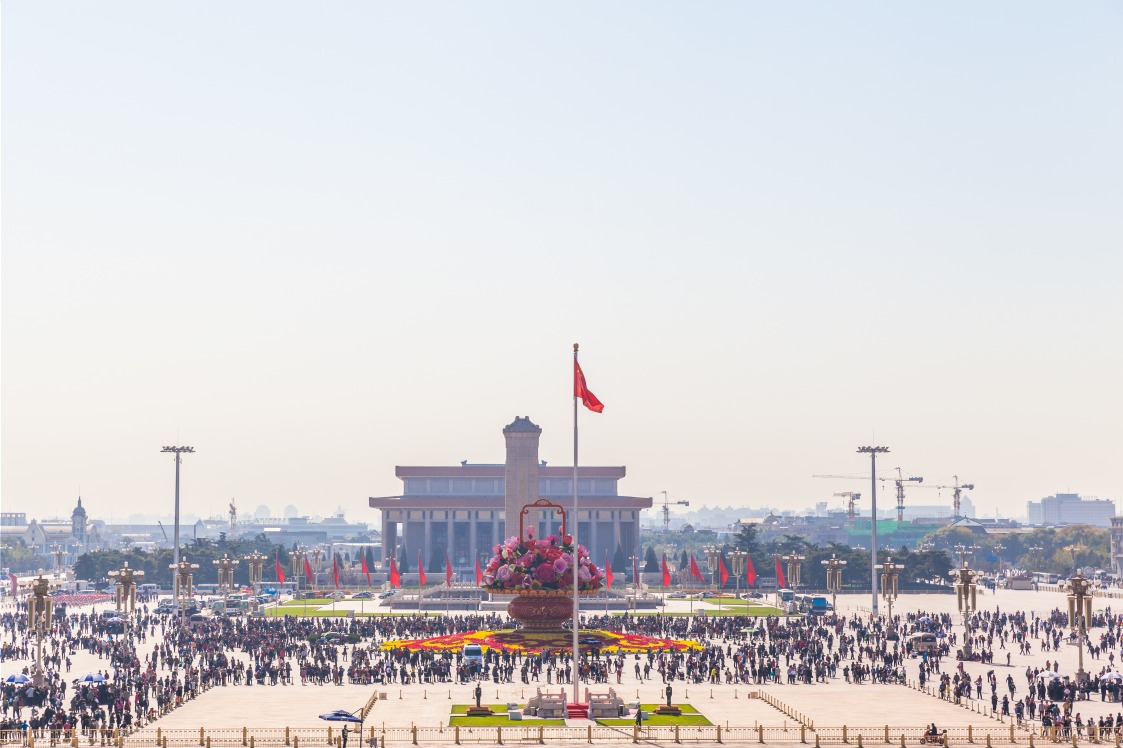
- Tian'anmen Square: the capital's great political square, a few minutes' walk away.
- Beihai Park: another Beijing imperial park, organized around a large lake and a white pagoda.
Frequently asked questions
Frequently asked questions
One to two hours is enough time to tour the main monuments (altar, Ming halls, Sun Yat-sen statue) and enjoy the cypress-lined pathways.
Yes, the two sites are adjacent. The south entrance of the park is accessible from the western sector of the Forbidden City, making it a natural complementary visit after the imperial palace.
Zhongshan is the Chinese name of Dr Sun Yat-sen, Republican leader and founding figure of modern Chine. The park was renamed in his honor after its opening to the public in 1914.
The altar is a two-tiered outdoor terrace that can be freely approached. The adjoining Ming ritual buildings (Bai Palace, Sacrifice Pavilion) are also accessible.
Prepare your trip
Zhongshan Park naturally fits into a Beijing itinerary around the great imperial sites. To build a coherent stay, consult our Chine travel ideas and our tailor-made circuits including Beijing.
Nearby
Interested in this visit?
We can include it in your personalised itinerary.