Hefang Street
Hefang Street
Historic pedestrian street in Hangzhou at the foot of Wu Shan Hill: traditional pharmacies, craftsmanship, tea houses and small museums in a restored Ming and Qing setting.
Hefang Street is the historic pedestrian thoroughfare of Hangzhou, situated at the northern foot of Wu Shan Hill, in immediate proximity to West Lake. Formerly known as Taiping Lane (imperial street), it preserves a row of buildings from the Ming and Qing dynasties, restored in the late 1990s, and brings together traditional pharmacies, craft workshops, tea houses and small thematic museums.
Why visit Hefang Street
- A protected urban ensemble gathering Ming and Qing structures within the same pedestrian perimeter.
- Historic storefronts still in operation, including two emblematic traditional Chinese medicine pharmacies of the city.
- Traditional craft workshops: Longquan porcelain, paper fans, silk, Longjing tea.
- Three small thematic museums (ancient ceramics, world coins, Guanfu museum) accessible along the street.
- An ideal location between West Lake and Wu Shan Hill, easy to fit into a day of sightseeing.
History of Hefang Street
The street's history traces back to the Song Dynasty of the South (1127-1279), when Hangzhou (then Lin'an) served as the imperial capital. The thoroughfare, then called Taiping Lane, housed the residence of General Zhang Jun, elevated to King of Qinghe for his military exploits against the Jin forces — an episode that helped establish the neighborhood's name as Qinghe Fang.
Over the centuries, the street became established as a commercial and cultural artery of the city, lined with shops, pharmacies and restaurants. Around 2000, the Shangcheng district government designated the ensemble as a protected historic zone, undertaking targeted restoration of buildings from the Ming and Qing dynasties. The street was redesigned as a pedestrian zone while preserving original facades and several storefronts spanning multiple centuries.
What to see and do
Baohetang Pharmacy
Specialized in traditional Chinese herbal medicine, Baohetang claims a multi-century history and remains associated with the legend of the White Lady and her apprentice Xuxian. A statue of the apprentice stands at the entrance, an easy landmark to identify the shop. It still sells medicinal plants, infusions and classic preparations from traditional Chinese medicine.
Huqing Yutang Pharmacy
Established in 1874 by businessman Hu Xueyan during the Qing dynasty, this pharmacy spans approximately 3,000 m² and holds national heritage status. The interior, featuring carved wood, displays original counters and around a hundred objects related to the history of Chinese pharmacopoeia. You can taste an infusion prepared according to traditional medicine principles.
The Royal Longquan Kiln
This establishment is dedicated to Longquan porcelain, one of China's great ceramic traditions. It exhibits and sells works inspired by the Five Dynasties period (Wudai) as well as contemporary ceramics, making it an excellent entry point to understand the continuity of artisanal craft.
Wang Xing Ji Fan Boutique
Founded in 1875, this house specializes in black paper fans with sandalwood handles. It also offers local silk and Longjing tea, two flagship products of the Hangzhou region.
Zhuangyuan Guan Restaurant
Opened during the Tongzhi reign (Qing dynasty) by Wang Shangrong, originally from Ningbo, this restaurant features a menu blending Sichuan, Ningbo and Hangzhou cuisines. An excellent option for a meal break within the street's perimeter.
Rongbaozhai Gallery
The main establishment was created in Beijing in 1672 by the Zhang family; the Hangzhou branch continues this tradition. You'll find stationery items, brushes and inks; the upper floor is devoted to calligraphy and reproductions or works by ancient Chinese painters.
Tea houses and museums
The Taiji, Taihe and Weng Long Sheng tea houses allow you to sample different Chinese teas in a traditional setting. As for museums, the street provides access to the Guanfu museum, the ancient ceramics museum and the world coins museum — three modest venues but useful for contextualizing what you see in the shops. According to local tradition, rubbing the belly of the laughing Buddha statue brings good fortune.
Practical information
- Access: pedestrian street, free entry.
- Activities: shops and stands are open during the day and evening, with typical hours running from morning until around 10 p.m. Exact hours vary by establishment.
- Visit duration: allow 1.5 to 3 hours depending on your interest in shops, museums and tea breaks.
- Dining: numerous street food stalls, traditional restaurants and tea houses on site.
When to visit
Hefang Street can be visited year-round. Spring (April-May) and autumn (September-early November) offer the most pleasant temperatures, with the advantage of being able to continue with a walk around West Lake. Summer is hot and humid in Hangzhou; during China's peak tourist season (Golden Week in early October, Chinese New Year), crowds are very significant. To enjoy the lantern lighting and evening animation, favor the late afternoon and early evening hours.
How to get there
Hefang Street is easily accessible from central Hangzhou and the West Lake area. Several bus lines serve it: 8, 60, 127, 195, 208 and 216 for a stop at the eastern end of the street; or Y8, Y10, 25, 35, 51, 108, 187, 212, 327 and 992 stopping at Foshan station. Taxi and ride-hailing apps remain a simple option from most central hotels. On foot, expect about 15 to 20 minutes from the southeastern shore of West Lake.
Nearby attractions
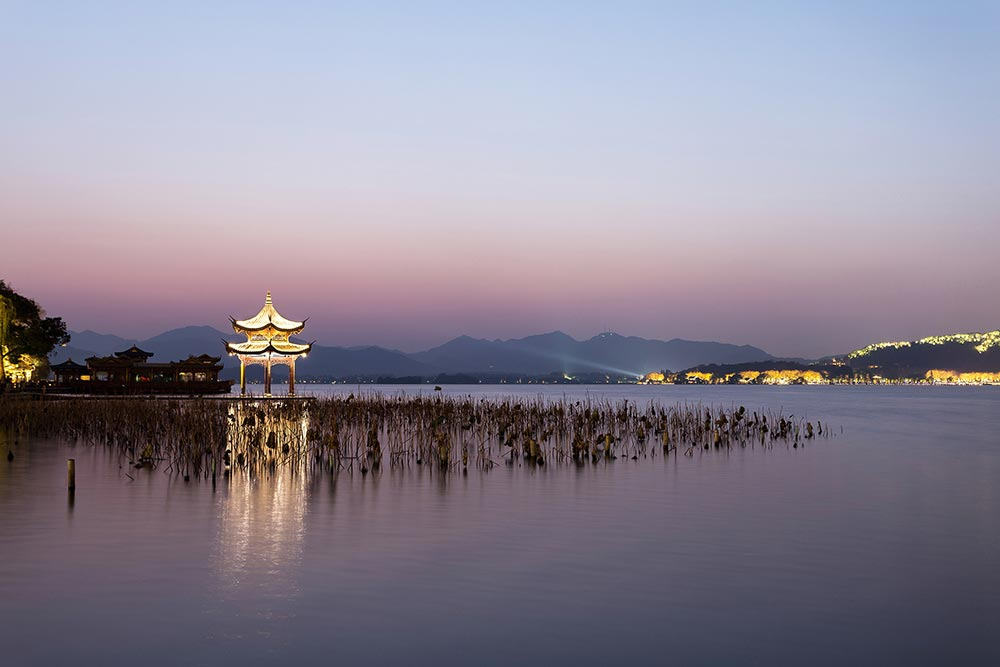
- West Lake (Xi Hu): a few minutes' walk away, a UNESCO World Heritage site and the focal point of any visit to Hangzhou.
- Wu Shan Hill: a wooded hill just to the south, offering panoramic views of the city and lake.
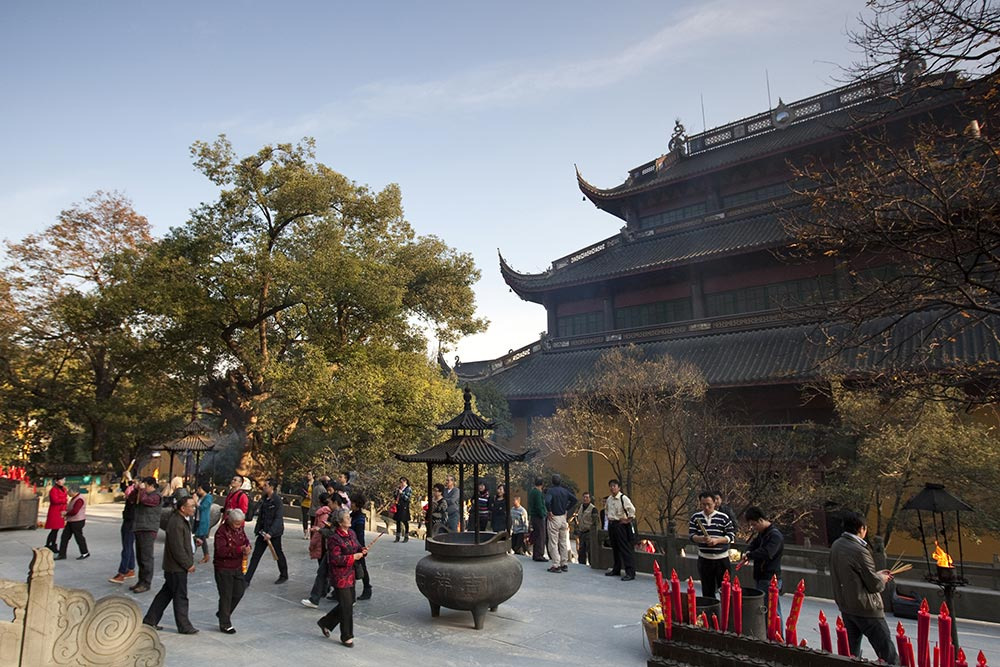
- Chenghuang Temple: on the heights of Wu Shan, accessible by trail from the street.
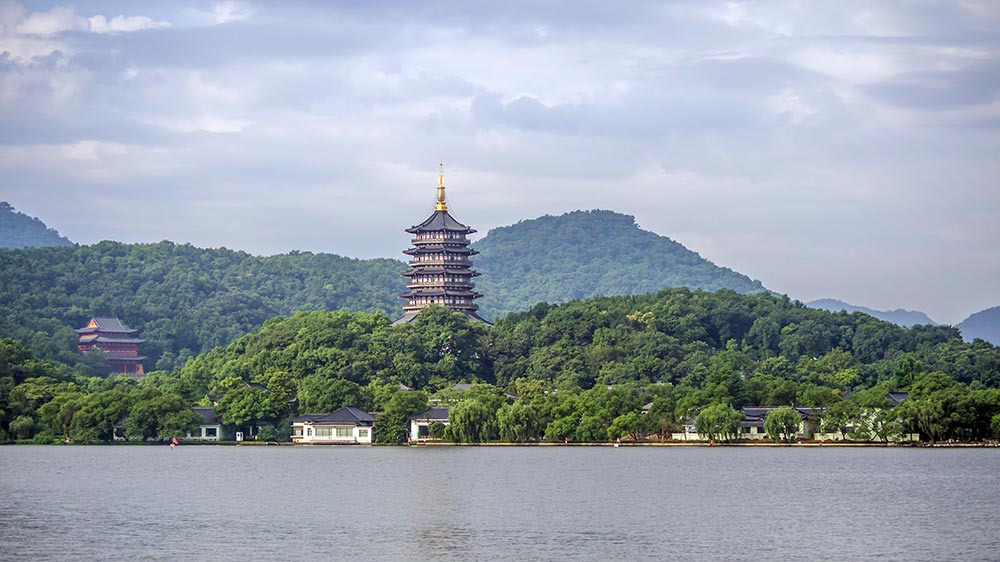
- Six Harmonies Pagoda and Leifeng Pagoda: to be combined on a fuller day around the lake.
Frequently asked questions
Frequently asked questions
Yes, entry to the street is free. Only certain museums and specific activities (tastings, workshops) may be paid.
Between 1.5 and 3 hours on average, depending on your interest in traditional shops, historic pharmacies and small museums.
Yes, it's actually the most logical combination: the street is about 15-20 minutes' walk from the southeastern shore of the lake.
Late afternoon and early evening allow you to enjoy both the bustle of the shops and the glow of lanterns once night falls.
Yes, the street has many street food stands, traditional restaurants like Zhuangyuan Guan, and several historic tea houses.
Including Hefang Street in your trip
Hefang Street fits naturally into a Hangzhou stay centered on West Lake and the Zhejiang tea culture. To build a tailor-made itinerary in Chine combining Hangzhou, Beijing and other stages, consult our Chine travel suggestions.
Nearby
Interested in this visit?
We can include it in your personalised itinerary.