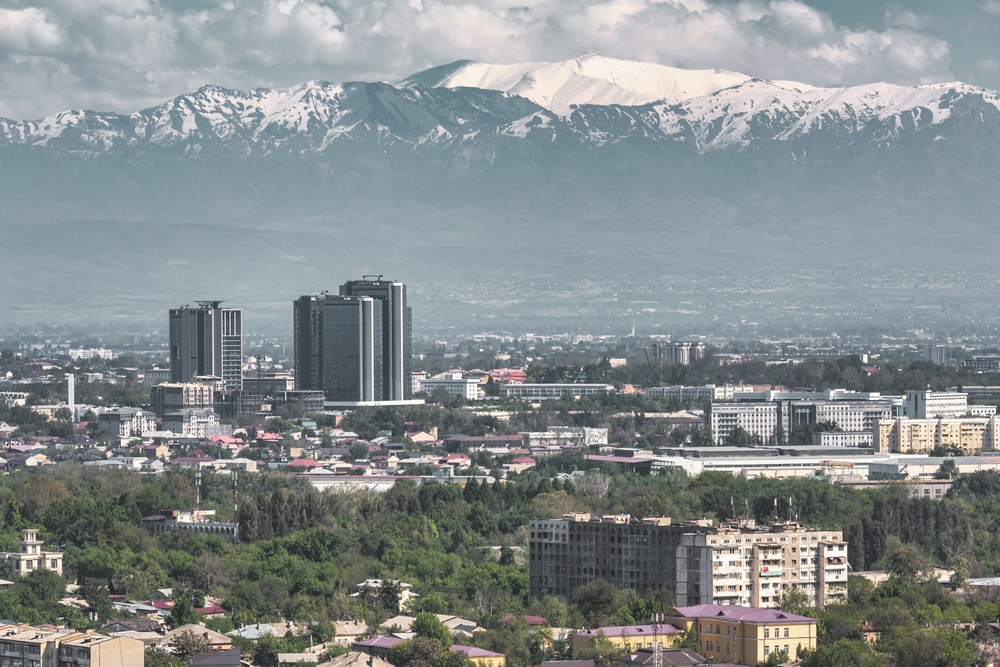
Taipei
Taiwan's capital, Taipei blends Taoist temples, lively night markets, contemporary architecture, and street food celebrated across Asia. An efficient metro network connects every neighborhood and nearby excursions.
Taipei is the capital of Taiwan, an East Asian island often administratively linked to China but governed by its own autonomous government. With roughly 2.6 million residents, the city merges ultramodern skyscrapers, Taoist and Buddhist temples, vibrant night markets, and street cuisine renowned throughout Asia. Its efficient metro system makes it an ideal base for exploring the entire island.
Practical Information at a Glance
- Airport access: Taoyuan International Airport (TPE) connects to downtown via the MRT Taoyuan Airport Express (direct line to Taipei Main Station).
- Urban transport: the MRT (metro) covers virtually all tourist sites; the EasyCard rechargeable pass also works on buses and YouBike (bike-sharing).
- Recommended duration: 3 to 5 days for major neighborhoods and nearby excursions.
- Language: Mandarin is official; English is widely spoken in transport and hotels.
- Currency: New Taiwan Dollar (TWD).
- Dress code: no general restrictions in the city; cover shoulders and knees when entering temples.
What to See
Taipei unfolds neighborhood by neighborhood. Xinyi concentrates glass towers, shopping malls, and the iconic silhouette of Taipei 101. Ximending is the youth district, awash in street art and fashion boutiques. Da'an houses parks, independent cafés, and the Shida night market. The old Wanhua quarter preserves the Longshan Temple and the Huaxi market's alleyways.
History and Context
Taipei became a provincial capital under Japanese rule (1895–1945), a period that left visible architectural imprints in buildings like the old railway station and the National Museum of Taiwan. After 1949, the city welcomed the government of the Republic of China, relocated from the mainland. It experienced rapid industrialization during the 1960s–1980s, followed by a democratic transition completed in the 1990s.
Highlights of a Visit
Taipei 101
This 508-meter tower, inaugurated in 2004, dominates the Xinyi district. Its indoor observation deck (89th floor) and outdoor deck (91st floor) offer panoramic views across the Taipei basin and surrounding mountains. The structure draws formal inspiration from bamboo and tiered pagodas.
Longshan Temple
Founded in 1738 in the Wanhua district, this Taoist-Buddhist temple is among the city's most active. Worshippers burn incense and consult oracles (kau cim divination sticks) around the clock. The double-curved roof architecture and wooden sculptures merit attention even for the secular visitor.
National Palace Museum
Located in Shilin district, this museum holds one of the world's greatest collections of Chinese art—over 690,000 pieces from Beijing's Imperial Palace, transferred to Taiwan in 1948–1949. Highlights include the Jade Cabbage and the Meat-Shaped Stone.
Night Markets
The Shilin night market is the largest and most visited. The Raohe market, more compact, is often preferred by locals. Specialties include stinky tofu, pork dumplings (xiaolongbao), and tea eggs.
Jiufen and the Surrounding Highlands
About an hour by bus from Taipei, the village of Jiufen clings to hillside alleyways and red lanterns above the sea. Taroko Gorge and Yangmingshan National Park (an active volcano with hot springs) are reachable as half-day or full-day excursions.
Etiquette and Visit Guidelines
- In temples: remove your shoes if a sign indicates so; avoid photographing worshippers in prayer without permission.
- On the metro: eating and drinking are strictly forbidden; violators face fines.
- Queuing: Taiwanese queue with discipline; respect the order, especially on escalators (stand on the left side to walk, stand on the right to remain still).
Photography Tips
- Taipei 101 exterior: the best angle is from Daan Park or from rooftops in Xinyi late afternoon.
- Longshan Temple: golden morning light (before 9 a.m.) is ideal; incense creates a misty atmosphere perfect for portraits.
- Night markets: Shilin's neon is photogenic once dusk falls; a bright lens (f/1.8) compensates for darkness without intrusive flash.
- Jiufen: lanterns light up at night; arrive late afternoon to photograph the transition from natural light to lantern glow.
Location and Access
Taipei sits in the Taipei Basin, surrounded by hills and crossed by the Danshui River. The MRT spans several lines covering all neighborhoods mentioned. Taipei Main Station is the railway hub for Taiwan's HSR (High Speed Rail) southward. Long-distance buses depart toward Jiufen, Hualien, and other destinations.
Local agencies offer English-speaking guided tours of the National Palace Museum, temples, and full-day excursions to Jiufen or Taroko.
Nearby Attractions
- Jiufen — mountain village with paved alleyways and tea houses perched above the sea.
- Yangmingshan National Park — active volcano, hot springs, and flower fields less than an hour from downtown.
- Taroko Gorge — spectacular marble canyon on the east coast, accessible by train from Taipei.
- National Palace Museum — collection of imperial Chinese art among the world's most important.
- Longshan Temple — 18th-century Taoist-Buddhist temple, the spiritual heart of old Taipei.
Frequently asked questions
Autumn (October–November) and spring (March–April) offer pleasant temperatures and less rain. Summer is hot and humid, with typhoon risk between July and September. Winter is mild but rainy.
Citizens of most Western countries, including the US, UK, Australia, and others, benefit from visa exemption for tourist stays up to 90 days. Check current requirements with Taiwan's representative office or embassy before departure.
The MRT is fast, clean, and covers virtually all sites. The EasyCard (rechargeable) also works on buses, YouBike, and some shops. Taxis and ride-sharing apps are available but less necessary than elsewhere.
Yes. Direct buses depart regularly from Zhongxiao Fuxing Station or Taipei Main Station. Allow roughly one hour travel time. Plan to arrive late afternoon to enjoy the lanterns lit at dusk.
Generally yes, in common areas. Some interior halls or main statues may be protected by prohibition signs. Avoid photographing worshippers in prayer without consent.
The MRT is fully accessible (elevators, level platforms). Downtown sidewalks are generally passable. Historic temples and Jiufen's alleyways feature stairs and uneven pavement that may pose challenges.
Interested in this visit?
We can include it in your personalised itinerary.