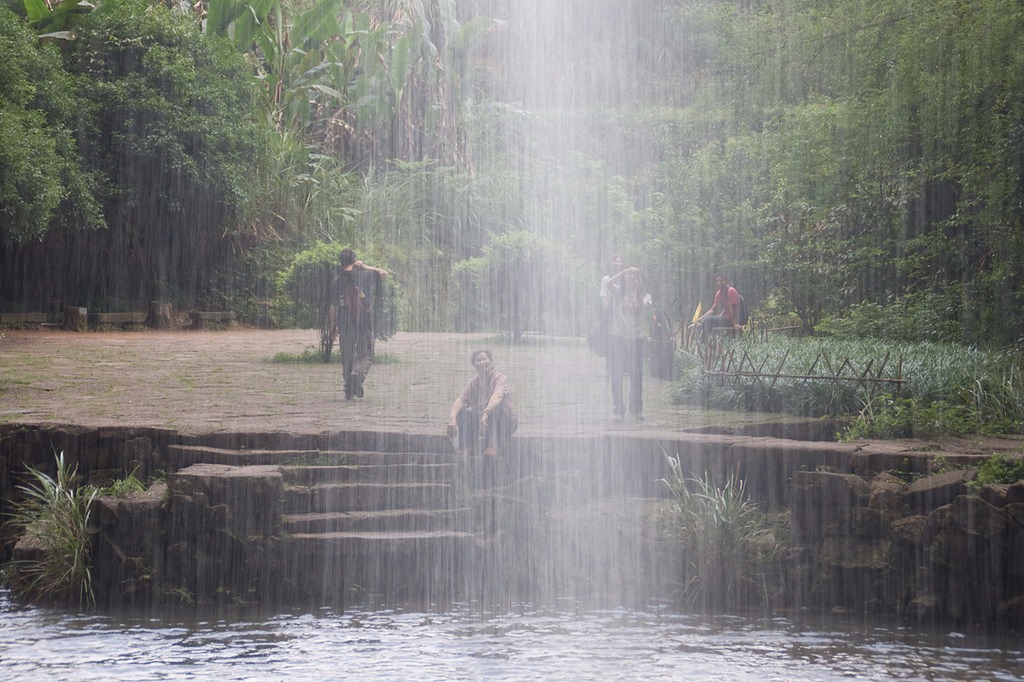
Wuyishan
A red sandstone massif inscribed on UNESCO's World Heritage List, Mount Wuyi brings together spectacular gorges, raft descents, thousand-year-old suspended coffins and Da Hong Pao tea plantations in northwestern Fujian.
Mount Wuyi (武夷山) rises in northwestern Fujian, on the border with Jiangxi. This red sandstone massif, inscribed on UNESCO's dual Natural and Cultural World Heritage List since 1999, shelters gorges carved into the rock, preserved subtropical forests and the remains of a Confucian academy founded in the 12th century. It is also the birthplace of Wulong Da Hong Pao tea, one of China's most celebrated teas.
Quick Practical Guide
- Admission: paid access (park entry ticket + boat and cable car options sold separately)
- Recommended duration: 2 to 3 days to cover the gorges, peaks and cultural sites
- Access: Wuyishan North high-speed rail station (Hefei–Fuzhou line); Wuyishan Airport with flights from Shanghai, Beijing, Guangzhou
- What to wear: sturdy hiking shoes essential; waterproof clothing recommended (frequent mist)
- Accessibility: limited on mountain trails; some lower zones accessible by boat
What You'll See
The park divides into several zones. The Nine Meanders (Jiuqu Xi) form a winding river hemmed by red sandstone cliffs: the bamboo raft descent over 9.5 km is the site's signature experience. The Thirty-six Peaks and the Ninety-nine Rocks offer panoramas over spectacular geology sculpted over 70 million years.
At higher elevations, Tianyou Peak and Dawang Peak dominate the valley. Marked trails connect the main summits, some carved directly into the rock face.
History and Context
Mount Wuyi is a hallowed site of Neo-Confucianism: the philosopher Zhu Xi taught here in the 12th century and founded the Wuyi Jingshe academy. The site also harbors suspended coffins dating from the Min Yue culture (roughly 3,000 years ago), wedged into inaccessible cliff recesses—their burial practice remains partly unexplained.
Wulong tea cultivation is documented here since the Song dynasty. The six original Da Hong Pao plants, planted on the Jiulongke cliff face, are classified as national heritage.
Highlights of Your Visit
Bamboo Raft Descent on the Nine Meanders
The bamboo raft journey skirts cliffs inscribed with ancient characters and passes beneath stone bridges. The descent takes roughly 1 hour 30 minutes and is guided by an experienced boatman. Advance booking is advised during peak season (May–October).
Climbing Tianyou Peak
The stone staircase carved into the rock leads to a vantage point overlooking the Nine Meanders valley. The ascent is steep but short. Dawn is especially striking when mist fills the gorges.
Suspended Coffins
Visible from the raft or select trails, these wooden sarcophagi resting on rocky ledges dozens of meters high testify to a Bronze Age burial practice unique to southern China.
Da Hong Pao Tea Plants
A trail leads to the six original plants on Jiulongke cliff. Interpretive panels explain the history of this exceptional Wulong tea. Local shops in town offer tastings of current local productions.
Photography Tips
Morning light (before 9 a.m.) works best on the gorges: mist clings to the red cliffs and gradually disperses. From the raft, water reflections are sharp in windless conditions. Tianyou Peak frames the meanders beautifully from above. Avoid heavy rain days on high trails, but light fog adds depth to views of the peaks.
Location and Access
Wuyishan lies in northwestern Fujian, roughly 3 hours from Fuzhou by high-speed rail. Wuyishan North Station is served by the Hefei–Fuzhou high-speed line. Wuyishan Airport offers direct flights from major Chinese cities. In town, shuttles and taxis connect to the park's main entrance. Lower zones (rafting, cultural sites) are partly accessible to people with reduced mobility; mountain trails are not.
Nearby Attractions
- Xiamei Village — preserved Qing-era village on the riverbank, known for its brick architecture and historic tea trade.
- Wuyi Jingshe Academy — site of Zhu Xi's teaching, reconstructed with traditional gardens and pavilions.
- Old Town of Chong'an — historic heart of Wuyishan with tea markets and local architecture.
Frequently asked questions
Spring (March–April) and autumn (September–November) offer the best conditions: moderate temperatures, lush vegetation and morning mist over the gorges. Summer is hot and humid but very crowded. Winter is cool and less touristy.
During peak season (May–October, public holidays), advance booking is strongly recommended. Raft tickets are limited and sell out quickly in the morning.
A minimum of two days to combine the raft descent, a peak climb and cultural sites. Three days allow you to explore less-visited zones and visit nearby villages.
Main trails are marked and improved (rock-carved staircases), but some sections are steep. Hiking shoes with non-slip soles are essential, especially in damp conditions.
Yes. Wuyishan town has numerous tea shops offering Da Hong Pao at widely varying quality and price points. Tea from the original plants is extremely rare and costly; most tea sold comes from cultivars propagated by cuttings.
Photography is permitted throughout the natural site. No specific restrictions are posted for cultural zones, but respect any local signage you encounter on-site.
Interested in this visit?
We can include it in your personalised itinerary.