Yarkand
Once capital of the Yarkand Khanate, this southern Xinjiang oasis preserves a living Uyghur old town, a royal mausoleum and rare craft bazaars between Kashgar and Hotan.
Yarkand — or Shache in Mandarin — is an oasis city in southern Xinjiang, nestled at the foot of the Kunlun and Pamir mountains. A historic crossroads of the Silk Road, it was once among the most populous cities in Central Asia before the modern era. Its Uyghur-dominated old town, vibrant bazaars and royal mausoleum make it a distinctive stop in the region.
What to see
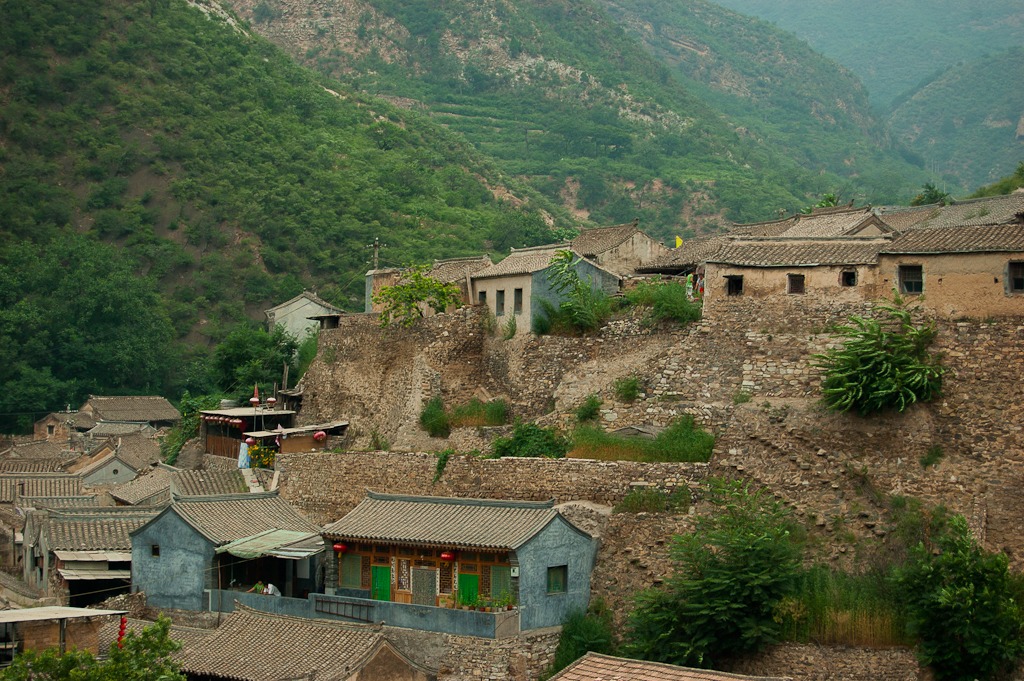
The heart of Yarkand is its Uyghur old town, a labyrinth of rammed-earth alleyways where artisans and merchants coexist much as they have for centuries. The Grand Bazaar brings together silks, engraved knives, traditional musical instruments (dutar, rawap) and spices. The city is also renowned for its jade and silk production.
History and context
Yarkand was the capital of the Yarkand Khanate in the 16th century, a regional power that controlled trade routes between China, India and Persia. The city welcomed merchant caravans, pilgrims and diplomats for centuries. It remains today a major Uyghur cultural centre in Xinjiang.
Highlights of your visit
The Mausoleum of Amannisahan
This funerary complex houses the tombs of the Yarkand khans and of Amannisahan, a poet-musician and legendary figure in Uyghur classical music. The architecture in fired brick, domes and minarets is representative of Central Asian Islamic style. The site remains a place of prayer and remembrance for local residents.
The old town and its craftspeople
The alleyways around the great mosque concentrate workshops for lute-making, embroidery and metalwork. Watching a craftsman craft a dutar (two-stringed lute) or engrave a Yarkand knife is a rare and tangible experience. The Friday market draws vendors from across the region.
The great Id Kah Mosque
Less famous than Kashgar's, Yarkand's main mosque follows the same architectural model: large courtyard, tilework gateway, soaring minarets. It remains in active use, welcoming the faithful for the five daily prayers.
Etiquette and visit guidelines
- Covered clothing required to enter the mosque and mausoleum (shoulders and knees covered).
- Shoes must be removed before entering the prayer hall.
- Avoid photographing worshippers in prayer without their consent.
- Respect prayer times: tourist access may be temporarily suspended.
Photography tips
Morning light is ideal in the old town before crowds arrive. The ochre rammed-earth facades and carved doorways offer excellent framing opportunities. At the mausoleum, late afternoon light gilds the domes beautifully. Always ask craftspeople's permission before photographing them in their workshops.
Location and access
Yarkand lies in southern Xinjiang, approximately 200 km east of Kashgar. The city is accessible by bus from Kashgar (several-hour journey) or by car. Yarkand has an airport, but connections are limited. Foreign travellers must comply with Xinjiang's current registration procedures.
Accessibility for visitors with reduced mobility in the old town is limited due to irregular paved alleyways.
Nearby attractions
- Kashgar — major Uyghur metropolis with its famous Sunday market and UNESCO-listed old town.
- Lake Karakul — high-altitude lake at the foot of Muztagh Ata, on the Karakoram route.
- Hotan — city of jade and silk, to the east on the Taklamakan desert route.
Frequently asked questions
Spring (April-May) and autumn (September-October) offer pleasant temperatures. Summer is very hot in this desert region. Winter is cold and roads can be difficult.
Xinjiang requires strict registration procedures for foreign travellers. Check with your local travel agency before departure, as regulations change regularly.
Yes, the two cities are connected by a direct road. Kashgar typically serves as a base, with Yarkand as a day excursion or as a stop on the route to Hotan.
Shoulders and knees must be covered for everyone. Women may be asked to cover their hair upon entering the prayer hall. Wear shoes that are easy to remove.
Engraved Yarkand knives, Uyghur musical instruments (dutar, rawap), local silks and jade are the most distinctive bazaar purchases from the city.
Interested in this visit?
We can include it in your personalised itinerary.