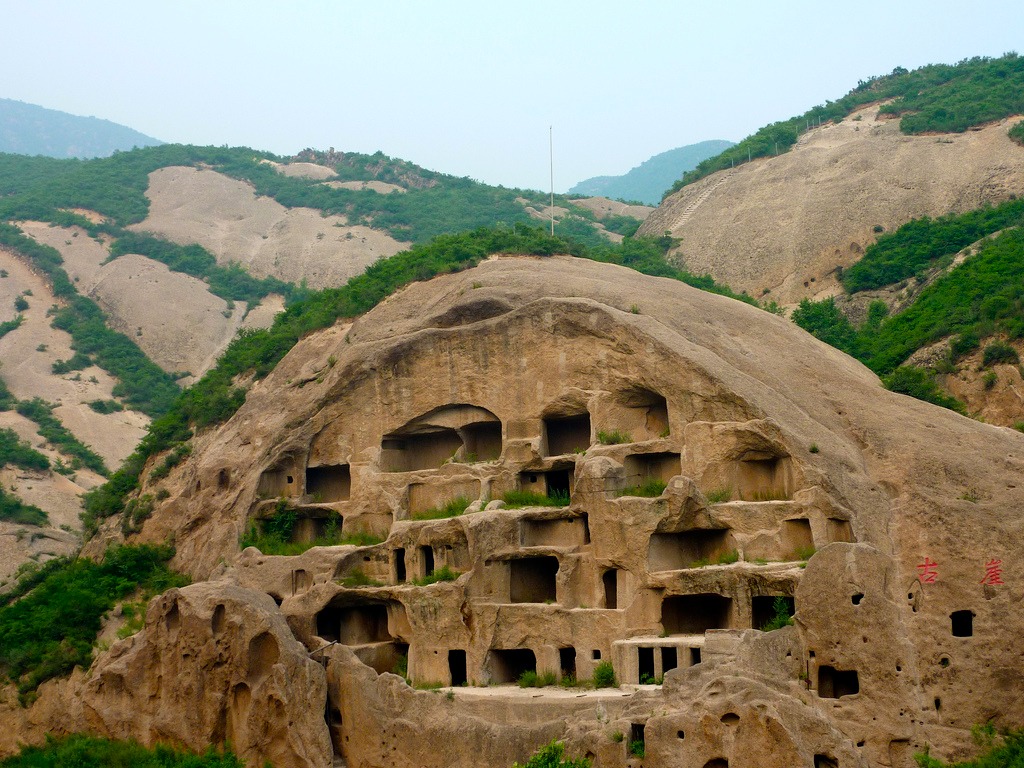
Zigong
Zigong, in central Sichuan, combines Jurassic fossil deposits, ancient salt wells spanning millennia, and one of China's greatest lantern festivals. An extraordinary industrial and scientific city.
Zigong, a city in central Sichuan, owes its fortune to two underground resources: salt and dinosaurs. For centuries, its brine wells supplied salt throughout China; today, its fossil deposits rank among the world's richest. The city preserves unique industrial architecture tied to salt extraction, and its dinosaur museum draws visitors from around the globe.
Quick Practical Information
- Access: Zigong railway station, connected to Chengdu and Chongqing by high-speed trains (approximately 1 hour from Chengdu by bullet train).
- Recommended duration: a full day for the dinosaur museum and salt museum; two days to explore the historic wells.
- Dress code: no particular restrictions; bring comfortable shoes for outdoor sites.
What to See
Zigong centers on three main attractions. The Zigong Dinosaur Museum is built directly on an active dig site: articulated skeletons emerge from the ground beneath your feet. The Zigong Salt Museum occupies a former merchant guild with remarkable carved woodwork. The historic salt wells, including the famous Shenhai Well, illustrate a deep-drilling technique invented here over a thousand years ago.
History and Context
Zigong has produced salt since at least the Han dynasty. By the 19th century, local artisans had mastered percussion drilling to depths exceeding a thousand meters—a technical achievement without parallel at the time. This industry generated a merchant bourgeoisie that financed temples, guilds, and sumptuous residences. Middle Jurassic fossil deposits, discovered in the 20th century, added an international scientific dimension to the city.
Highlights of Your Visit
Zigong Dinosaur Museum
Inaugurated in 1987, this museum ranks among the world's three great dinosaur museums. The central hall displays skeletons in situ on the original dig site. Among the species presented: Omeisaurus, Yangchuanosaurus, and several giant sauropods unique to Sichuan.
Zigong Salt Museum
Housed in the former guild hall of Shaanxi salt merchants (18th century), the building itself is a masterpiece of woodworking and carved timber. The collections span two thousand years of salt extraction, from drilling tools to trading scales.
Shenhai Well and Ziliujing District
The Shenhai Well, drilled in the 19th century, reaches over a thousand meters deep. The Ziliujing district preserves reconstructed bamboo derricks and historic industrial buildings that give vivid insight into the salt economy at its height.
Zigong Lantern Festival
Each year around Chinese New Year, Zigong hosts one of China's greatest lantern festivals. Monumental illuminated structures fill city parks; the event's reputation extends far beyond Sichuan's borders.
Photography Tips
At the dinosaur museum, natural zenith light in mid-morning illuminates the in-situ skeletons beautifully without glare. At the salt museum, interior courtyards offer striking contrasts between dark timber and open sky. For the lantern festival, arrive after 6 p.m.: structures illuminate progressively and crowds are lighter on weekdays.
Location and Access
Zigong sits in the Sichuan basin, roughly 150 km south of Chengdu. Zigong railway station is served by high-speed trains from Chengdu and Chongqing. Long-distance buses also connect the city to Leshan and Yibin. Within the city, taxis and local buses link the main sites.
Nearby
- Leshan and the Great Buddha — the world's largest seated Buddha statue, roughly two hours' drive away.
- Chengdu — capital of Sichuan, the ideal departure base, home to the Giant Panda Research Base.
- Yibin — the Bamboo City and birthplace of Wuliangye baijiu, less than an hour to the south.
- Mount Emei — a UNESCO-listed Buddhist site, accessible from Leshan.
Frequently asked questions
Spring (March–May) and autumn (September–November) offer pleasant temperatures. If the lantern festival interests you, plan your visit around Lunar New Year (January–February).
Allow two to three hours to tour the main halls and in-situ dig room. Paleontology enthusiasts can easily spend half a day there.
Technically possible thanks to high-speed trains, but an overnight stay is recommended to visit both the dinosaur museum and salt museum without rushing.
Photography without flash is generally permitted in exhibition spaces. Check signage at the entrance of each room, as some active dig zones may be restricted.
The dinosaur museum has ramps and adapted access in its main spaces. Historic well sites in the open air are less well-equipped; inquire with your local agency.
Zigong is renowned for its fiery Sichuan cuisine, notably rantan (spicy broth dumplings) and rabbit dishes. The city-center night market is a fine introduction to local gastronomy.
Interested in this visit?
We can include it in your personalised itinerary.