Linxia
Linxia
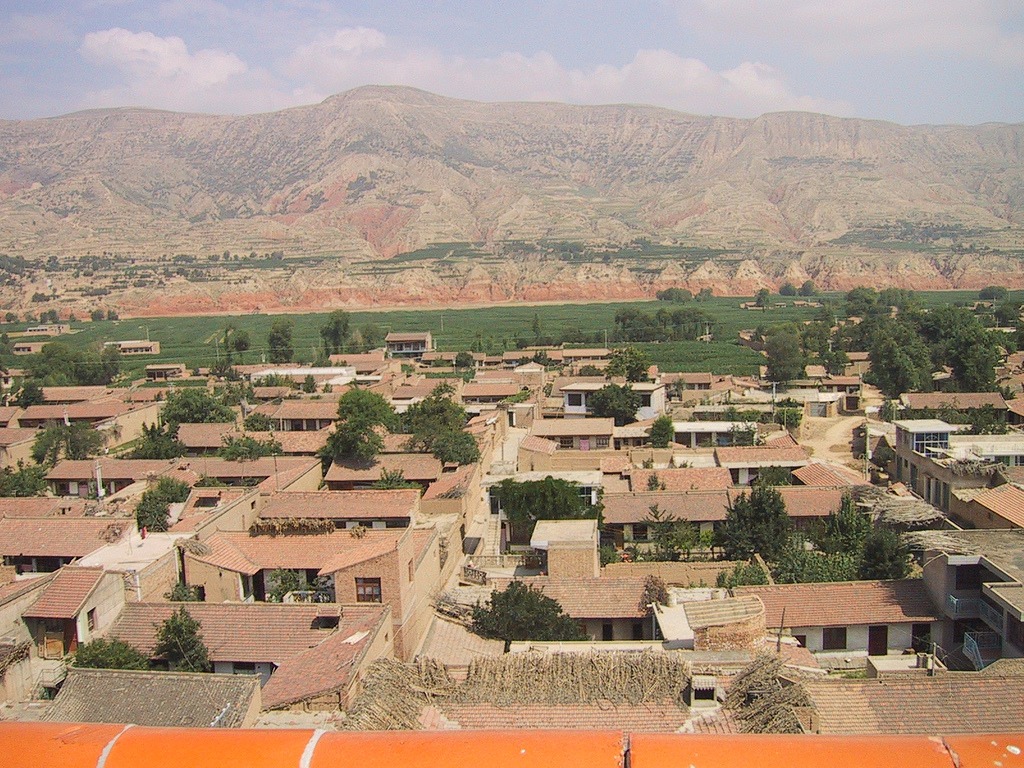
Nestled in the mountains of Gansu, Linxia is one of China's most fascinating and least-known destinations. Dubbed the "Little Mecca" (or "Mecca of China"), this vibrant city is the heart of Hui Muslim culture in northwestern China. Its slender-minaretted mosques, colorful markets, and centuries-old traditions make it an unforgettable stop along the Silk Road. Ready to discover a face of China few travelers have explored?
Linxia, China's Mecca: Hui history and culture
Linxia is the capital of the Linxia Hui Autonomous Prefecture, in Gansu Province. It has approximately 400,000 inhabitants (the entire prefecture counting over 2 million), around half of whom belong to the Hui ethnic group. The Hui are Chinese Muslims, descendants of Arab and Persian merchants who traversed the Silk Road.
The city has been an Islamic religious and intellectual center since the 17th century. It houses dozens of mosques and Quranic schools renowned throughout the Chinese Muslim world. Every Friday, the streets fill with the faithful dressed in white making their way to prayer.
Linxia played a strategic role on the Silk Road. Merchant caravans halted here between Xi'an and Central Asia. This commercial past explains the wealth of local craftsmanship and the cultural openness of its inhabitants.
What to see in Linxia: must-see sites
The Great Mosque of Linxia
The Great Mosque is the city's most emblematic monument. Its architecture blends traditional Chinese influences with Islamic elements. The inner courtyard is particularly beautiful, with carefully tended gardens and elaborately carved wooden pavilions.
The outer courtyards and gardens of the mosque are generally accessible to visitors outside prayer times, though access to the inner prayer halls may be reserved for the faithful.
Other mosques in the city
Linxia is home to over 200 mosques across its territory. Each has its own architectural personality. Among the most remarkable are the Bafang Mosque and the Hongyuan Mosque. Strolling from mosque to mosque is a pleasant way to discover different neighborhoods of the city.
Linxia's markets
Linxia's markets are a must-see experience. The Islamic handicraft market offers an incredible variety of products:
Carpets and kilims with geometric patterns
Arabic and Quranic calligraphy
White caps and traditional Hui clothing
Religious objects: prayer beads, incense, lamps
Spices and medicinal herbs
Haggling is expected, especially for carpets and artisanal objects. Arrive early in the morning to enjoy maximum activity and the best selection.
The Linxia Prefecture Museum
The local museum traces the region's history from prehistoric times to the present day. It features collections of Silk Road artifacts, ancient ceramics, and testimony to Hui culture. Admission is free and explanations are available in Chinese. Plan for about an hour for your visit.
Linxia's gastronomy: halal flavors and Hui traditions
Linxia's cuisine is entirely halal and reflects centuries of Hui culinary tradition. It is both generous, fragrant, and very affordable for modest budgets.
Dishes you absolutely must try
Lanzhou noodles (拉面): hand-pulled, served in fragrant beef broth. A classic for under 15 yuan.
Spiced lamb skewers (羊肉串): grilled over charcoal, essential in the evening streets.
Steamed dumplings (蒸饺): filled with beef or lamb, served with black vinegar.
Sesame pastries: sweet or savory, ideal for breakfast.
Eight treasures tea (八宝茶): a traditional Hui tea with raisins, goji berries, and chrysanthemum.
The most authentic restaurants are found around the great mosques. A complete meal costs between 20 and 50 yuan per person. Avoid ordering pork or alcohol, which are not served in this predominantly Muslim city.
How to get to Linxia?
From Lanzhou
Lanzhou is the main gateway to reach Linxia. From Lanzhou's south bus station, buses depart regularly to Linxia. The journey takes approximately 2 to 3 hours depending on traffic. Bus fare is around 30 to 40 yuan.
Shared taxis (拼车) are also available from Lanzhou. They are slightly more expensive (around 50 to 60 yuan), but faster as they make fewer stops.
From Xi'an or other major cities
Linxia has its own railway station. You can access it directly by train from Lanzhou or other major cities in the region.
By car or private taxi
For more flexibility, especially if you wish to visit nearby sites, renting a private taxi from Lanzhou is a good option. Expect about 300 to 400 yuan for a one-way trip. This option is convenient if you wish to combine Linxia with a visit to Xiahe or Gannan in a single day.
When to visit Linxia: the best time
Linxia is ideally visited in spring (April-May) or autumn (September-October). During these seasons, temperatures are pleasant, between 10 and 25°C, perfect for exploring the city on foot.
Summer (June-August): significant heat, up to 35°C. Avoid the central hours of the day.
Winter (November-March): intense cold with temperatures dropping below -10°C. Tourists are rare, but certain sites may be less accessible.
Ramadan: a particularly intense and spiritual period. Restaurants may have reduced hours, but the atmosphere is unique.
Where to stay in Linxia?
The hotel offering in Linxia is simple but sufficient for one or two nights. The city is not yet a major tourist circuit, which guarantees very affordable prices.
Budget hotels: clean rooms from 80 to 150 yuan per night. Look around the city center and markets.
Mid-range hotels: between 200 and 350 yuan per night, with air conditioning, wifi, and sometimes breakfast included.
Youth hostels: rare in Linxia, but some exist with dorms at 50-80 yuan.
Book in advance if you visit during Chinese national holidays (early October) or during Ramadan.
Excursions from Linxia: nearby destinations
Xiahe and Labrang Monastery
About 2 hours by bus south of Linxia, Xiahe is home to the magnificent Labrang Monastery, one of the six great Tibetan monasteries. It is a must-see excursion to complement your Linxia visit. The landscapes between the two cities are breathtaking: verdant grasslands, Tibetan villages, and snow-capped peaks.
Lanzhou
Lanzhou, the capital of Gansu, deserves a stop. An lively city on the banks of the Yellow River, it is famous for its noodles, Gansu Province Museum, and riverside parks. It serves as a practical hub before or after your Linxia visit.
The Gannan region
The Gannan Tibetan Autonomous Prefecture offers breathtaking landscapes: endless steppes, Buddhist monasteries, and encounters with Tibetan nomads. Linxia is an excellent base for exploring this still-wild region.
Practical information for your Linxia trip
Language and communication
Mandarin is the official language. Inhabitants also speak the local Hui dialect. Very few people speak English outside hotels. Download an offline translation app before you leave.
Currency and budget
The currency is Chinese yuan (CNY). Plan to carry cash as small shops and markets don't always accept foreign cards. WeChat Pay and Alipay are widely used locally.
Indicative daily budget:
Budget traveler: 100 to 200 yuan (dormitory accommodation + local meals)
Mid-range budget: 200 to 400 yuan (simple hotel + restaurants)
Comfort budget: 400 yuan and above
Respect for local customs
Linxia is a city with a strong Muslim identity. A few basic rules to follow:
Dress modestly, especially near mosques
Do not consume alcohol or pork in public
Always ask permission before photographing people
Respect prayer times: shops may close briefly
Safety
Linxia is a very safe city for travelers. Inhabitants are generally welcoming and curious about foreigners. Simply keep your valuables secure in crowded markets, as in any large city.
Typical itinerary in Linxia: 1 or 2 days
Day 1: city center and mosques
Morning: visit the Great Mosque and stroll through the Bafang neighborhood
Midday: lunch at a Hui restaurant near the mosque (noodles or dumplings)
Afternoon: explore the Islamic handicraft market, shopping and encounters
Evening: dinner of lamb skewers in the bustling streets of the city center
Day 2: excursion to Xiahe and Labrang
Morning: early bus to Xiahe (2h drive)
All day: visit Labrang Monastery and stroll through the Tibetan village
Evening: return to Linxia or continue to Lanzhou
Frequently asked questions
Linxia is located in Gansu Province, in northwestern China. The simplest way to get there is to take a bus from Lanzhou, the provincial capital. The journey takes about 2 to 3 hours and costs between 30 and 40 yuan. From major cities like Xi'an or Beijing, first take a high-speed train to Lanzhou, then a bus to Linxia.
Linxia is a major center of Islam in China and home to a significant Hui community, Chinese Muslims. The city has over 200 mosques and has been a major center of Islamic religious education for centuries. This spiritual and cultural influence earned it the nickname Mecca of China.
The best time to visit Linxia is spring (April-May) and autumn (September-October). Temperatures are pleasant, between 10 and 25°C. Avoid winter if you feel the cold, as temperatures can drop below -10°C. Summer is hot but manageable if you visit early in the morning.
In one day, visit the Great Mosque, explore the Islamic handicraft markets, and stroll through Hui neighborhoods. On the second day, take an excursion to Xiahe to discover Labrang Monastery, one of China's most important Tibetan monasteries. Linxia is also an excellent base for exploring the Gannan region.
Linxia's cuisine is halal and generous. Don't miss the famous hand-pulled Lanzhou noodles, spiced lamb skewers, steamed beef dumplings, and sesame pastries. For beverages, try eight treasures tea, a Hui specialty with goji berries, raisins, and chrysanthemum. A complete meal costs between 20 and 50 yuan.
Want to discover this destination?
Our local advisors design your tailor-made trip.