Fujian
Name : Fujian
Chinese name : 福建
Status : province
Capital : Fuzhou
Population : 37,740,000 hab. (2013)
Area : 121,400 km²
A land of elusive immortals and ruthless shetou ("serpent heads" or smugglers), Fujian is a region of steep mountains, river valleys, and lush subtropical coastlines. While coastal cities have practiced commerce for centuries, the mountainous interior remained inaccessible until the late 1960s, when communists carved roads through impenetrable jungle. The legendary South China tiger is said to still lurk in the most remote mountains.
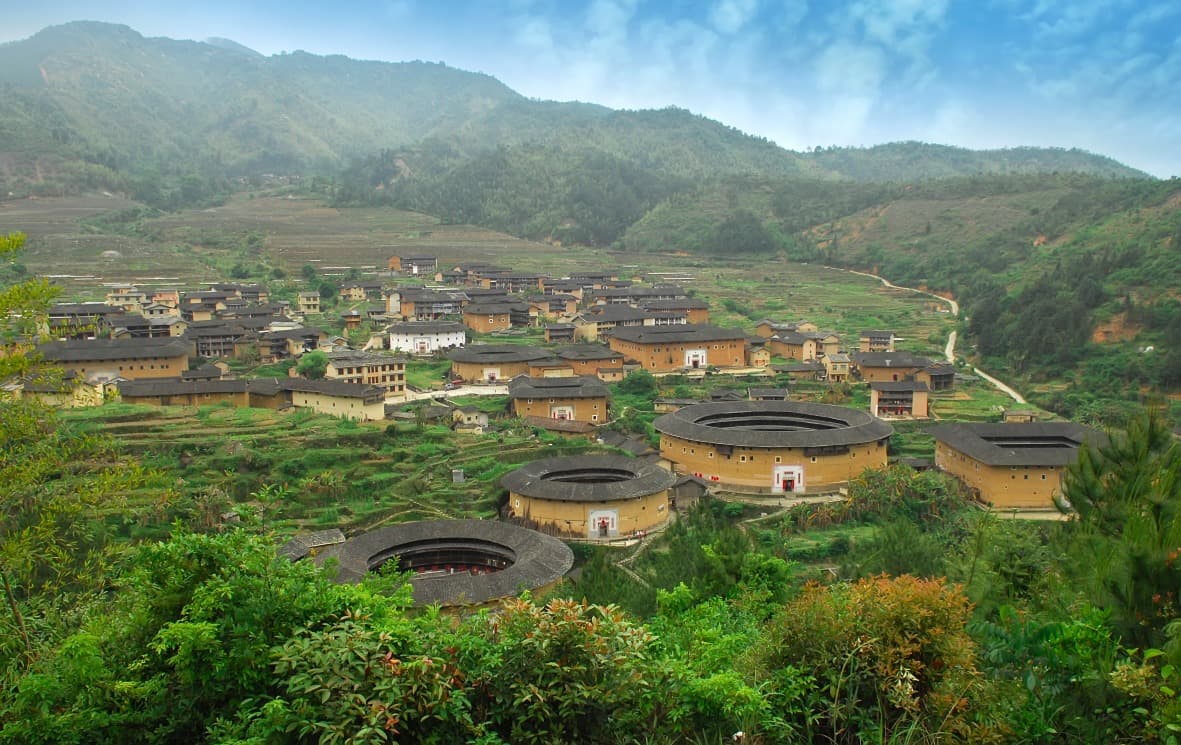
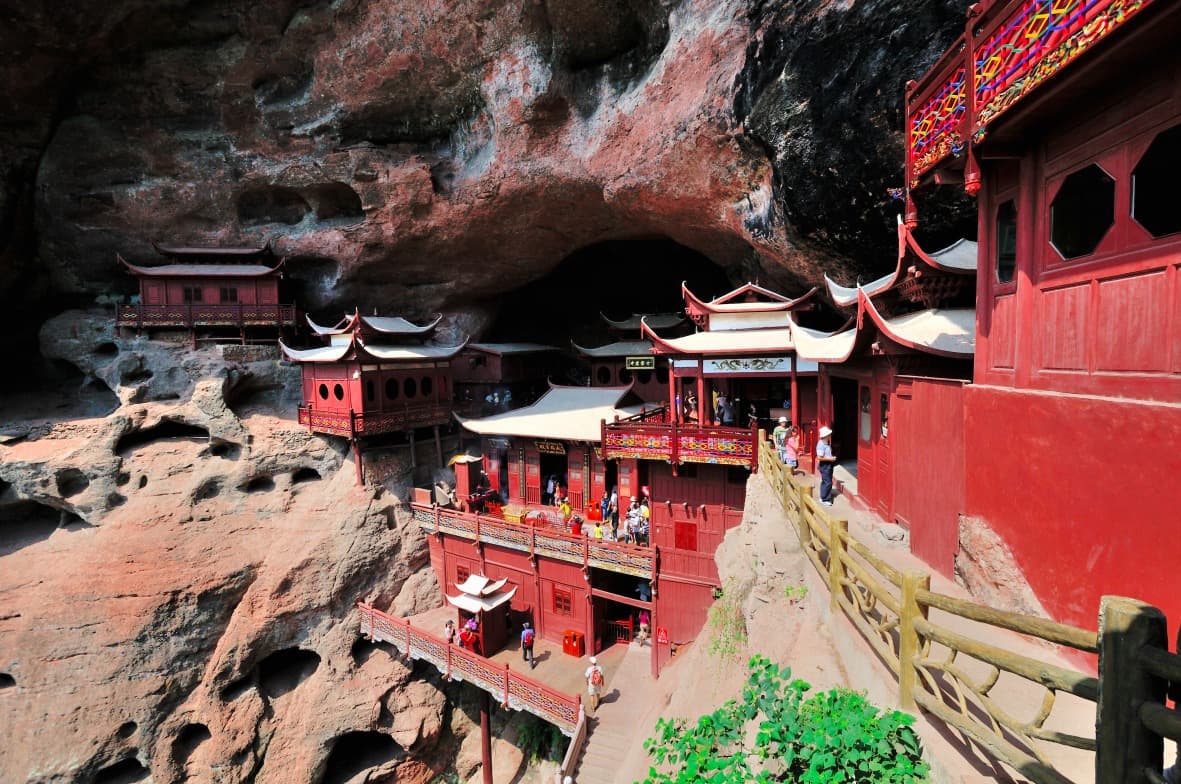
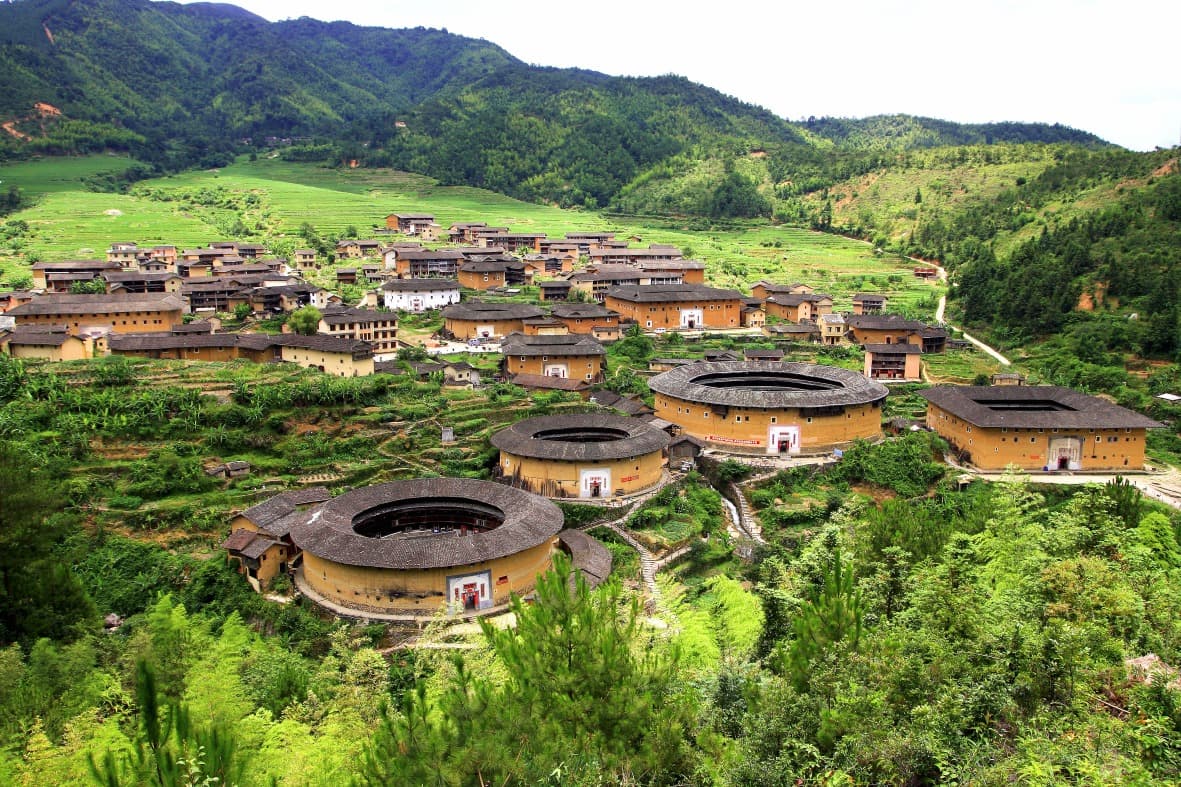
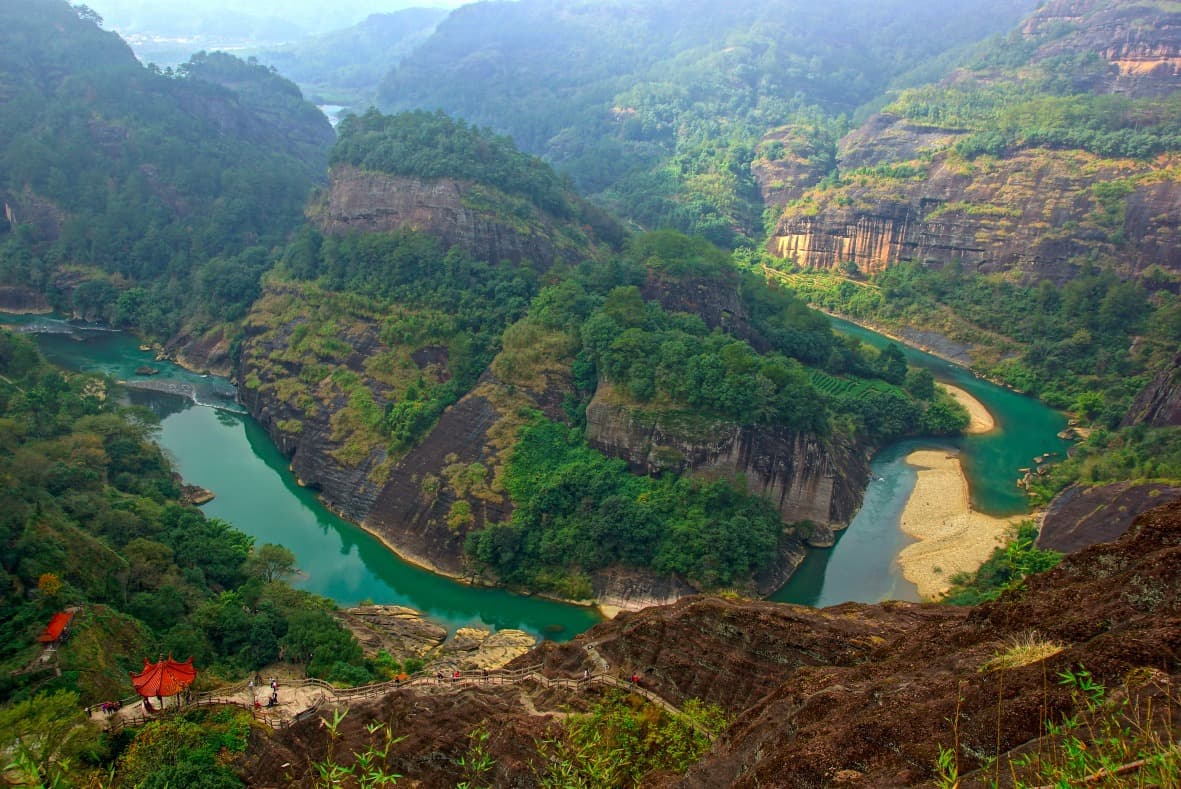
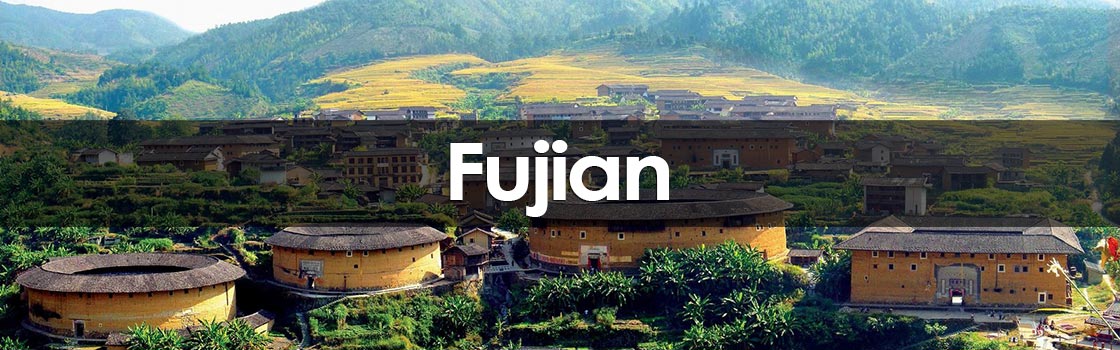
Fujian may not be China's most visited region, yet it harbors several notable sites, including its emblematic Hakka villages with their tulou houses and the Wuyi Mountains with their nature reserve and impressive rocky peaks.
History
Once called Min, the province of Fujian, also known as Fukien in English, became part of the Chinese Empire during the Qin dynasty (221-206 BCE).
Maritime trade transformed this frontier region into one of the centers of the Chinese world. Under the Song and Yuan dynasties, the coastal city of Quanzhou was one of the principal stops on the maritime Silk Road and exported all manner of merchandise: textiles, precious stones, porcelain, and more. Quanzhou once welcomed over 100,000 Arab merchants, missionaries, and travelers.
As decline set in with trade restrictions imposed by the Ming dynasty in the 15th century, Fujian's inhabitants responded by emigrating in large numbers to Taiwan, Singapore, the Philippines, Malaysia, and Indonesia. The ties forged with the outside world endure today and contribute to the province's modernity.
Today
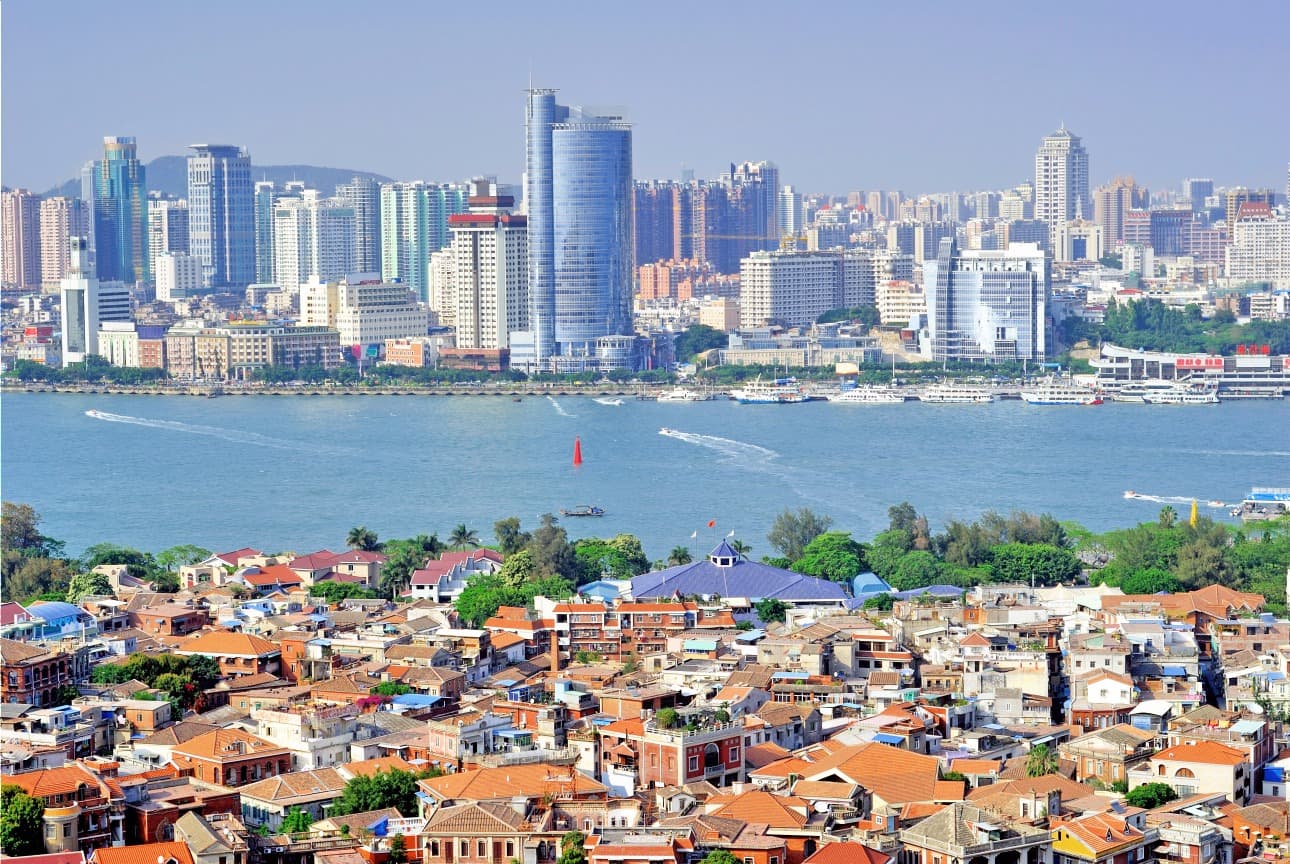
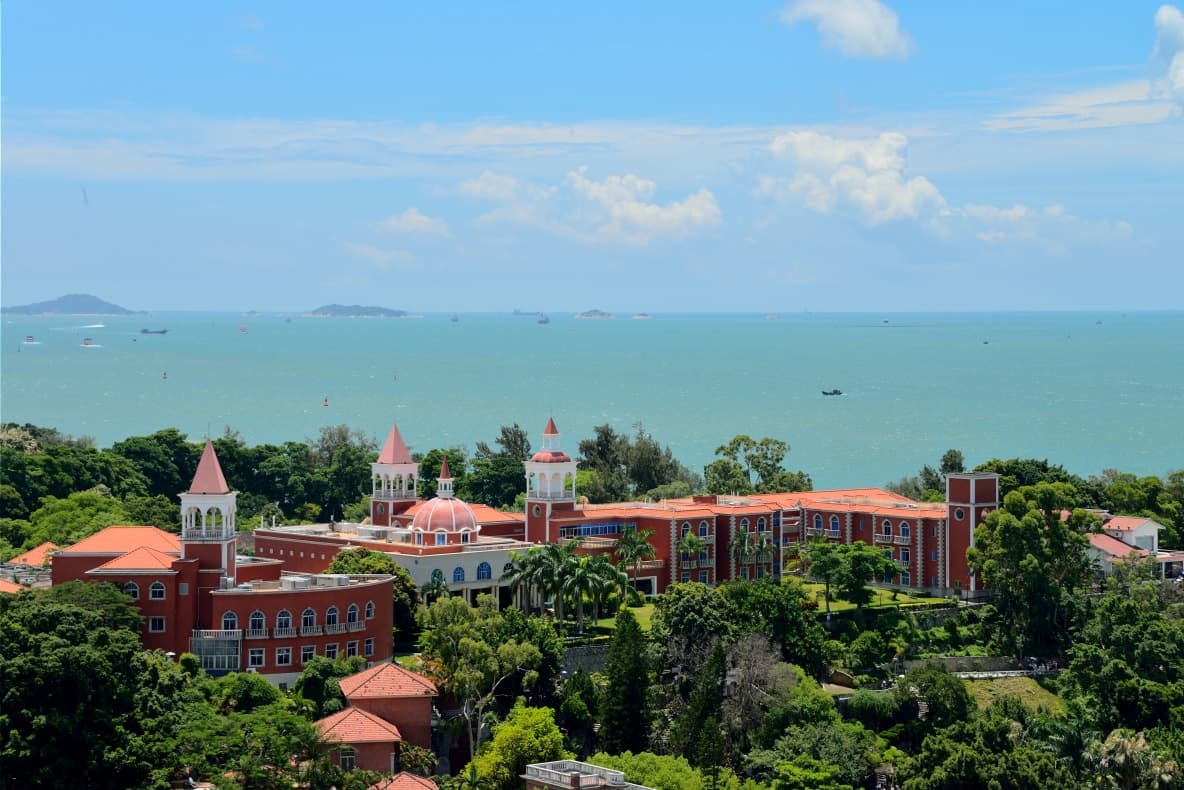
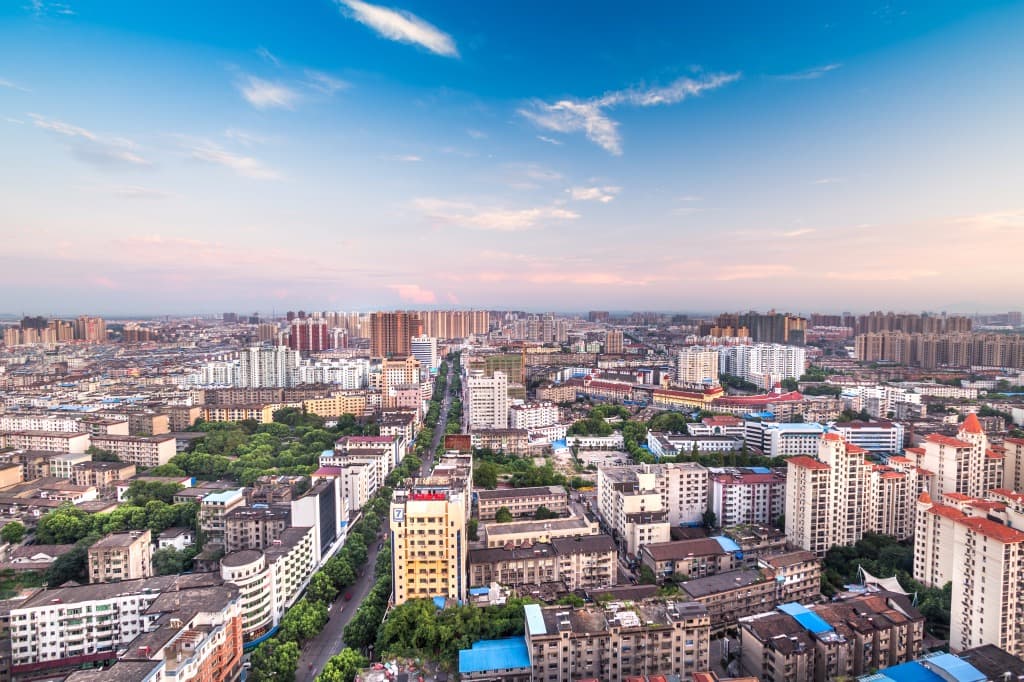
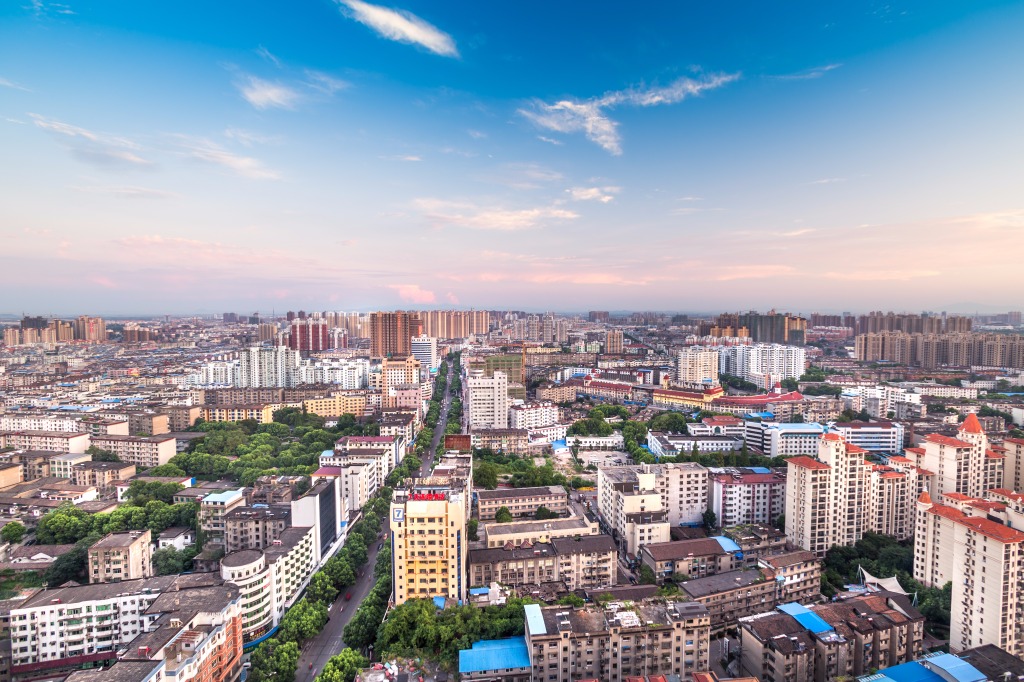
Today, Fujian's coastline remains as prosperous as in centuries past. Fuzhou, the capital, is a modern city bristling with skyscrapers that continues to expand. The historic port of Xiamen, far more tranquil, has retained its old-world charm. Offshore, the former foreign enclave of Gulang Yu holds beautifully preserved colonial buildings, and its pedestrian streets offer a welcome respite from the frenzy of contemporary China. Nearby, the island of Jinmen (Kinmen), claimed by Taiwan, witnessed fierce battles between mainland communists and the Nationalist Party. In the old merchant city of Quanzhou, the ancient mosque and Maritime Museum remind visitors that the city once ranked among the world's greatest ports.
The rugged interior remains largely unknown, except for the Wuyi Shan tourist resort in the northwest and Mount Taimu near Zhejiang province. These two mountains offer superb hiking opportunities for outdoor enthusiasts. The province's southwest near Yongding allows visitors to discover the exceptional earth houses of the Hakka people, the tulous, one of Fujian's many ethnic groups.
Climate
Fujian enjoys a subtropical climate, with hot, humid summers and cold, drizzly winters.
Temperatures and humidity rise from June to August and can reach 35°C in July. This period is also the season of torrential rains and typhoons. Average precipitation ranges between 350 and 400 mm during June and July.
Winter can be harsh in the mountains, even though minimum temperatures hover around 5°C in January.
The best times to visit the region are spring (March-May) and autumn (September-October).
How to reach Fujian?
Train and coastal roads connect Fujian to neighboring provinces of Guangdong and Jiangxi. From Xiamen and Fuzhou, flights serve Hong Kong and most of the country, as well as Taipei and Kaohsiung in Taiwan. Air connections link Wuyi Shan to major Chinese cities, including Beijing, Shanghai, and Hong Kong. The coastal highway runs along the shoreline from Xiamen to Hong Kong.
How to get around Fujian?
The well-maintained coastal road facilitates travel along Fujian's coastline. To explore the interior, prefer trains—slower, but more comfortable and safer than buses. Rail connections link Wuyi Shan to Fuzhou, Quanzhou, and Xiamen. Daily flights operate between Xiamen, Fuzhou, and Wuyi Shan.
Languages
Due to its rugged topography, Fujian boasts one of the country's greatest linguistic diversities. Inhabitants speak variants of the Min dialect, which includes Taiwanese. Min divides into several sub-groups: you will hear Southern Min (Minnan Hua) in Xiamen and Quanzhou and Eastern Min (Mindong Hua) in Fuzhou.
What to do in Fujian?
- Seek immortality amid the granite peaks of Mount Taimu, realm of Taoist gods and immortals
- Discover the Hakka homeland and appreciate the traditional architecture of the famous tulous.
- Admire Wuyi Mountain and its nature reserve, then glide on small bamboo boats along the river.
- Explore Chongwu, one of China's last remaining walled cities
Cities of Fujian