Xiamen
Xiamen
Once a foreign concession and now a special economic zone, Xiamen captivates with its waterfront, Gulangyu island, and direct access to the Hakka Tulou of Fujian.
Name: Xiamen
Chinese name: 厦门市
Province: Fujian
Status: Sub-provincial city
Population: 3,531,347 inhabitants
Area: 1,565 km²
Xiamen, also known as Amoy, is considered one of the most pleasant cities in Chine. Xiamen is a city in the Fujian province and holds the status of a special economic zone.
Today, the city is highly regarded for its tranquility and charm along the waterfront—a quality so rarely found in other Chinese cities.
History
The city of Xiamen was founded in the early Ming Dynasty. The Ming constructed ramparts and transformed the city into a major maritime port and important trading center.
During the Manchu invasion, Ming leaders made it their military base. Xiamen and Jinmen island became the seat of imperial forces which, under the command of pirate general Koxinga, loudly proclaimed the need to "resist the Qing and restore the Ming".
Portuguese, British, French, and Dutch traders followed in succession, all attempting in vain to transform Xiamen into a commercial port. The port was subsequently closed until the Opium War.
In August 1841, a British naval force forced its way into the port, plunging Xiamen under British occupation, making it one of the first foreign concessions.
Gulang Yu island, which belongs to Xiamen, was then used as a foreign enclave.
In 1938, the Japanese took control of the city, which was not liberated until 1945.
In 2006, the city was named the second most livable city in Chine.
Today
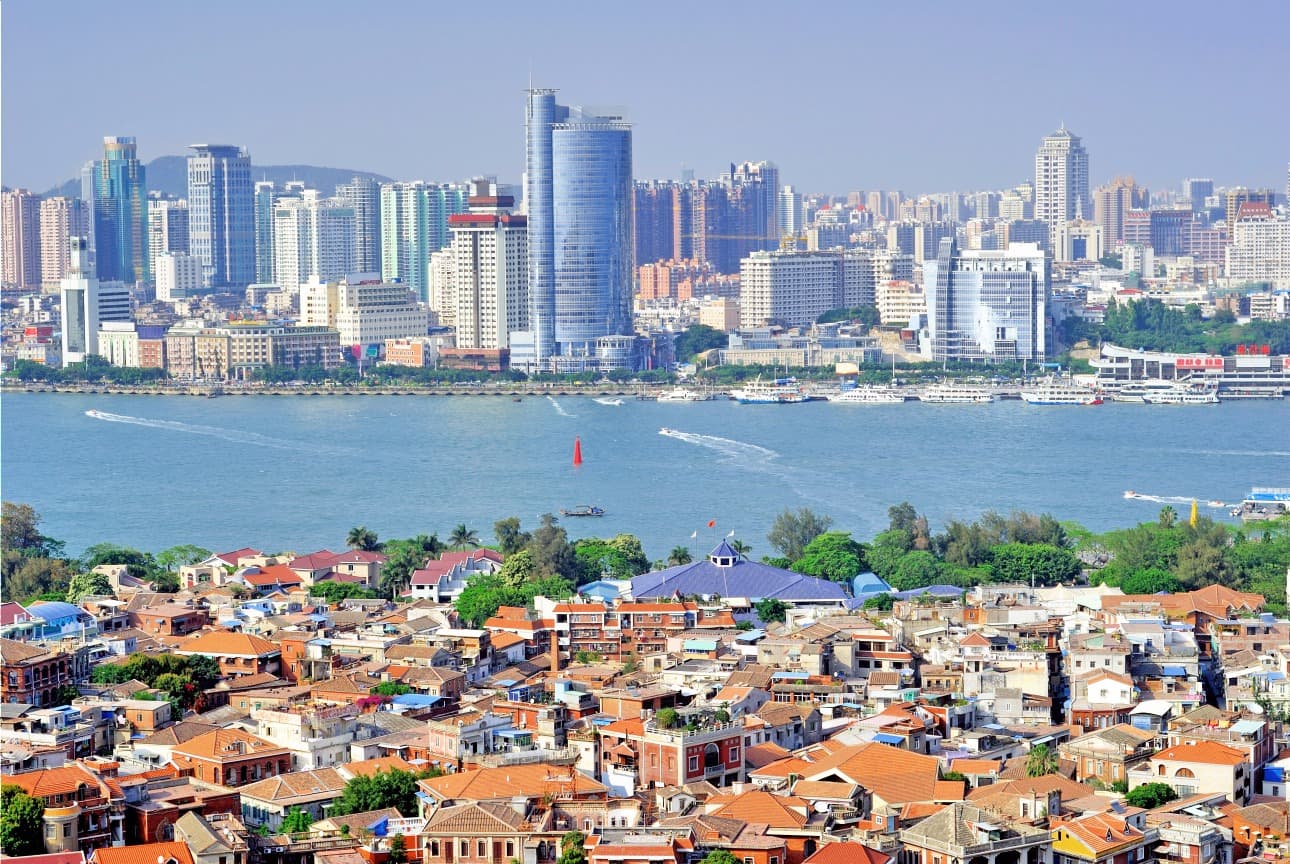
Xiamen is one of the most attractive cities in Chine. The city comprises Xiamen island, which is connected to the mainland by a causeway, as well as Gulang Yu island. The beauty of its coastal zones attracts an increasing number of Chinese and foreign tourists.
The most interesting district is the old town to the west, along the waterfront. It has managed to preserve the charm of its colonial buildings, and its well-maintained narrow streets lend it a cheerful and pleasant atmosphere.
A few temples still remain scattered throughout the city among European buildings, such as the Nanputuo Temple. Nevertheless, travelers primarily come to discover Gulang Yu island, a former foreign concession.
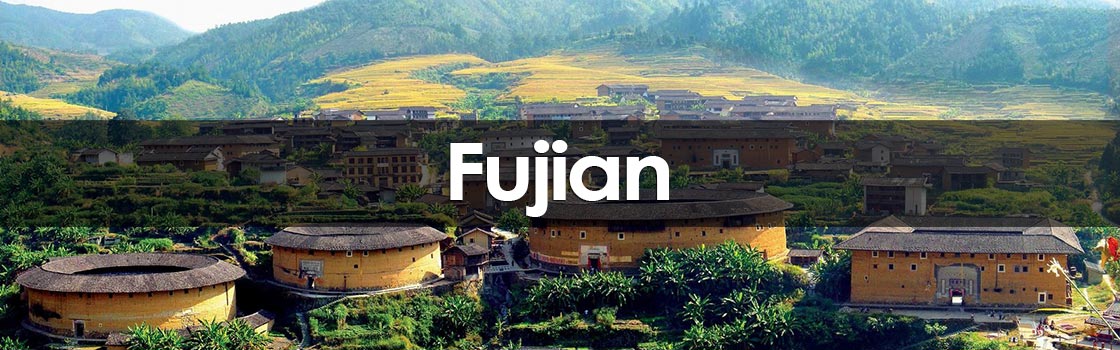
Some travelers stay in Xiamen and take the opportunity to visit the famous Hakka houses, the Tulou, which are located just a few hours' drive away.
Foreign travelers from 51 countries, including France, are now permitted to stay for 72 hours without a visa in Xiamen from Xiamen Gaoqi International Airport thanks to the 72-hour transit visa.
Climate
The climate in Xiamen is particularly pleasant. Temperatures remain mild throughout the year with an annual average of 21°C.
From May to August, rainfall becomes more frequent with the arrival of typhoons. Weather can change very rapidly, so don't hesitate to pack rain gear even if the sun is shining in the morning.
Air
Xiamen Gaoqi International Airport is one of the busiest in the country. It is served by several international flights from Hong Kong, Kuala Lumpur, Manila, Singapore, and even Penang in Malaysia. Flights from Europe and the Americas are also available.
Domestic flights also ensure connections with Wuyi Shan, Fuzhou, Beijing, Shanghai, Guangzhou, Nanjing, Guilin, Chengdu, Harbin…
Train
Xiamen has several railway stations served by most major Chinese cities.
The Xiamen Railway Station provides connections with Beijing, Shanghai, Guangzhou, Xi'an, Nanjing, Chongqing, and Kunming. During peak season, trains to and from Wuyi Shan mountain are also available.
The North Railway Station, located on the outskirts of the city, is one of the region's main stations. The trains offered are high-speed trains and it is served by Fuzhou, Shanghai, Beijing, Nanjing, Hangzhou, Chongqing, Changsha, Wuhan, Ningbo, Longyan, and other northern cities.
Bus
Traveling to Xiamen by long-distance bus is one of the best options. From major cities in Fujian province as well as from Guangzhou, Shenzhen, Hong Kong, Guilin, Nanning, Suzhou, Shanghai, Changsha, Wuhan, Ningbo, and many others, numerous buses connect to the city.
The city of Xiamen has an extensive transportation network. Local buses, tourist buses, and taxis travel throughout the city from one point to another.
What to do in Xiamen?
- Spend a few hours visiting the Nanputuo Temple and climbing to the summit of Wulao Mountain for stunning city views.
- Take the ferry to Gulangyu island to discover colonial buildings and beautiful beaches.
- View Jinmen island from the Hulishan Fortress.
- Set out to explore the famous Tulou of Fujian, these distinctive circular Hakka houses characteristic of Fujian.
- Experience the university atmosphere and school days during a visit to Xiamen University.
Discover all the activities available in Xiamen.
Attractions in Xiamen
See all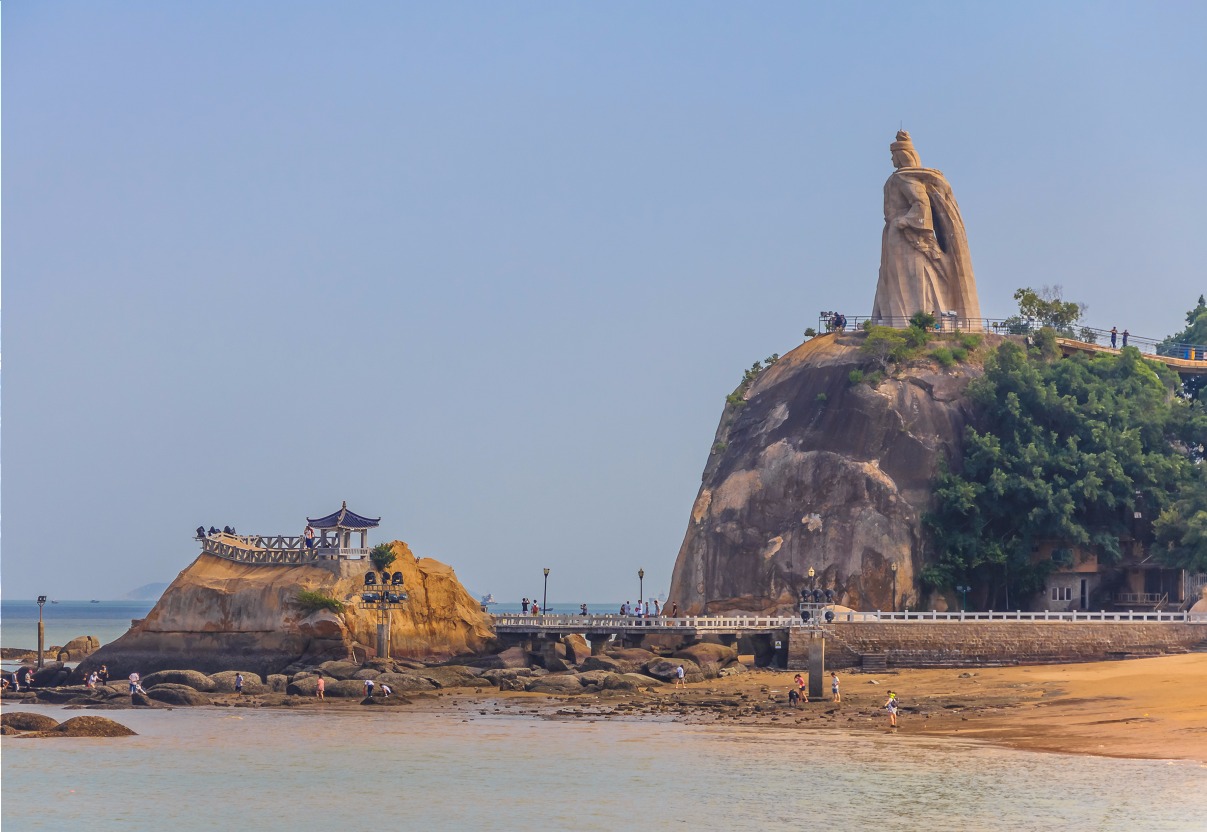
Jardin Haoyue
Sur l'île piétonne de Gulangyu au large de Xiamen, le jardin Haoyue rend hommage à Koxinga, général Ming qui chassa les Hollandais de Taïwan en 1662.
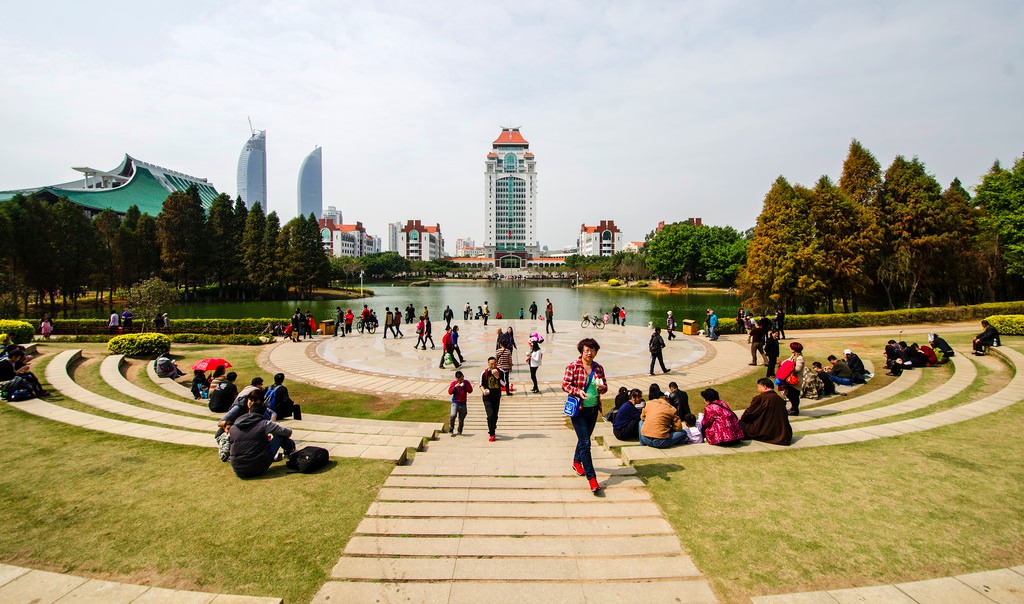
Université de Xiamen
Fondée en 1921 grâce à la diaspora chinoise du Fujian, l'université de Xiamen est l'un des campus les plus visités de Chine, à deux pas du temple Nanputuo.
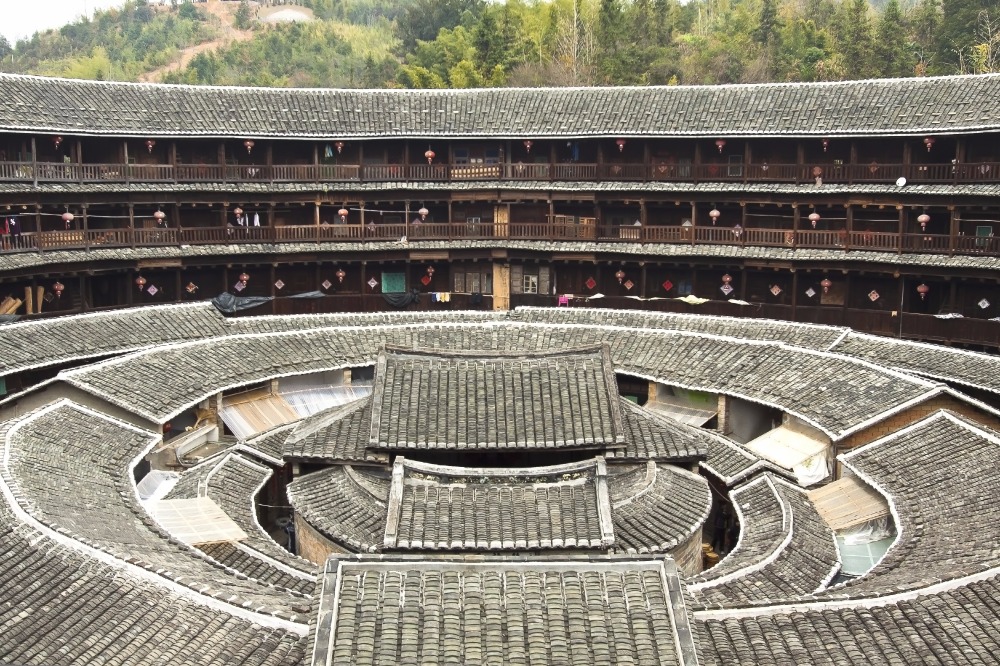
Tulou de Fujian
Forteresses circulaires en terre des clans hakka, 46 Tulou de Fujian sont classés à l'UNESCO. Guide pour visiter Hongkeng, Chuxi et les villages de Yongding.

Musée des Chinois d’Outre
Fondé en 1956 par Tan Kah-Kee dans une villa coloniale de Xiamen, ce musée retrace l'histoire des communautés chinoises expatriées à travers trois grandes salles.
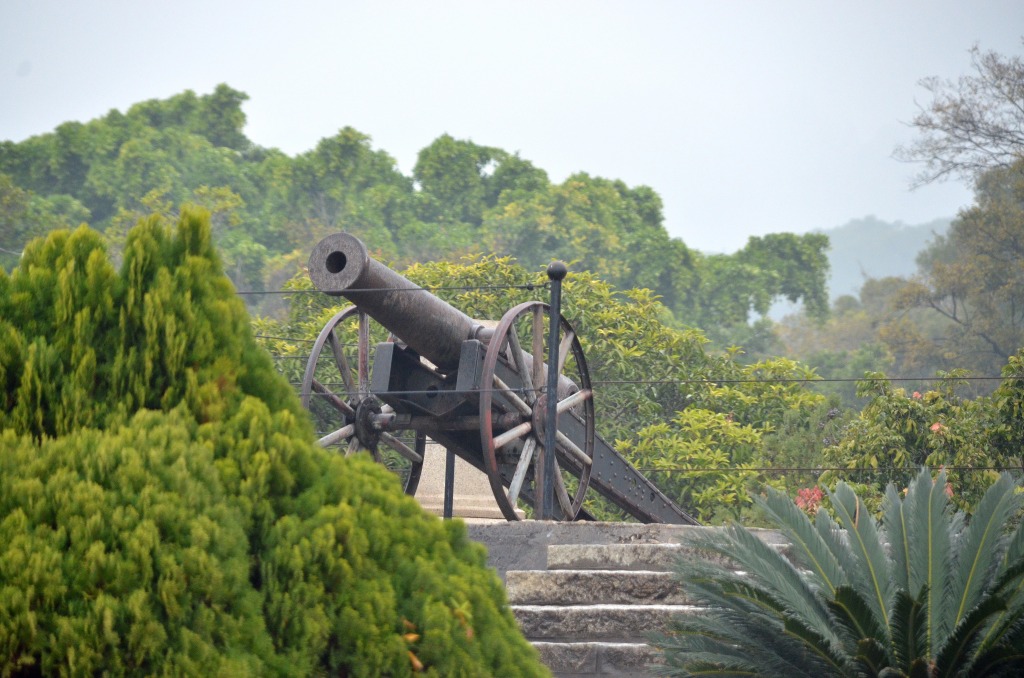
Forteresse d'Hulishan
Forteresse côtière de Xiamen érigée en 1894-1896, célèbre pour son canon Krupp allemand de 79 tonnes inscrit au Guinness des records et sa vue sur Jinmen.
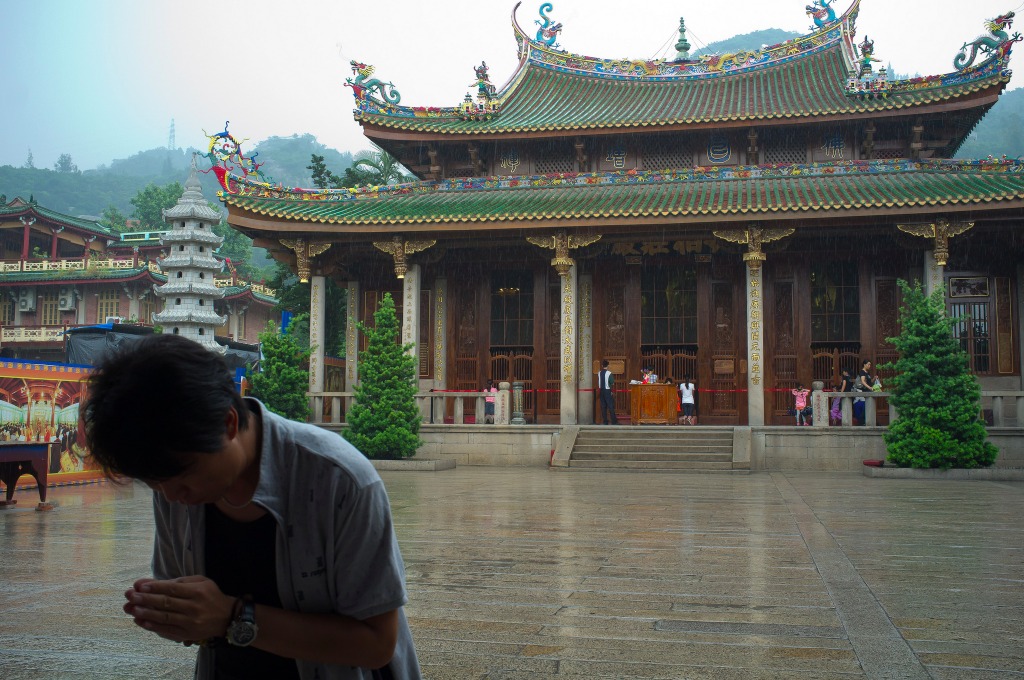
Temple de Nanputuo
Sanctuaire bouddhique millénaire à flanc de falaise face à la mer, le temple de Nanputuo est l'un des grands lieux de culte du sud-est de la Chine.
Want to discover this destination?
Our local advisors design your tailor-made trip.