Hunan
Name: Hunan
Chinese name: 湖南
Status: Province
Capital: Changsha
Population: 66,906,000 inhabitants (2013)
Area: 211,800 km²
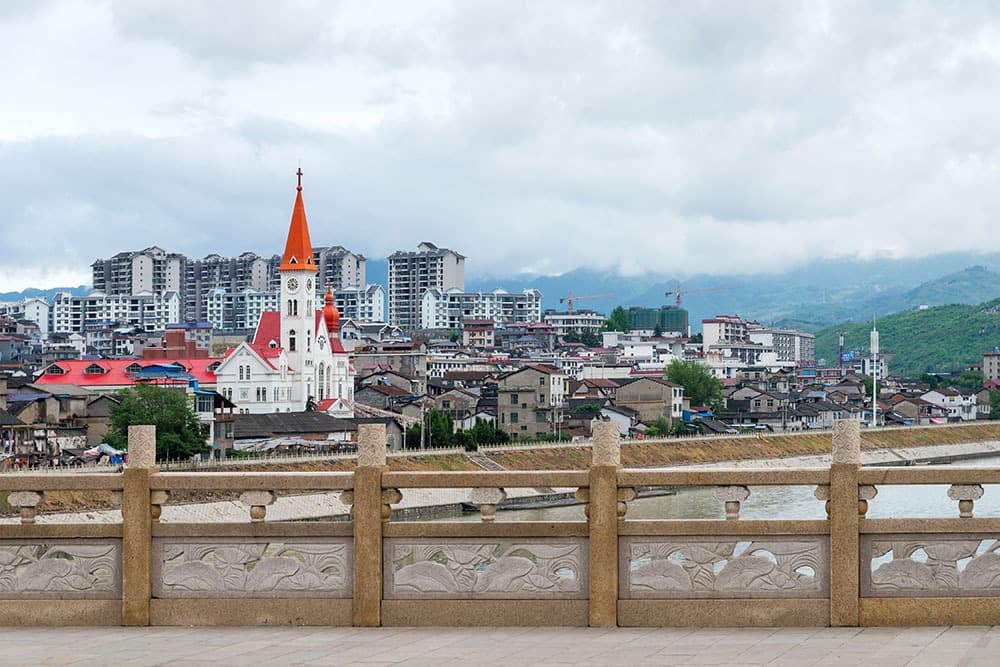
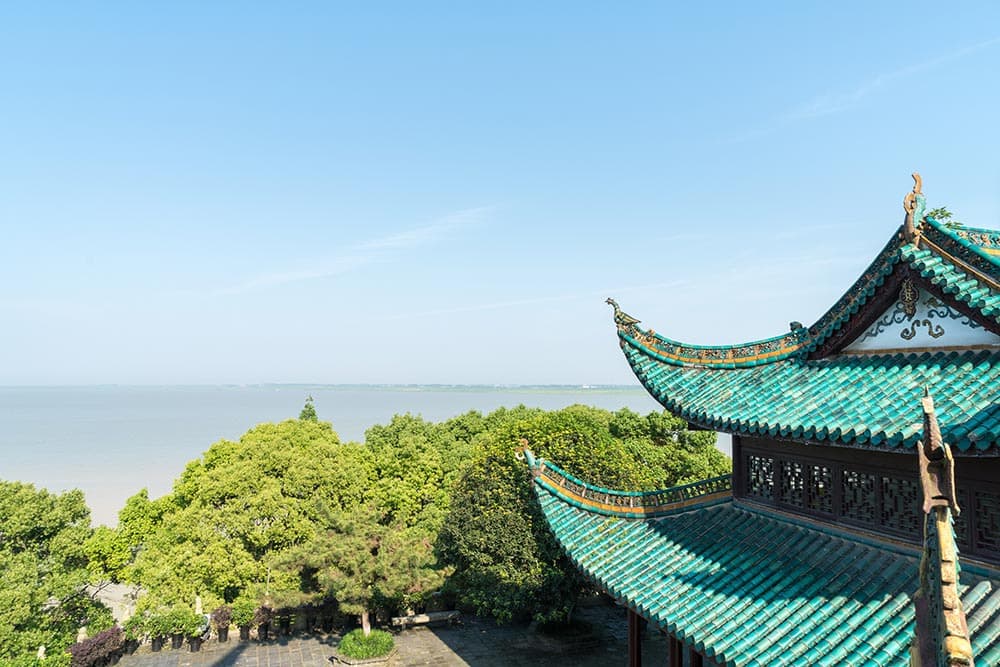
Located in the south-central region of mainland Chine, Hunan has long been renowned for its natural beauty. Surrounded by mountains to the east, west, and south, and bordered by the Yangtze River to the north, its harmonious blend of peaks and waterways makes it one of Chine's most captivating provinces. For millennia, this region has served as a vital agricultural center, producing rice, tea, and oranges on a remarkable scale.
History
Between the 8th and 11th centuries, Hunan's population quintupled thanks to agricultural dynamism and migration from southern regions. Under the Ming and Qing dynasties, the province became one of the empire's granaries, exporting vast quantities of rice by boat to the impoverished northern territories. By the 19th century, demographic pressure began to mount. Scarcity of arable land and the monopoly of large landowners sparked widespread unrest among Han farmers and highland minorities. This increasingly dire economic situation gave rise to the Taiping Rebellion, followed by the communist movement of the 1920s. Finding unwavering support among Hunan's peasantry, communists took refuge in 1927 in the mountains bordering Hunan and Jiangxi.
Today
Hunan, land of fiery cuisine and the ideology of Mao Zedong, has captivated the Middle Kingdom. Restaurants serving xiongcai (Hunan cuisine) draw crowds across the country, their diners brought to tears and sweating profusely, while impassive portraits of the Great Helmsman punctuate the territory, reminding visitors that a period of ideological fervor nearly brought Chine to the brink of catastrophe not long ago.
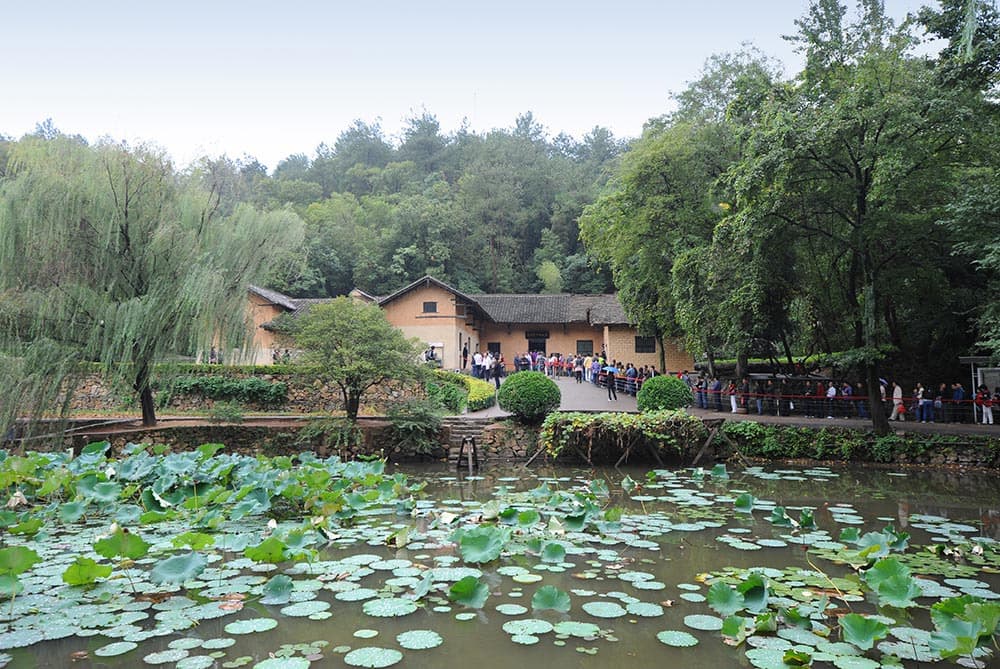
Communist sites are omnipresent in Changsha and Shaoshan (Mao Zedong's birthplace). Other prominent communist leaders such as Liu Shaoqi, Peng Dehuai, and Hu Yaobang also hailed from Hunan. Yet this province cannot be reduced to its revolutionary past alone, for it also harbors fertile lands and landscapes among Chine's most seductive.
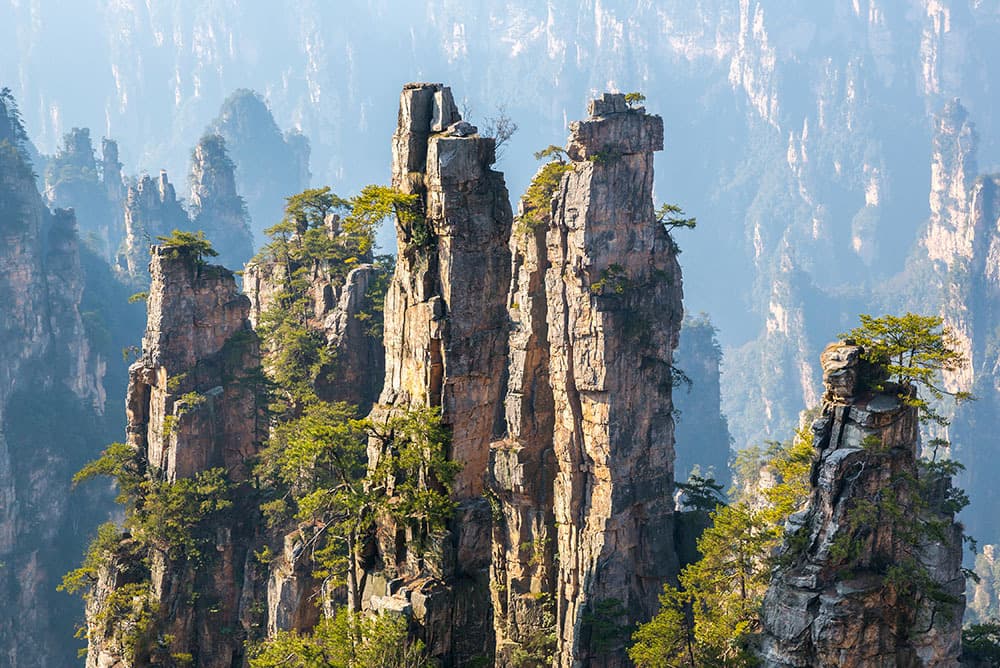
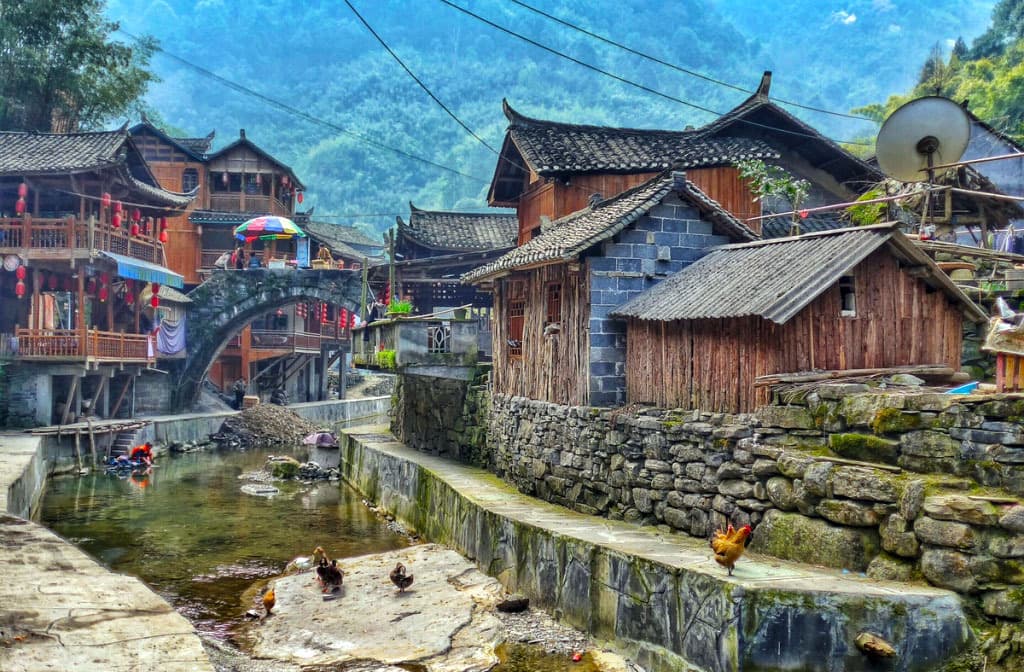
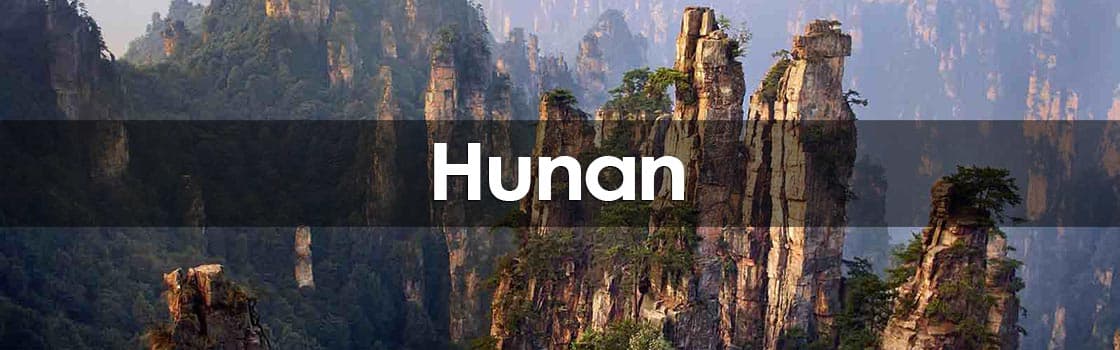
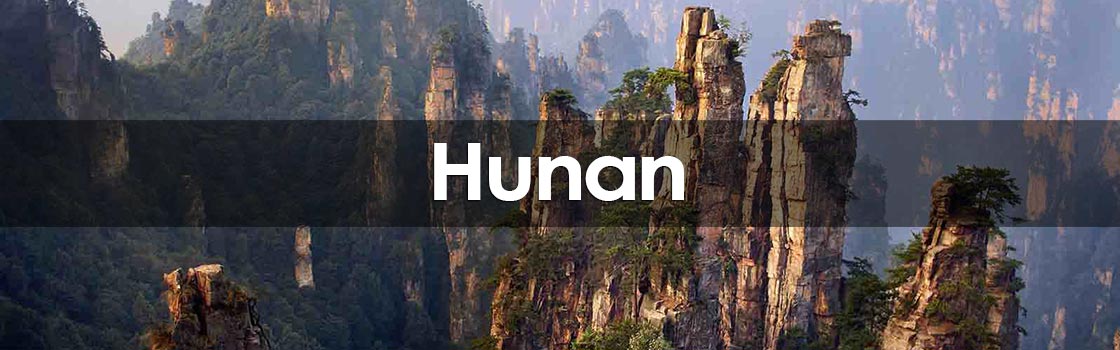
To the east, west, and south of the Yangzi basin (and Changsha) stretch isolated mountain ranges. The magnificent Miao village of Déhang nestles within a breathtaking setting of terraced fields, waterfalls, and karst peaks that proliferate even more abundantly throughout the extraordinary Wulingyuan park.
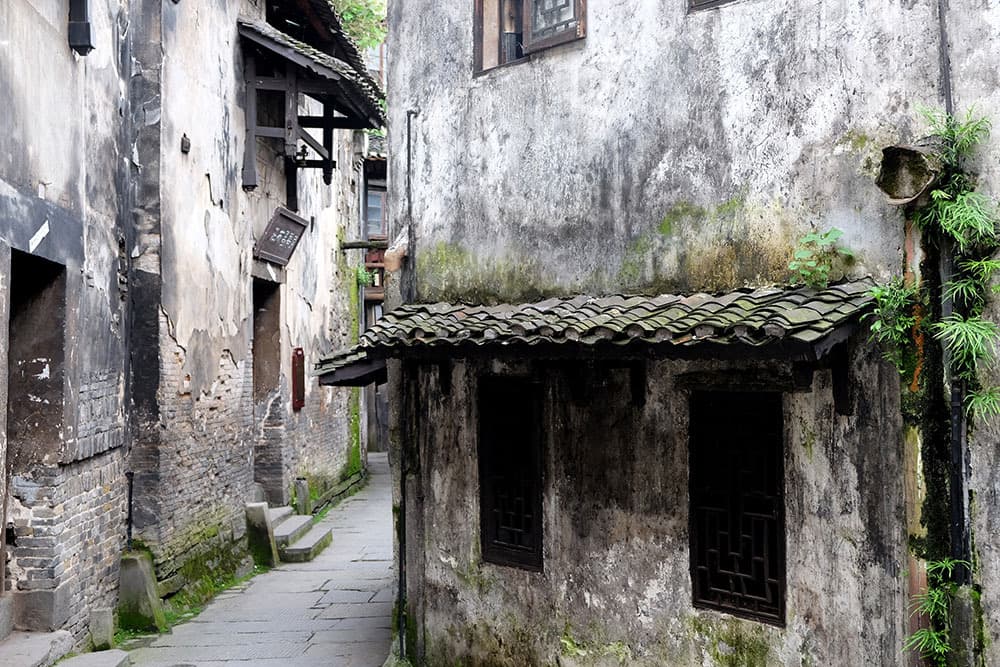
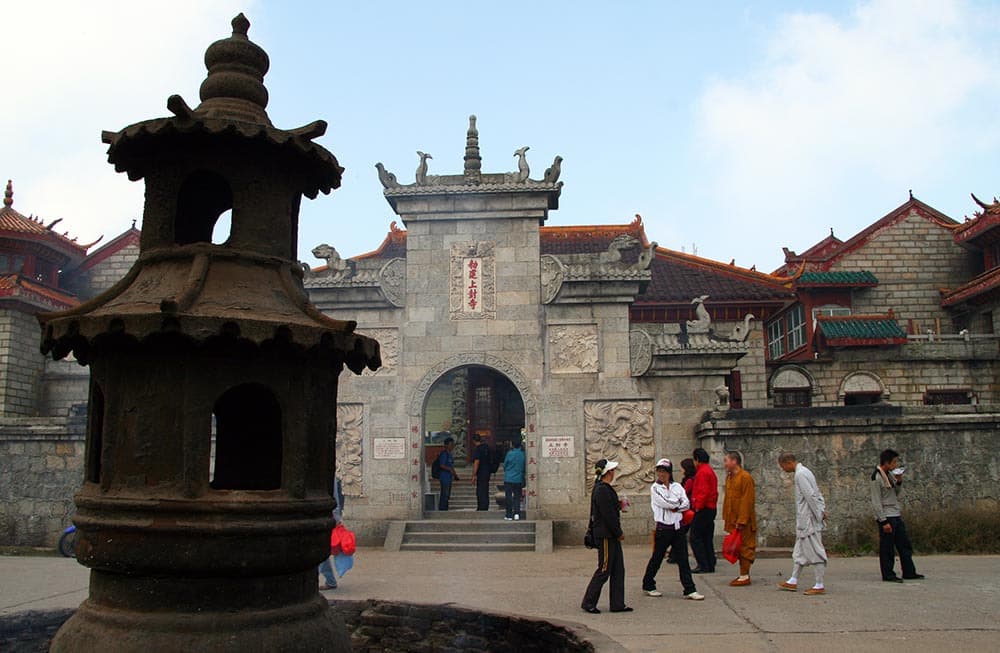
Travelers seeking a bucolic retreat flock to Fenghuang, celebrated for its river, historical vestiges, and rich architectural heritage. Visitors drawn to sacred Chine will ascend the slopes of Heng Shan, a great Taoist peak where monks devote their lives to the Way (the dào).
Climate
Forested highlands with a temperate climate occupy the east, west, and south of subtropical Hunan. In winter, snow falls and temperatures plummet across the northern half; in the south, where orange growers thrive, temperatures remain milder. From April to June, the sky turns gray and oppressive: the province receives the majority of its 125 to 175 cm annual precipitation during this period. Heat and humidity reach their peak in July and August.
July is the hottest month, with average temperatures hovering around 28°C. It is also during this month that humidity levels are at their highest following the rainy season. July's stifling conditions make it far from ideal for visiting the province. January is the coldest month, with average temperatures dropping to 4°C in the north.
The best periods to visit Hunan are September through November and early spring.
How to Get There?
Despite its mountainous terrain, Hunan enjoys fairly good transport connections. Changsha airports, Zhangjiajie, and Huaihua offer flights to the east, west, and northwest. All Hunan sites are accessible by train or bus, and expressways significantly reduce travel times.
Language
The xiang dialect, spoken by Mao, is a Northern dialect subdivided into six to eight sub-dialects. The limited number of consonants creates confusion – distinguishing the sounds l, n, f, and h proves particularly tricky. The pronunciation of certain initial consonants is also remarkable ("j", for instance, is pronounced "z"). In the south and west of the province, another dialect, gàn, is spoken. Border regions, meanwhile, feature a mosaic of local dialects and minority languages that defy any classification attempt. The majority of Hunan's inhabitants are Han Chinese, though Miao, Tujia, Dong (relatives of the Thai and Lao), and Yao mountain minorities occupy the border regions.
What to Do in Hunan?
- Discover the sumptuous landscapes of Wulingyuan in the northwestern mountains.
- Be charmed by the enchanting historic village of Fenghuang nestled along the water's edge.
- Marvel at the fabulous landscapes surrounding the Miao village of Dehang.
- Visit the Hunan Provincial Museum in Changsha, where the Han Dynasty mummy rests.
- Explore the birthplace of President Mao in Shaoshan, an unmissable pilgrimage site for communist history enthusiasts.
Cities of Hunan