Bulang Mountain
Bulang Mountain
In Menghai County, Bulang Mountain brings together century-old Pu'er tea gardens, Bulang, Wa, and De'ang ethnic villages, and tropical biodiversity.
Bulang Mountain rises in Menghai County, in the Xishuangbanna Prefecture, near the border between Chine and Myanmar. It ranks among Chine's six renowned tea mountains and is home to tea gardens cultivated for centuries by the Bulang people, one of the first communities to domesticate and consume this plant.
Why Visit Bulang Mountain
The mountain's appeal lies in the meeting of an ancient tea culture and a highly minimalist approach to cultivation. The tea gardens cover a substantial area of the massif and produce Pu'er tea recognized for its quality by Chinese enthusiasts and professionals alike.
The site is not a developed park: it is a living territory where three ethnic groups — Bulang, Wa, and De'ang — coexist in villages scattered across the slopes. Visitors come for the ancient tea garden landscapes, tastings, and encounters with producers.
A Tea Culture Deeply Rooted
Tea culture in this Yunnan region dates back several millennia according to local traditions, making it one of Chine's historical birthplaces of the tea plant. The Bulang people belong to the Baipu ethnic group, which migrated south to establish communities distinct from those that remained further north in Yunnan.
The mountain stands out for its minimal management of plantations. Depending on the area, density ranges from 200 plants to only 20-30 plants per hectare. Farmers rarely weed and avoid pruning, plowing, or fertilizing. This cultivation method produces imposing tea plants with moderate yield but highly concentrated leaves.
Since 1982, tea cultivation has become an essential income source for local families, following reforms that restored management authority to producers. Teas from Bulang Mountain, free of chemical inputs, rank among the most sought-after Pu'ers on specialized markets.
What to See and Do
Historic Tea-Farming Villages
The villages of Bannzhang (often transcribed as Banzhang), Man'ang, and Jiliang concentrate the ancient gardens, established between 1,300 and 1,900 meters in altitude. Bannzhang in particular is associated with Pu'er teas of very high reputation. A visit allows you to observe harvesting, withering, and leaf-firing techniques.
Hiking Among Ancient Tea Gardens
Trails connect the hamlets through the gardens. The terrain is rolling, sometimes steep, but distances between villages remain manageable within a day. Bring sturdy hiking shoes and water; shade is uneven and the sun beats down on ridges.
Tasting and Meeting Producers
Many houses offer tasting sessions. It's also an opportunity to understand the differences between teas from different slopes — Bannzhang "of the old village" being the best known — and to compare vintages.
Wildlife and Flora of the Massif
The mountain is home to remarkable biodiversity. The slow loris, Assamese macaque, and, more rarely, the clouded leopard are found here, as well as protected plant species such as Alcimandra cathcardii Dandy. More than twenty species of wild mushrooms are harvested locally, including Thelephora ganbajun and Boletus edulis.
When to Visit
The recommended period extends from March to November. Spring (March-April) corresponds to the first harvest, the most prized for Pu'er. Summer is more humid, with frequent showers but very green landscapes. Autumn offers a second harvest and more stable weather. The cold season (December-February) remains accessible but mornings can be fresh at altitude.
How to Get There
Xishuangbanna Gasa International Airport (code JHG) is the simplest entry point. From there, reach Jinghong, the prefecture's main city, by taxi or shuttle. From Jinghong's long-distance bus station, regular buses serve Menghai. From Menghai, taxis and local transport allow you to head up to the mountain villages. The final stretch uses scenic but winding mountain roads; allow extra time.
Practical Information
- Duration of visit: a minimum of one day for the closest villages, two to three days to explore multiple slopes and taste at leisure.
- Difficulty: moderate. Rural trails, regular elevation changes, altitude up to 1,900 m.
- Equipment: hiking boots, windbreaker, sun protection, water, and notepad for tea enthusiasts.
- Accommodation: guesthouses in villages with producers, or hotels in Menghai for more comfort.
- Language: Mandarin is useful, English is rarely spoken. A local guide greatly facilitates exchanges with producers.
Nearby Attractions
Xishuangbanna offers other points of interest to complement a Bulang stay: Menghai's ethnic markets, tropical botanical gardens, Theravada monasteries of the south. More broadly in Chine, you can extend exploration to other sites:
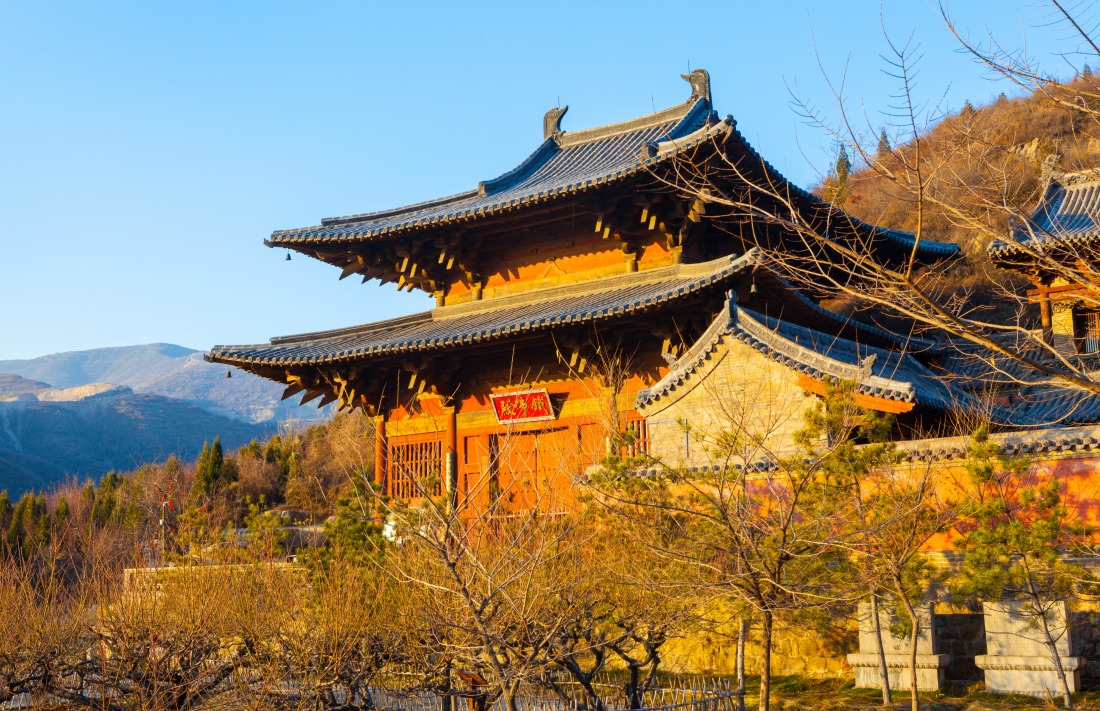
- The Beishan Temple, a testament to Chinese Buddhist architecture.
- The Beijing Botanical Garden, to compare northern and southern ecosystems.
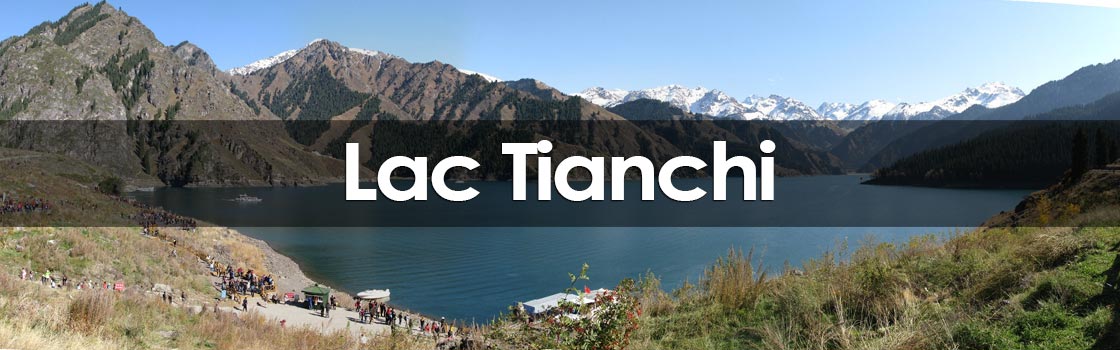
- The Aiding Lake, in a completely different landscape register in Xinjiang.
- The Bell and Drum Towers in Beijing, for imperial historical context.
Frequently Asked Questions
Frequently asked questions
Planning Your Trip
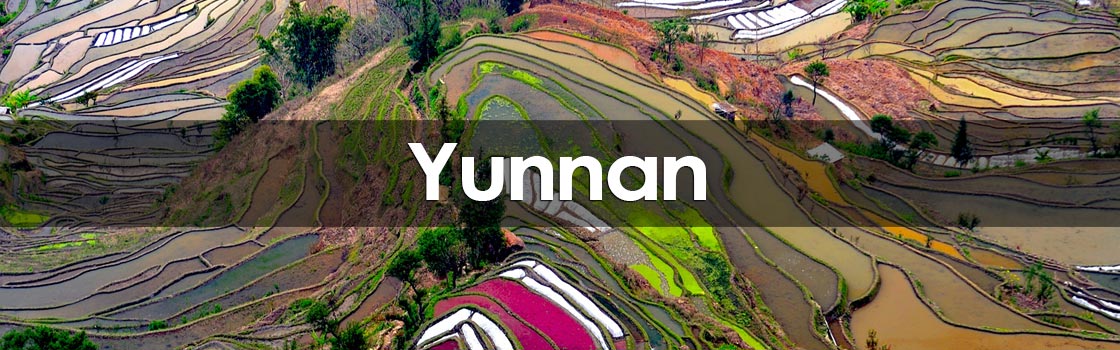
Bulang Mountain fits naturally into a broader circuit in Yunnan or Southwest Chine. To build a bespoke itinerary including Xishuangbanna and its tea mountains, consult our trips in Chine.
Interested in this visit?
We can include it in your personalised itinerary.