Beijing National Swimming Centre (The Water Cube)
Beijing National Swimming Centre (The Water Cube)
The Water Cube in Beijing, National Swimming Centre of the 2008 Olympics, captivates with its translucent facade of ETFE cushions mimicking bubbles. Visit, history and practical tips to explore this unique Olympic site.
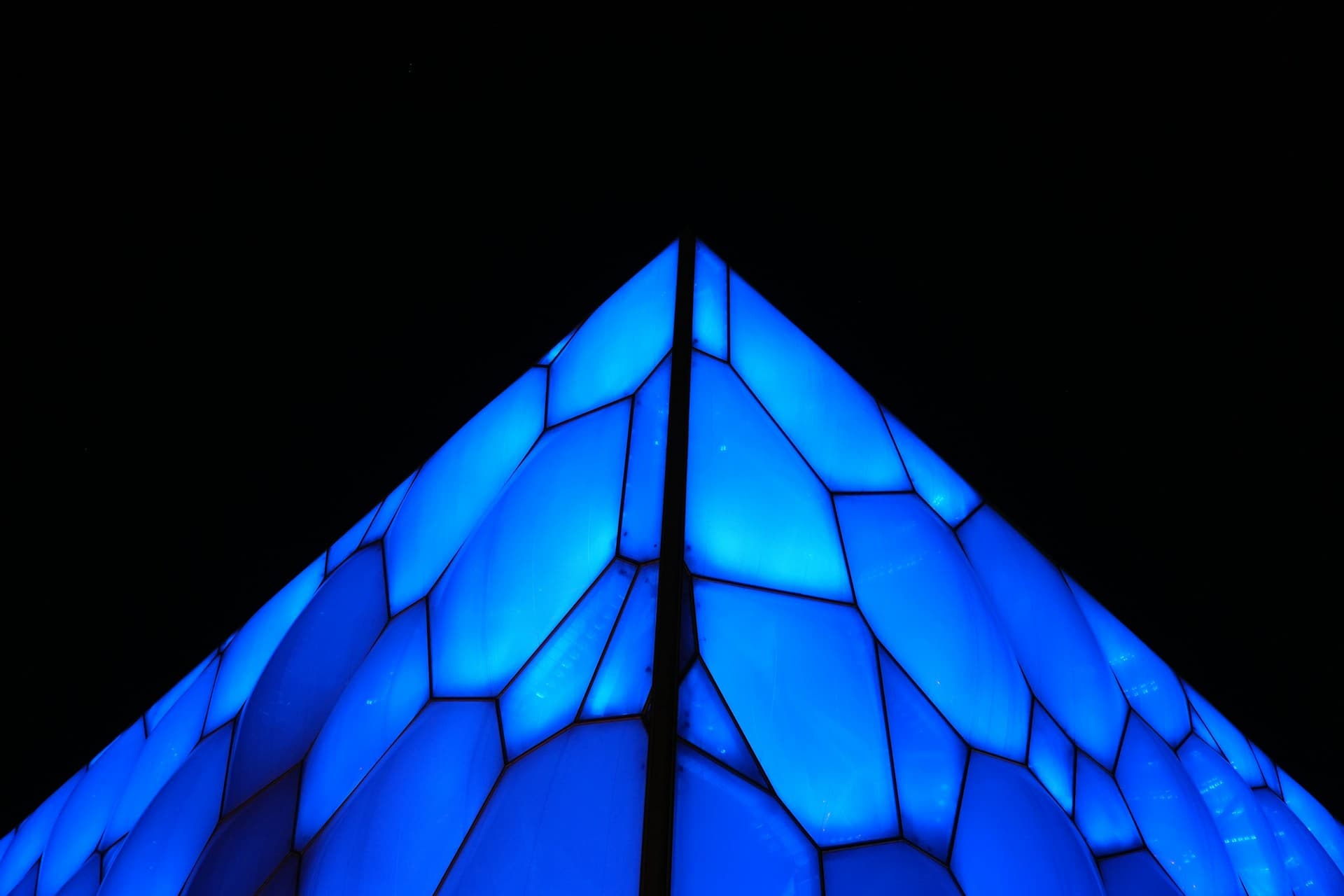
The Beijing National Swimming Centre, nicknamed the Water Cube (Shuǐ Lì Fāng), is one of the most recognizable structures from the 2008 Olympic Games. Built opposite the National Stadium (the "Bird's Nest"), its translucent facade owes its distinctive character to ETFE cushions that mimic soap bubbles. A venue for swimming competitions in 2008, it hosted curling during the 2022 Winter Games, becoming the first Olympic site to serve two such different disciplines.
Quick Facts
- Access: Metro Line 8, Olympic Green station; walking distance from Olympic Park.
- Recommended duration: 1 to 2 hours for the exterior and park; longer if visiting inside or the water park.
- Entrance: The exterior and Olympic Park are freely accessible; the interior (Water Cube water park) requires a ticket.
- Dress code: Swimwear required for the indoor water park.
What to See
The facade comprises 3,065 ETFE cushions (ethylene tetrafluoroethylene), a lightweight polymer that filters natural light and shifts in color throughout the day. At night, the building illuminates in electric blue, creating a striking contrast with the neighboring Bird's Nest. Inside, the 50-meter Olympic pool sits alongside water slides and aquatic attractions open to the public.
History and Context
Designed by Australian firm PTW Architects in collaboration with ARUP and CSCEC, the building was completed in 2007. Its structure draws inspiration from the natural geometry of bubbles—the cushion arrangement follows Weaire-Phelan theory, a mathematical solution for filling space with identical cells. During the 2008 Olympics, Michael Phelps won eight gold medals here. In 2022, the pool was temporarily converted into a curling rink for the Winter Games.
Highlights of Your Visit
The ETFE Facade at Night
The Water Cube's nocturnal blue illumination ranks among the most striking visual spectacles of Olympic Park. Plan to visit after sunset to witness the building in its full luminous glory.
The Indoor Water Park
Repurposed as a family attraction, the interior features water slides, a wave pool and the Olympic basin. It's a rare experience: swimming in an authentic Olympic venue.
The View from Olympic Park
The central axis of Olympic Park aligns the Water Cube, the Bird's Nest and the Olympic Tower. This perspective offers a complete overview of the 2008 Olympic urban planning, designed as an extension of Beijing's historic north-south axis.
Photography Tips
- Best time: Sunset then dusk, when the blue illumination contrasts with the orange sky.
- Recommended angle: From the central plaza of Olympic Park, to frame the Water Cube and Bird's Nest together.
- Daylight: On cloudy days, the translucent facade diffuses soft, even light, ideal for capturing details of the bubble structure.
- Restrictions: Photography is generally permitted outdoors; check rules inside with staff.
Location and Access
The Water Cube is located in Beijing Olympic Park, Chaoyang District, in the northern part of the city. It is accessible by Metro Line 8 (Olympic Green station) or Line 15 (Olympic Green station). The site is approximately 10 km from the historic center (Tian'anmen Square). Accessibility for visitors with reduced mobility is ensured on the exterior plaza; inquire about the interior.
Immediately nearby: the National Stadium (Bird's Nest) and the Beijing Olympic Tower.
In the Surrounding Area
- National Stadium (Bird's Nest) — Just steps away, the other icon of the 2008 Olympics, whose interlaced steel structure is equally photographed.
- Summer Palace — West of Olympic Park, this UNESCO-listed imperial complex blends gardens, lake and pavilions from the Qing dynasty.
- Forbidden City — The historic heart of Beijing, accessible by metro from Olympic Park.
- Temple of Heaven — In the south of the city, one of the best-preserved ritual complexes of Ming architecture.
Frequently asked questions
The 50-meter Olympic basin is open to the public as part of the indoor water park, with an entrance fee. It's one of the rare opportunities to swim in a facility that served the Olympic Games.
Yes, both sites are just a few hundred meters apart on Olympic Park's plaza. Half a day is sufficient to visit both exteriors; allow a full day if you enter both buildings.
Spring (April-May) and autumn (September-October) offer pleasant weather for walking through Olympic Park. Summer is hot and crowded; winter is cold but queues are shorter.
Yes, Metro Line 8 (Olympic Green station) serves Olympic Park directly. It's the most convenient way from central Beijing.
The indoor water park with its water slides is particularly well-suited for families with children. The exterior plaza is also spacious and easy to navigate.
Photography is free on Olympic Park's plaza. For the building's interior, it is recommended to check the rules in place with staff on site.
Interested in this visit?
We can include it in your personalised itinerary.