Yunqi Bamboo Forest
Yunqi Bamboo Forest
Southwest of West Lake, the Yunqi bamboo forest unfolds its giant bamboos at the foot of Wuyun Hill, in a valley steeped in Qing imperial history.
Southwest of the West Lake, the Yunqi bamboo forest extends at the foot of Wuyun Hill, bordering the Qiantang River. This classified site in Hangzhou owes its name — Yunqi, meaning "persistent clouds" — to the mist that regularly envelops the plantation. Over several kilometers, bamboos towering over 15 meters form a verdant canopy crossed by a paved walkway.
Why Visit Yunqi Forest
Yunqi ranks among Hangzhou's ten classic landscapes. Unlike the West Lake shores, often crowded, the site remains relatively peaceful and offers noticeably cooler temperatures in summer thanks to the density of vegetation. The forest combines botanical interest (giant bamboos, ancient cedars), Qing imperial heritage, and traditional Chinese architecture, all set within a walking route of approximately 1 to 2 hours.
- Ancient bamboo grove, with some specimens exceeding 15 meters
- Wooden pavilions sheltering inscriptions and sculptures
- Cool microclimate, cherished during warm seasons
- Less touristy than central Hangzhou
History
The toponym Yunqi means "persistent clouds" and directly refers to the bamboo plantation regularly shrouded in mist. The forest enters imperial history during the Qing dynasty: Emperor Kangxi bestows the title of "royal bamboo" upon a great bamboo in the forest, as a mark of esteem for the site. His successor, Emperor Qianlong, visits Yunqi forest six times during his inspection tours of the South.
The Sino-Japanese War (1937-1945) nearly destroyed the entire forest. It was not until 1950, with oversight from Hangzhou's municipal department, that regeneration began and the site gradually recovered its present appearance.
What to See On-Site
The Main Walkway
A paved and well-maintained walkway traverses the forest from the foot of Wuyun Hill to the valley of persistent clouds. Bordered by giant bamboos, it forms the main axis of the visit and remains passable in all weather.
Pavilions and Inscriptions
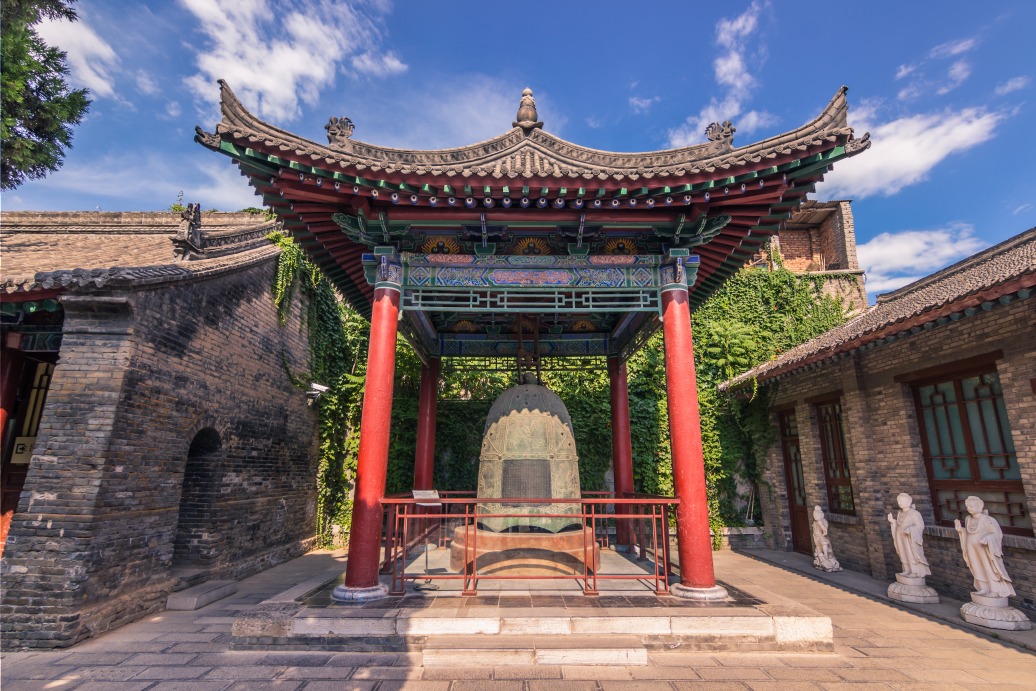
Several pavilions of traditional Chinese architecture, with gently upturned eaves, punctuate the path. They house sculptures and stone tablets engraved with the site's history and records of imperial visits. Small streams and a pond complete the setting.
Ancient Trees
Beyond the bamboos, the forest preserves several remarkable trees, including a thousand-year-old cedar among the site's natural attractions. Dense shade and cool surroundings make it a favored destination for strolling.
Practical Information
- Visit Duration: allow 1 to 2 hours for a complete walk
- Admission: modest entrance fee (confirm on-site)
- Hours: open daily during daylight
- Tip: comfortable walking shoes; the walkway is paved but gently rolling
When to Visit
The forest can be visited year-round. Spring (April-May) showcases young bamboo shoots and offers mild temperatures. Summer remains pleasant despite Hangzhou's heat: the vegetation density provides welcome coolness. Autumn (October-November) enjoys soft light and fewer visitors. Winter, quieter still, can be humid; misty days honor the site's name well.
How to Get There
Several bus lines serve the Yunqi Zhujing stop at the site entrance:
- Line 4
- Lines 324 / K324
- Line K658
- Line Y4 (tourist)
From central Hangzhou and West Lake, expect approximately 30 to 45 minutes of travel depending on traffic. Taxi or local ride-hailing services offer a comfortable alternative, especially for groups.
Nearby Attractions
Yunqi forest integrates naturally into a Hangzhou stay. Several nearby sites complement the visit:
- West Lake: Hangzhou's scenic heart, accessible by bus from Yunqi
- Beishan Temple: Buddhist complex on the lake's northern heights
- Baigongfang Craft Museum: to deepen your cultural exploration of the city
Frequently Asked Questions
Frequently asked questions
One to two hours suffice to walk the main path and observe the pavilions. Budget more if you wish to linger or picnic.
Yes. The paved path is generally flat and suitable for family walks. A few gently sloping sections require some care with a stroller.
Spring and autumn offer the most pleasant conditions. Summer remains enjoyable thanks to the coolness of the forest understory, sought after by Hangzhou residents.
Yes. Yunqi lies southwest of West Lake, 30-45 minutes by bus. A half-day suffices for the site, leaving time for the lake within the same day.
Plan Your Journey
Yunqi forest fits naturally into an itinerary focused on Hangzhou and Zhejiang. To build a complete route including this site and the region's classic landscapes, explore our China travel packages.

Interested in this visit?
We can include it in your personalised itinerary.