Yuyuan Garden
Yuyuan Garden
Late Ming classical garden in the heart of Shanghai: 20,000 m² of rockeries, pavilions and pools within the Chenghuangmiao bazaar.
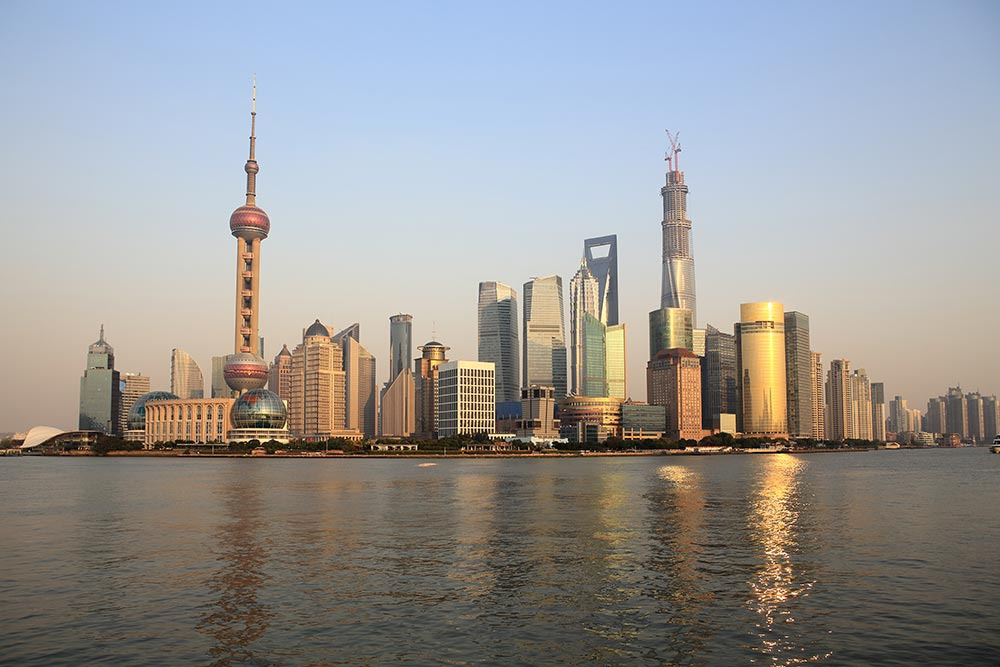
Yuyuan Garden, whose name means "garden of peace and comfort," is one of the most expansive classical landscape ensembles in Shanghai. Laid out in the 16th century in the heart of the old Chenghuangmiao bazaar, in Huangpu district, it offers a striking architectural counterpoint to the skyscrapers of Pudong, just a few metro stops away.
Why visit Yuyuan Garden
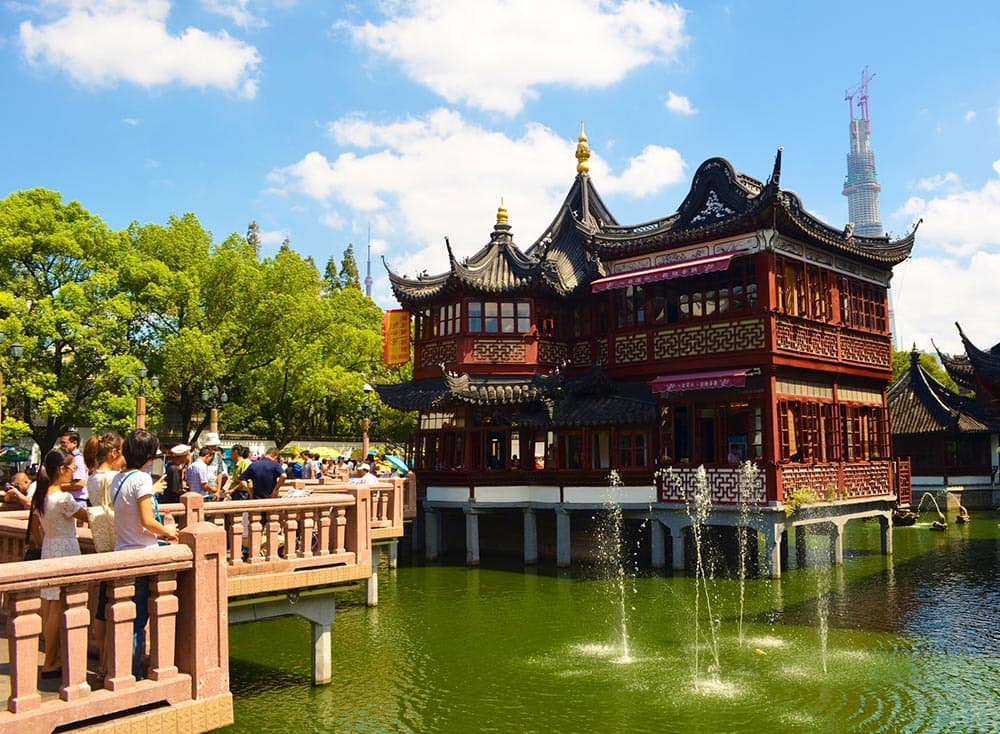
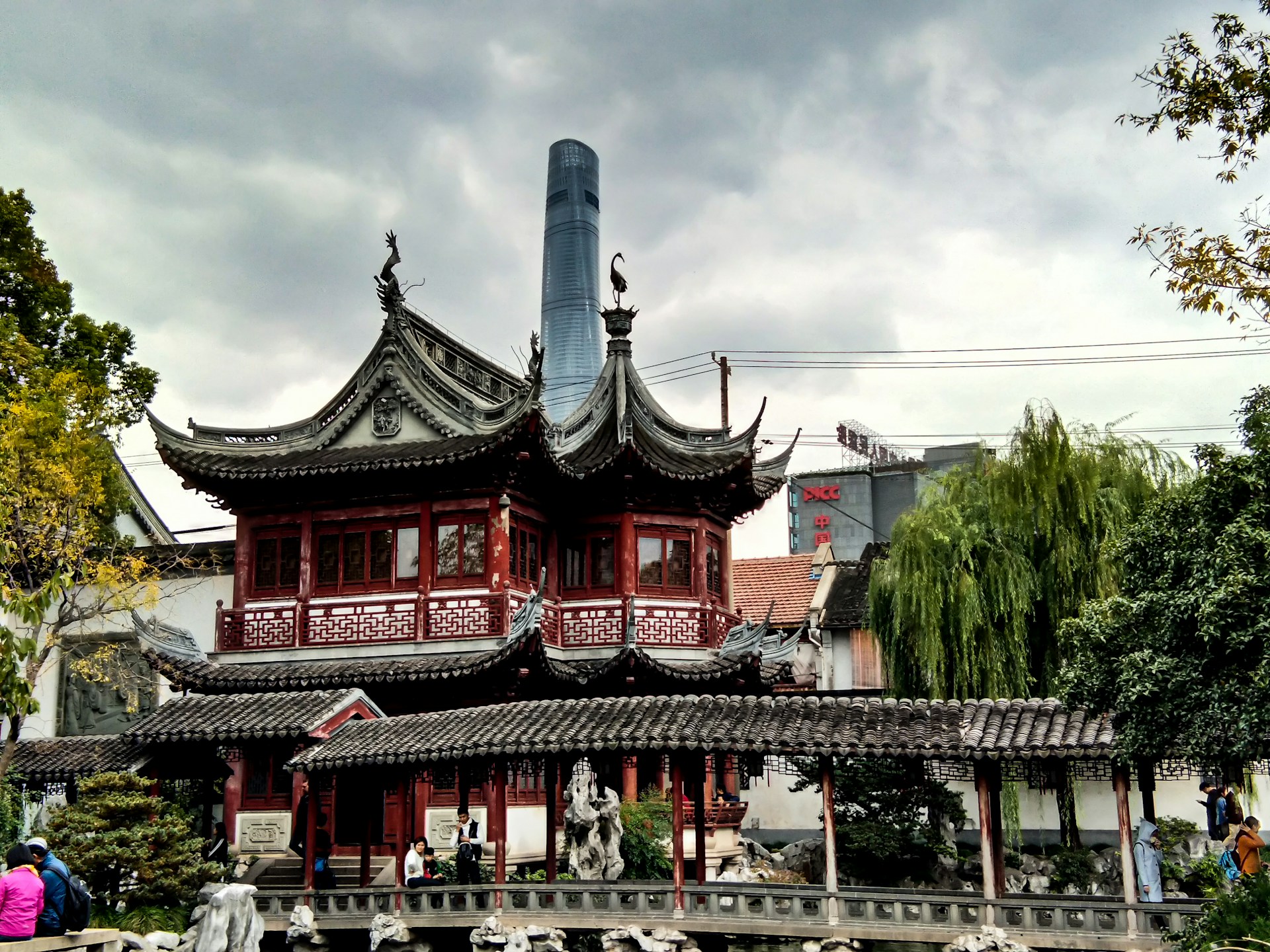
Yuyuan Garden distills into just over 20,000 m² the hallmarks of the late Ming literati garden: sculpted rockeries, pools, wooden pavilions, zigzag bridges and dragon-adorned walls. It stands as one of the rare ensembles of this scale preserved within a metropolis of this size, and one of Shanghai's most visited sites. For travelers drawn to traditional architecture, landscape art and the history of the Yangze Delta, it represents an essential stop, complementary to visits to the Bund and the neighbouring City God Temple.
Four centuries of history
The garden was built in 1559 as a private estate of Pan Yunduan, a dignitary from Sichuan under the Ming dynasty. He spent over 20 years developing it for his father Pan En, a retired high-ranking official, with the aim of offering him a place of family serenity.
Over the centuries, the site suffered greatly. During the Opium War in 1842, the British army occupied it for over five days and destroyed much of its décor. It was later damaged by Japanese troops in the 20th century. In 1956, Shanghai authorities launched a vast restoration programme. The garden reopened to the public in 1961 and was designated a national monument in 1982.
What to see in the garden
The ensemble is laid out in the style of Suzhou gardens and organised into six sections, each bounded by walls studded with dragons and traditional tiles. It contains more than 40 individual attractions, linked by a network of covered galleries, bridges and small water features. For a coherent visit, it is best to start from the north entrance, then proceed eastward, to the centre and south.
The Grand Rockery
The centrepiece of the northern section, the Grand Rockery consists of a single stone weighing 2 tonnes, the only original element preserved since the garden's creation. It was designed by Zhang Nanyang, a renowned rockery master of the Ming dynasty, and is considered the oldest work of its kind in the southern Yangze region. Its summit rises to 14 m and offers an overview of the landscape composition.
The Jade Boulder
In the eastern section, the Jade Boulder stands 4 m high. Salvaged from Tai Lake near Wuxi, it is prized for its water-eroded cavities, slender silhouette and translucent surface. A legend links it to the private collection of Emperor Huizong, a great admirer of literati stones during the Song dynasty.
Ming pavilions and kiosks
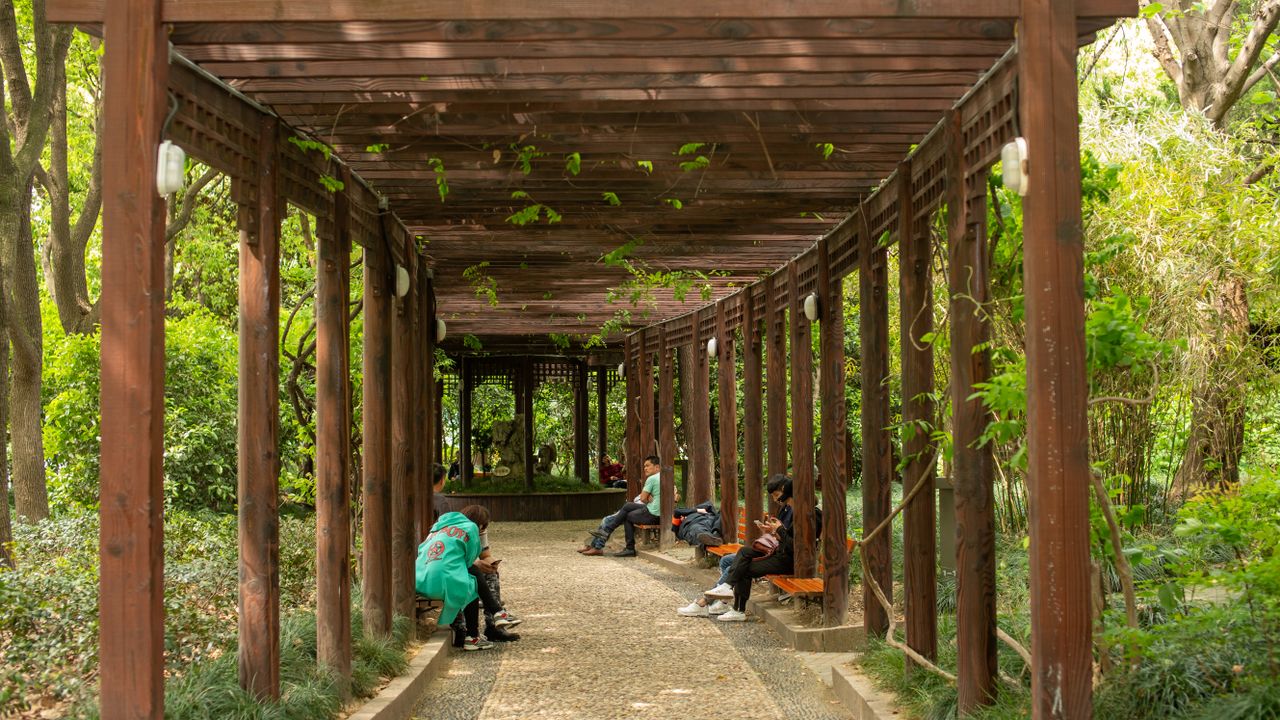
More than 20 Ming-style pavilions and kiosks are scattered throughout the garden. They feature calligraphy, paintings, clay and brick sculptures, as well as furniture carved from roots. These buildings serve both as resting points and as frames through which to perceive the garden from successive angles, in keeping with the Chinese aesthetic of borrowed landscape.
Practical information
- Address: centre of the old Chenghuangmiao bazaar, Huangpu district, Shanghai.
- Opening hours: daytime opening, closing in late afternoon. Check current hours before your visit, especially outside peak season.
- Admission: paid entry at a moderate rate, with slight variations by season.
- Duration: allow 1.5 to 2.5 hours to explore the entire garden at a leisurely pace.
- Crowds: high on weekends and during Chinese national holidays; prefer a morning visit.
When to visit
The garden is open year-round. Spring (April–May) and autumn (October–November) offer the most pleasant conditions, with vibrant vegetation and moderate temperatures. Winter, quieter and with foliage fallen, highlights the architecture. Summer is hot and humid, but vegetation is lush.
The year's highlight is the Lantern Festival, around Chinese New Year (January–February by the lunar calendar): the Chenghuangmiao bazaar and surrounding areas are decorated with hundreds of lanterns. The experience is striking, but crowds are extreme; it is better to plan other times for a visit to the garden itself.
How to get there
By metro
Take line 10 and get off at Yuyuan station, exit 1. The garden is about 5 minutes' walk through the bazaar.
By bus
Several lines serve the area: 11, 26, 64, 304, 736, 805, 920, 926 and 930. Get off at Xinbeimen stop, then head to the garden entrance via Anren Street.
On foot from the Bund
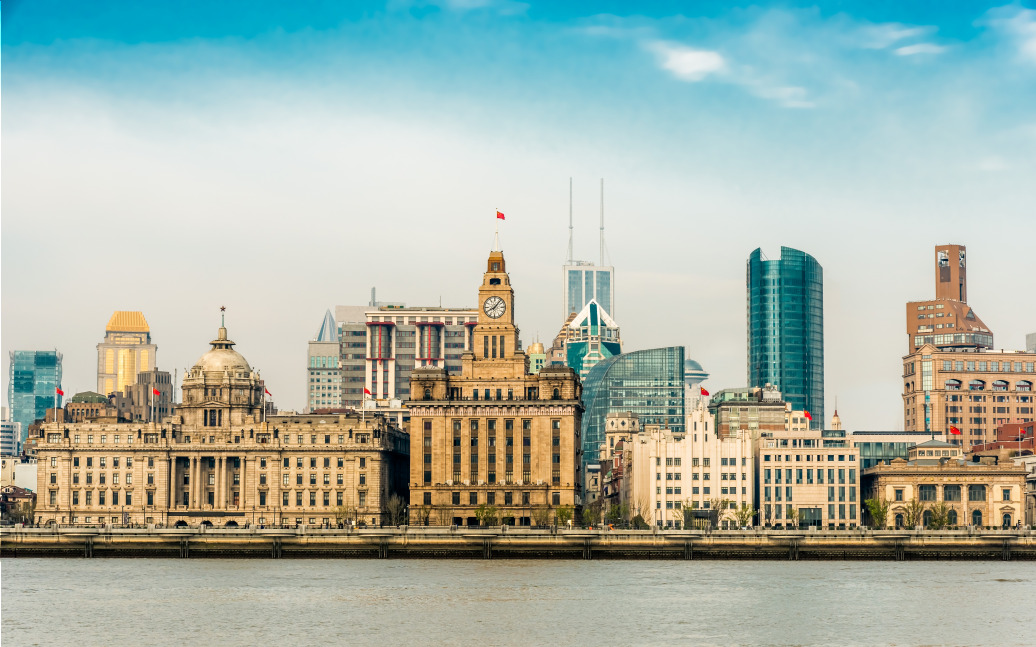
The garden is about 20–25 minutes' walk from the Bund, crossing the old city. This route allows you to combine colonial architecture and traditional Chinese urbanism in a single half-day.
Nearby
- City God Temple (Chenghuang Miao): just steps away, one of Shanghai's historic Taoist temples.
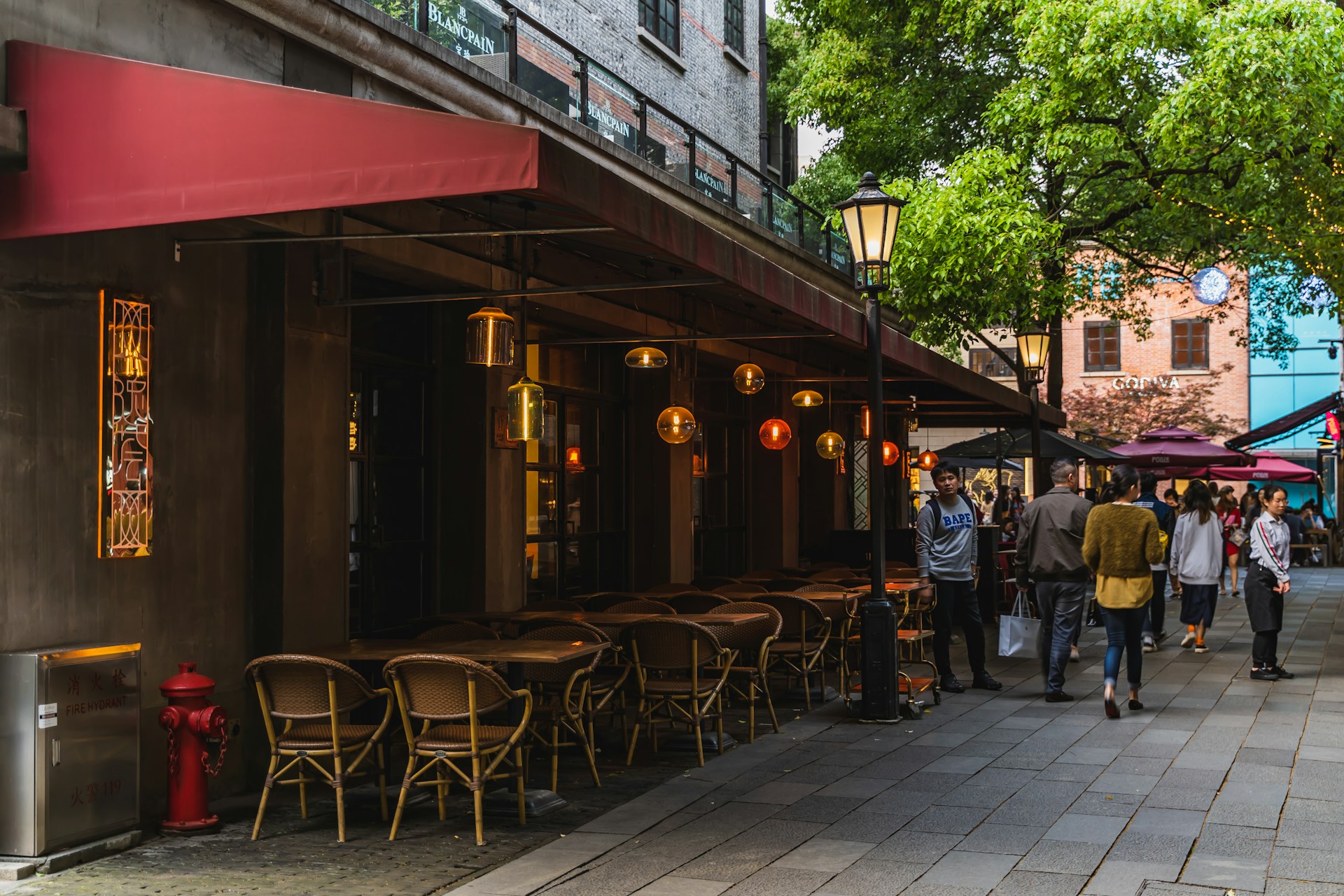
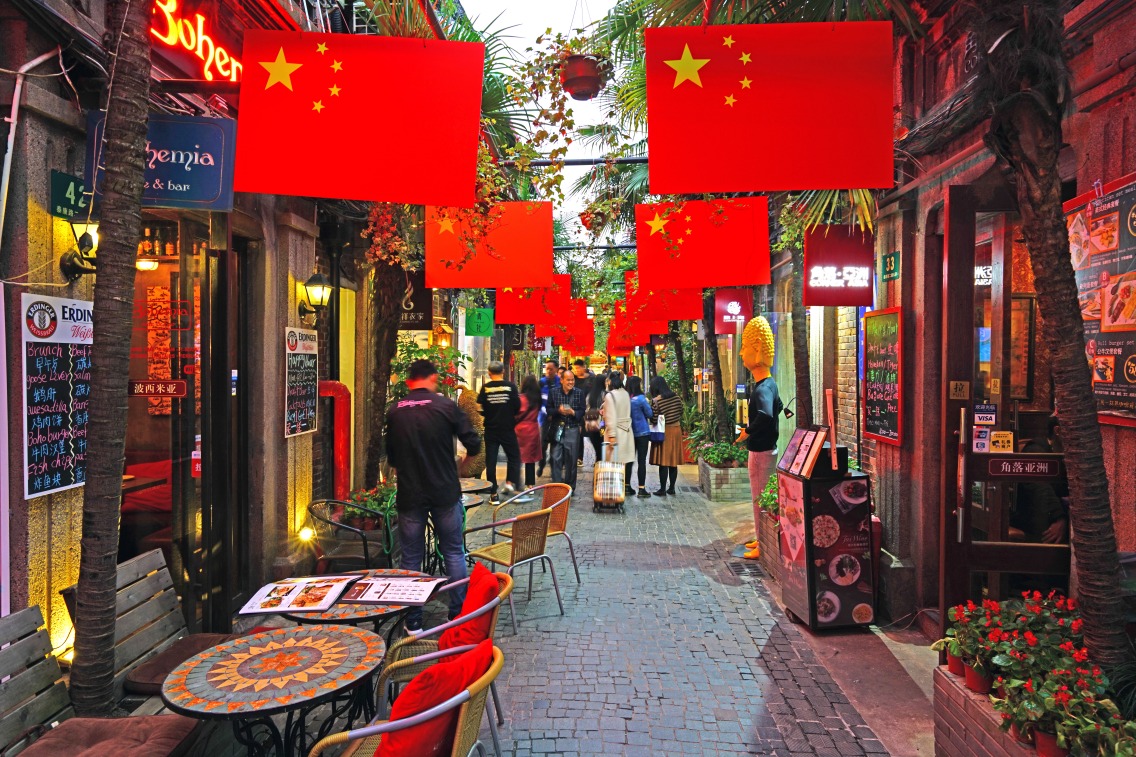
- Yuyuan Bazaar: shopping lanes in Ming–Qing-inspired buildings, surrounding the garden.
- The Bund: 20 minutes on foot, the historic waterfront facing Pudong's towers.
- Old Chinese City: ancient residential quarter with narrow lanes, undergoing renovation.
Frequently asked questions
Allow 1.5 to 2.5 hours to tour all six sections at a leisurely pace. Adding the Chenghuangmiao bazaar and City God Temple, plan for a half-day.
Yes, admission is charged at a moderate rate that varies slightly by season. The bazaar and surrounding streets, however, remain free to access.
The morning upon opening, on a weekday, allows you to avoid large crowds and enjoy favourable light on the pavilions and pools.
Yes, line 10 serves Yuyuan station directly, exit 1. Several bus lines also stop at Xinbeimen, nearby.
The experience is remarkable around Chinese New Year, but crowds are very heavy. If you want to see the lanterns, prioritise the bazaar in the evening and schedule your garden visit for another day.
Including Yuyuan Garden in your trip
Yuyuan Garden fits naturally into a Shanghai stay combining classical heritage, colonial architecture and contemporary megacity. To build a bespoke itinerary combining Shanghai with other cultural stops, explore our travel suggestions in Chine.
Nearby
Interested in this visit?
We can include it in your personalised itinerary.