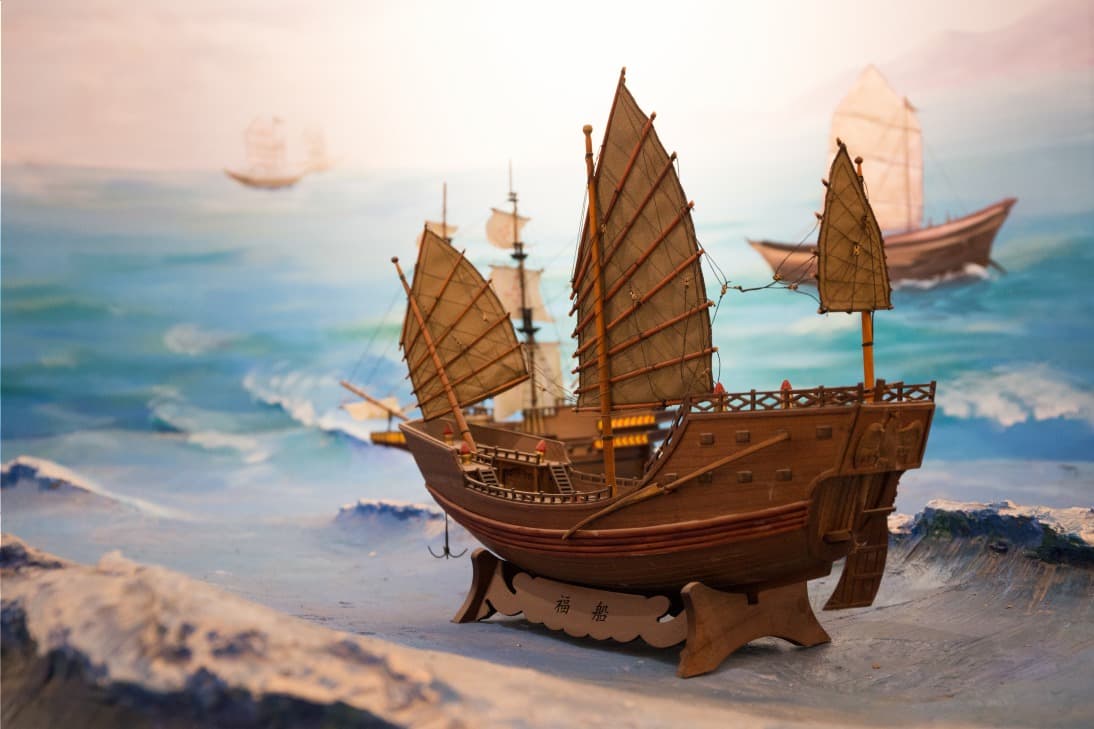
Museum of Overseas Chinese
Museum of Overseas Chinese
Founded in 1956 by Tan Kah-Kee in a colonial villa in Xiamen, this museum traces the history of expatriate Chinese communities through three major exhibition halls.
The Museum of Overseas Chinese in Xiamen traces the history of expatriate Chinese communities through relics, artworks, and photographs. Set within a former colonial villa spanning 50,000 m², it stands as Chine's first museum of its kind, founded by a major figure in local education.
Why visit the museum
This destination appeals to travelers interested in Chinese emigration, a phenomenon that profoundly shaped Fujian, the birthplace province of millions of migrants who departed for Southeast Asia, the Americas, and Europe from the 19th century onward. The museum illuminates a often-overlooked chapter of Chinese history: that of the diasporas, their triumphs as well as their struggles.
Plan for 1 to 2 hours to explore the main exhibition halls. The museum pairs well with a day devoted to Xiamen and its cultural attractions.
Museum history
The museum was founded in 1956 by Tan Kah-Kee, a Chinese-born philanthropist based in Singapore and also founder of Xiamen University. Tan Kah-Kee assembled much of the initial collection and championed the project through its opening to the public in May 1959.
His initiative reflected a personal mission: to document the journeys of Chinese who ventured abroad in search of opportunity and their enduring ties to their homeland. The building itself, a restored colonial villa, is part of the city's architectural heritage.
What to see in the collections
The exhibition unfolds across three major halls and follows a chronological narrative spanning six themes:
- The departure of Chinese for foreign lands along the Silk Road
- The hardships and struggles faced before 1949
- Relations between Chinese emigrants and host-country populations
- Contributions of overseas Chinese to the nation
- The histories of different expatriate communities
- An examination of government policies toward the diaspora
Hall of Overseas Chinese History
This gallery houses thousands of objects tied to the work and daily lives of emigrants before and after 1949: tools, documents, clothing, family correspondence.
Hall of National Heritage Relics
Nearly 2,000 artworks and relics are on display here, largely collected by Tan Kah-Kee himself. The selection spans multiple dynasties and offers an overview of Chinese material heritage.
Nature Temple
This somewhat unexpected section in an emigration museum showcases approximately 2,000 specimens of animals, birds, and aquatic products. It reflects the museum's original purpose as a venue for general education, envisioned by its founder.
Practical information
- Duration: 1 to 2 hours
- Hours: Open during the day with afternoon closure. Check current hours before your visit.
- Admission: Modest entrance fee; often free with valid identification (a policy common in many public Chine museums).
- Languages: Signage primarily in Mandarin with some English. A translation app is helpful.
How to get there
The museum is located in the southern part of Xiamen island, near the historic campus of the university. Two bus lines serve the area:
- Bus No. 1: Alight at University stop, then walk to the museum (5 to 10 minutes).
- Bus No. 21: Alight at Nanputuo Temple stop; the museum is a short distance away.
A taxi or ride-hailing service from central Xiamen remains a straightforward option if traveling as a group.
Nearby attractions
The area allows you to combine several visits in half a day:
- Nanputuo Temple, a Buddhist sanctuary founded during the Tang Dynasty, nestled against Wulao Hill
- Xiamen University, one of Chine's most beautiful campuses, founded by Tan Kah-Kee in 1921
- The waterfront and coastal promenade leading toward Gulangyu island
Plan your trip
To incorporate this visit into a broader itinerary, explore our Chine travel packages and circuits featuring Fujian.

Interested in this visit?
We can include it in your personalised itinerary.